Komárno Fortress
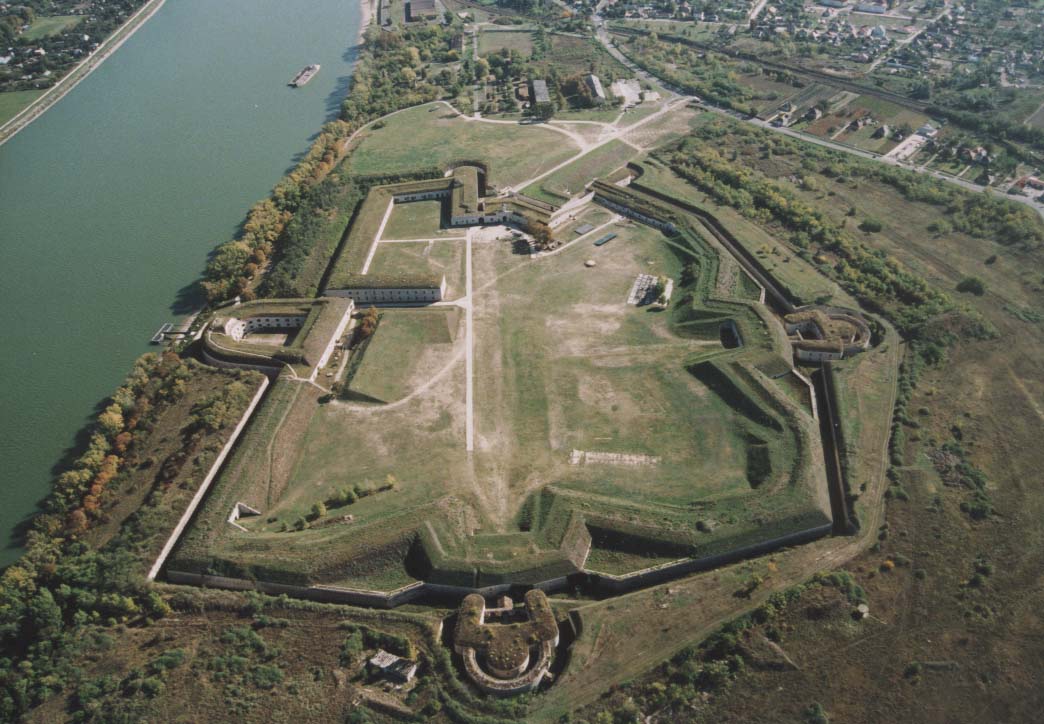
Komárno fortress stands as one of the most significant bastioned fortresses in Central Europe, located strategically at the confluence of the Danube and Váh rivers in Komárno, Slovakia. Its origins trace back to a 13th-century castle, but the fortress as it is known today was primarily constructed during the Renaissance period between 1541 and 1543, with further expansions continuing until 1557. This period marked a pivotal transformation in military architecture, adapting to the advent of gunpowder artillery, which necessitated the development of angled bastions and thick defensive walls to better withstand cannon fire.
Historical context and military significance
The fortress was built as a crucial part of the defensive system against the advancing Ottoman Turks, who had occupied key Hungarian strongholds such as Buda and Esztergom in the early 1540s. Komárno fortress became the main supporting point in this frontier defense, serving as a bulwark to protect the Kingdom of Hungary and the Habsburg monarchy's southern borders. Its location at the river junction allowed control over important waterways and trade routes, enhancing its strategic importance.
Architectural features and layout
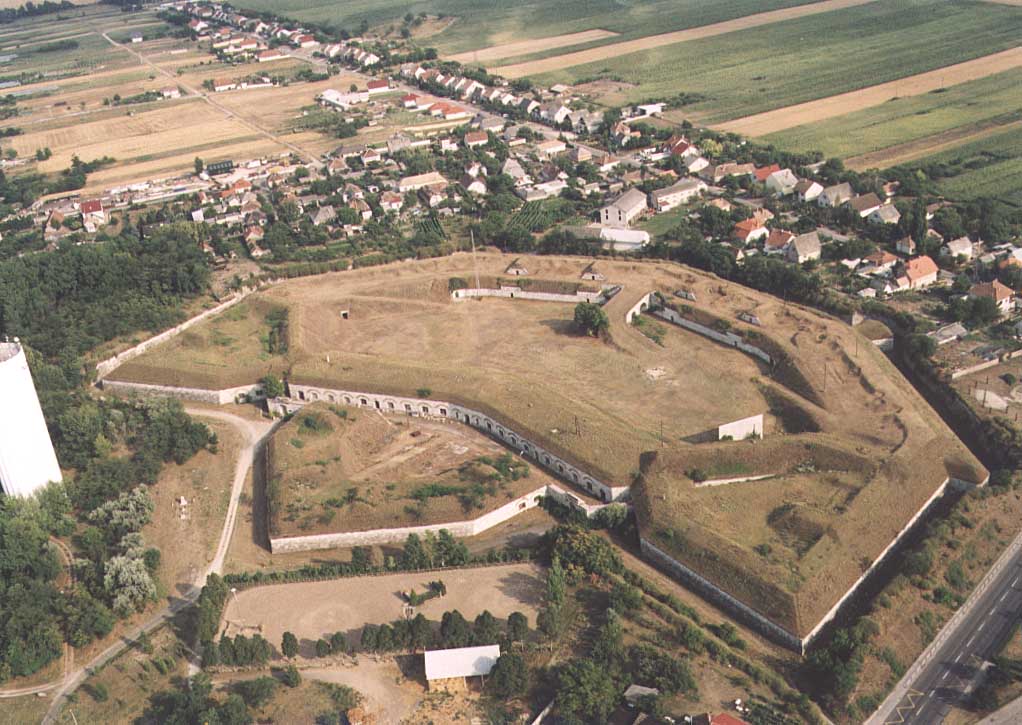
The fortress exemplifies the Renaissance bastioned fortress design, characterized by its star-shaped layout with multiple bastions projecting outward to cover all approaches with overlapping fields of fire. This design minimized blind spots and allowed defenders to repel attackers effectively. The walls were constructed with thick stone and earthworks to absorb artillery impacts.
Bastions and walls
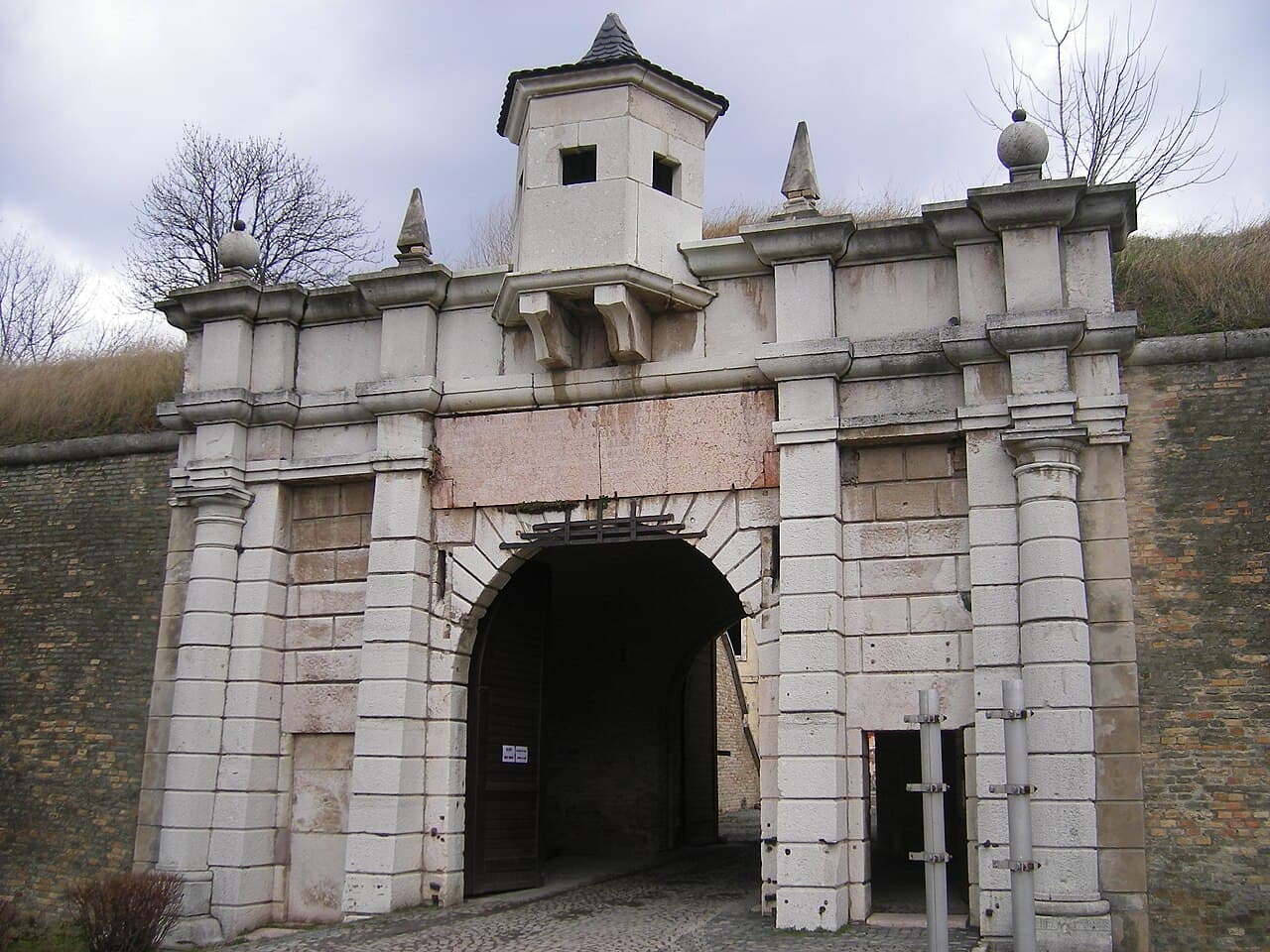
The fortress includes several large bastions, which are angular projections from the main walls designed to provide defensive fire along the curtain walls and to prevent attackers from approaching the walls unchallenged. These bastions were connected by curtain walls that formed a continuous defensive perimeter. The walls were reinforced with earthen ramparts behind the stone facades to absorb cannon fire.
Moats and water defenses
Given its location near two rivers, the fortress incorporated extensive water defenses, including moats fed by the Danube and Váh rivers. These moats added an additional obstacle for attackers and helped protect the fortress from siege engines and infantry assaults.
Internal structures
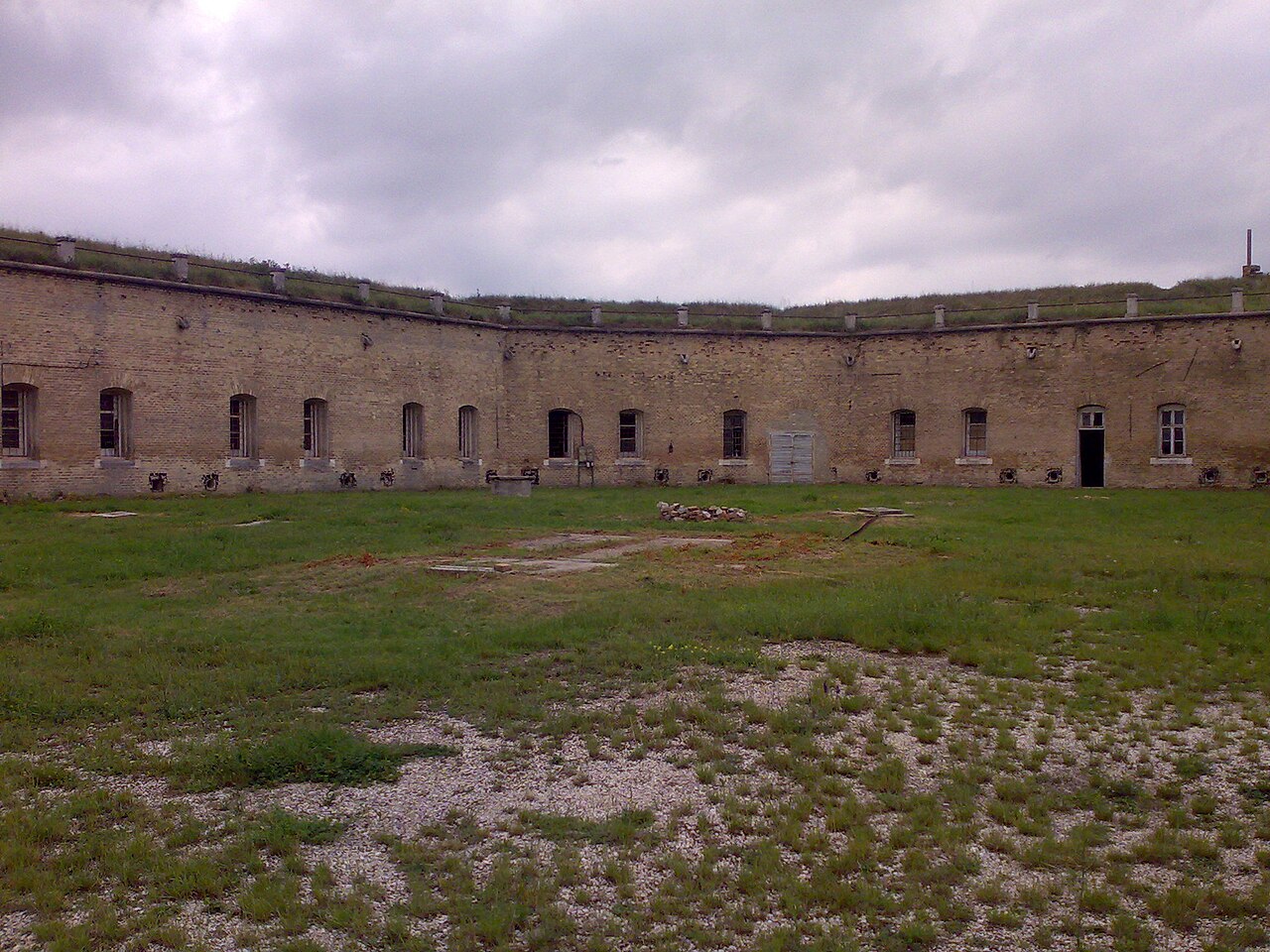
Within the fortress, there were barracks, armories, command buildings, and storage facilities to support a sizeable garrison. The design also included provisions for civilian refugees during times of attack, reflecting its role as a regional stronghold.
Later history and preservation
Komárno fortress played an active role in various military conflicts over the centuries, including the wars against the Ottoman Empire and later Habsburg conflicts. Over time, as military technology evolved, the fortress's defensive role diminished, but it remained an important symbol of regional defense.
Today, the fortress is well preserved and serves as a significant cultural and historical monument. It attracts visitors interested in military architecture and Central European history. Restoration efforts have maintained much of its original Renaissance bastioned character, allowing visitors to appreciate the ingenuity of 16th-century fortification design.
Visiting Komárno fortress
The fortress is accessible to the public and offers guided tours that explain its architectural features and historical significance. Visitors can explore the bastions, walls, and internal courtyards, gaining insight into the life of soldiers and residents during the Renaissance period. The site also hosts cultural events and exhibitions that highlight its heritage.
Nearby attractions
Komárno town itself has a rich history and features additional historical buildings and museums. The fortress's location near the rivers also offers scenic views and opportunities for river-based activities.
Frequently asked questions (FAQ)
- What is the historical significance of Komárno Fortress?
- Komárno Fortress is a key historical military fortification that dates back to the 16th century, playing a crucial role in the defense against Ottoman invasions. Its strategic location at the confluence of the Danube and Váh rivers made it an important stronghold in the Austro-Hungarian Empire. Today, it stands as a testament to the military architecture of its time and offers insights into the region's tumultuous history.
- When was Komárno Fortress built?
- The construction of Komárno Fortress began in 1546 and continued over several decades, with significant expansions occurring during the 17th and 18th centuries. The fortress was designed to defend against the Ottomans and was later adapted to modern warfare techniques. Its development reflects the evolving military needs of the region throughout European history.
- Can I visit Komárno Fortress?
- Yes, Komárno Fortress is open to visitors, offering guided tours that explore its rich history and impressive architecture. The fortress includes several museums and exhibitions that provide insights into its military past. It's advisable to check the official website for the latest visitor information and any seasonal events.
- What are the opening hours of Komárno Fortress?
- Komárno Fortress typically opens to visitors from 10 AM to 6 PM, but hours may vary based on the season and special events. It is recommended to visit the fortress's official website or contact them directly for the most accurate and up-to-date information regarding opening hours. Planning your visit during weekdays may also help avoid larger crowds.
- Is it possible to explore the fortress grounds on my own?
- Yes, visitors can explore the fortress grounds independently, but guided tours are highly recommended for a deeper understanding of its history and architecture. The self-guided experience allows you to take in the scenic views and explore various sections at your own pace. Be sure to check for any specific areas that may require a guide.
- What is the best time to visit Komárno Fortress?
- The best time to visit Komárno Fortress is during the spring and early fall when the weather is pleasant, and outdoor exploration is enjoyable. Additionally, these seasons often feature fewer tourists compared to the summer months, allowing for a more peaceful experience. Special events and activities may also be scheduled during these times, enhancing your visit.
- Are there any nearby attractions to visit?
- Yes, the area surrounding Komárno Fortress offers several attractions, including the scenic Danube River promenade and the historic town center of Komárno. Visitors can also explore nearby cultural sites such as the Komárno Synagogue and the Hungarian Cultural Center. These attractions complement your visit to the fortress and provide a richer experience of the local heritage.
- What are the ticket prices for Komárno Fortress?
- Ticket prices for Komárno Fortress are generally affordable, with discounts available for students and seniors. Children under a certain age may enter for free, making it a great family-friendly destination. It is advisable to check the official website for the latest pricing information and any promotional offers that may be available.
- How do I get to Komárno Fortress?
- Komárno Fortress is accessible by various means of transportation, including by car, train, and bus. If you're traveling from nearby cities, direct trains and buses operate regularly to Komárno. Once in the town, the fortress is within walking distance from the main transportation hubs, making it easy to reach for visitors.
Photo gallery

Information
Current owner
Municipality of Komárno
Loading map...
Visitor reviews
No reviews yet. Been here? Write the first review and help other travelers!
Write the first reviewVisited this castle? Share your experience
Your review helps other travelers and adds first-hand knowledge to our encyclopedia.