Fort Igmánd, Komárom
Fort Igmánd is a prominent bastioned fortress located near Komárom in Hungary. Constructed in the 19th century, this fortress forms part of the extensive defensive system built to protect the region during a period of military modernization and heightened strategic importance. The fortress exemplifies the bastioned fortress style, characterized by angular bastions designed to provide overlapping fields of fire and improved defensive capabilities against artillery attacks.
Historical context and strategic importance
The construction of Fort Igmánd was motivated by the need to strengthen the defenses of Komárom, a key military and commercial hub due to its location on the Danube River. The fortress was part of a broader network of fortifications developed in the Austro-Hungarian Empire during the 19th century, reflecting advances in military architecture designed to counter the evolving threats of artillery and siege warfare. Its position allowed control over important land and river routes, making it a critical element in regional defense strategies.
Architectural features and design
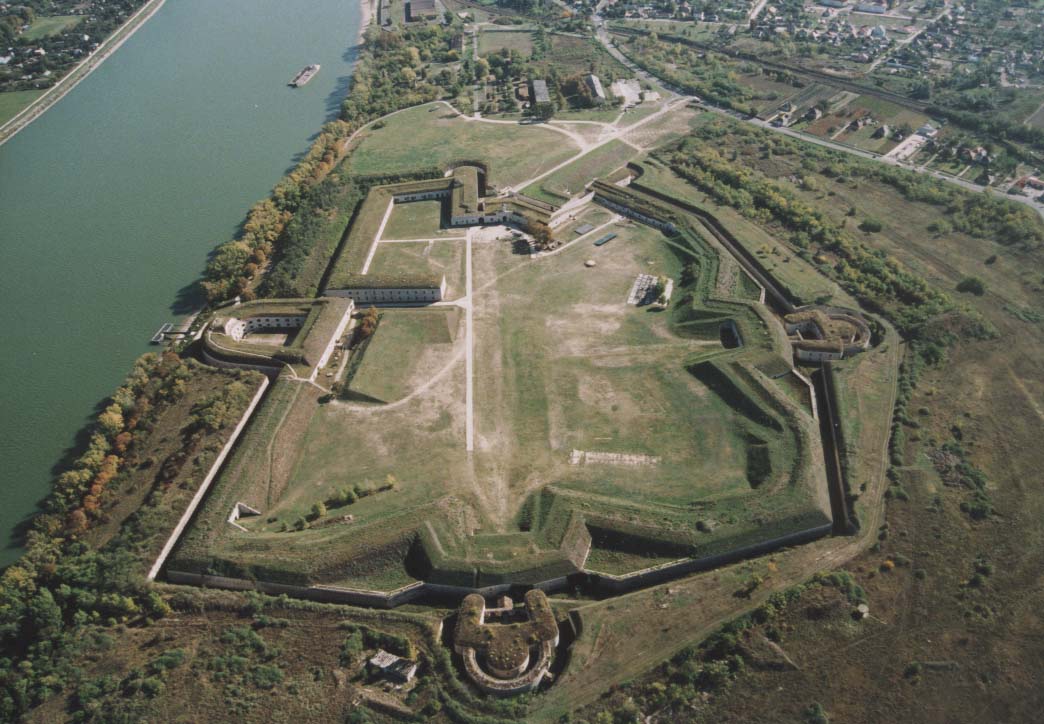
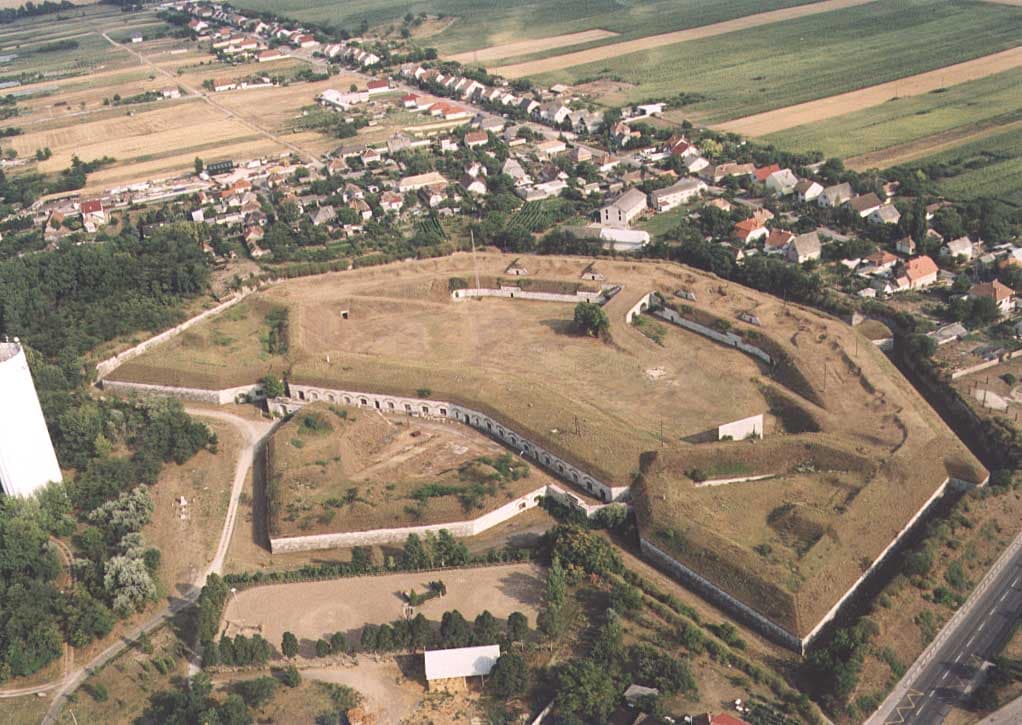
Fort Igmánd is characterized by its bastioned layout, a hallmark of fortress design in the period. The fortress features multiple angular bastions projecting outward from the main walls, enabling defenders to cover adjacent bastions and curtain walls with gunfire. This design minimized blind spots and improved the fortress's ability to withstand prolonged attacks. The walls were constructed using robust masonry and earthworks to absorb artillery fire, while the interior included barracks, storage facilities, and defensive ditches.
Bastions and defensive structures
The bastions at Fort Igmánd are designed to optimize defense, with thick walls and angled faces to deflect incoming cannonballs. The fortress also includes moats and ravelins, detached triangular fortifications placed in front of the main walls to disrupt enemy advances. These elements demonstrate a sophisticated understanding of military engineering principles prevalent in the 19th century.
Interior layout and facilities
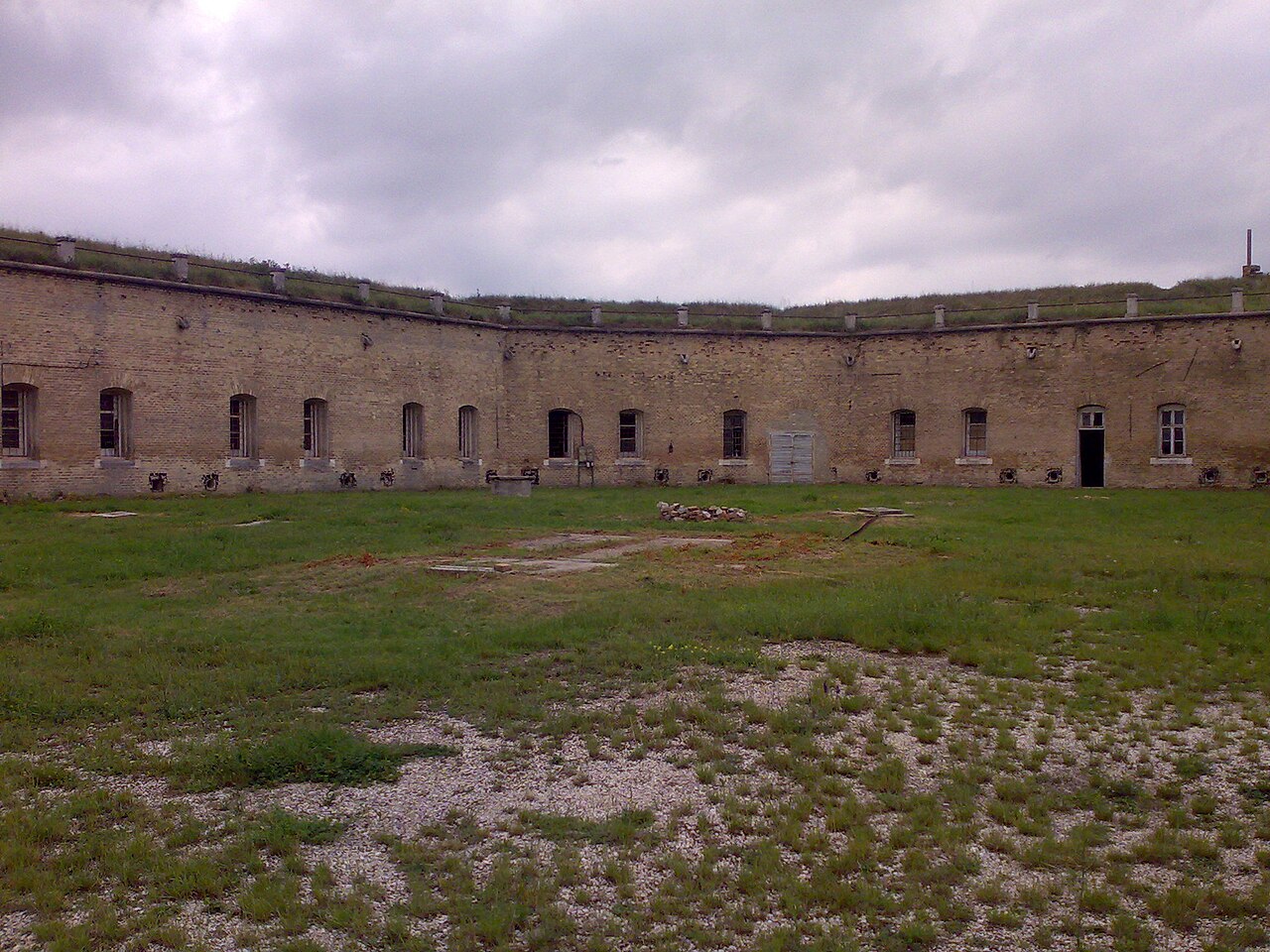
Inside the fortress, there were quarters for soldiers, ammunition depots, and command posts. The design prioritized functionality and defense, with underground passages and secure storage areas to protect vital resources during sieges. The fortress's layout allowed for efficient communication and movement of troops within the walls.
Role in military history
Throughout its operational period, Fort Igmánd served as a defensive stronghold for the Austro-Hungarian military. While it did not witness major battles, its presence contributed to the deterrence of potential aggressors and the security of the Komárom region. The fortress's design reflects the military doctrines of its era, emphasizing static defense and artillery fortifications.
Current condition and preservation
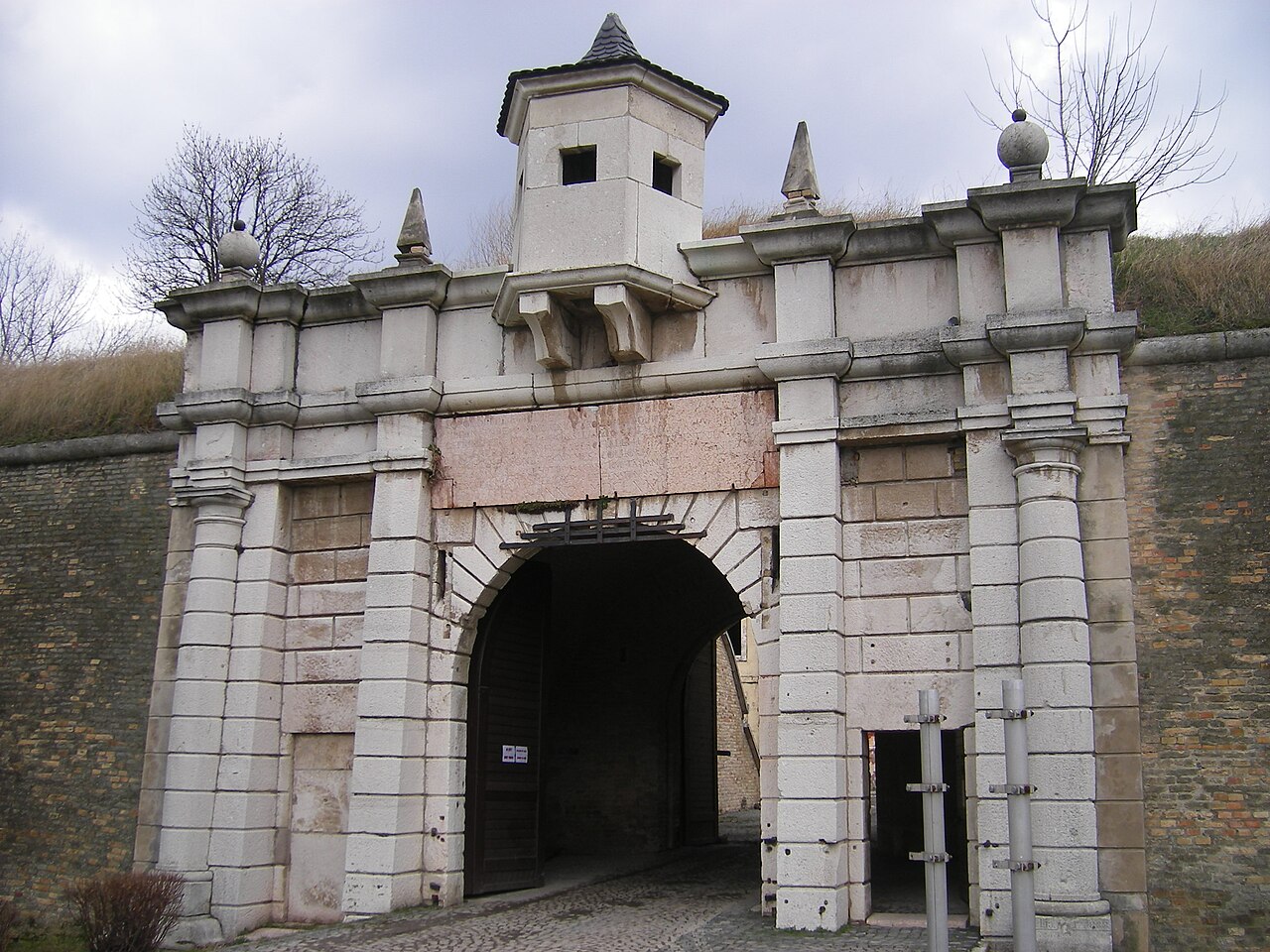
Today, Fort Igmánd remains a significant historical site, though its condition varies. Parts of the fortress are partially preserved, with some bastions and walls still intact, while other sections have suffered from neglect and natural decay. Efforts have been made to preserve and restore key elements to maintain its historical and architectural value. The site is accessible to visitors interested in military history and fortress architecture.
Visiting Fort Igmánd
Visitors to Fort Igmánd can explore the surviving bastions and defensive structures, gaining insight into 19th-century military engineering. The fortress offers a tangible connection to Hungary's military past and the strategic importance of Komárom. Guided tours and informational displays enhance the visitor experience, providing context about the fortress's construction, function, and historical significance.
Frequently asked questions (FAQ)
- What is Fort Igmánd and where is it located?
- Fort Igmánd is a 19th-century bastioned fortress located near Komárom in Hungary, built to strengthen regional defenses.
- What architectural style characterizes Fort Igmánd?
- Fort Igmánd features a bastioned fortress design with angular bastions and defensive earthworks typical of 19th-century military architecture.
- Is Fort Igmánd open to visitors?
- Yes, parts of Fort Igmánd are accessible to visitors, offering a glimpse into historical military fortifications and 19th-century defense systems.
- What was the strategic importance of Fort Igmánd?
- The fortress controlled key land and river routes near Komárom, serving as a defensive stronghold in the Austro-Hungarian Empire's military network.
- What is the current condition of Fort Igmánd?
- Fort Igmánd is partially preserved, with some bastions and walls intact, though other sections have deteriorated over time.
Photo gallery

Information
Loading map...
Visitor reviews
No reviews yet. Been here? Write the first review and help other travelers!
Write the first reviewVisited this castle? Share your experience
Your review helps other travelers and adds first-hand knowledge to our encyclopedia.