Komakiyama Castle — Japan castle

Komakiyama Castle

Komakiyama Castle: a 16th-century hill castle in Japan
Renaissance (15th–17th c.)
Ruins

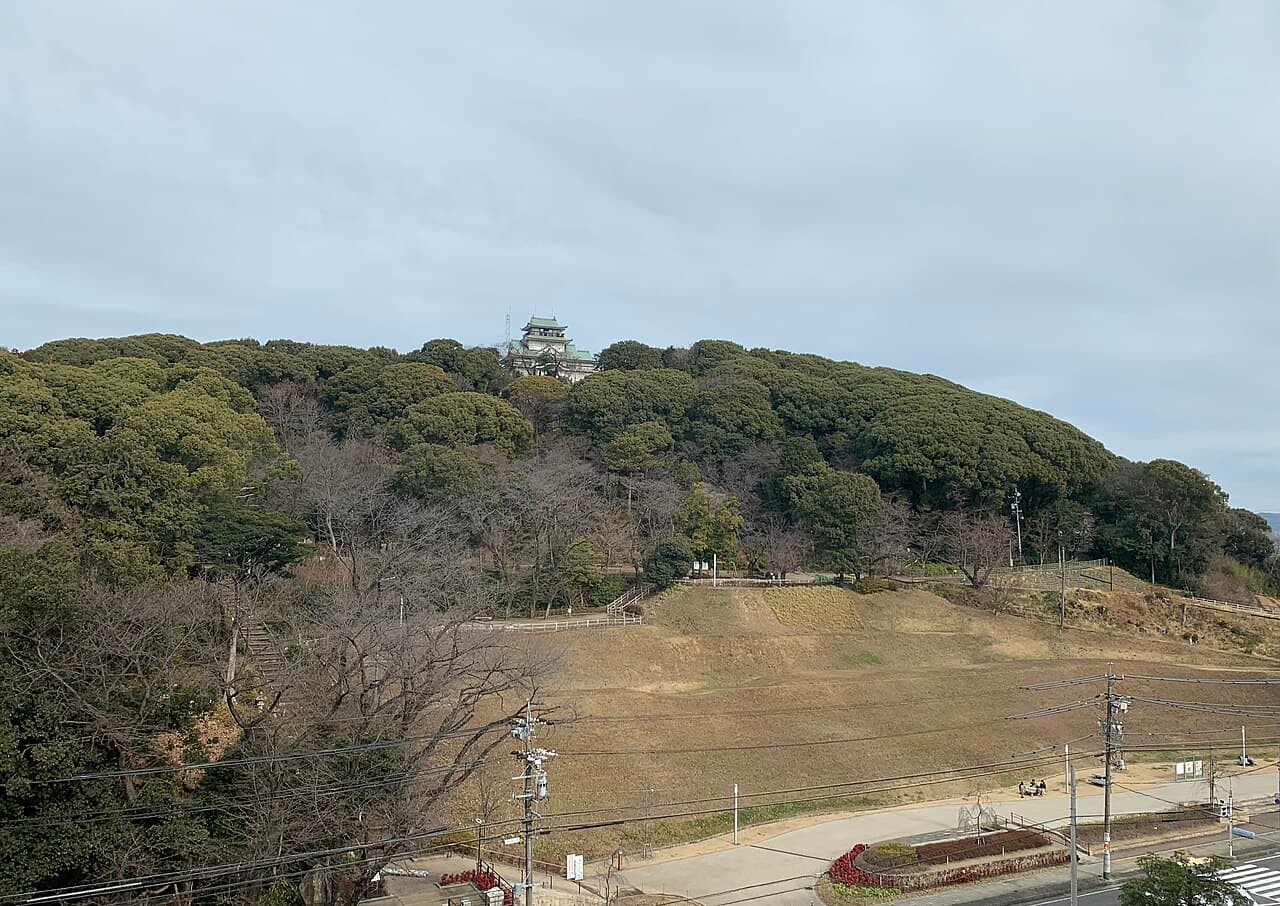
Komakiyama Castle is a notable hill castle located in Japan, constructed during the 16th century. It represents a significant example of Japanese castle architecture from the Sengoku period, a time marked by military conflict and political upheaval. The castle's strategic placement atop a hill allowed for effective defense and surveillance of the surrounding area, a common feature in Japanese fortifications of this era.

Historical context and construction

The 16th century in Japan was a period of intense warfare known as the Sengoku period, during which many castles were built or expanded to secure territorial control. Komakiyama Castle was constructed as a military stronghold to serve local warlords in their campaigns. Its location on elevated terrain provided a tactical advantage, enabling defenders to spot approaching enemies and control key routes.

Unlike European castles of the same period, Japanese castles such as Komakiyama emphasized wooden structures atop stone foundations, with complex wooden interiors and defensive features adapted to the local environment and warfare styles.

Architectural features

Komakiyama Castle exemplifies typical features of hill castles in Japan. It was built primarily using wood and stone, with an emphasis on natural terrain integration. The castle likely included multiple baileys (courtyards) arranged on different levels of the hill, connected by winding paths and defensive walls.

Key architectural elements would have included:

  • Stone walls reinforcing the base and terraces of the castle to prevent erosion and provide defense.
  • Wooden gates and watchtowers positioned to monitor and control access.
  • Moats or dry ditches carved into the hill to impede attackers.
  • Main keep (tenshu) or central tower, although some hill castles had simpler donjon structures depending on their size and importance.

Military significance

Komakiyama Castle played a role in regional conflicts during the Sengoku period. Its position allowed local lords to defend their territories effectively and to control trade and military routes. The castle's defenses were designed to withstand sieges and to leverage the natural landscape for protection.

Current condition and legacy

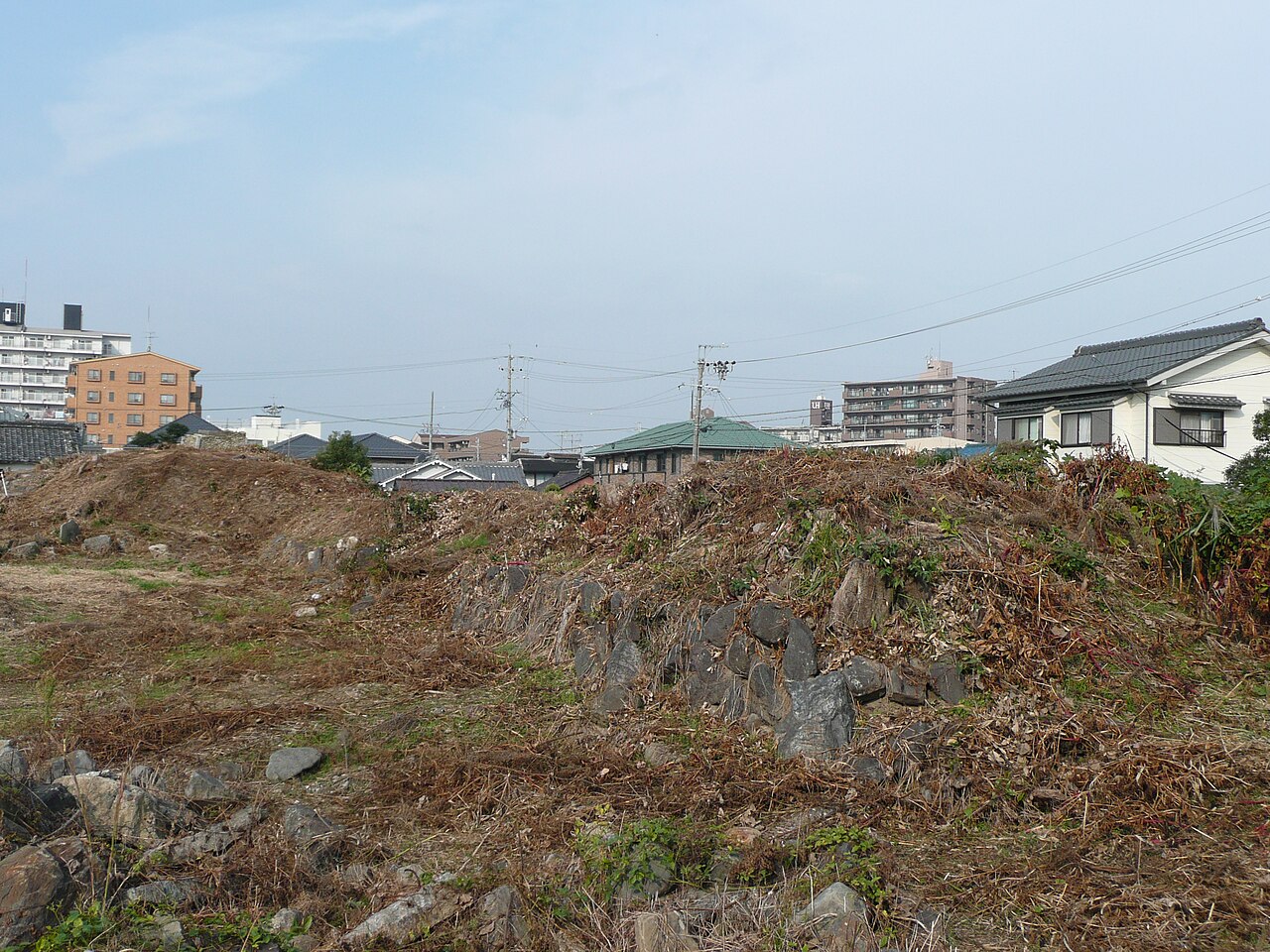
Today, Komakiyama Castle remains a site of historical interest, though like many Japanese castles from this period, it may exist primarily as ruins or archaeological remains. The stone foundations and earthworks often survive, providing insight into the castle's original layout and defensive design.

The castle is part of Japan's rich heritage of feudal architecture and military history, attracting visitors interested in the Sengoku period and traditional Japanese fortifications.

Visiting Komakiyama Castle

Visitors to Komakiyama Castle can explore the hillside ruins, enjoying panoramic views of the surrounding landscape. Informational signage and local guides often provide context about the castle's history and architecture. The site offers a glimpse into Japan's feudal past and the strategic importance of hilltop castles.

Frequently asked questions

  • When was Komakiyama Castle built? It was constructed in the 16th century during Japan's Sengoku period.
  • What type of castle is Komakiyama Castle? It is a hill castle, built on elevated terrain for defense.
  • What remains of Komakiyama Castle today? Mainly stone foundations and earthworks remain, typical of many Japanese castles of the era.
  • Can visitors access the castle site? Yes, the site is open to visitors who can explore the ruins and enjoy the views.
  • Why was the castle built on a hill? The elevated position provided strategic advantages for defense and surveillance.

Frequently asked questions (FAQ)

How do I get to Komakiyama Castle?
Komakiyama Castle is accessible by public transport, with the nearest train station being Komaki Station. From there, you can take a local bus or enjoy a scenic walk to the castle, which is approximately 2 kilometers away.
What is the historical significance of Komakiyama Castle?
Komakiyama Castle, built in the late 16th century, played a crucial role during the Sengoku period in Japan. It served as a strategic location for military defense and was the residence of several prominent samurai, highlighting its importance in Japan's feudal history.
When was Komakiyama Castle constructed?
The construction of Komakiyama Castle began in 1584 under the orders of the warlord Toyotomi Hideyoshi. The castle was completed shortly thereafter and became an essential stronghold in the region until its decline in the late 19th century.
Can I enter the castle grounds?
Yes, visitors can enter the castle grounds, which offer a beautiful view of the surrounding area. While the main structure has not survived intact, the ruins and the surrounding park provide a glimpse into the castle's historical significance.
Why is Komakiyama Castle considered an important architectural site?
Komakiyama Castle is recognized for its unique design, which incorporates natural rock formations into its defensive structures. The castle showcases traditional Japanese architectural styles, making it a valuable site for those interested in historical architecture.
Is it possible to visit Komakiyama Castle year-round?
Yes, Komakiyama Castle is open to visitors year-round, although some facilities may have limited access during the winter months. It's advisable to check local information for any seasonal events or maintenance that may affect visiting hours.
What are the opening hours for Komakiyama Castle?
The castle grounds are typically open from 9:00 AM to 5:00 PM. However, hours may vary depending on the season, so it is best to confirm before your visit.
What are the ticket prices for visiting Komakiyama Castle?
Admission to the castle grounds is generally free, allowing visitors to explore the area without any cost. However, special events or guided tours may have associated fees, so check ahead for specific details.
When is the best time to visit Komakiyama Castle?
The best time to visit Komakiyama Castle is during the spring and autumn months when the weather is mild and the surrounding nature is at its most beautiful. Cherry blossoms in spring and vibrant autumn foliage attract many visitors, enhancing the experience.
Are there any nearby attractions to visit along with Komakiyama Castle?
Yes, nearby attractions include the Komaki Park and the historical sites of the Nagoya region. These sites provide additional insights into Japan's rich history and natural beauty, making for a full day of exploration.

Photo gallery

Komakiyama Castle
Click to view

Photo by Mont Blank rich•CC BY-SA 4.0

1 photo • Click any image to view in full screen

Information

Hill Castle

Loading map...

Visitor reviews

No reviews yet. Been here? Write the first review and help other travelers!

Write the first review

Visited this castle? Share your experience

Your review helps other travelers and adds first-hand knowledge to our encyclopedia.
Write a review

(5/5)

0/2000 characters

Your review will be visible after admin approval

Nearby castles

8.7 km
Jōjō Castle — Japan castle

Jōjō Castle

Kasugai, Japan

Jōjō Castle (上条城, Jōjō-jō) is a historically significant hirashiro, a type of Japanese castle constructed on flat plains rather than on hills or mountains. Located in Kasugai, Aichi Prefecture, this castle dates back to the early 13th century, with its construction traditionally attributed to Osaka Kouzen in 1218. Although now only ruins remain, Jōjō Castle offers valuable insights into the castle-building techniques and feudal history of Japan's High Medieval period. Historical context and significance The establishment of Jōjō Castle occurred during the Kamakura period, a time when Japan was transitioning from the Heian aristocratic rule to the feudal military government led by the shogunate. This era saw the rise of samurai clans and the construction of numerous castles to secure territorial control and defend against rival factions. Jōjō Castle was part of this broader trend of fortification development on the plains, which allowed for easier access to surrounding agricultural lands and trade routes. Its location in Kasugai, near the modern city of Nagoya, placed it strategically within the Owari Province, an important region for controlling transportation and communication routes in central Japan. The castle's presence reflects the military and administrative needs of local lords during the turbulent medieval period. Architectural features and layout As a hirashiro, Jōjō Castle was built on flat terrain, which influenced its defensive design. Unlike mountain castles that relied on natural elevation, hirashiro required extensive man-made fortifications. Jōjō Castle likely featured moats, earthen walls, and wooden palisades to create a defensive perimeter. The castle's layout would have included a central bailey (honmaru) surrounded by multiple baileys (kuruwa) to provide layered defense. Excavations at the site have revealed remnants of these defensive structures, including traces of moats and foundation stones that suggest the presence of watchtowers and gates. The castle's design balanced military functionality with administrative and residential needs, accommodating the lord's residence, barracks, and storage facilities within its walls. Defensive elements The castle's moats were essential in deterring enemy advances across the flat landscape. These water-filled ditches, combined with earthen embankments, formed formidable barriers. Wooden gates and watchtowers would have been positioned at key points to monitor and control access. Residential and administrative structures Within the inner baileys, the lord's residence and administrative buildings were likely constructed primarily of wood, typical of the period's architecture. These structures would have included living quarters, audience halls, and storage rooms for provisions and weapons. Decline and current status Jōjō Castle's prominence declined as political power shifted and newer fortifications were built in the region. Over time, the castle fell into disuse and was eventually abandoned. Today, the site exists as archaeological ruins, with visible remnants of its moats and earthworks serving as a window into medieval Japanese castle construction. The ruins are protected as a cultural heritage site, attracting historians, archaeologists, and visitors interested in Japan's feudal past. The site offers opportunities for archaeological study and public education about the strategic and architectural aspects of hirashiro castles. Visiting Jōjō Castle ruins The castle ruins are accessible to the public, though no significant reconstructed buildings remain. Visitors can explore the earthworks and moat outlines, gaining a sense of the castle's original scale and defensive layout. Informational signage at the site provides historical context and details about the castle's construction and use. Kasugai's location near Nagoya makes Jōjō Castle ruins a convenient destination for those interested in medieval Japanese history and castle architecture. The site is particularly appealing for enthusiasts of archaeological sites and those seeking a quieter, less commercialized castle experience.

High Medieval (11th–13th c.)
Details
10.6 km
Kiyosu Castle — Japan castle

Kiyosu Castle

Kiyosu, Japan

Kiyosu Castle stands as a significant historical fortress in Aichi Prefecture, Japan, embodying the turbulent era of the Sengoku period and the rise of one of Japan's most influential warlords, Oda Nobunaga. Originally constructed in 1394, this castle served as the military and administrative center of the Owari Province before the capital was moved to Nagoya. Its strategic location near the modern city of Kiyosu allowed Nobunaga to consolidate power and launch campaigns that would eventually lead to the unification of Japan. Historical significance and origins The castle was initially built during the Muromachi period by the Shiba clan, who governed the region under the Ashikaga shogunate. However, it gained its greatest fame under the control of Oda Nobunaga, who inherited it as the head of the Oda clan in the mid-16th century. Nobunaga utilized Kiyosu Castle as his principal base from which he orchestrated military campaigns against rival daimyos, employing innovative tactics and weaponry that transformed Japanese warfare. Notably, Nobunaga was among the first Japanese warlords to effectively integrate European firearms into his army, which gave him a decisive advantage in battle. His ruthless and ambitious nature earned him the moniker "Devil King of the Sixth Heaven" (Roku-ten Maou), reflecting both his feared reputation and his revolutionary impact on the Sengoku era. Architectural features and layout Kiyosu Castle was originally a hill castle (yamashiro), strategically positioned on a slight elevation to oversee the surrounding plains and control key transportation routes. The castle complex included multiple defensive structures such as stone walls, moats, and gates designed to repel sieges and attacks. The main keep (tenshu) was a prominent feature, although the original structure no longer survives. The castle grounds were organized with courtyards and residential quarters for samurai retainers and administrative officials. The layout reflected typical Sengoku-period military architecture, balancing defense with functionality and governance. The castle's role in Japan's unification During Nobunaga's tenure, Kiyosu Castle was not only a military base but also a political hub where alliances were forged and strategies planned. From this stronghold, Nobunaga launched campaigns that subdued neighboring provinces and rival clans, setting the stage for the eventual unification of Japan under the Tokugawa shogunate. After Nobunaga's death in 1582, the castle's importance declined as power shifted to Nagoya Castle, constructed by Tokugawa Ieyasu to serve as the new administrative center of Owari Province. Many of Kiyosu's materials were repurposed for Nagoya Castle, leading to the former's gradual decline. Modern restoration and cultural significance Today, Kiyosu Castle has been partially reconstructed to preserve its historical legacy and to serve as a cultural landmark. The current structure is a faithful reproduction based on historical records and archaeological findings, featuring a restored main keep and museum exhibits that showcase the castle's history and Nobunaga's legacy. The castle attracts visitors interested in Japan's feudal past, military architecture, and the dramatic history of the Sengoku period. Its proximity to Nagoya makes it an accessible destination for those seeking to explore the roots of one of Japan's most famous warlords. Visitor experience and attractions The castle grounds include reconstructed gardens and walking paths, providing scenic views and a glimpse into the lifestyle of samurai-era Japan. Exhibits inside the castle display artifacts, historical documents, and detailed models of the castle's original design and Nobunaga's campaigns. Seasonal events and cultural festivals are held at the site, celebrating traditional Japanese arts and the enduring legacy of the Oda clan. The castle serves as an educational resource, offering insights into the complexities of Sengoku-era politics and warfare. Legacy of Oda Nobunaga and Kiyosu Castle Oda Nobunaga's association with Kiyosu Castle cements its place in Japanese history as a symbol of ambition, innovation, and the relentless pursuit of power. The castle's role in the unification of Japan marks it as a key landmark in the narrative of the country's transition from fractured feudal states to a centralized government. As a testament to the architectural ingenuity and strategic military planning of the period, Kiyosu Castle remains a compelling site for historians, architects, and visitors alike, offering a tangible connection to a transformative epoch in Japan's past.

Late Medieval (14th–15th c.)
Details
10.9 km
Inuyama Castle — Japan castle

Inuyama Castle

Inuyama, Japan

Inuyama Castle (犬山城, Inuyama-jō) stands as a remarkable example of Japan's feudal architecture and history, located in the city of Inuyama, Aichi Prefecture. Overlooking the Kiso River, which demarcates the border between Aichi and Gifu prefectures, this hill castle is among the few original Japanese castles that have survived centuries largely intact. Its strategic position atop a hill provided both defensive advantages and commanding views of the surrounding region, a common feature in Japanese castle construction designed to control important waterways and trade routes. The castle's origins trace back to the Muromachi period, with initial construction believed to have been completed around 1440. This early date makes Inuyama Castle one of the oldest surviving castles in Japan, predating many famous castles built during the later Sengoku and Edo periods. Historical records, including the Engishiki from the Heian period, mention that the site originally housed the Haritsuna Shrine (also known as Harigane Shrine), a Shinto place of worship that was relocated to accommodate the castle's construction. This blend of religious and military significance highlights the layered cultural history of the site. Architectural evolution and construction details The castle as it stands today was largely established in 1537 by Oda Nobuyasu, uncle to the famous warlord Oda Nobunaga. Contrary to earlier beliefs that the main keep (tenshu) was relocated from Kanayama Castle, detailed restoration and architectural analysis conducted between 1961 and 1965 confirmed that the tenshu was constructed on site. The tenshu is a compact but robust structure, exemplifying the transitional architectural style between the medieval and early modern periods of Japan. Construction of the main keep began in 1601 and continued until approximately 1620, reflecting the evolving military and residential needs of the ruling clans. The tenshu's design features multiple stories with layered roofs and defensive elements such as narrow windows for archers and thick wooden beams. The castle complex includes stone walls, moats, and gates that together form a formidable defense system typical of hill castles of the period. Unique architectural features The tenshu is one of the few original wooden keeps remaining in Japan, notable for its compact size and elevated position. The castle’s stone foundation is skillfully constructed to withstand earthquakes and erosion, a testament to the advanced engineering of the era. Defensive features include battlements and arrow slits that allowed defenders to repel attackers effectively. Historical significance and ownership Inuyama Castle played a significant role during the turbulent Sengoku period and into the Edo period. After the fall of the Odawara stronghold, Toyotomi Hideyoshi stationed Ishikawa Sadakiyo at the castle to secure the region. Following the decisive Battle of Sekigahara in 1600, the castle changed hands to the Matsudaira clan, with Ogasawara Yoshitsugu and later the Naruse family governing it. The Naruse clan maintained control for centuries, making Inuyama Castle unique as one of the few privately owned castles in Japan. The castle was seized by the Meiji government during the Meiji Restoration as part of efforts to centralize power and modernize Japan. It suffered damage during the Great Nōbi earthquake of 1891, after which it was returned to the Naruse family in 1895 under the condition they restore and maintain the structure. This agreement helped preserve the castle through the 20th century. In 2004, ownership was transferred to a foundation established by the Aichi Prefecture Board of Education, ensuring its continued preservation as a cultural and historical landmark. The castle's tenshu has been designated a National Treasure of Japan, underscoring its architectural and historical importance. Cultural and touristic importance Today, Inuyama Castle is a popular destination for visitors interested in Japan's feudal past and architectural heritage. Its well-preserved condition allows visitors to experience an authentic glimpse of a 16th-century hill castle. Tourists can explore the main keep, climb to the top for panoramic views of the Kiso River and surrounding landscape, and enjoy exhibits detailing the castle’s history. The castle's proximity to major cities such as Nagoya and Gifu makes it accessible for day trips, often combined with visits to nearby cultural sites. The surrounding town of Inuyama also offers traditional shops, festivals, and other attractions that complement a castle visit. Visitor experience and amenities The castle grounds include a museum showcasing artifacts and historical documents related to the castle and its former residents. Guided tours are available, providing insights into the castle’s architecture and historical context. Seasonal events and festivals often take place on the castle grounds, enhancing cultural appreciation. Preservation and restoration efforts Inuyama Castle has undergone several restoration projects, most notably the extensive dismantling and rebuilding of the tenshu in the 1960s. These efforts have ensured the structural integrity and authenticity of the castle, preserving original materials and construction techniques where possible. The castle's resilience through natural disasters and political upheavals highlights the dedication to its conservation. Current management by a foundation under the Aichi Prefecture Board of Education focuses on maintaining the castle as a living museum and cultural treasure. Preservation strategies include regular maintenance, earthquake-proofing measures, and educational programs to raise awareness of the castle’s significance.

Renaissance (15th–17th c.)
Details