Kiyosu Castle
Kiyosu Castle stands as a significant historical fortress in Aichi Prefecture, Japan, embodying the turbulent era of the Sengoku period and the rise of one of Japan's most influential warlords, Oda Nobunaga. Originally constructed in 1394, this castle served as the military and administrative center of the Owari Province before the capital was moved to Nagoya. Its strategic location near the modern city of Kiyosu allowed Nobunaga to consolidate power and launch campaigns that would eventually lead to the unification of Japan.
Historical significance and origins
The castle was initially built during the Muromachi period by the Shiba clan, who governed the region under the Ashikaga shogunate. However, it gained its greatest fame under the control of Oda Nobunaga, who inherited it as the head of the Oda clan in the mid-16th century. Nobunaga utilized Kiyosu Castle as his principal base from which he orchestrated military campaigns against rival daimyos, employing innovative tactics and weaponry that transformed Japanese warfare.
Notably, Nobunaga was among the first Japanese warlords to effectively integrate European firearms into his army, which gave him a decisive advantage in battle. His ruthless and ambitious nature earned him the moniker "Devil King of the Sixth Heaven" (Roku-ten Maou), reflecting both his feared reputation and his revolutionary impact on the Sengoku era.
Architectural features and layout
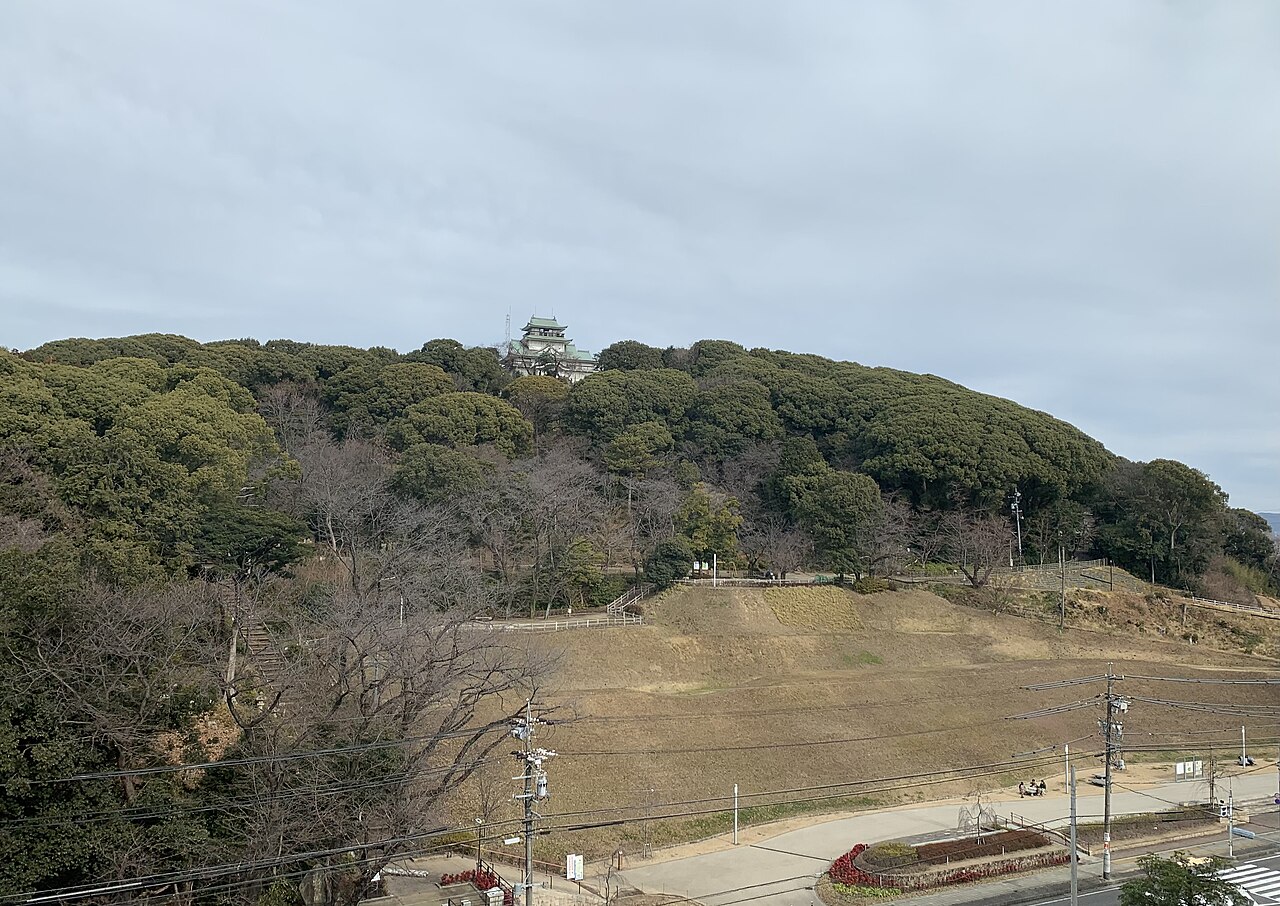
Kiyosu Castle was originally a hill castle (yamashiro), strategically positioned on a slight elevation to oversee the surrounding plains and control key transportation routes. The castle complex included multiple defensive structures such as stone walls, moats, and gates designed to repel sieges and attacks. The main keep (tenshu) was a prominent feature, although the original structure no longer survives.
The castle grounds were organized with courtyards and residential quarters for samurai retainers and administrative officials. The layout reflected typical Sengoku-period military architecture, balancing defense with functionality and governance.
The castle's role in Japan's unification
During Nobunaga's tenure, Kiyosu Castle was not only a military base but also a political hub where alliances were forged and strategies planned. From this stronghold, Nobunaga launched campaigns that subdued neighboring provinces and rival clans, setting the stage for the eventual unification of Japan under the Tokugawa shogunate.
After Nobunaga's death in 1582, the castle's importance declined as power shifted to Nagoya Castle, constructed by Tokugawa Ieyasu to serve as the new administrative center of Owari Province. Many of Kiyosu's materials were repurposed for Nagoya Castle, leading to the former's gradual decline.
Modern restoration and cultural significance
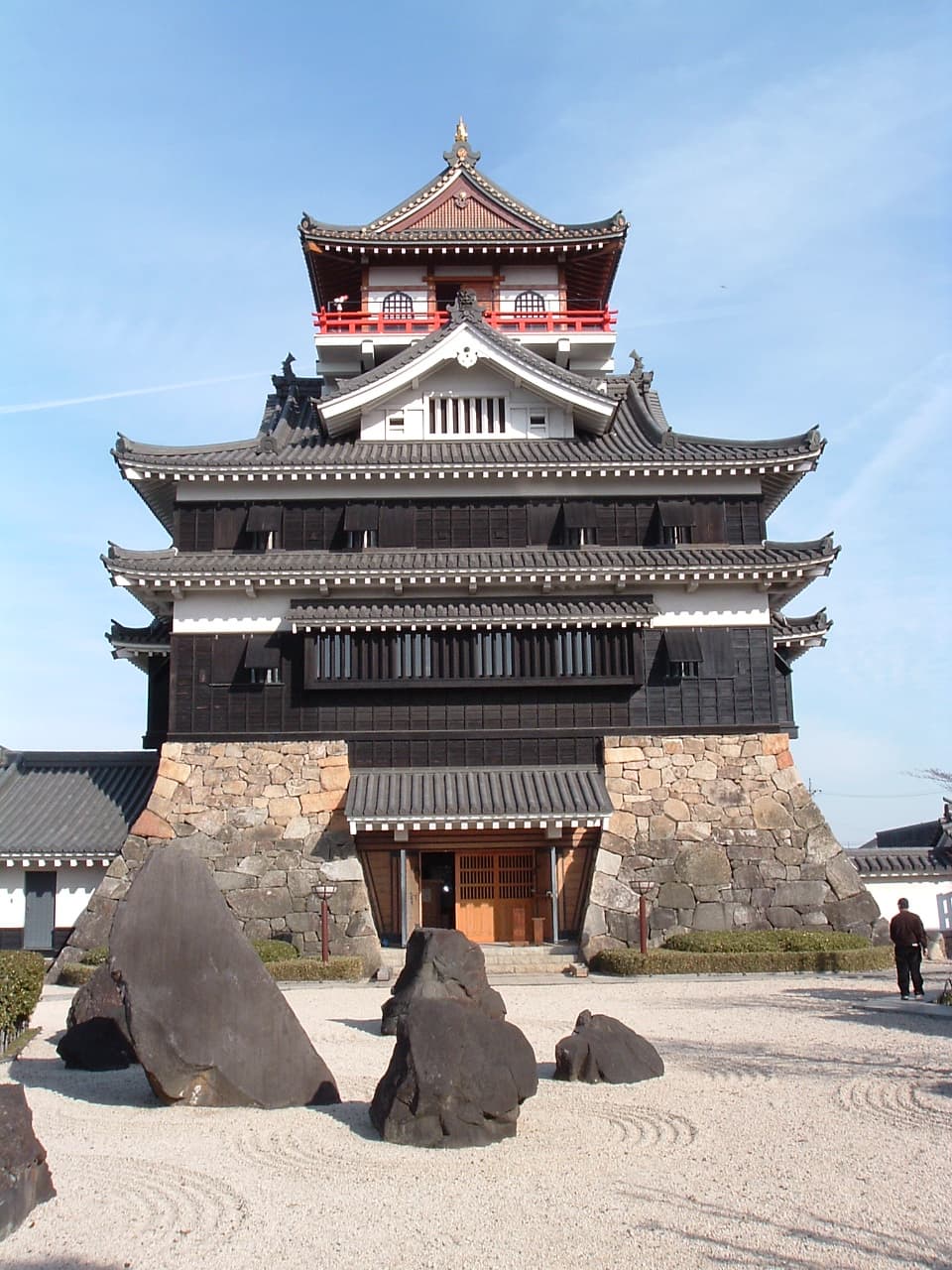
Today, Kiyosu Castle has been partially reconstructed to preserve its historical legacy and to serve as a cultural landmark. The current structure is a faithful reproduction based on historical records and archaeological findings, featuring a restored main keep and museum exhibits that showcase the castle's history and Nobunaga's legacy.
The castle attracts visitors interested in Japan's feudal past, military architecture, and the dramatic history of the Sengoku period. Its proximity to Nagoya makes it an accessible destination for those seeking to explore the roots of one of Japan's most famous warlords.
Visitor experience and attractions
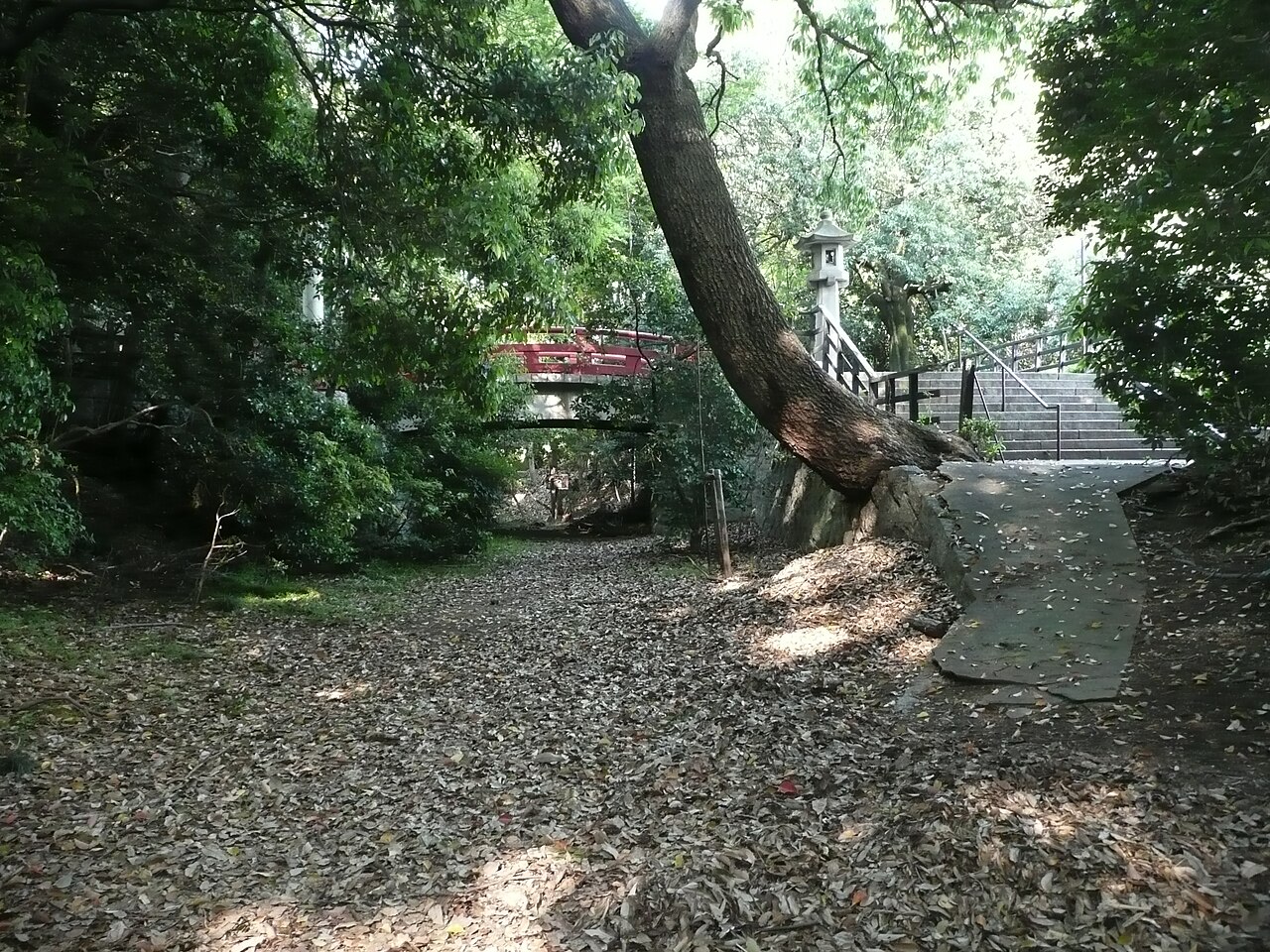
The castle grounds include reconstructed gardens and walking paths, providing scenic views and a glimpse into the lifestyle of samurai-era Japan. Exhibits inside the castle display artifacts, historical documents, and detailed models of the castle's original design and Nobunaga's campaigns.
Seasonal events and cultural festivals are held at the site, celebrating traditional Japanese arts and the enduring legacy of the Oda clan. The castle serves as an educational resource, offering insights into the complexities of Sengoku-era politics and warfare.
Legacy of Oda Nobunaga and Kiyosu Castle
Oda Nobunaga's association with Kiyosu Castle cements its place in Japanese history as a symbol of ambition, innovation, and the relentless pursuit of power. The castle's role in the unification of Japan marks it as a key landmark in the narrative of the country's transition from fractured feudal states to a centralized government.
As a testament to the architectural ingenuity and strategic military planning of the period, Kiyosu Castle remains a compelling site for historians, architects, and visitors alike, offering a tangible connection to a transformative epoch in Japan's past.
Frequently asked questions (FAQ)
- What is the historical significance of Kiyosu Castle?
- Kiyosu Castle, built in the late 16th century, played a crucial role during the Sengoku period as a strategic military base. It was the site where the famous warlord Oda Nobunaga established his power before moving to Azuchi Castle. Today, it stands as a symbol of Japan's feudal history and is a popular destination for history enthusiasts.
- When is the best time to visit Kiyosu Castle?
- The best time to visit Kiyosu Castle is during the cherry blossom season in spring, typically in late March to early April, when the surrounding park is adorned with blooming sakura trees. Autumn also offers a breathtaking display of colorful foliage. Visiting during these seasons enhances the castle's picturesque scenery.
- Can I access Kiyosu Castle by public transportation?
- Yes, Kiyosu Castle is easily accessible by public transportation. Visitors can take the Meitetsu Kiyosu Line to Kiyosu Station, followed by a short walk to the castle. This convenient access makes it easy for travelers to reach this historic site.
- What are the opening hours for Kiyosu Castle?
- Kiyosu Castle is open to visitors from 9:00 AM to 5:00 PM daily, with the last admission at 4:30 PM. It's advisable to check for any seasonal variations in hours or special closures before planning your visit.
- Is there an admission fee to enter Kiyosu Castle?
- Yes, there is a small admission fee to enter Kiyosu Castle. The ticket price is typically around 200 yen for adults, with discounts available for children and seniors. This affordable fee contributes to the maintenance and preservation of this historical site.
- What architectural features distinguish Kiyosu Castle?
- Kiyosu Castle features traditional Japanese castle architecture, including its distinctive multi-tiered roof and elegant wooden structures. The castle's design reflects the military and administrative functions it served during its time. Visitors can admire the restored structures and learn about the architectural techniques used in the Edo period.
- Are there nearby attractions to visit while at Kiyosu Castle?
- Yes, there are several attractions near Kiyosu Castle, including the Kiyosu City History Museum and the beautiful Kiyosu Park. Visitors can enjoy a leisurely stroll in the park, which offers scenic views of the castle and is perfect for a picnic. These nearby sites provide a fuller experience of Kiyosu's cultural heritage.
- Is Kiyosu Castle accessible for visitors with disabilities?
- Kiyosu Castle is committed to accessibility for all visitors. The castle grounds have been designed to accommodate those with mobility challenges, with ramps and paved pathways. However, some historical structures may have limited access due to their age and design; it's recommended to check in advance for specific accommodations.
Photo gallery

Information
Loading map...
Visitor reviews
No reviews yet. Been here? Write the first review and help other travelers!
Write the first reviewVisited this castle? Share your experience
Your review helps other travelers and adds first-hand knowledge to our encyclopedia.