Jōjō Castle
Jōjō Castle (上条城, Jōjō-jō) is a historically significant hirashiro, a type of Japanese castle constructed on flat plains rather than on hills or mountains. Located in Kasugai, Aichi Prefecture, this castle dates back to the early 13th century, with its construction traditionally attributed to Osaka Kouzen in 1218. Although now only ruins remain, Jōjō Castle offers valuable insights into the castle-building techniques and feudal history of Japan's High Medieval period.
Historical context and significance
The establishment of Jōjō Castle occurred during the Kamakura period, a time when Japan was transitioning from the Heian aristocratic rule to the feudal military government led by the shogunate. This era saw the rise of samurai clans and the construction of numerous castles to secure territorial control and defend against rival factions. Jōjō Castle was part of this broader trend of fortification development on the plains, which allowed for easier access to surrounding agricultural lands and trade routes.
Its location in Kasugai, near the modern city of Nagoya, placed it strategically within the Owari Province, an important region for controlling transportation and communication routes in central Japan. The castle's presence reflects the military and administrative needs of local lords during the turbulent medieval period.
Architectural features and layout
As a hirashiro, Jōjō Castle was built on flat terrain, which influenced its defensive design. Unlike mountain castles that relied on natural elevation, hirashiro required extensive man-made fortifications. Jōjō Castle likely featured moats, earthen walls, and wooden palisades to create a defensive perimeter. The castle's layout would have included a central bailey (honmaru) surrounded by multiple baileys (kuruwa) to provide layered defense.
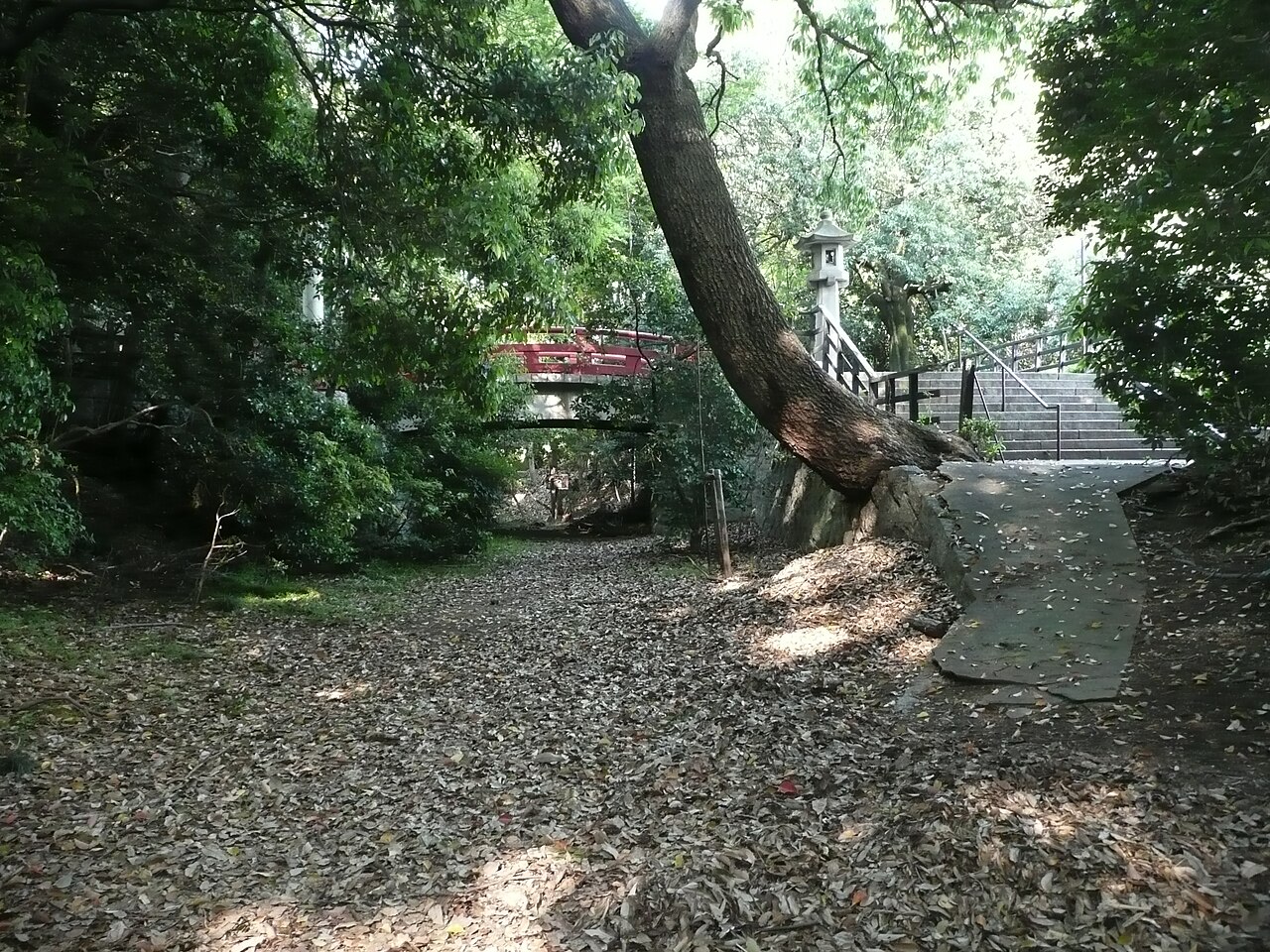
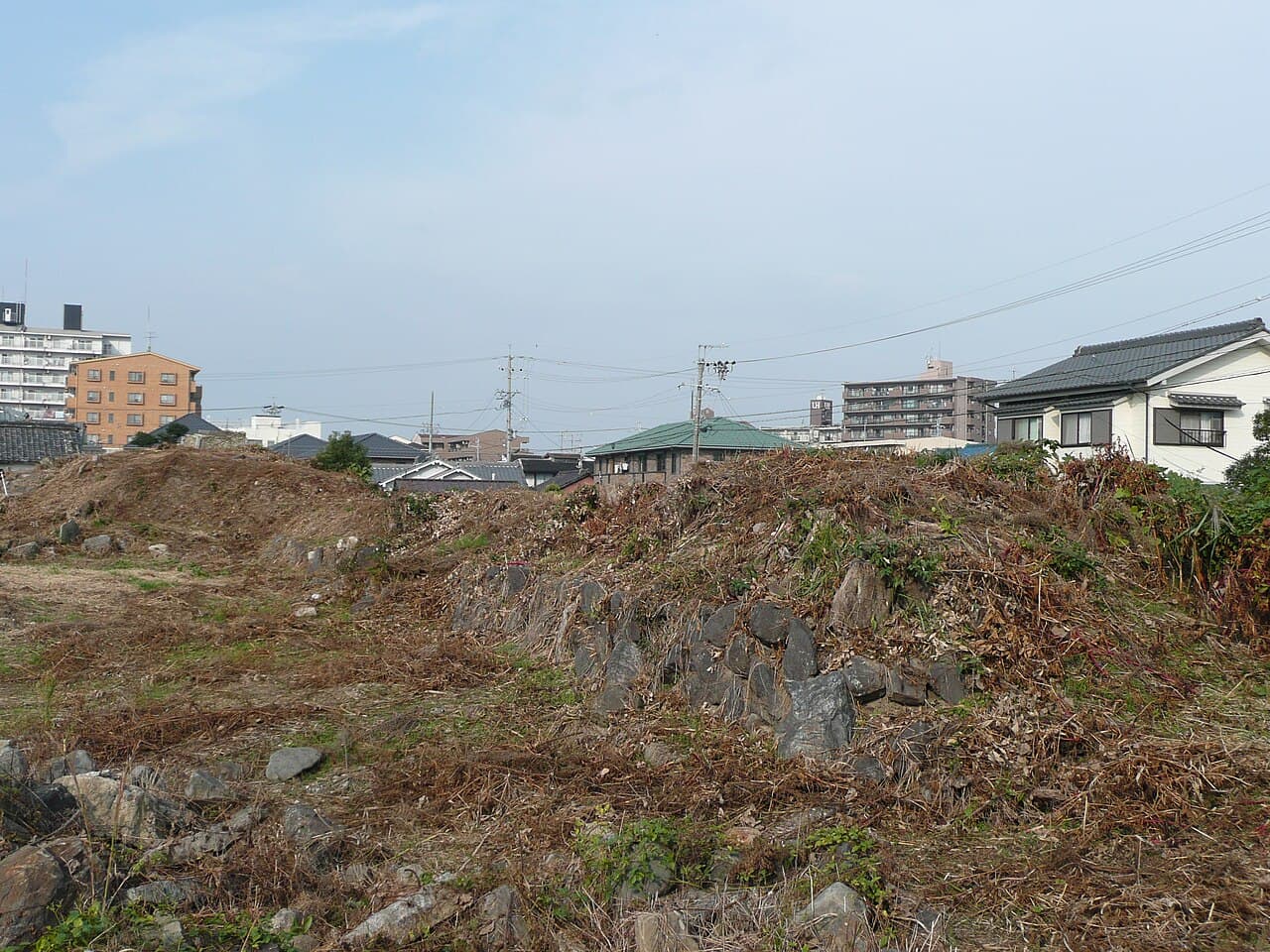
Excavations at the site have revealed remnants of these defensive structures, including traces of moats and foundation stones that suggest the presence of watchtowers and gates. The castle's design balanced military functionality with administrative and residential needs, accommodating the lord's residence, barracks, and storage facilities within its walls.
Defensive elements
The castle's moats were essential in deterring enemy advances across the flat landscape. These water-filled ditches, combined with earthen embankments, formed formidable barriers. Wooden gates and watchtowers would have been positioned at key points to monitor and control access.
Residential and administrative structures
Within the inner baileys, the lord's residence and administrative buildings were likely constructed primarily of wood, typical of the period's architecture. These structures would have included living quarters, audience halls, and storage rooms for provisions and weapons.
Decline and current status
Jōjō Castle's prominence declined as political power shifted and newer fortifications were built in the region. Over time, the castle fell into disuse and was eventually abandoned. Today, the site exists as archaeological ruins, with visible remnants of its moats and earthworks serving as a window into medieval Japanese castle construction.
The ruins are protected as a cultural heritage site, attracting historians, archaeologists, and visitors interested in Japan's feudal past. The site offers opportunities for archaeological study and public education about the strategic and architectural aspects of hirashiro castles.
Visiting Jōjō Castle ruins
The castle ruins are accessible to the public, though no significant reconstructed buildings remain. Visitors can explore the earthworks and moat outlines, gaining a sense of the castle's original scale and defensive layout. Informational signage at the site provides historical context and details about the castle's construction and use.
Kasugai's location near Nagoya makes Jōjō Castle ruins a convenient destination for those interested in medieval Japanese history and castle architecture. The site is particularly appealing for enthusiasts of archaeological sites and those seeking a quieter, less commercialized castle experience.
Photo gallery

Photo by ぺ有家音•Public domain
Information
Loading map...
Visitor reviews
No reviews yet. Been here? Write the first review and help other travelers!
Write the first reviewVisited this castle? Share your experience
Your review helps other travelers and adds first-hand knowledge to our encyclopedia.