Inuyama Castle
Inuyama Castle (犬山城, Inuyama-jō) stands as a remarkable example of Japan's feudal architecture and history, located in the city of Inuyama, Aichi Prefecture. Overlooking the Kiso River, which demarcates the border between Aichi and Gifu prefectures, this hill castle is among the few original Japanese castles that have survived centuries largely intact. Its strategic position atop a hill provided both defensive advantages and commanding views of the surrounding region, a common feature in Japanese castle construction designed to control important waterways and trade routes.
The castle's origins trace back to the Muromachi period, with initial construction believed to have been completed around 1440. This early date makes Inuyama Castle one of the oldest surviving castles in Japan, predating many famous castles built during the later Sengoku and Edo periods. Historical records, including the Engishiki from the Heian period, mention that the site originally housed the Haritsuna Shrine (also known as Harigane Shrine), a Shinto place of worship that was relocated to accommodate the castle's construction. This blend of religious and military significance highlights the layered cultural history of the site.
Architectural evolution and construction details
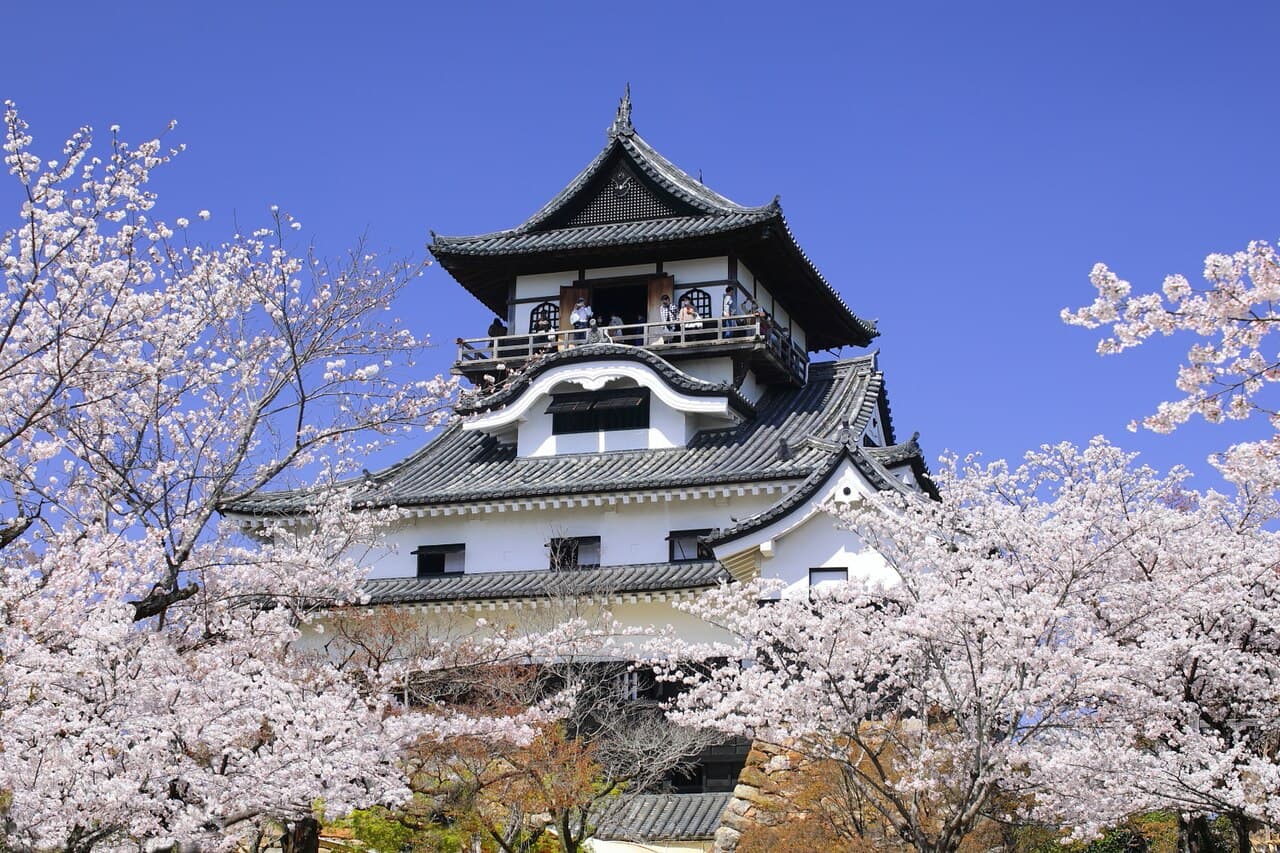
The castle as it stands today was largely established in 1537 by Oda Nobuyasu, uncle to the famous warlord Oda Nobunaga. Contrary to earlier beliefs that the main keep (tenshu) was relocated from Kanayama Castle, detailed restoration and architectural analysis conducted between 1961 and 1965 confirmed that the tenshu was constructed on site. The tenshu is a compact but robust structure, exemplifying the transitional architectural style between the medieval and early modern periods of Japan.
Construction of the main keep began in 1601 and continued until approximately 1620, reflecting the evolving military and residential needs of the ruling clans. The tenshu's design features multiple stories with layered roofs and defensive elements such as narrow windows for archers and thick wooden beams. The castle complex includes stone walls, moats, and gates that together form a formidable defense system typical of hill castles of the period.
Unique architectural features
- The tenshu is one of the few original wooden keeps remaining in Japan, notable for its compact size and elevated position.
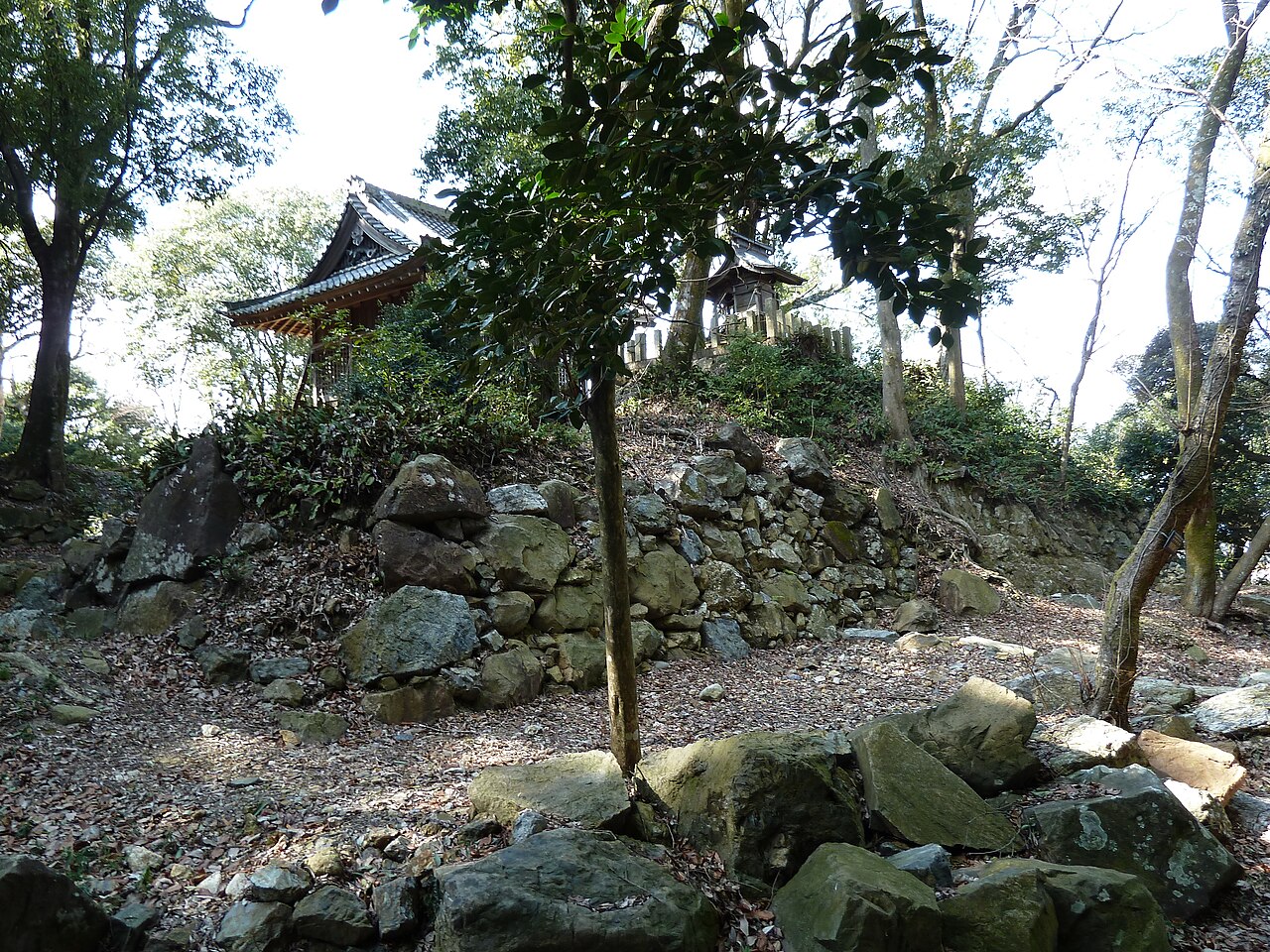
- The castle’s stone foundation is skillfully constructed to withstand earthquakes and erosion, a testament to the advanced engineering of the era.
- Defensive features include battlements and arrow slits that allowed defenders to repel attackers effectively.
Historical significance and ownership
Inuyama Castle played a significant role during the turbulent Sengoku period and into the Edo period. After the fall of the Odawara stronghold, Toyotomi Hideyoshi stationed Ishikawa Sadakiyo at the castle to secure the region. Following the decisive Battle of Sekigahara in 1600, the castle changed hands to the Matsudaira clan, with Ogasawara Yoshitsugu and later the Naruse family governing it. The Naruse clan maintained control for centuries, making Inuyama Castle unique as one of the few privately owned castles in Japan.
The castle was seized by the Meiji government during the Meiji Restoration as part of efforts to centralize power and modernize Japan. It suffered damage during the Great Nōbi earthquake of 1891, after which it was returned to the Naruse family in 1895 under the condition they restore and maintain the structure. This agreement helped preserve the castle through the 20th century.
In 2004, ownership was transferred to a foundation established by the Aichi Prefecture Board of Education, ensuring its continued preservation as a cultural and historical landmark. The castle's tenshu has been designated a National Treasure of Japan, underscoring its architectural and historical importance.
Cultural and touristic importance
Today, Inuyama Castle is a popular destination for visitors interested in Japan's feudal past and architectural heritage. Its well-preserved condition allows visitors to experience an authentic glimpse of a 16th-century hill castle. Tourists can explore the main keep, climb to the top for panoramic views of the Kiso River and surrounding landscape, and enjoy exhibits detailing the castle’s history.
The castle's proximity to major cities such as Nagoya and Gifu makes it accessible for day trips, often combined with visits to nearby cultural sites. The surrounding town of Inuyama also offers traditional shops, festivals, and other attractions that complement a castle visit.
Visitor experience and amenities
- The castle grounds include a museum showcasing artifacts and historical documents related to the castle and its former residents.
- Guided tours are available, providing insights into the castle’s architecture and historical context.
- Seasonal events and festivals often take place on the castle grounds, enhancing cultural appreciation.
Preservation and restoration efforts
Inuyama Castle has undergone several restoration projects, most notably the extensive dismantling and rebuilding of the tenshu in the 1960s. These efforts have ensured the structural integrity and authenticity of the castle, preserving original materials and construction techniques where possible. The castle's resilience through natural disasters and political upheavals highlights the dedication to its conservation.
Current management by a foundation under the Aichi Prefecture Board of Education focuses on maintaining the castle as a living museum and cultural treasure. Preservation strategies include regular maintenance, earthquake-proofing measures, and educational programs to raise awareness of the castle’s significance.
Frequently asked questions (FAQ)
- How do I get to Inuyama Castle?
- Inuyama Castle is easily accessible by public transport. You can take the Meitetsu Inuyama Line from Nagoya Station to Inuyama Station, which takes about 30 minutes, and then a short walk will lead you to the castle.
- What is the historical significance of Inuyama Castle?
- Inuyama Castle, built in the late 16th century, is one of Japan's oldest castles and is designated as a National Important Cultural Property. It played a significant role during the Sengoku period and offers insight into Japan's feudal history.
- When was Inuyama Castle constructed?
- Inuyama Castle was constructed in 1537 by the warlord Naruse Masashige. It has undergone several renovations over the centuries, preserving its original architectural style while enhancing its historical value.
- Can I enter the castle keep?
- Yes, visitors can enter the castle keep, which provides stunning views of the surrounding area and the Kiso River. Inside, you can explore exhibits that showcase the castle's history and architectural features.
- Why is Inuyama Castle considered an architectural gem?
- Inuyama Castle is renowned for its unique wooden structure and its well-preserved keep, which features a combination of traditional Japanese and military architectural styles. Its design has influenced many other castles throughout Japan.
- Is it possible to visit Inuyama Castle year-round?
- Yes, Inuyama Castle is open to visitors year-round, but it’s best to check for any specific seasonal events or maintenance days that may affect opening hours. The castle is particularly beautiful during cherry blossom season in spring.
- What are the opening hours for Inuyama Castle?
- Inuyama Castle is typically open from 9:00 AM to 5:00 PM, with last admissions at 4:30 PM. However, hours may vary depending on the season, so it’s advisable to check the official website before your visit.
- What are the ticket prices for Inuyama Castle?
- As of now, the entrance fee for Inuyama Castle is 550 yen for adults and 200 yen for children. Discounts may be available for groups, so it's worth inquiring at the ticket counter upon arrival.
- What nearby attractions should I visit while in Inuyama?
- While visiting Inuyama Castle, you can also explore the nearby Urakuen Garden, known for its beautiful tea house and seasonal flowers. Additionally, the Inuyama Jokamachi, a preserved historical area, offers charming streets filled with shops and traditional architecture.
Photo gallery

Information
Sources & official resources
Verify the information above using these authoritative references.
Loading map...
Visitor reviews
No reviews yet. Been here? Write the first review and help other travelers!
Write the first reviewVisited this castle? Share your experience
Your review helps other travelers and adds first-hand knowledge to our encyclopedia.