Bombay Castle
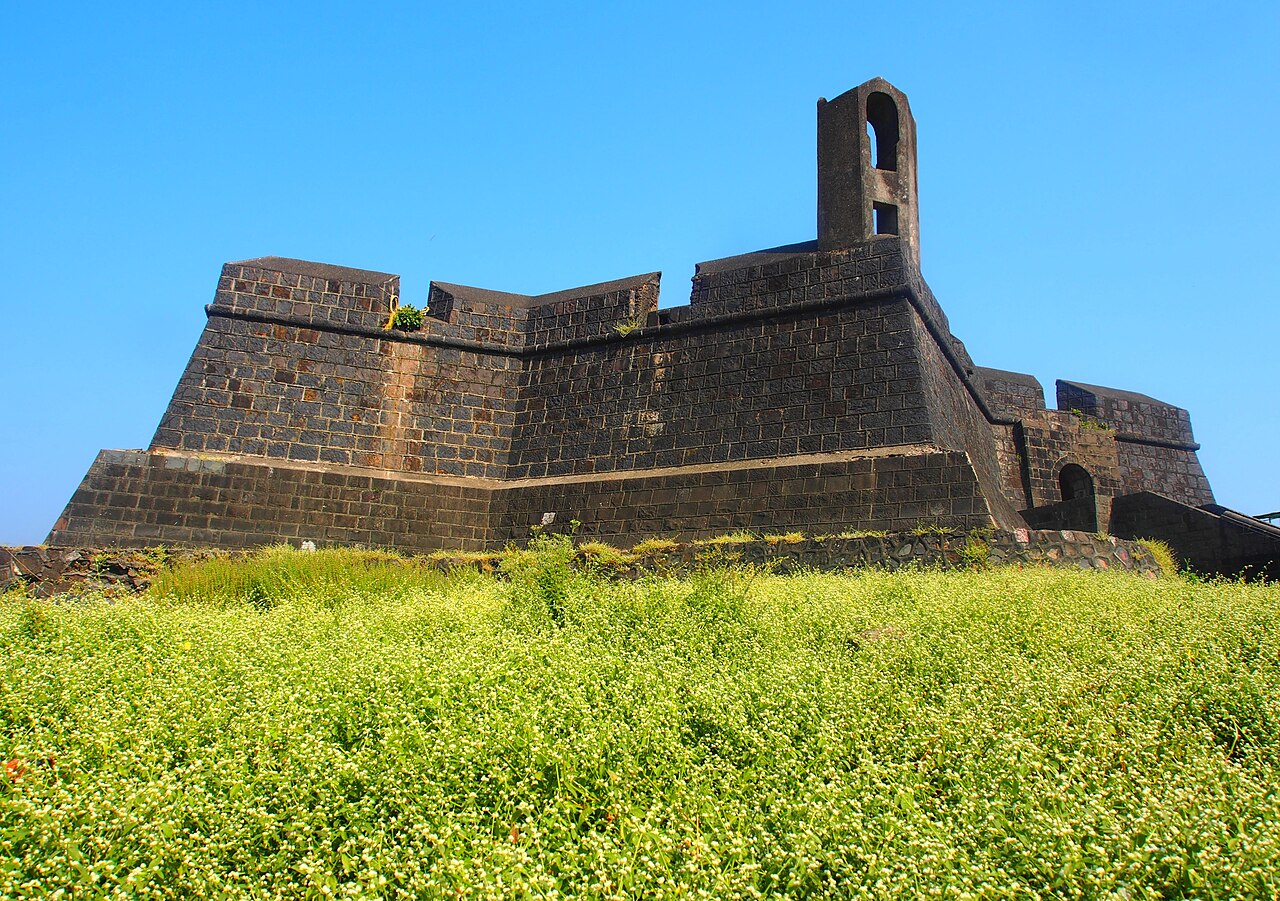
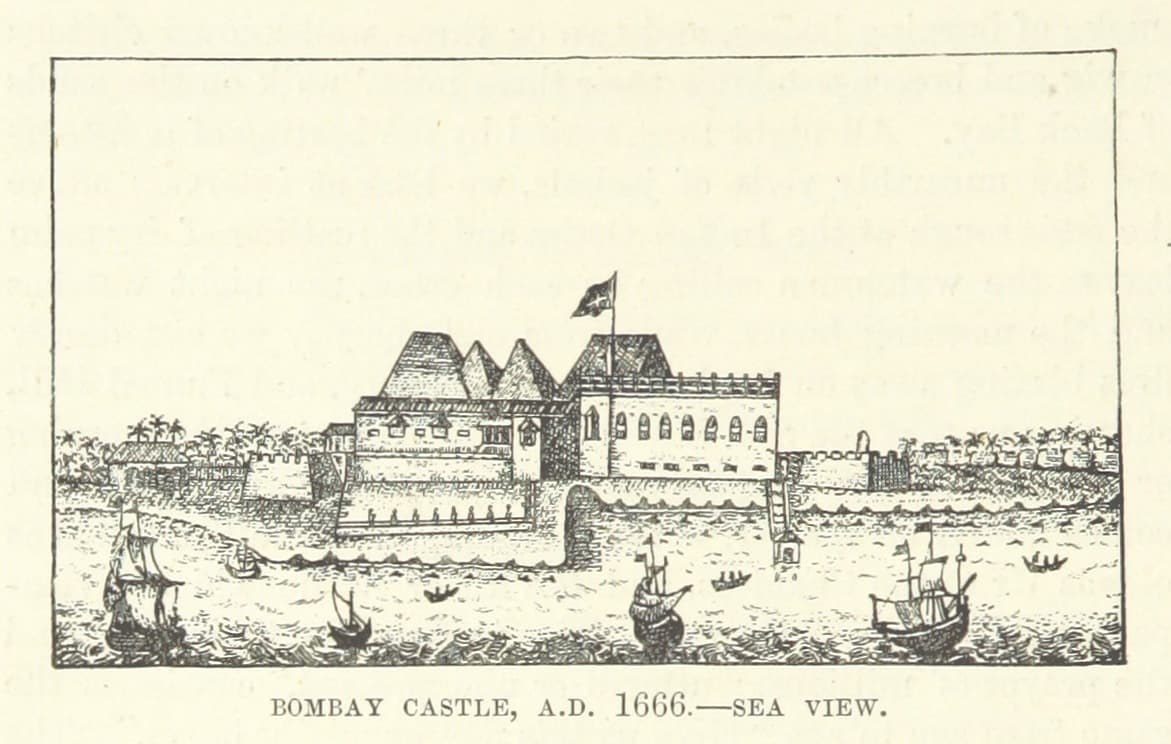
Bombay Castle, also known historically as Casa da Orta, stands as one of the oldest surviving defensive structures in Mumbai, India. This hill castle was constructed by the British East India Company on the site of an earlier manor house established by the Portuguese nobleman Garcia de Orta in the mid-16th century. Orta leased the island of Bombay from the Portuguese crown between 1554 and 1570, marking the beginning of European influence on the island's fortifications.
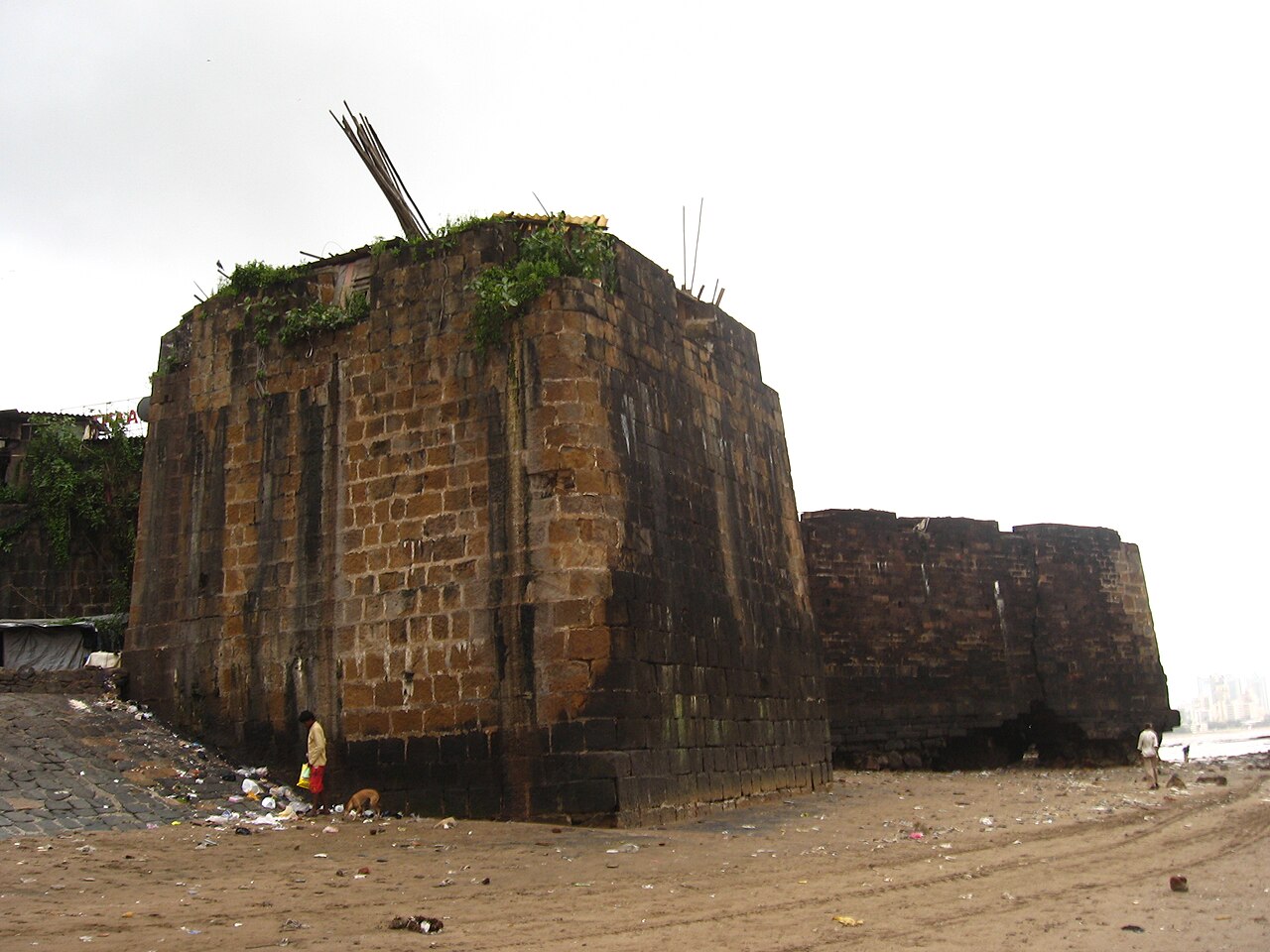
The castle was primarily built using indigenous materials, including blue Kurla stone and red laterite stone sourced from the nearby Konkan region. After the British acquired the islands in 1665, the East India Company took formal possession of the castle in 1668. Over the following decade, the Company expanded the original manor into a fortified structure to protect their strategic interests in the region.
Architectural layout and defensive features
Bombay Castle was originally fortified with four bastions, three of which were surrounded entirely by water, enhancing its defensive capabilities. These bastions were named the Flag Staff Bastion, where the British flag was prominently hoisted; the Flower Tree Bastion; the Tank Bastion; and the Brab Tree Bastion, which faced west and was named after a nearby brab tree.
The castle's fortifications included thick walls constructed from local stone, designed to withstand attacks from both land and sea. The surrounding water bodies acted as natural moats, making direct assaults difficult. The layout reflects typical 17th-century colonial military architecture, adapted to the local geography and available materials.
Historical significance and evolution
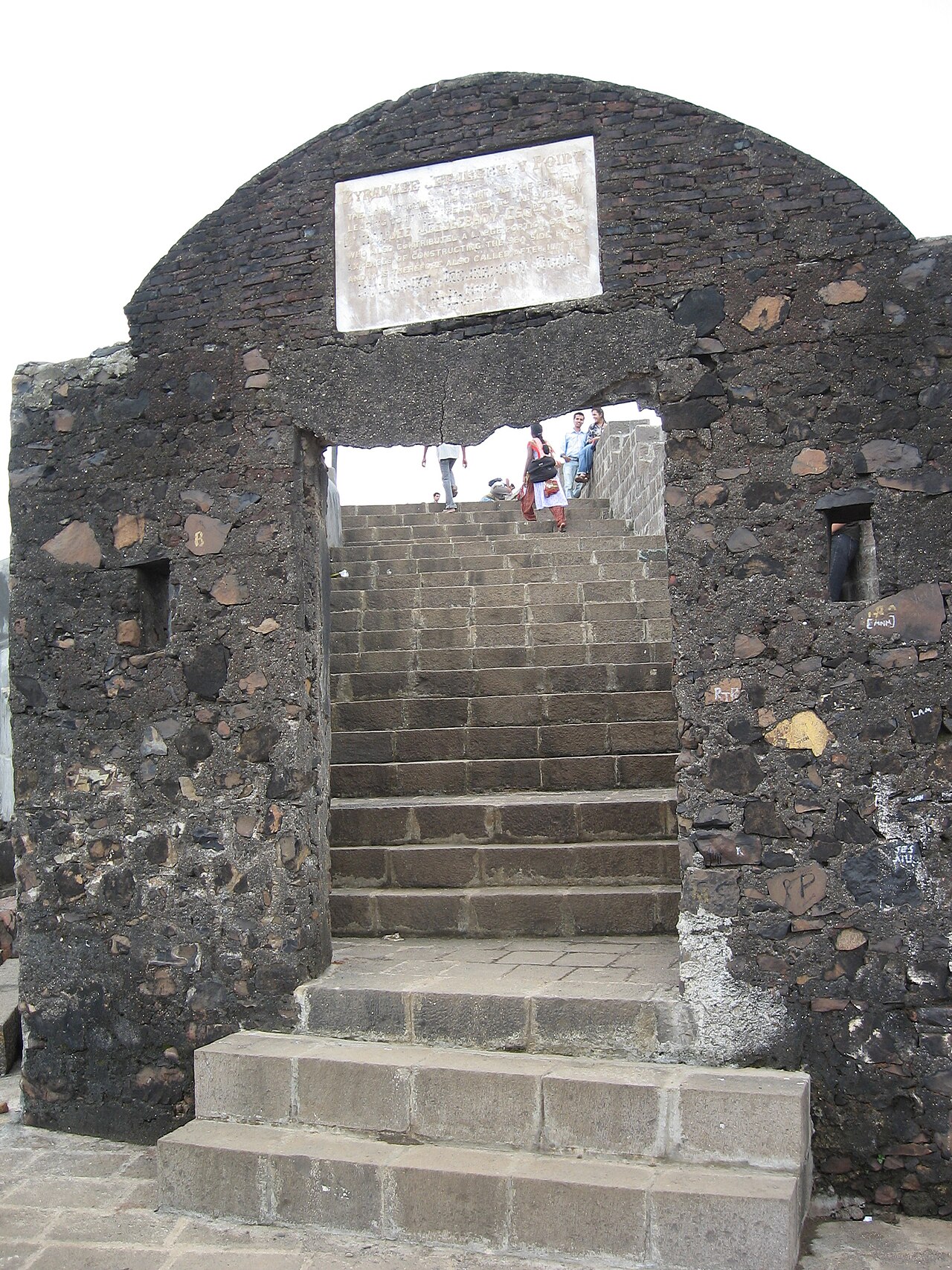
The original Portuguese manor house, built by Garcia de Orta, has left few physical traces, and historians continue to study archival records to determine its exact location within the current fort complex. Notably, two gates from the original manor are preserved within INS Angre, a naval base in South Mumbai. A unique Portuguese-era sundial also survives, notable for marking specific periods of the day important to the inhabitants rather than the full twelve-hour cycle.
The castle served as the residence of the British governors of Bombay, including Gerald Aungier, the second Governor of Bombay, who resided in the main building known as the Governor's House. Over time, the governor's residence was relocated first to Parel and later to Malabar Hill, where the Raj Bhavan now stands as the official residence of the Governor of Maharashtra.
Modern use and preservation
Today, Bombay Castle remains a well-preserved example of colonial military architecture within Mumbai. The main building currently houses the offices of the Flag Officer Commanding-in-Chief Western Naval Command, reflecting its continued strategic importance. The surrounding bastions and fort walls, though integrated into the modern urban fabric, retain much of their original character.
The castle's location within a naval station limits public access, but its historical and architectural significance is recognized by scholars and heritage organizations. Efforts to preserve and study the site continue, highlighting its role in the colonial history of Mumbai and its transformation from a Portuguese manor to a British fortification.
Materials and construction techniques
The use of blue Kurla stone and red laterite stone demonstrates the adaptation of local resources in the castle's construction. These materials provided durability and resistance to the coastal climate. The masonry techniques reflect a blend of European fortification methods and indigenous building practices, resulting in a robust structure suited to the tropical environment.
The bastions and water defenses
The castle's bastions were strategically placed to cover approaches from both land and sea. The three water-surrounded bastions functioned as natural barriers, while the Brab Tree Bastion faced the western landward side. These features illustrate the integration of natural topography into the defensive design, a common practice in colonial fortifications of the period.
The governor's house and internal structures
The Governor's House was the central administrative and residential building within the castle. It was designed to accommodate the governor and his staff, with rooms for official functions and private quarters. The building's architecture combined practical military considerations with the comfort expected by colonial administrators.
The castle's place in mumbai's urban development
As Mumbai grew from a collection of islands into a major metropolis, Bombay Castle played a pivotal role in the city's early defense and administration. Its location on a hill provided strategic oversight of the harbor and surrounding areas. The castle's fortifications influenced the layout of the surrounding city, with roads and neighborhoods developing around the historic site.
The transition from Portuguese to British control marked a significant shift in the region's political and economic landscape, with the castle symbolizing this change. Today, the site stands as a reminder of Mumbai's colonial past and its evolution into a modern urban center.
Frequently asked questions (FAQ)
- When was Bombay Castle originally built and by whom?
- Bombay Castle was originally built in the 16th century by the Portuguese nobleman Garcia de Orta, who leased the island of Bombay from the King of Portugal between 1554 and 1570.
- What materials were used in the construction of Bombay Castle?
- The castle was constructed using local blue Kurla stone and red laterite stone from the Konkan region, reflecting the use of indigenous materials adapted for the coastal climate.
- Can visitors access Bombay Castle today?
- Bombay Castle is located within a naval station and is not generally open to the public, as it currently houses the offices of the Flag Officer Commanding-in-Chief Western Naval Command.
- What are the key defensive features of Bombay Castle?
- The castle features four bastions, three surrounded by water, including the Flag Staff Bastion, Flower Tree Bastion, Tank Bastion, and Brab Tree Bastion, designed to protect against land and sea attacks.
- Who was Gerald Aungier and what was his connection to Bombay Castle?
- Gerald Aungier was the second Governor of Bombay and resided in the Governor's House within Bombay Castle during the late 17th century.
Photo gallery

Information
Current owner
Indian Navy
Loading map...
Visitor reviews
No reviews yet. Been here? Write the first review and help other travelers!
Write the first reviewVisited this castle? Share your experience
Your review helps other travelers and adds first-hand knowledge to our encyclopedia.