Kokura Castle
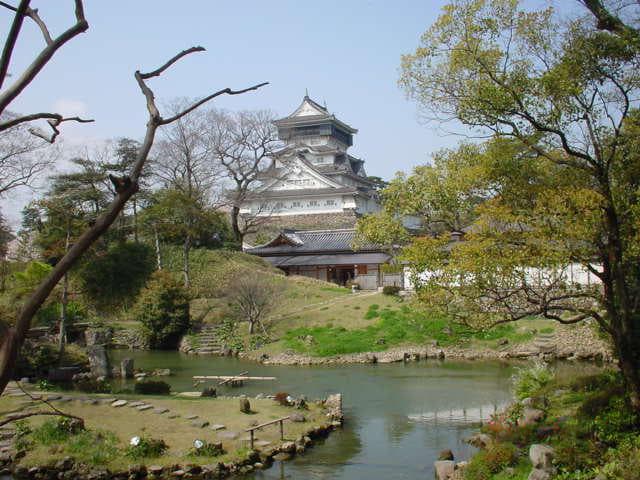
Kokura Castle (小倉城, Kokura-jō) stands as a prominent example of a hill castle located in Kitakyushu, Japan. Originally established in 1569, the castle's current main structure dates from the early 17th century, specifically 1602, when the renowned daimyo Tadaoki Hosokawa undertook the construction of a more substantial and fortified replacement on the site. This period aligns with the early Edo era, a time when castle building in Japan was characterized by strategic military architecture combined with residential functions for feudal lords.
Historical background and significance
The site of Kokura Castle has a history that predates the current structure, with the first fortifications erected in the late 16th century. The castle was built during a time of frequent military conflict and political consolidation in Japan, serving as a strategic stronghold in the northern part of Kyushu island. The Hosokawa clan, who were influential daimyo during the Edo period, played a crucial role in the castle's development and regional governance.
Kokura Castle was an important administrative center and military base, overseeing the surrounding domain. Its location on a hill provided natural defensive advantages, allowing control over key transportation routes and the nearby Kokura River. The castle's prominence continued through the Edo period, reflecting the power and status of its ruling family.
Architectural features and design
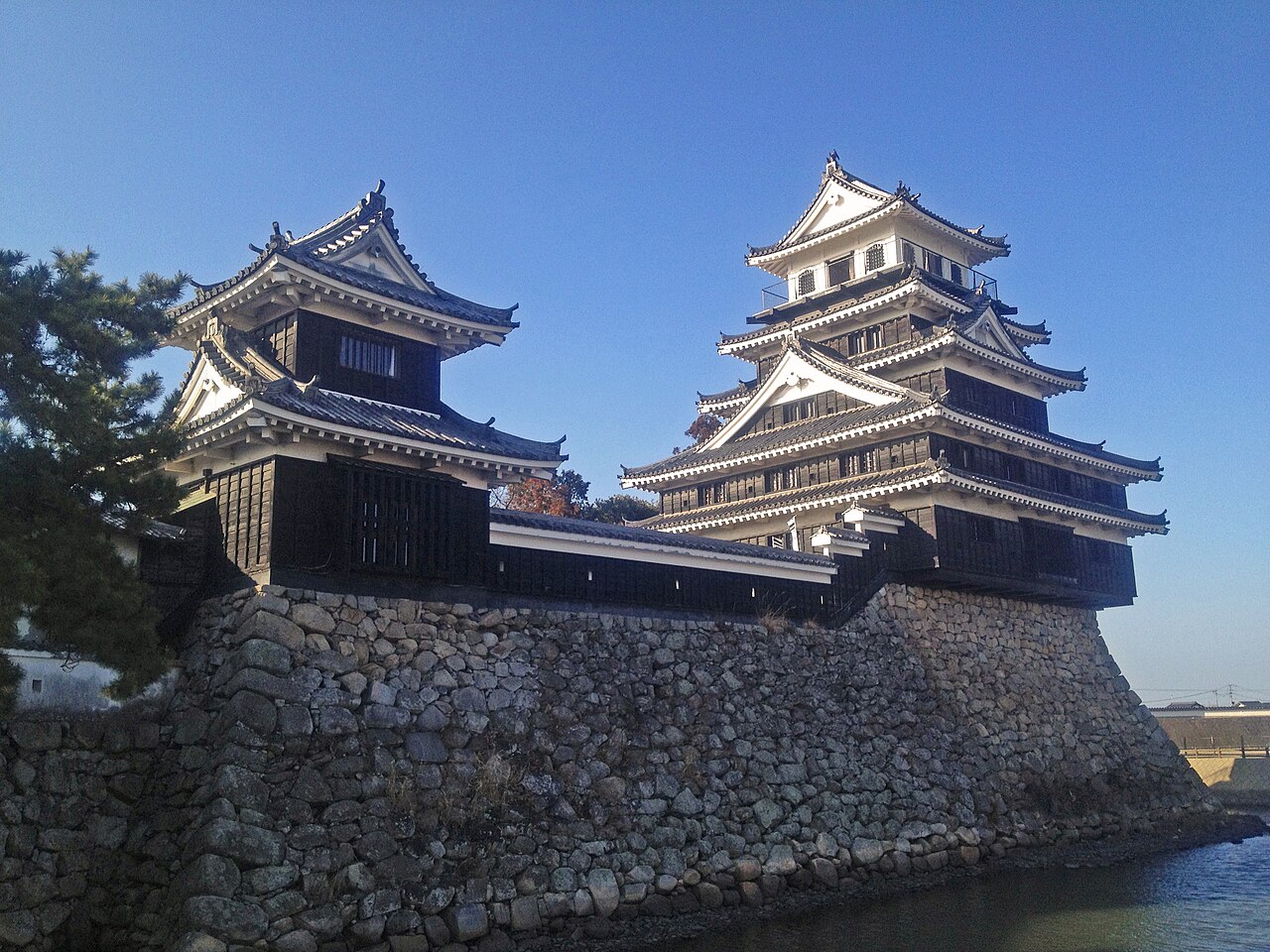
The castle's main keep, or tenshu, is a five-story structure that exemplifies typical Japanese castle architecture of the early Edo period. The tenshu features curved, tiled roofs and white plaster walls, which were common defensive and aesthetic elements. The castle complex originally included multiple baileys, stone walls, gates, and moats, designed to repel attackers and protect the lord's residence.
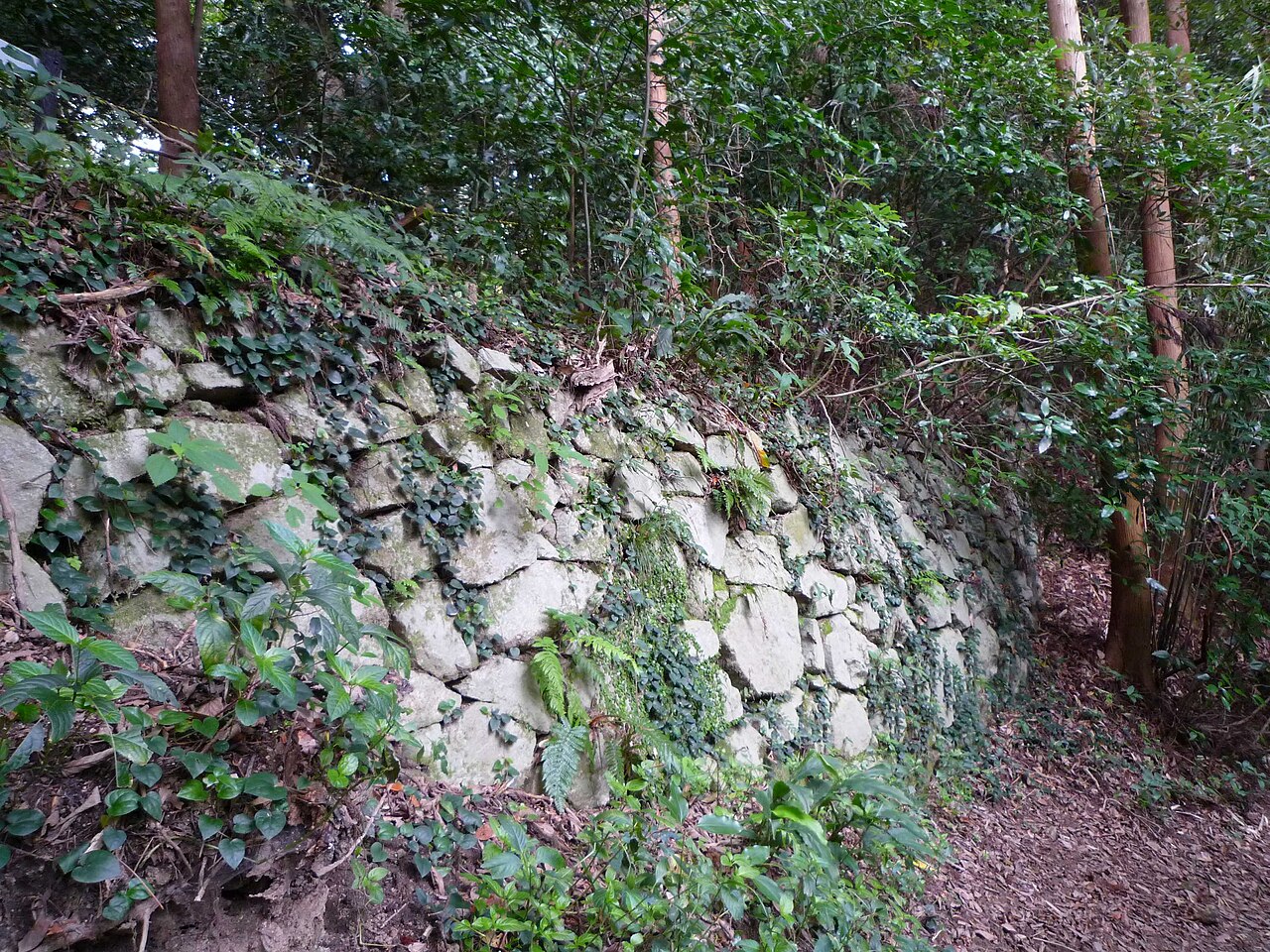
The stone foundation is notable for its precise fitting and sloped design, which helped to prevent scaling by enemies and resist earthquakes. The castle grounds also contained watchtowers and turrets positioned strategically along the walls for surveillance and defense.
Despite various destructions and reconstructions over the centuries, Kokura Castle retains much of its original layout and structural style. The current main keep was reconstructed in 1959 using concrete, replicating the original appearance while incorporating modern materials. This reconstruction has made Kokura Castle one of the tallest existing castle keeps in Japan, ranking sixth in height as of 2021.
Cultural and modern significance
Today, Kokura Castle serves as a cultural landmark and tourist attraction in Kitakyushu. The castle grounds have been developed into a public park, providing visitors with scenic views and access to historical exhibits. Inside the reconstructed keep, a museum offers insights into the castle's history, the Hosokawa clan, and the broader context of Japanese feudal architecture and society.
The castle hosts seasonal events and festivals, celebrating traditional Japanese culture and the legacy of the Edo period. Kokura Castle's preservation and presentation contribute to the understanding of Japan's architectural heritage and feudal history.
Construction period and architectural style
The castle was constructed during the early Edo period, which is often considered part of Japan's broader Renaissance in castle building, marked by advances in fortification techniques and aesthetic refinement. The architectural style of Kokura Castle reflects Japanese castle design principles of the time, emphasizing both defensive capability and the symbolic power of the daimyo.
While it does not conform to European Renaissance styles, the term 'Renaissance' here aligns with the period of cultural and architectural flourishing in Japan during the early 17th century. The castle's design includes elements typical of Japanese feudal castles such as stone bases, wooden superstructures, and multi-tiered roofs.
Preservation and current condition
Kokura Castle is classified as a restored castle, with its main keep rebuilt in the mid-20th century. The restoration efforts aimed to faithfully replicate the original design, using modern materials to ensure durability. The castle is well-preserved as a historical site, with ongoing maintenance to protect its structures and grounds.
The castle's status as a public museum and park ensures accessibility for visitors and supports educational programs about Japanese history and architecture. Preservation initiatives continue to focus on maintaining the castle's historical integrity while accommodating modern tourism.
Visitor information and accessibility
Kokura Castle is open to the public, with the museum inside the tenshu providing detailed exhibitions. The castle grounds are accessible year-round, with special events held seasonally. Visitors can explore the castle's exterior fortifications, gardens, and the museum's collection of artifacts.
The site is accessible by public transportation from central Kitakyushu, making it a convenient destination for tourists interested in Japanese history and architecture.
Frequently asked questions (FAQ)
- What is the historical significance of Kokura Castle?
- Kokura Castle, originally built in the early 17th century, played a crucial role in the region's defense during the Edo period. It served as the seat of the Kokura Domain and reflects the architectural style and military strategies of its time.
- When was Kokura Castle built?
- Kokura Castle was constructed in 1602 and completed in 1608. It has undergone various restorations and renovations over the centuries, preserving its historical integrity while adapting to modern standards.
- What are the opening hours for Kokura Castle?
- Kokura Castle is typically open from 9:00 AM to 5:30 PM, with last entry at 5:00 PM. It's advisable to check the official website for any seasonal changes or special events that may affect these hours.
- Can I access Kokura Castle with public transportation?
- Yes, Kokura Castle is easily accessible via public transportation. Visitors can take a train to Kokura Station, which is just a short walk away from the castle, making it convenient for those traveling without a car.
- What is the best time to visit Kokura Castle?
- The best time to visit Kokura Castle is during the cherry blossom season in spring or the autumn foliage season. These periods showcase the castle’s stunning surroundings and enhance the overall experience.
- Is it possible to enter the castle's main keep?
- Yes, visitors can enter the main keep of Kokura Castle, which houses a museum with historical exhibits and panoramic views of the surrounding area. The interior offers a glimpse into the castle's rich history and architectural features.
- Are there any nearby attractions to Kokura Castle?
- Yes, nearby attractions include the Kokura Castle Garden, which features beautiful landscapes, and the Riverwalk Kitakyushu, a shopping and entertainment complex. These locations complement your visit and offer additional cultural experiences.
- What are the ticket prices for Kokura Castle?
- The admission fee for Kokura Castle is generally very affordable, around 350 yen for adults and free for children under 15. Discounts may apply for groups, so check the ticketing information upon arrival.
Photo gallery

Photo by No machine-readable author provided. Historian~commonswiki assumed (based on copyright claims).•CC BY 2.5
Information
Loading map...
Visitor reviews
No reviews yet. Been here? Write the first review and help other travelers!
Write the first reviewVisited this castle? Share your experience
Your review helps other travelers and adds first-hand knowledge to our encyclopedia.