Najima Castle
Najima Castle (名島城, Najima-jō) is a prominent example of a hilltop castle (yamajiro) located in Fukuoka City, within Fukuoka Prefecture, Japan. Constructed in the 16th century, during the late Sengoku period, this castle served as a strategic military stronghold overseeing important land and sea routes in northern Kyushu. Although today only the ruins remain, Najima Castle's remnants offer valuable insights into the defensive architecture and feudal history of the region.
Historical context and significance
Najima Castle was built in the turbulent era of the 16th century, a time marked by frequent conflicts among regional warlords vying for control over Kyushu and broader Japan. It was originally constructed by the Ouchi clan, a powerful family influential in western Japan, to fortify their presence in northern Kyushu. The castle's position on a hill provided a commanding vantage point for monitoring maritime traffic and defending against rival clans, including the rising power of the Shimazu clan to the south.
Throughout its history, Najima Castle changed hands multiple times, reflecting the shifting alliances and power struggles of the Sengoku period. It played a role in regional conflicts until the unification efforts by Toyotomi Hideyoshi, who sought to consolidate control over Kyushu in the late 16th century. After the establishment of the Tokugawa shogunate, the castle gradually lost military importance and was eventually abandoned.
Architectural features and layout
Najima Castle exemplifies the characteristics of a hilltop castle, strategically utilizing the natural terrain for defense. The castle was constructed on a steep hill overlooking the surrounding plains and the Sea of Japan, allowing defenders to observe approaching enemies from a distance. Its layout included multiple baileys (courtyards) arranged in terraces, connected by stone walls and earthen ramparts.
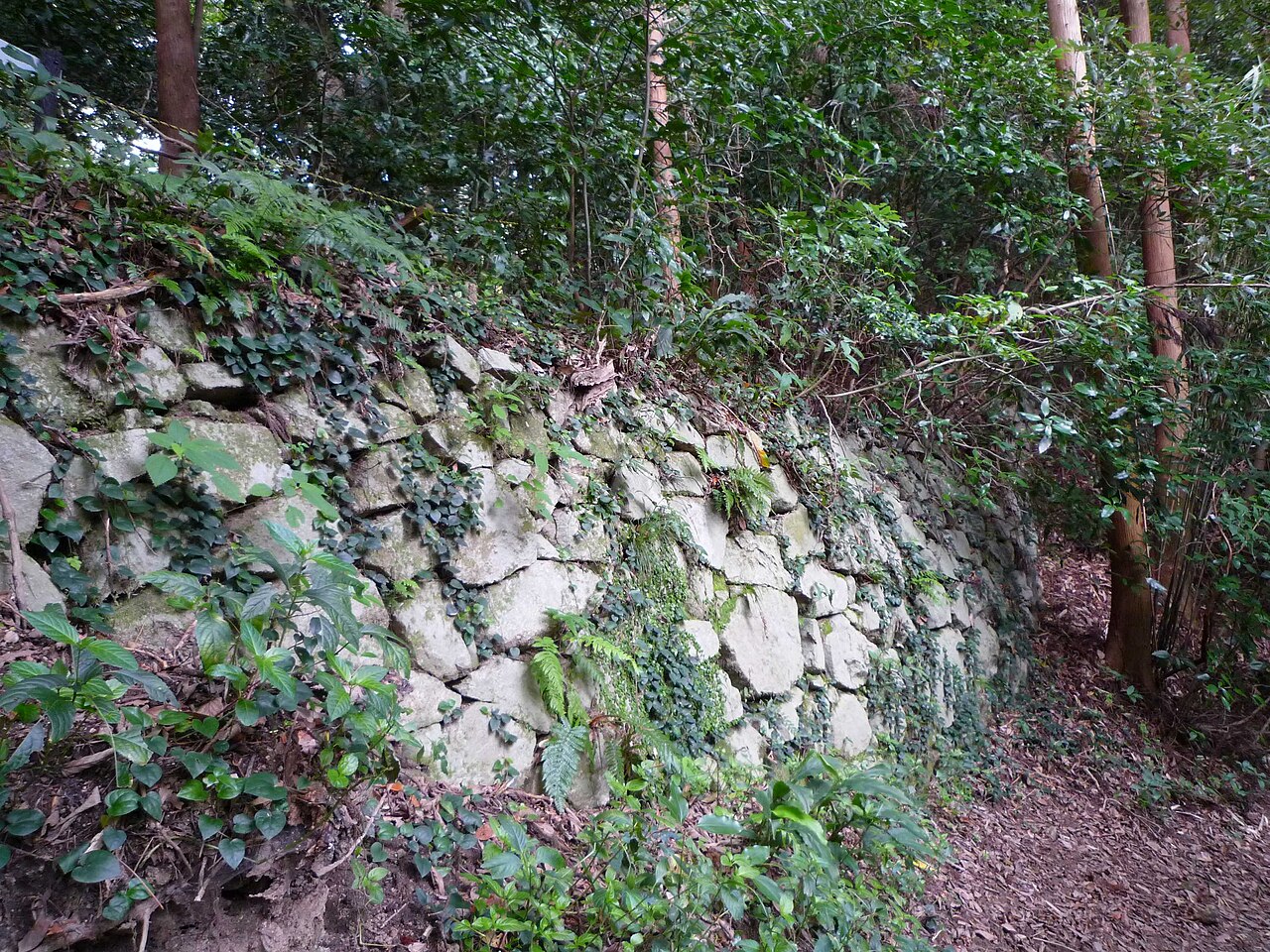
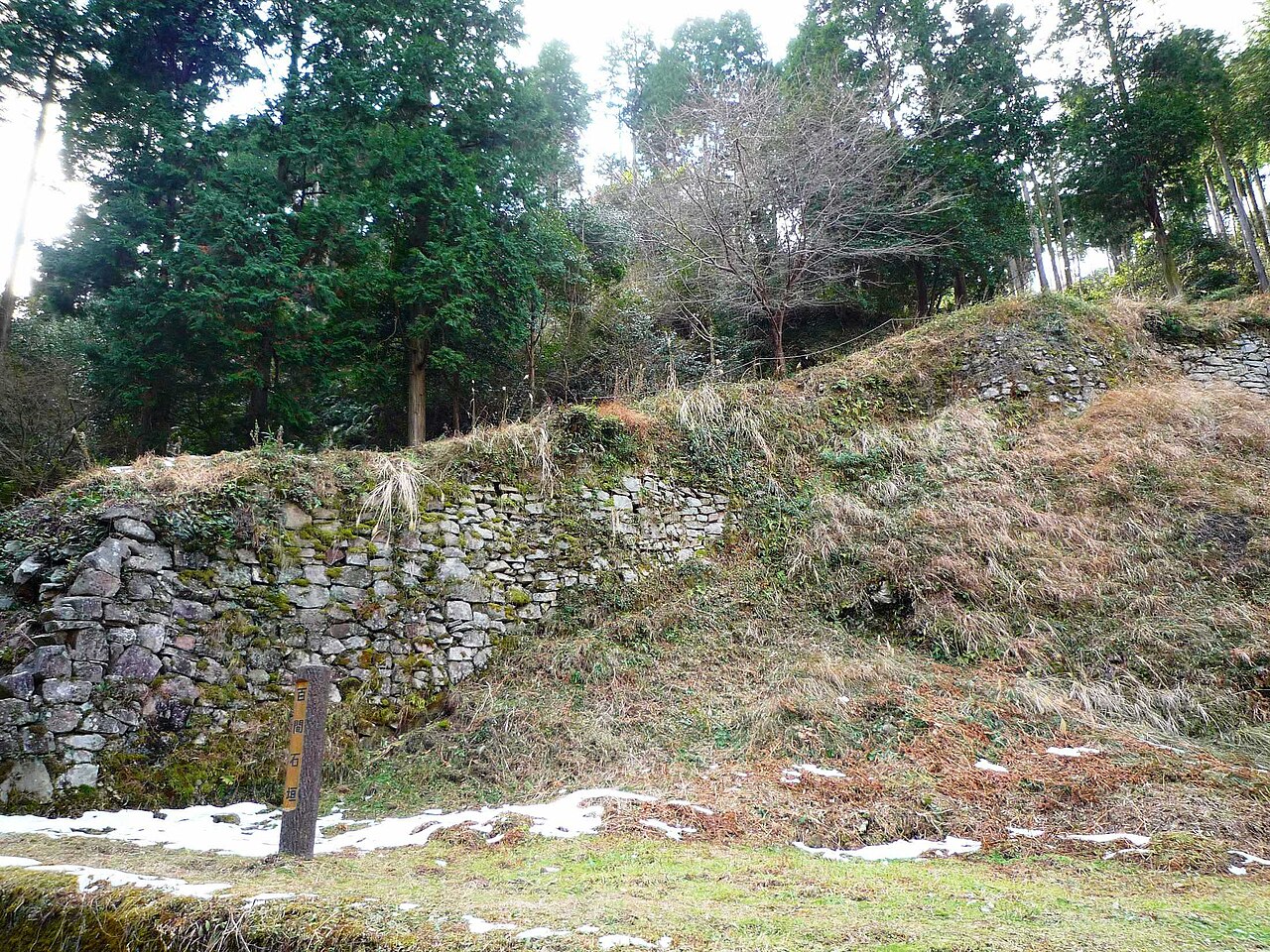
Key defensive elements included stone walls (ishigaki), which were skillfully built to follow the contours of the hill, enhancing both strength and camouflage. The castle also featured wooden structures such as watchtowers and gates, although these have not survived. The ruins today reveal the foundations of these buildings, as well as remnants of moats and defensive earthworks.
Defensive design
The castle's position on elevated ground made direct assaults difficult. Its terraced baileys created multiple layers of defense, forcing attackers to overcome successive fortified zones. The use of natural cliffs and steep slopes further augmented its defensive capabilities. The castle's design reflects typical Sengoku period military architecture, focusing on practicality and adaptability to the rugged landscape.
Current state and preservation
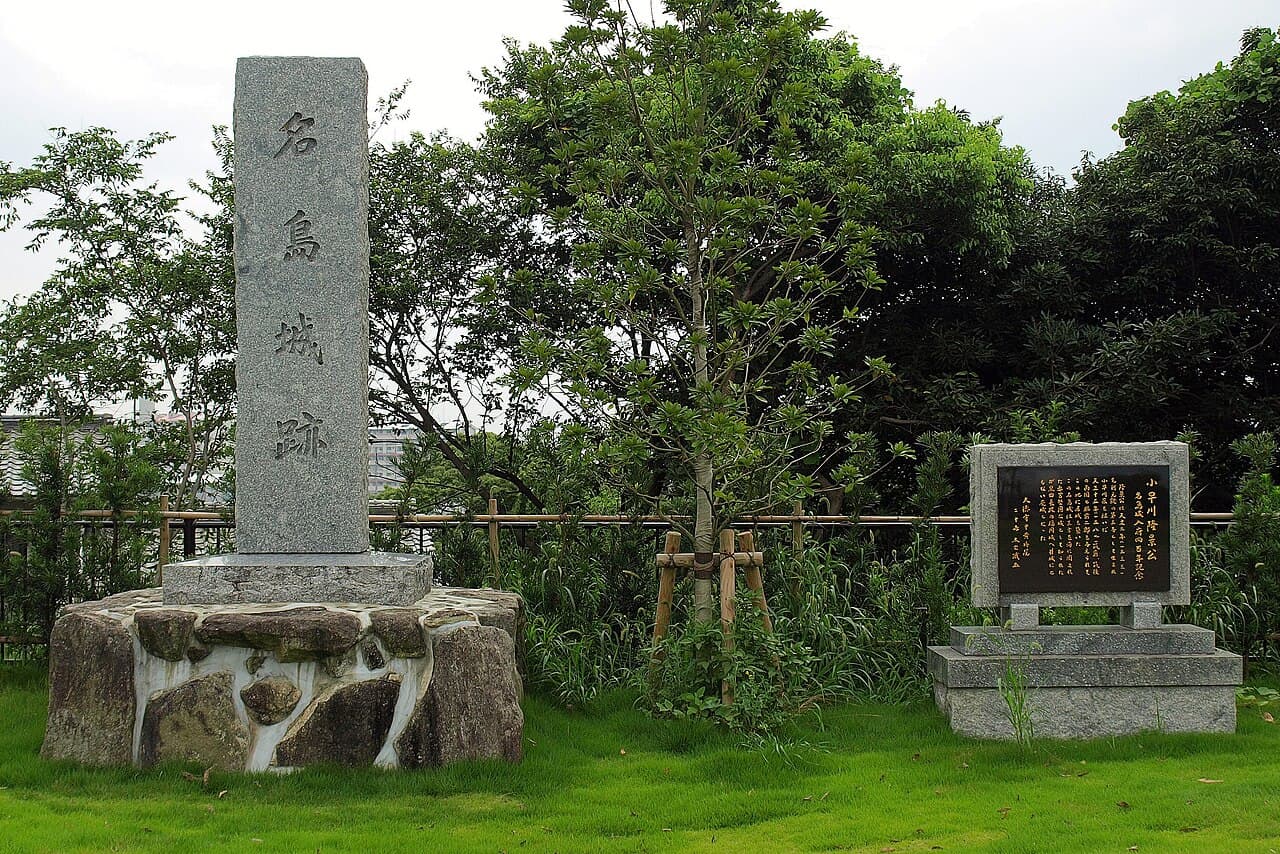
Today, Najima Castle exists primarily as an archaeological site with ruins that include stone wall foundations, earthworks, and traces of moats. The wooden superstructures have long since disappeared, but the site remains accessible to visitors interested in Japanese castle history and Sengoku period fortifications.
The castle ruins are protected as a cultural heritage site, with efforts made to preserve the remaining stonework and earthworks. Informational signage at the site helps visitors understand the castle's historical context and architectural features. The location offers scenic views of the surrounding Fukuoka area, making it a point of interest for both history enthusiasts and tourists.
Visiting Najima Castle
Visitors to Najima Castle can explore the ruins and enjoy panoramic views from the hilltop. The site is open year-round, with no entrance fee, making it an accessible destination for those interested in Japan's feudal past. Walking paths lead through the ruins, allowing close observation of the castle's defensive walls and terraces.
Nearby attractions in Fukuoka City include other historical sites, museums, and cultural landmarks, providing a rich itinerary for travelers. The castle's proximity to urban amenities makes it convenient for day trips and educational visits.
Frequently asked questions (FAQ)
- What is the historical significance of Najima Castle?
- Najima Castle, located in Fukuoka City, Japan, was built in the 17th century and served as a crucial military outpost during the Edo period. Its strategic position allowed it to control maritime traffic and protect the surrounding region from potential invasions. Today, it stands as a symbol of Japan's feudal history and architectural heritage.
- When was Najima Castle constructed?
- Najima Castle was constructed in 1600 by the Kuroda clan, who were influential during the Edo period. The castle played a vital role in regional governance and military defense until the castle's decline in the late 19th century, after which it fell into disrepair.
- Can I visit Najima Castle?
- Yes, Najima Castle is open to visitors, allowing you to explore its historical grounds and enjoy the scenic views of the surrounding area. Be sure to check for any special events or guided tours that may enhance your visit. Accessibility options are available for those with mobility challenges.
- What are the opening hours for Najima Castle?
- Najima Castle is typically open to the public from 9:00 AM to 5:00 PM, with extended hours during peak tourist seasons. It's advisable to confirm the hours of operation before your visit, as they may vary on holidays or special occasions.
- Is it possible to access Najima Castle by public transport?
- Yes, Najima Castle is accessible via public transport, including buses and trains from central Fukuoka City. Visitors can take a short bus ride or a combination of train and walking to reach the castle. Local signage and maps make it easy to navigate.
- What is the best time to visit Najima Castle?
- The best time to visit Najima Castle is during the spring (March to May) when cherry blossoms bloom, creating a picturesque backdrop. Autumn (September to November) also offers beautiful foliage, making it a great time for photography and exploration.
- Are there nearby attractions to visit along with Najima Castle?
- Yes, there are several nearby attractions, including the beautiful beaches of Fukuoka and the scenic views from the surrounding hills. The Fukuoka Tower and Ohori Park are also within a short distance and provide additional cultural and recreational experiences for visitors.
- What are the ticket prices for entering Najima Castle?
- Entry to Najima Castle is generally free, allowing visitors to enjoy its historical significance without any cost. However, certain guided tours or special exhibitions may require a small fee, so it’s best to check in advance for any updates.
Photo gallery

Information
Loading map...
Visitor reviews
No reviews yet. Been here? Write the first review and help other travelers!
Write the first reviewVisited this castle? Share your experience
Your review helps other travelers and adds first-hand knowledge to our encyclopedia.