Tachibana Castle
Tachibana Castle (立花山城, Tachibanayama-jō) is a historic hill castle located in the former Chikuzen Province, now part of northern Kyūshū, Japan. Perched on the summit of Mount Tachibana, the castle occupies a strategic vantage point that overlooks the surrounding landscape, including the modern area of Higashi-ku, Fukuoka. This elevated position was crucial for defense and control during the late medieval period, when regional conflicts were common.
Originally constructed in the 14th century, Tachibana Castle is also known by alternate names such as Rikka-jō, Tachibana-jō, and Rikkasan-jō. The castle played a significant role in local military and political affairs during the Muromachi period, a time marked by frequent warfare and shifting allegiances among samurai clans.
Strategic location and defensive features
The castle's placement atop Mount Tachibana provided natural defenses, with steep slopes limiting access and making it difficult for attackers to mount a direct assault. The hill castle design utilized the terrain to enhance fortifications, incorporating stone walls and earthworks that blended with the natural environment. Although much of the original structure has not survived intact, archaeological evidence and historical records indicate that the castle included multiple baileys (courtyards), watchtowers, and gates designed to slow and repel enemy forces.
Architectural style and construction
Tachibana Castle reflects the typical architectural characteristics of late medieval Japanese castles. Unlike the later Azuchi-Momoyama period castles known for their grandiose tenshu (main keeps), Tachibana Castle was primarily a functional military fortress emphasizing practical defense. Its construction featured wooden buildings atop stone foundations, with earthen ramparts and dry moats to fortify the perimeter. The castle's layout was adapted to the rugged mountainous terrain, with winding paths and terraced enclosures.
Historical significance and ownership
Tachibana Castle was historically associated with the Tachibana clan, a powerful samurai family influential in northern Kyūshū during the 14th and 15th centuries. The castle served as a stronghold and administrative center for the clan, controlling important regional routes and agricultural lands. Throughout its history, the castle witnessed various sieges and battles reflecting the turbulent nature of the Sengoku period, Japan's era of civil war and social upheaval.
During the Muromachi period, the castle's strategic importance grew as rival clans vied for dominance. Its defenders utilized the natural terrain and fortifications to withstand attacks, although records suggest that the castle eventually fell to opposing forces as political power shifted in the region.
Later history and legacy
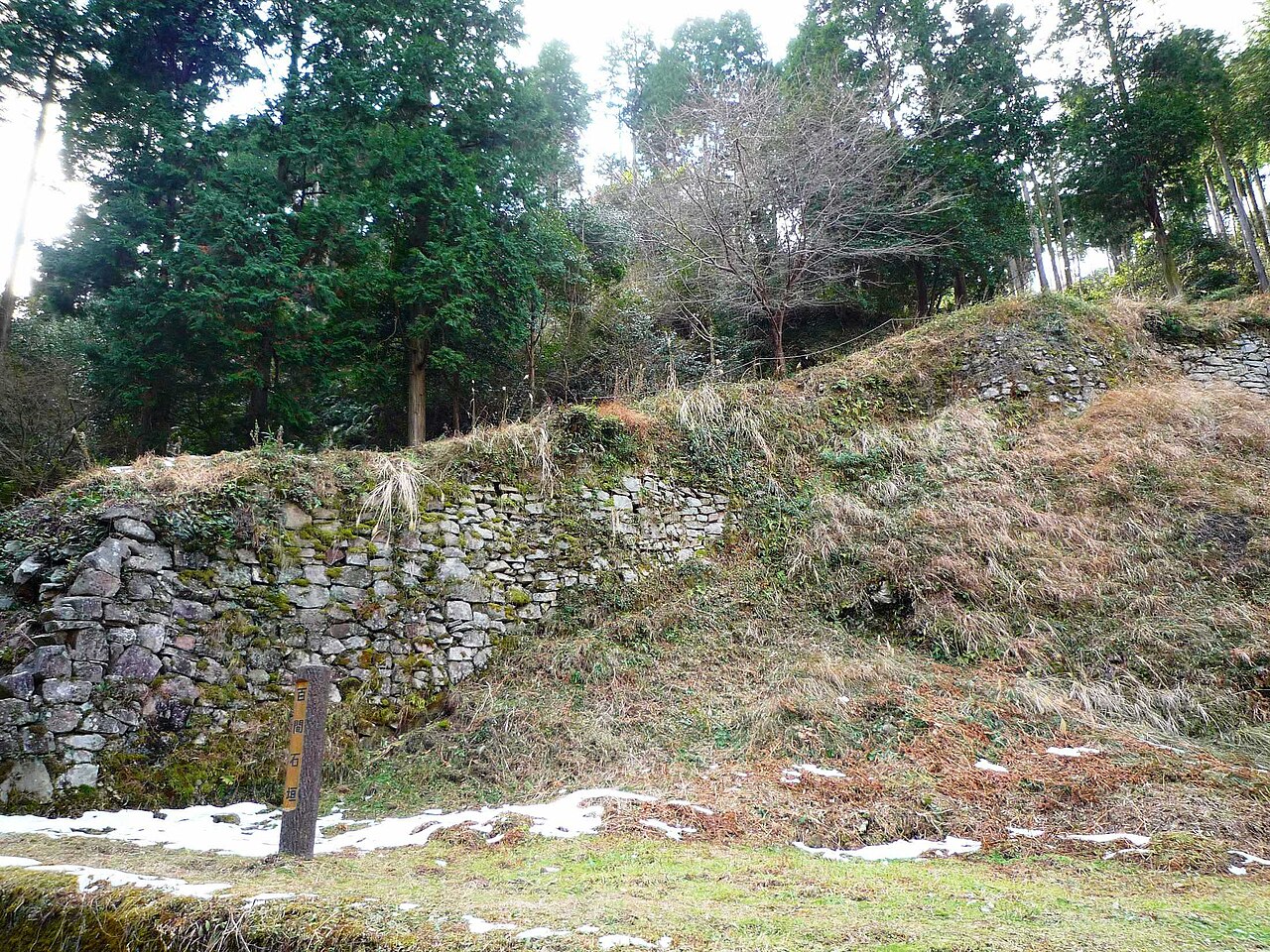
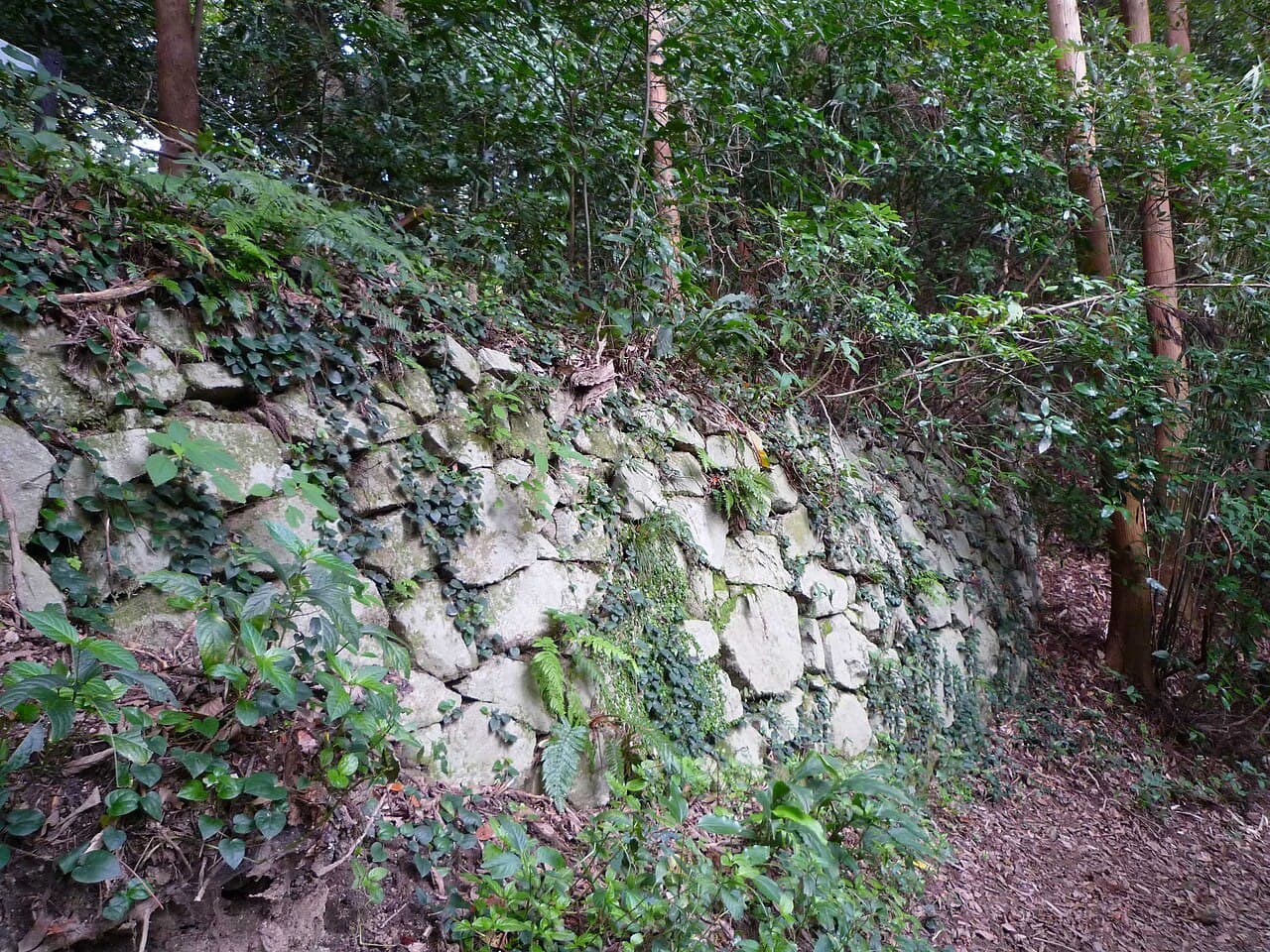
Following the unification of Japan under the Tokugawa shogunate in the early 17th century, many castles including Tachibana were abandoned or dismantled as centralized peace reduced the need for regional fortresses. Today, Tachibana Castle remains primarily as archaeological ruins, with some remnants of stone walls and earthworks visible on Mount Tachibana.
The site is recognized for its cultural and historical value, offering insight into medieval Japanese castle construction and the military strategies of the time. Visitors can explore the hiking trails leading to the ruins, which provide panoramic views of the surrounding landscape and a tangible connection to Japan's feudal past.
Visiting Tachibana Castle
While the castle no longer stands in its original form, the ruins of Tachibana Castle are accessible to the public. The site is popular among history enthusiasts and hikers who appreciate its blend of natural beauty and historical significance. Informational signage at the site helps visitors understand the castle's layout and historical context.
The best time to visit is during spring and autumn when the weather is mild and the scenery is enhanced by seasonal foliage. Access involves a hike up Mount Tachibana, so visitors should be prepared for a moderately challenging climb. There are no entrance fees, making it an attractive destination for those interested in Japanese history and castle architecture.
Frequently asked questions (FAQ)
- What is the historical significance of Tachibana Castle?
- Tachibana Castle, built in the late 16th century, served as a strategic military base during Japan's feudal era. It is closely associated with the Tachibana clan, who played a vital role in the region's politics and warfare.
- When was Tachibana Castle constructed?
- Construction of Tachibana Castle began in 1587 and was completed shortly after. The castle was designed to fortify the region and protect it from rival clans during a tumultuous period in Japanese history.
- How do I get to Tachibana Castle?
- Tachibana Castle is accessible by public transportation, with the nearest train station just a short walk away. Local buses also connect the castle to nearby cities, making it easy for visitors to reach.
- What are the opening hours for Tachibana Castle?
- Tachibana Castle is typically open to visitors from 9 AM to 5 PM, with last entry at 4:30 PM. However, it is advisable to check for seasonal changes in hours before planning your visit.
- Can I take guided tours of Tachibana Castle?
- Yes, guided tours are available at Tachibana Castle, providing visitors with in-depth knowledge about its history and architecture. These tours are often led by knowledgeable local guides who can share fascinating stories about the castle.
- Is it possible to explore the castle grounds freely?
- Visitors can explore the castle grounds freely during the opening hours. However, certain interior areas may be restricted, and it is advisable to follow any posted guidelines to ensure a safe visit.
- What is the best time to visit Tachibana Castle?
- The best time to visit Tachibana Castle is during the spring and autumn months when the weather is mild, and the surrounding landscapes are particularly beautiful. Additionally, cherry blossoms in spring and colorful foliage in autumn offer stunning views.
- Are there any nearby attractions to Tachibana Castle?
- Yes, there are several nearby attractions including beautiful gardens, historical temples, and museums that showcase the local culture. These sites can enhance your visit and provide a well-rounded experience of the region.
- What are the ticket prices for Tachibana Castle?
- Admission to Tachibana Castle is generally affordable, with tickets costing around 500 yen for adults. Discounts may be available for children and seniors, so it's best to check the official website for the most current pricing information.
Photo gallery

Information
Loading map...
Visitor reviews
No reviews yet. Been here? Write the first review and help other travelers!
Write the first reviewVisited this castle? Share your experience
Your review helps other travelers and adds first-hand knowledge to our encyclopedia.