Knutstorp Castle
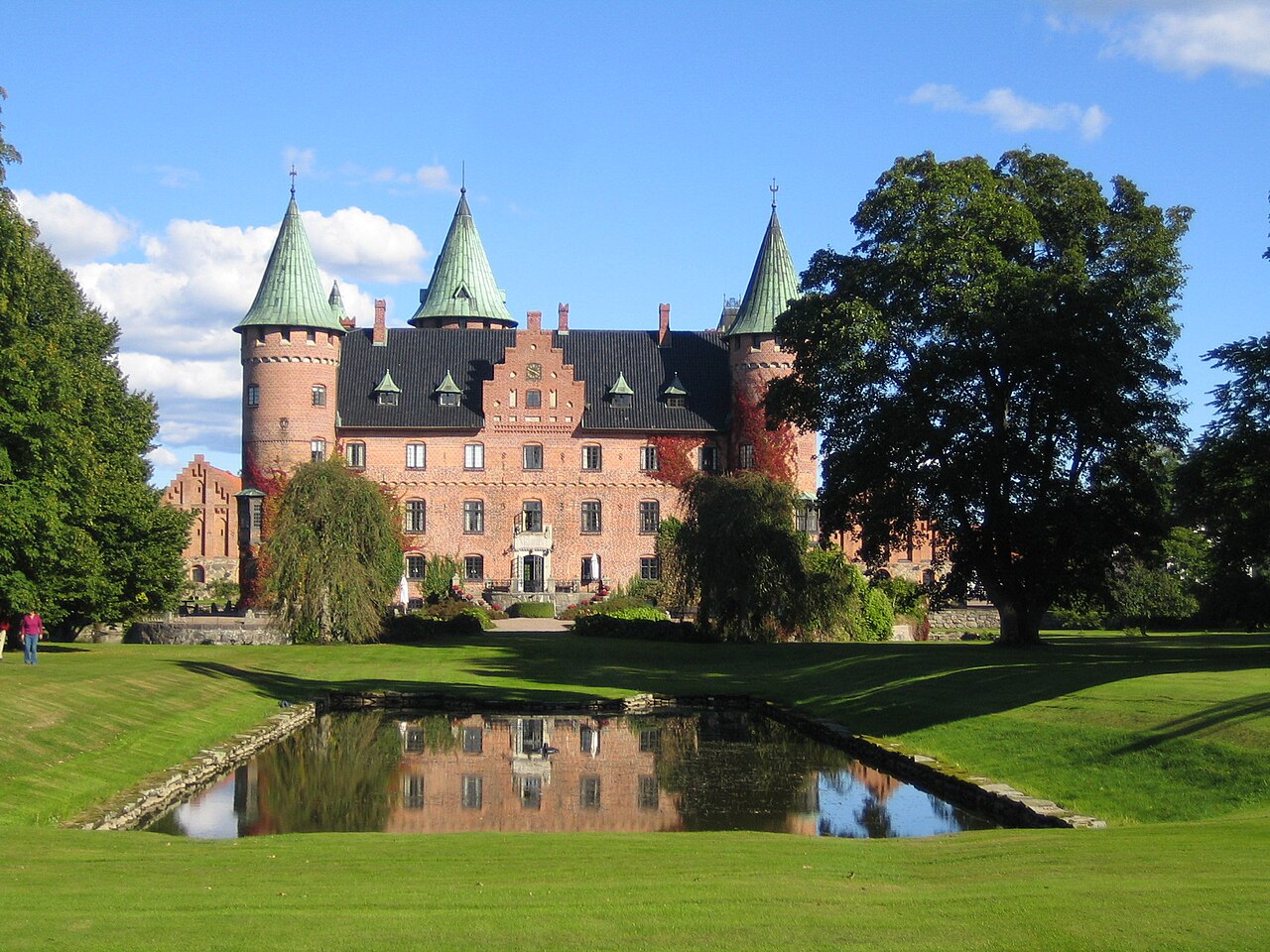
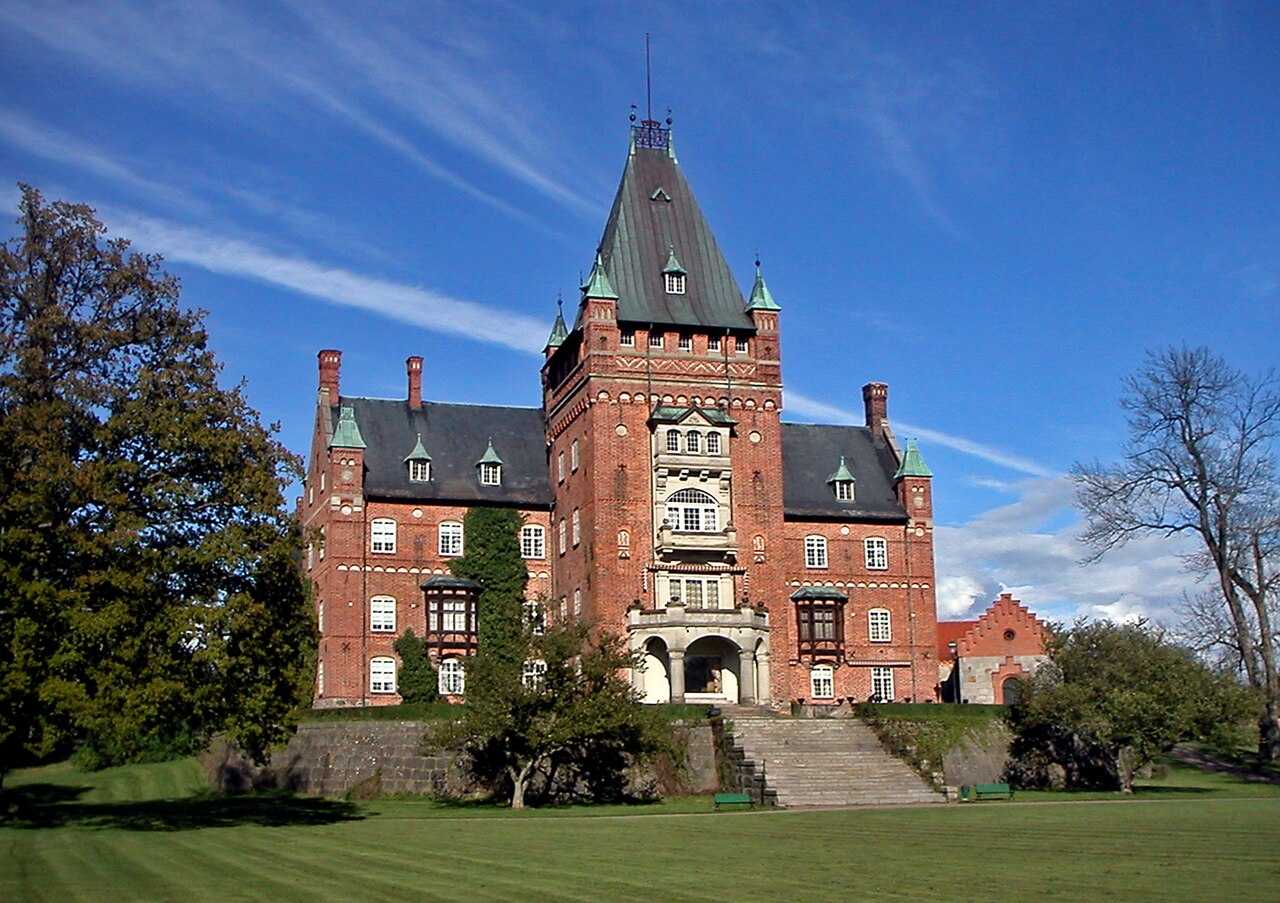
Knutstorp Castle is a notable Renaissance hill castle located in Kågeröd, Sweden. Its origins trace back to the mid-14th century when it was first mentioned as a manorial estate owned by Scandinavian nobility. Over the centuries, the castle evolved from a fortified noble residence into a historic estate with significant architectural and cultural heritage. It is especially renowned as the birthplace of the famous astronomer Tycho Brahe, born there on 14 December 1546.
Early history and Brahe family ownership
The estate was originally established in the mid-1300s and came under the ownership of the powerful Danish noble Brahe family until 1663. The most substantial phase of construction occurred in the mid-16th century when Otte Brahe built the main castle building in 1551. This construction transformed Knutstorp into a four-winged fortress arranged around a small courtyard. Otte Brahe also dammed nearby water sources to create a defensive lake, effectively turning the castle into an island stronghold on the southern slope of Söderåsen. This strategic positioning provided natural defense and access to rich natural resources, supporting the estate's agricultural and hunting activities.
Architectural features of the original castle
The castle was constructed primarily of brick, a common material for Renaissance fortifications in Scandinavia. The four-winged layout enclosed a courtyard, with the main building featuring a curved western wing that retains some original elements from the 16th century. Defensive features included the surrounding water moat formed by the dammed lake, which was later drained in the early 19th century to expand pasture land.
Historical significance and military events
During the late 17th century, Knutstorp played a role in the Scanian War (1675–1679) between Sweden and Denmark. In 1678, King Carl XI ordered fortifications to strengthen the castle as a military stronghold. Despite these efforts, the Danish army captured Knutstorp in the same year and set fire to the main building, causing significant damage. The northern wing was demolished following the fire, and the southern wing was rebuilt using surviving masonry walls.
Restoration and later ownership
After the war, the castle underwent restoration in 1728 to repair the damage caused by the fire. In the 1830s, architect C.G. Brunius led another significant restoration, introducing Renaissance-style stepped gables and rebuilding the bridge connecting the castle to the mainland. These restorations reflected a shift from purely defensive architecture to more residential and aesthetic considerations.
Ownership passed through several noble families, including the Thott and Ankarstierna families, before being sold in 1771 to Count Fredrik Georg Hans Carl Wachtmeister. The Wachtmeister family has maintained ownership since then, overseeing the estate's transition into a private residence with expanded agricultural, forestry, and hunting grounds.
Architectural details and interior features
The castle's roofline is distinguished by the stepped gables added during the 19th-century restoration, a hallmark of Renaissance architectural style. The bridge rebuilt by Brunius replaced an older southern bridge, improving access to the castle.
Inside, the eastern wing contains the dining hall, notable for its large oil-painted landscape tapestries framed by white classical trompe-l’oeil columns. These decorative elements date from the 1720s restoration and exemplify Baroque interior design. A small barrel-vaulted room with light niches on the ground floor likely belongs to the castle's oldest construction phase. The second floor houses a knight’s hall, which has been subdivided into smaller rooms over time.
An inscription plaque above the main entrance commemorates the 1551 construction by Otte Brahe and his wife Beate Bille, featuring their coats of arms. Nearby, a memorial plaque honors Tycho Brahe’s paper mill on the nearby island of Ven, linking the castle to its most famous historical figure.
Changes to the castle layout and landscape
The original four-winged design was significantly altered after the 1678 fire. The northern wing was removed, and the southern wing was rebuilt from surviving walls. Low connecting wings enclosed the courtyard during the 17th century but were scaled down in later renovations. The defensive lake surrounding the castle was drained in the early 19th century, changing the castle's relationship with its landscape but expanding usable land for the estate.
In 1956, a fire destroyed two wings of the castle, sparing only the main building. Reconstruction efforts over the following three years restored the castle's historical character, although the castle's function evolved from a fortress to a private residence and estate center. The estate now includes forestry, agriculture, hunting grounds, and even a motor racing track, reflecting its diverse modern uses.
Legacy and cultural importance
Knutstorp Castle holds a special place in Scandinavian history, not only as a noble residence and military site but also as the birthplace of one of the most important figures in the history of astronomy, Tycho Brahe. The castle's architectural evolution from a fortified Renaissance stronghold to a stately manor illustrates broader trends in Scandinavian noble estate development. Its preservation and continued private ownership have allowed it to maintain historical integrity while adapting to contemporary uses.
Frequently asked questions (FAQ)
- How do I get to Knutstorp Castle?
- Knutstorp Castle is located in Kågeröd, Sweden, easily accessible by car and public transport. There are parking facilities available on-site, and the nearest train station is a short bus ride or drive away.
- What is the historical significance of Knutstorp Castle?
- Knutstorp Castle dates back to the 15th century and is known for its rich history and well-preserved architecture. It played a crucial role in local governance and has witnessed several historical events throughout the centuries.
- When was Knutstorp Castle built?
- Construction of Knutstorp Castle began in the late 1400s and was completed in the early 1500s. The castle has undergone various renovations over the years, preserving its historical charm while adapting to modern needs.
- Can I take guided tours of Knutstorp Castle?
- Yes, guided tours are available for visitors, providing insights into the castle's history and architecture. These tours typically run several times a day, and it's advisable to check the schedule in advance for availability.
- Why is Knutstorp Castle popular among visitors?
- Knutstorp Castle is popular for its stunning architecture, beautiful gardens, and rich history. Visitors enjoy exploring the castle's interiors and grounds, making it a perfect spot for history enthusiasts and families alike.
- Is it possible to host events at Knutstorp Castle?
- Yes, Knutstorp Castle offers facilities for various events, including weddings, conferences, and private gatherings. The picturesque setting and historical ambiance make it an ideal location for memorable occasions.
- What are the opening hours for Knutstorp Castle?
- Knutstorp Castle is typically open to visitors from April to October, with specific hours varying by season. It's recommended to check the official website for the most current opening times before planning your visit.
- What are the ticket prices for visiting Knutstorp Castle?
- Ticket prices for Knutstorp Castle vary depending on age and whether you are part of a guided tour. Generally, adults pay a standard admission fee, while discounts may be available for children, students, and seniors.
- What is the best time to visit Knutstorp Castle?
- The best time to visit Knutstorp Castle is during the late spring and summer months when the gardens are in full bloom. Additionally, various events and activities are often scheduled during this period, enhancing the visitor experience.
- Are there any nearby attractions to visit along with Knutstorp Castle?
- Yes, there are several nearby attractions, including beautiful hiking trails and picturesque villages. The surrounding areas also feature other historical sites and natural parks, making it easy to spend a full day exploring.
Information
Website
Visit websiteSources & official resources
Verify the information above using these authoritative references.
Loading map...
Visitor reviews
No reviews yet. Been here? Write the first review and help other travelers!
Write the first reviewVisited this castle? Share your experience
Your review helps other travelers and adds first-hand knowledge to our encyclopedia.