Klevan Castle
Klevan Castle (Ukrainian: Клеванський замок) stands as one of the oldest and most historically significant fortresses in the region of Volynia, Ukraine. Constructed in the mid-15th century by Prince Michael Czartoryski, this hill castle was strategically positioned to control a vital ford across the Stubla River. Its location on elevated terrain provided a commanding view of the surrounding landscape, enhancing its defensive capabilities during the turbulent Late Medieval period.
The castle served as the principal residence of the Orthodox princely house of Chortoryisk until the 17th century, when the family converted to Catholicism. This religious shift led to the castle's transfer to a Jesuit school, marking a significant change in its function from military fortress to educational institution. Following the partitions of Poland, the castle was seized by the Habsburg Empire and subsequently left unoccupied, which contributed to its gradual decline.
Architectural features and layout
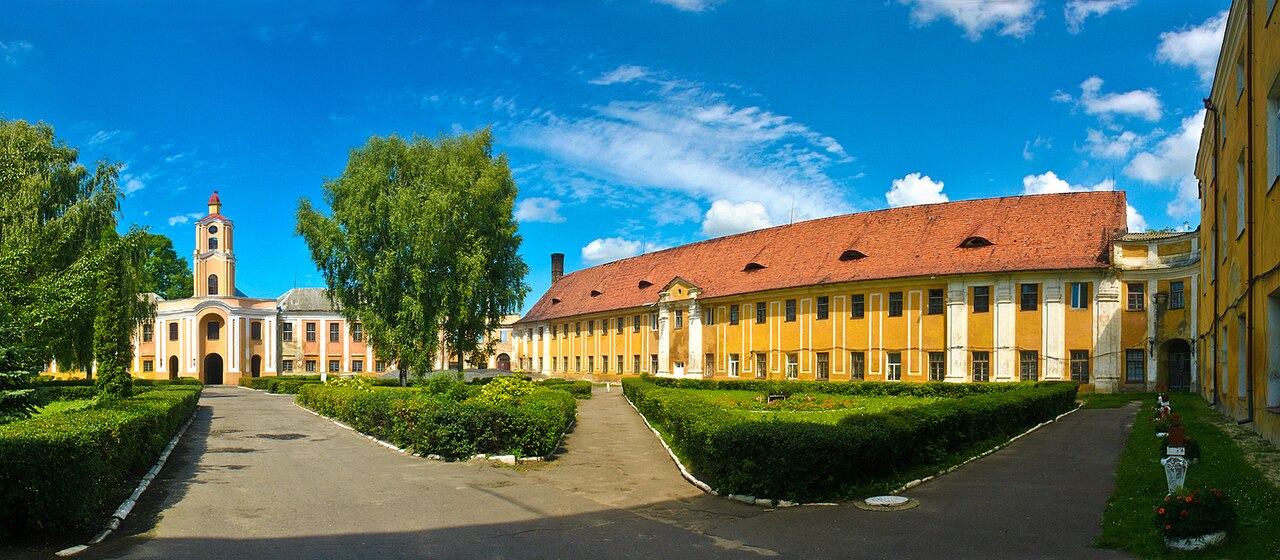
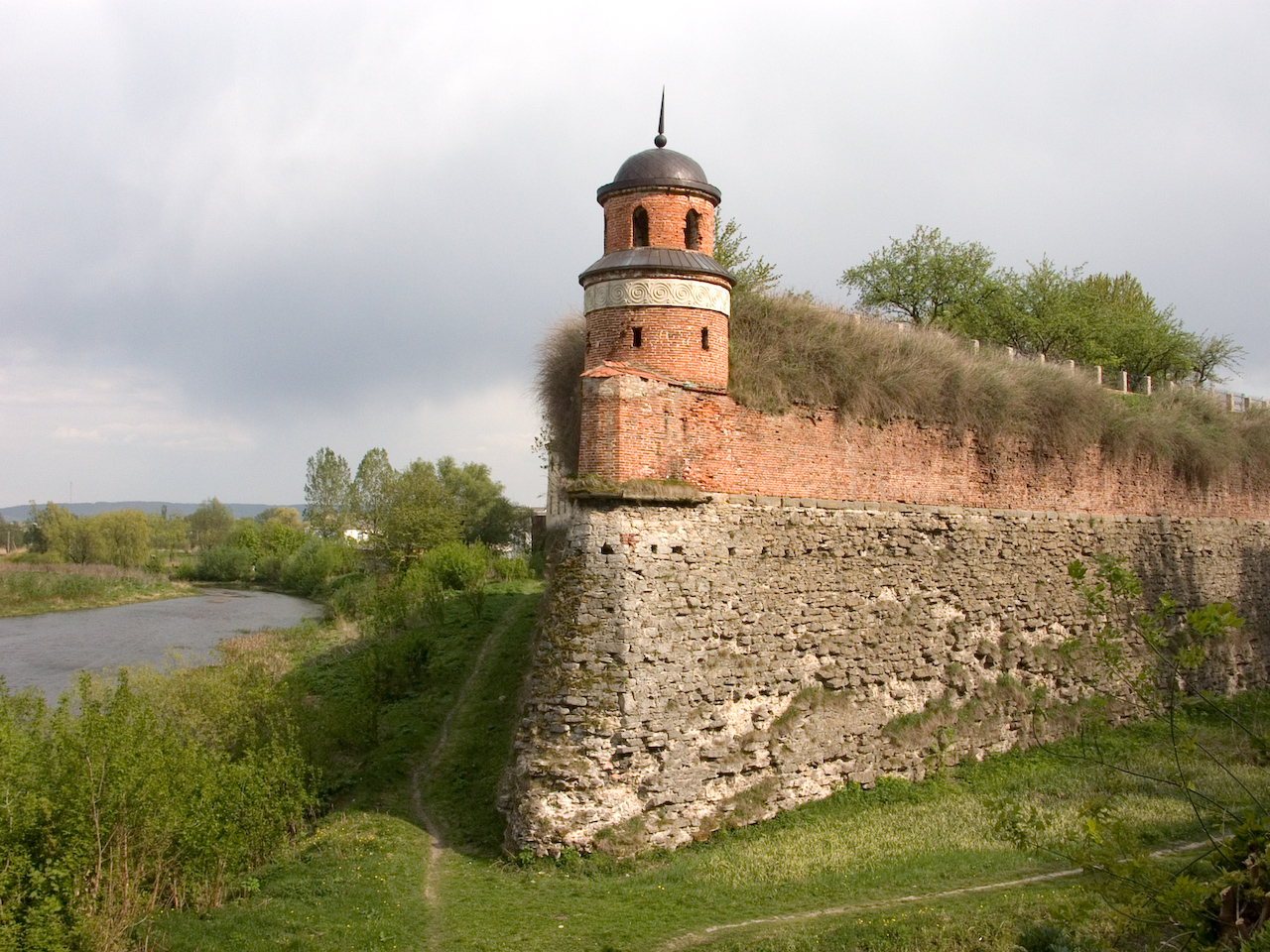
Klevan Castle is characterized by its robust defensive structures typical of hill castles from the Late Medieval era. The surviving elements include two prominent towers, which likely served both as lookout points and strongholds during sieges. These towers are connected by three fortified buildings that formed the core of the castle's living and administrative quarters.
A distinctive feature of the castle is its high four-arched bridge leading to the main gate. This architectural element not only provided access over the natural defenses created by the terrain and river but also acted as a controlled entry point, enhancing security. The bridge's arches demonstrate the engineering skills of the period and contribute to the castle's imposing silhouette.
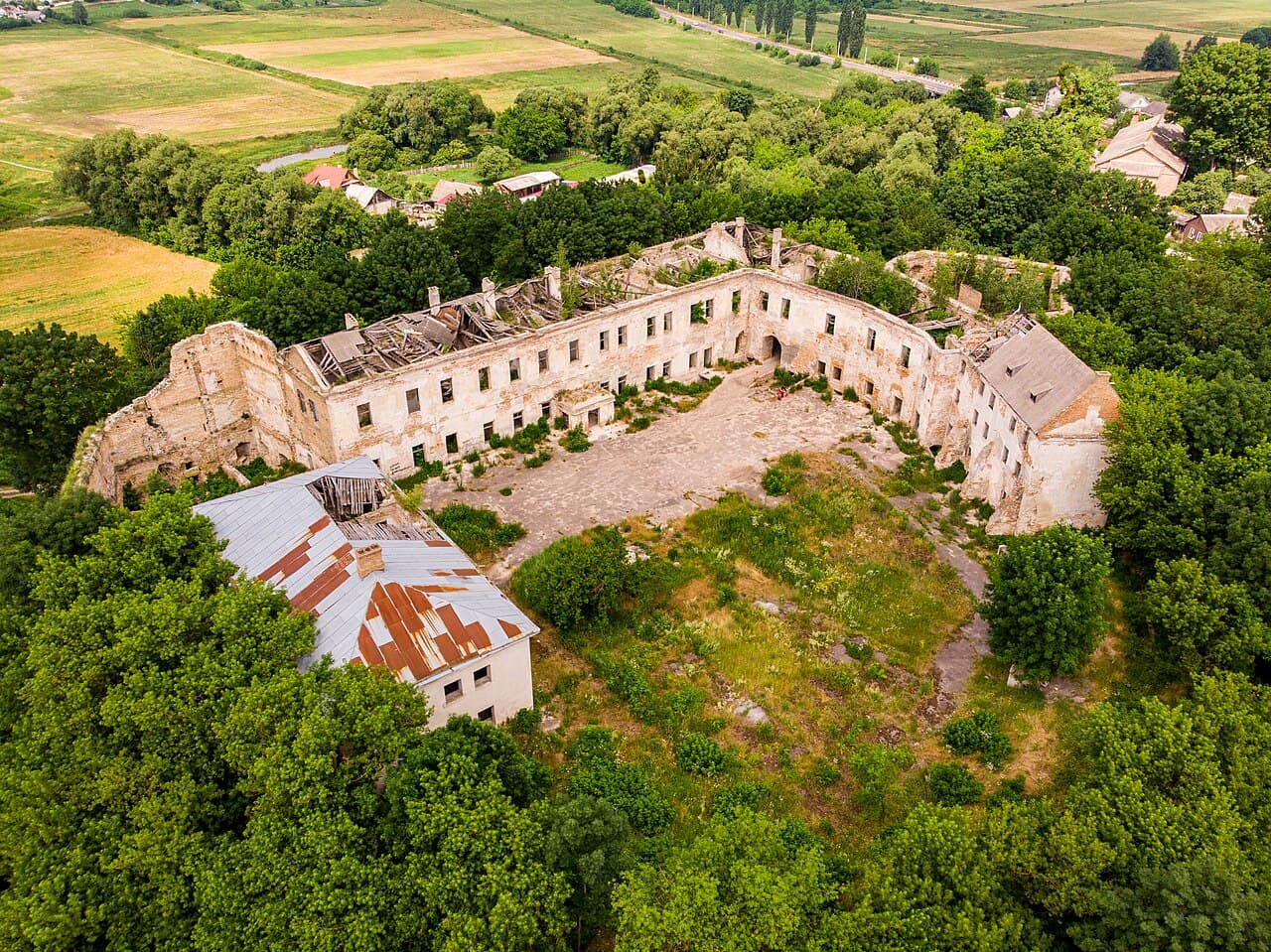
In the 19th century, the castle's western wall was deliberately dismantled, a loss that has affected the overall integrity of the fortress. Despite this, the remaining structures offer valuable insight into the castle's original design and defensive strategy.
Historical context and significance
The construction of Klevan Castle by Prince Michael Czartoryski was driven by the need to secure control over the important river crossing on the Stubla River. This control was crucial for overseeing trade routes and military movements in the region during the 15th century. The castle's position allowed its occupants to monitor and regulate traffic, providing both economic and strategic advantages.
As the seat of the Orthodox princely house of Chortoryisk, the castle was a center of regional power and influence. The family's conversion to Catholicism in the 17th century reflects broader religious and political changes occurring in Eastern Europe at the time. The subsequent handover of the castle to a Jesuit school illustrates the shifting priorities from military defense to religious and educational purposes.
After the partitions of Poland in the late 18th century, the castle fell under the control of the Habsburg Empire. The new rulers did not maintain the fortress, leading to its abandonment and partial demolition. This period marked the decline of Klevan Castle as a functional stronghold.
Preservation and current condition
Today, Klevan Castle remains a partially preserved historical site. The dismantling of its western wall in the 19th century significantly altered its original defensive perimeter. However, the surviving towers, fortified buildings, and the characteristic four-arched bridge provide visitors with tangible connections to its medieval past.
The castle's current state reflects the challenges of preserving medieval fortifications that have experienced centuries of neglect and changing ownership. Efforts to maintain and protect the remaining structures are vital for safeguarding this cultural heritage site.
Architectural style and influences
The castle's design exhibits typical features of Late Medieval hill castles in Eastern Europe. Its defensive architecture includes thick stone walls, narrow windows for archers, and elevated towers for surveillance. The use of a multi-arched bridge to access the main gate is a notable element that combines functionality with aesthetic appeal.
While primarily built for defense, the castle's structures also reflect the residential needs of a princely family, blending military and domestic architecture. The transition to Jesuit ownership introduced new uses for the buildings, likely influencing internal modifications to accommodate educational activities.
Visitor experience and accessibility
Visitors to Klevan Castle can explore the remaining towers and fortified buildings, gaining insight into medieval defensive architecture and the castle's historical role in the region. The high four-arched bridge remains a highlight, offering a glimpse into the engineering techniques of the 15th century.
The castle's location in Volynia places it within a region rich in history and cultural landmarks, making it a worthwhile destination for those interested in medieval fortifications and Eastern European history. While some parts of the castle are in ruins, the site provides an evocative atmosphere for exploration and study.
Frequently asked questions (FAQ)
- What is the historical significance of Klevan Castle?
- Klevan Castle, built in the 14th century, is a remarkable example of medieval military architecture in Ukraine. It played a crucial role in the defense against various invasions and has witnessed significant historical events throughout its history.
- When was Klevan Castle built?
- The construction of Klevan Castle began in the early 14th century, around 1370, under the rule of the Grand Duchy of Lithuania. Its strategic location and robust structure were designed to protect the region from external threats.
- Can I visit Klevan Castle?
- Yes, Klevan Castle is open to visitors, allowing you to explore its rich history and stunning architecture. Be sure to check local guidelines and potential restrictions before your visit.
- What are the opening hours for Klevan Castle?
- Klevan Castle typically opens its doors to visitors from 10 AM to 6 PM, but hours may vary based on the season or special events. It's recommended to verify the current schedule before planning your visit.
- Is it possible to access Klevan Castle by public transport?
- Yes, Klevan Castle is accessible by public transport, with several bus routes connecting it to nearby towns and cities. For the most convenient experience, consider checking local transit schedules ahead of time.
- What is the best time to visit Klevan Castle?
- The best time to visit Klevan Castle is during the spring and early autumn months when the weather is mild and the landscape is beautiful. This allows you to enjoy a comfortable exploration of the castle and its surroundings.
- Can I take photographs at Klevan Castle?
- Absolutely! Visitors are encouraged to take photographs of the stunning architecture and picturesque scenery surrounding Klevan Castle. Just be respectful of other guests and the historical significance of the site.
- Are there any nearby attractions to visit?
- Yes, there are several nearby attractions, including the picturesque village of Klevan and the scenic Rivne region. These sites offer a rich cultural experience and complement your visit to Klevan Castle.
- What are the ticket prices for Klevan Castle?
- Ticket prices for Klevan Castle are generally affordable, with discounts available for students and seniors. It's best to check the official website or local tourist information for the latest pricing details.
Photo gallery

Information
Loading map...
Visitor reviews
No reviews yet. Been here? Write the first review and help other travelers!
Write the first reviewVisited this castle? Share your experience
Your review helps other travelers and adds first-hand knowledge to our encyclopedia.