Klenovnik Castle
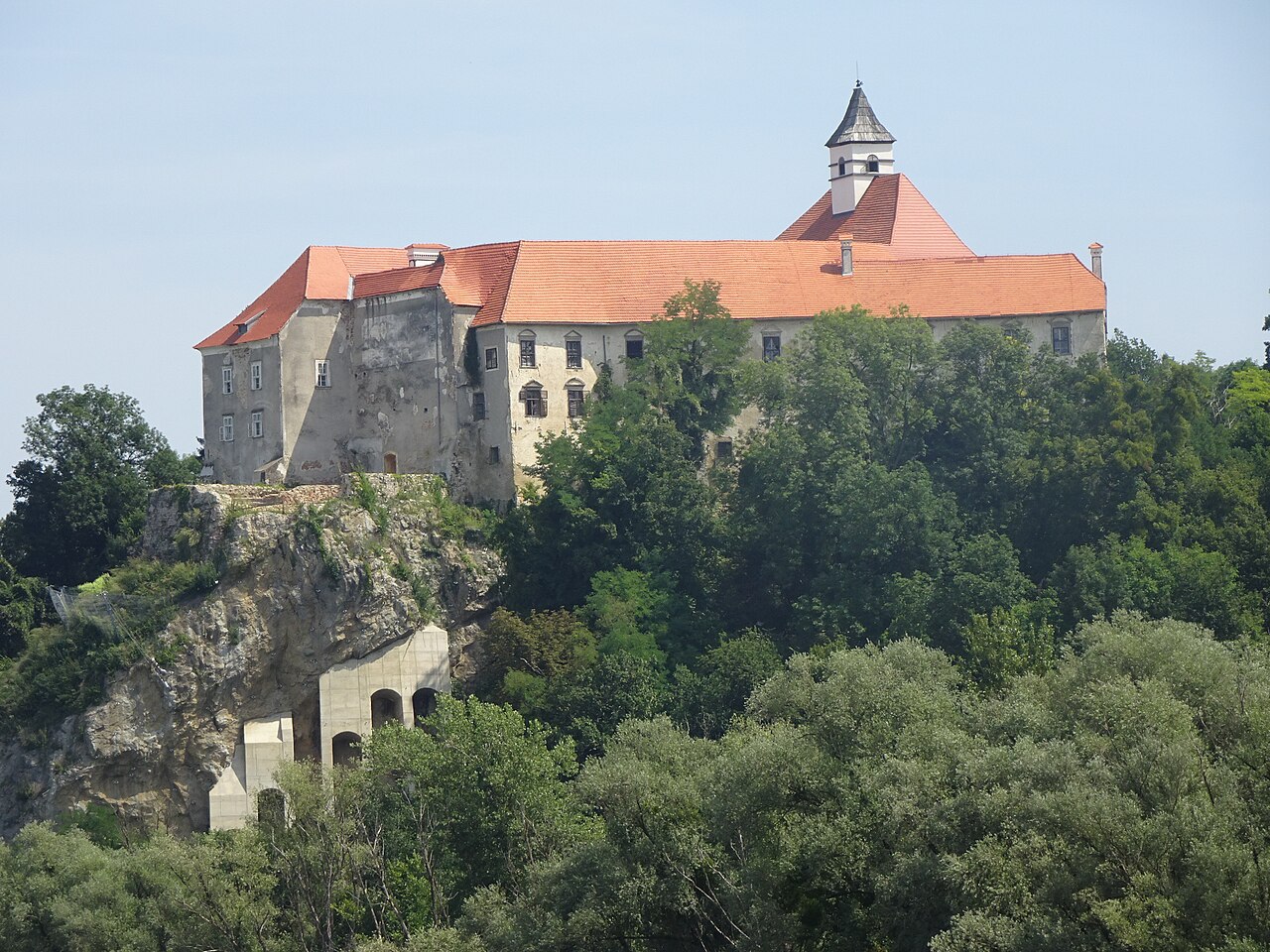
Klenovnik Castle stands as one of the largest and historically significant castles in Croatia. Its origins trace back to the 13th century, firmly placing it within the high medieval period. The first documentary mention of the castle occurs during the reign of King Béla IV of Hungary-Croatia, who confiscated the castle from the noble family Pochun and granted it to the ruler of the nearby town of Varaždin. This transfer highlights the castle's early strategic importance in the region, serving as a fortified seat of power and control.
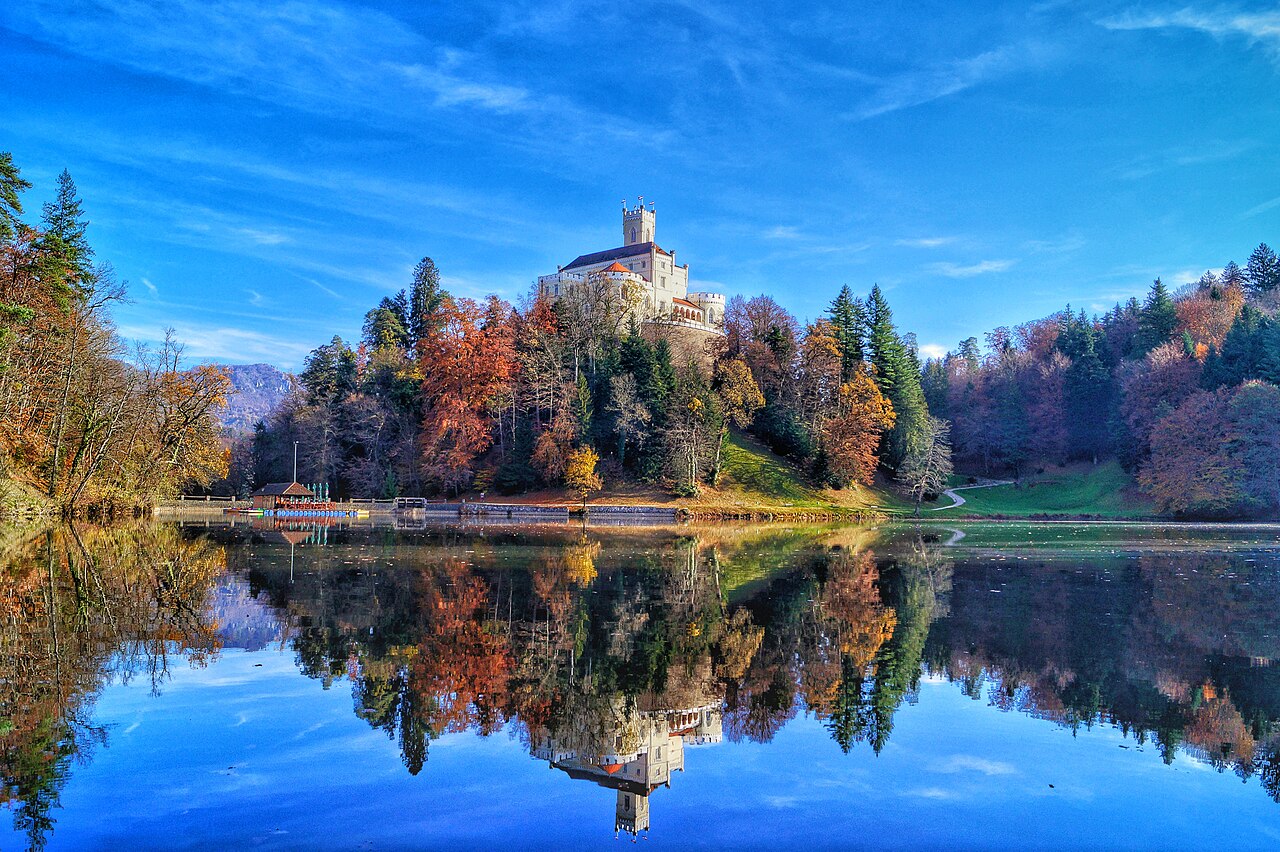
During the late 17th century, the castle changed hands when King Maksimilijan sold it for 20,000 forints to the noble Croatian family of Gašpar I Drašković. The Drašković family was a prominent aristocratic lineage with several estates across Croatia, and their ownership marked a period of significant architectural and cultural development at Klenovnik. In the 19th century, Count Drašković sold the castle to the Austrian finance minister, Baron Bruck, to finance the restoration of another family property, the castle of Trakošćan. Subsequently, the castle passed through various owners, reflecting the shifting political and economic landscape of the region.
Architectural features and layout
Klenovnik Castle is notable for its size and complex structure. Before the renovation in 1925, it reportedly contained approximately 90 rooms and over 365 windows, indicating a sprawling layout designed to accommodate a large noble household and their retinue. The castle features a combination of medieval fortifications and later baroque stylistic elements, reflecting the architectural evolution over centuries.
The castle is surrounded by a vast and beautifully maintained park, which complements the grandeur of the main building. Inside, visitors can find remarkable wall paintings from the 19th century, which add artistic value and insight into the tastes of its historic inhabitants. Additionally, the interior houses three baroque altars and a pulpit, underscoring the castle's role not only as a residence but also as a place of religious significance. The Drašković family vault located within the castle further emphasizes its importance as a family seat and burial place.
Historical context and ownership
The castle's history is intertwined with the political shifts in Croatia and the broader Habsburg monarchy. Its initial construction and fortification in the high medieval period were likely motivated by the need to defend the region against invasions and to assert noble authority. The transfer of ownership from the Pochun family to the ruler of Varaždin by King Béla IV reflects the crown's efforts to consolidate power after the Mongol invasions.
The sale to the Drašković family in the late 17th century coincided with the era of baroque transformation in Croatian noble residences, which often involved modernization of medieval castles into more comfortable and stylistically updated homes. The subsequent sale to Baron Bruck in the 19th century and the castle's frequent changes in ownership thereafter illustrate the economic challenges faced by aristocratic families in maintaining large estates during this period.
Modern use and preservation
Today, Klenovnik Castle is owned by the city of Zagreb and serves a very different function from its original defensive and residential purposes. It has been repurposed as a hospital specializing in the treatment of tuberculosis patients. This adaptive reuse has helped preserve the castle structure, although its interior has undergone modifications to accommodate medical facilities.
The castle's condition is generally well-preserved, with significant historical and architectural features still intact. The extensive park surrounding the castle remains a notable landscape feature, providing a serene environment that contrasts with the castle's medieval origins. The preservation of the 19th-century wall paintings and baroque altars offers visitors a glimpse into the artistic heritage of the site.
Cultural significance and visitor information
Klenovnik Castle holds an important place in Croatian cultural heritage due to its size, architectural complexity, and historical associations with prominent noble families. Its layered history from the medieval era through the baroque period to modern times makes it a valuable study subject for historians and architecture enthusiasts.
While the castle currently functions as a medical facility, the exterior and park area are accessible to visitors interested in exploring one of Croatia's largest medieval castles. The site offers insights into the region's feudal past, noble family dynamics, and the evolution of castle architecture over several centuries.
Frequently asked questions (FAQ)
- How do I visit Klenovnik Castle?
- Klenovnik Castle is currently used as a hospital and is not fully open to the public. Visitors can explore the castle's exterior and surrounding park, but access to the interior is restricted due to its medical function.
- What is the historical significance of Klenovnik Castle?
- Klenovnik Castle is one of Croatia's largest castles with origins in the 13th century. It played a strategic role during the high medieval period and was owned by notable noble families such as the Drašković family.
- What architectural styles are visible at Klenovnik Castle?
- The castle exhibits a mix of architectural styles including high medieval fortifications and later baroque modifications, visible in its altars, wall paintings, and interior decorations.
- Is Klenovnik Castle accessible for visitors with limited mobility?
- Due to its current use as a hospital and the historical structure of the castle, accessibility may be limited. Visitors should inquire locally for specific accommodations before planning a visit.
- When is the best time to visit Klenovnik Castle?
- The castle's exterior and park are best visited during spring and summer when the gardens are in full bloom, providing a pleasant environment for exploration.
Information
Current owner
City of Zagreb
Loading map...
Visitor reviews
No reviews yet. Been here? Write the first review and help other travelers!
Write the first reviewVisited this castle? Share your experience
Your review helps other travelers and adds first-hand knowledge to our encyclopedia.