Kirtling Tower
Kirtling Tower stands as a remarkable testament to the layered history of English castle architecture, located in the village of Kirtling, Cambridgeshire. Originally established as a medieval defensive stronghold, the site evolved through centuries into a refined Tudor country house before much of it was lost to time. Today, the surviving Tudor gatehouse offers a vivid window into the architectural and social transformations that shaped English noble residences from the 13th century through the 17th century.
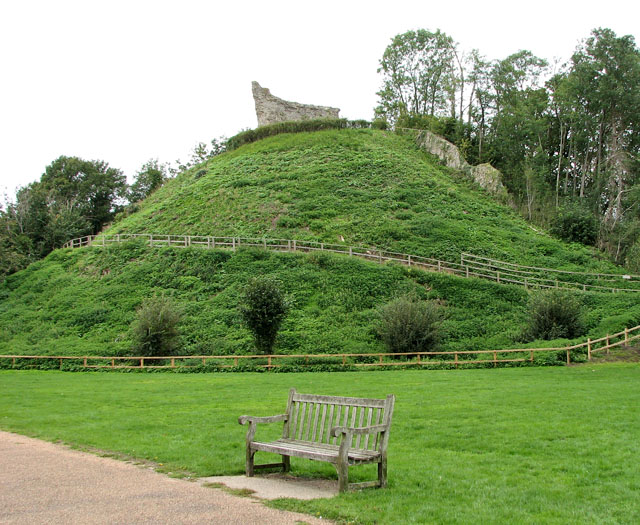
The castle's origins trace back to the early 13th century, with the first documentary evidence appearing in 1219. At this time, Kirtling Castle was characterized by typical medieval defensive features: a moat, a surrounding ditch, and a wooden palisade. These earthworks and timber fortifications were designed to secure the site against local threats and assert control over the surrounding territory. The castle's initial form was that of a hill castle, utilizing the natural terrain for defense.
Transformation under Richard de Beauchamp, Earl of Warwick
In the early 15th century, the castle underwent a significant transformation under the direction of Richard de Beauchamp, Earl of Warwick. In 1424, he initiated a reconstruction that introduced a more complex and comfortable residence within the medieval fortress. This phase prominently featured the use of oak timber, with records noting the felling of approximately one hundred trees to supply materials for the project. The new design included a parlour for formal receptions, a solar serving as a private upper chamber, and other private living quarters. These additions reflected the late medieval shift toward blending military defense with domestic comfort and status display.
Renaissance remodeling: the rise of Kirtling Hall
The most dramatic architectural evolution occurred in the mid-16th century under Edward North, a prominent lawyer and courtier. Between the 1540s and 1558, North commissioned the architect Francis Adams to remodel the castle into a grand Tudor country house known as Kirtling Hall. This extensive redevelopment embraced the Tudor architectural style, characterized by elaborate brickwork, ornamental chimneys, and large windows.
The new design featured a gatehouse that served both defensive and ceremonial functions, flanked by octagonal turrets which added to the building's imposing silhouette. One of the gatehouse’s distinctive elements is its Italianate oriel window, projecting outward to provide panoramic views and enhance the facade's aesthetic appeal. This feature closely resembles the gatehouse at Leez Priory in Essex, linking Kirtling’s architecture to broader Tudor trends and networks.
Kirtling Hall also included a long gallery, a hallmark of Tudor country houses, used for indoor exercise, socializing, and displaying art collections. The residence had comfortable lodgings for the family and guests, a banqueting house designed for festive occasions, and meticulously designed gardens with water features and ponds. These gardens exemplified Renaissance ideals of order and nature controlled through design, serving as a symbol of wealth and sophistication.
Royal connections and cultural significance
In September 1578, Queen Elizabeth I stayed at Kirtling Hall for three days during her royal progress through Cambridgeshire, hosted by Roger North, 2nd Baron North. This visit underscored the estate’s importance as a noble residence and its owners' political stature. The North family were influential figures in Tudor England, involved in politics, law, and culture.
Notably, Elizabeth (Elisa) North, niece of Roger North, is believed to have inspired the character Rosalind(e) in the poetry of Edmund Spenser, linking Kirtling to England’s rich literary heritage. Additionally, George North, another family member, authored a political manuscript in 1576 dedicated to Roger North, highlighting the estate’s role as a center of intellectual and political activity.
The grandeur and decline of Kirtling Hall
By the mid-17th century, Kirtling Hall had expanded into the largest country house in Cambridgeshire. The main range was a symmetrical, two-story building facing south, complemented by east and west wings that provided extensive living and service spaces. This layout reflected the evolving needs of aristocratic households for both grandeur and functionality.
However, after 1691, the estate entered a period of decline. By 1735, records described the property as "in disorder," signaling neglect and the challenges of maintaining such a large residence. In 1748, parts of the building were demolished to create habitable quarters for Lord Elibank. Following his death in 1762, the hall further deteriorated and was largely uninhabitable by the 1770s.
The majority of the remaining structures were demolished in 1801, leaving only fragments of the once grand complex. The Tudor gatehouse survived and was repurposed in the 1830s as a private residence, adopting the name Kirtling Tower. An extension added in 1872 allowed continued habitation, preserving the site's historical presence despite the loss of much of the original building.
Architectural features and surviving remains
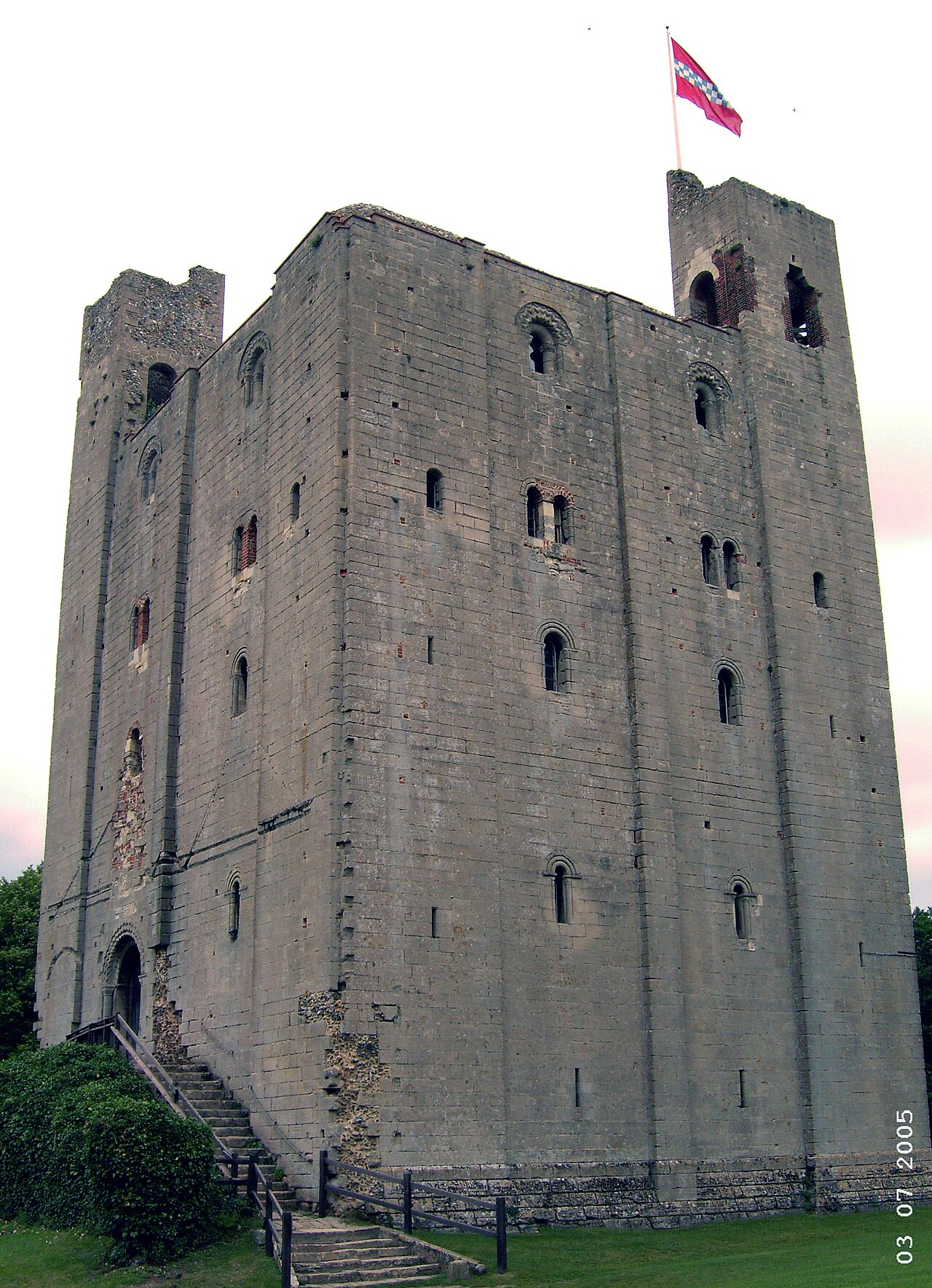
The most prominent surviving element of the original estate is the three-story Tudor gatehouse, constructed of brick and notable for its octagonal turrets and the distinctive Italian-style oriel window. This gatehouse served as the ceremonial entrance to the Tudor country house and remains a fine example of Tudor architecture influenced by contemporary noble residences.
The original medieval castle’s defensive earthworks, including the moat, ditch, and wooden palisade, have mostly vanished or been altered. Tudor modifications raised the building platform to accommodate the new house and formal gardens. Although the extensive Tudor house no longer stands, historical records and archaeological remains provide insight into its layout, including the long gallery, banqueting house, and the carefully planned gardens with water features.
Today, Kirtling Tower is recognized as a Grade I listed building and a scheduled monument, reflecting its architectural significance and rich historical associations. It remains a symbol of the transition from medieval fortification to Renaissance country house, embodying centuries of English noble life and architectural evolution.
Frequently asked questions (FAQ)
- How do I get to Kirtling Tower?
- Kirtling Tower is located in the picturesque countryside of the United Kingdom, making it accessible by car or public transport. The nearest railway station is approximately 5 miles away, and local buses can provide a convenient option for reaching the castle.
- What is the historical significance of Kirtling Tower?
- Kirtling Tower dates back to the 15th century and is a remarkable example of medieval architecture. It played a significant role in the region's history, serving as a residence for notable families and a strategic defensive structure during turbulent times.
- When was Kirtling Tower built?
- Kirtling Tower was constructed in the late 1400s, specifically around 1470. It reflects the architectural style of its time, showcasing the grandeur and fortification techniques of the late medieval period.
- Can I visit Kirtling Tower?
- Yes, Kirtling Tower is open to visitors, and exploring its historic grounds is a unique experience. Be sure to check the official website for any updates on visitor access and guided tour availability.
- Why is Kirtling Tower an architectural marvel?
- Kirtling Tower is considered an architectural marvel due to its impressive stone construction and unique features, such as its tall, narrow windows and crenellated roofline. These elements showcase the ingenuity and craftsmanship of medieval builders, making it a fascinating site for architecture enthusiasts.
- Is it possible to host events at Kirtling Tower?
- Yes, Kirtling Tower offers options for hosting events, including weddings and private gatherings. The stunning backdrop of the castle provides a memorable setting, but it's recommended to contact the management for specific details and availability.
- What are the opening hours for Kirtling Tower?
- Kirtling Tower typically opens to the public from 10 AM to 4 PM during the tourist season. However, it's advisable to check the official website for any seasonal changes or special events that may affect opening hours.
- What is the best time to visit Kirtling Tower?
- The best time to visit Kirtling Tower is during the spring and early autumn when the weather is pleasant, and the surrounding landscape is at its most beautiful. These seasons also tend to see fewer crowds, allowing for a more relaxed exploration of the castle.
- Are there any nearby attractions to Kirtling Tower?
- Yes, there are several nearby attractions, including historic towns and beautiful natural parks. Visitors can explore other castles, quaint villages, and scenic walking trails, making it a great area for a full day of sightseeing.
- What are the ticket prices for Kirtling Tower?
- Ticket prices for Kirtling Tower vary depending on the type of visit, such as guided tours or special events. It is recommended to check the official website for the most current pricing information and any available discounts for families or groups.
Information
Website
Visit websiteSources & official resources
Verify the information above using these authoritative references.
Loading map...
Visitor reviews
No reviews yet. Been here? Write the first review and help other travelers!
Write the first reviewVisited this castle? Share your experience
Your review helps other travelers and adds first-hand knowledge to our encyclopedia.