Kinloch Castle
Kinloch Castle stands as a remarkable example of a late Victorian mansion, constructed between 1897 and 1900 on the Isle of Rum, part of the Inner Hebrides off the west coast of Scotland. This grand residence was built as a private retreat for Sir George Bullough, a wealthy textile magnate from Lancashire, whose family owned the island as a summer residence and shooting estate. The castle reflects the opulence and ambitions of its era, showcasing a blend of architectural grandeur and lavish interior design that was rare for such a remote location.
Architectural design and construction
The design of Kinloch Castle was entrusted to the London architectural firm Leeming & Leeming, known for their work in the late Victorian period. The castle's construction was a massive undertaking, employing around 300 workers from the nearby island of Eigg and mainland Lancashire. The project cost approximately £250,000, an enormous sum at the time, reflecting the ambition and luxury invested in the estate.
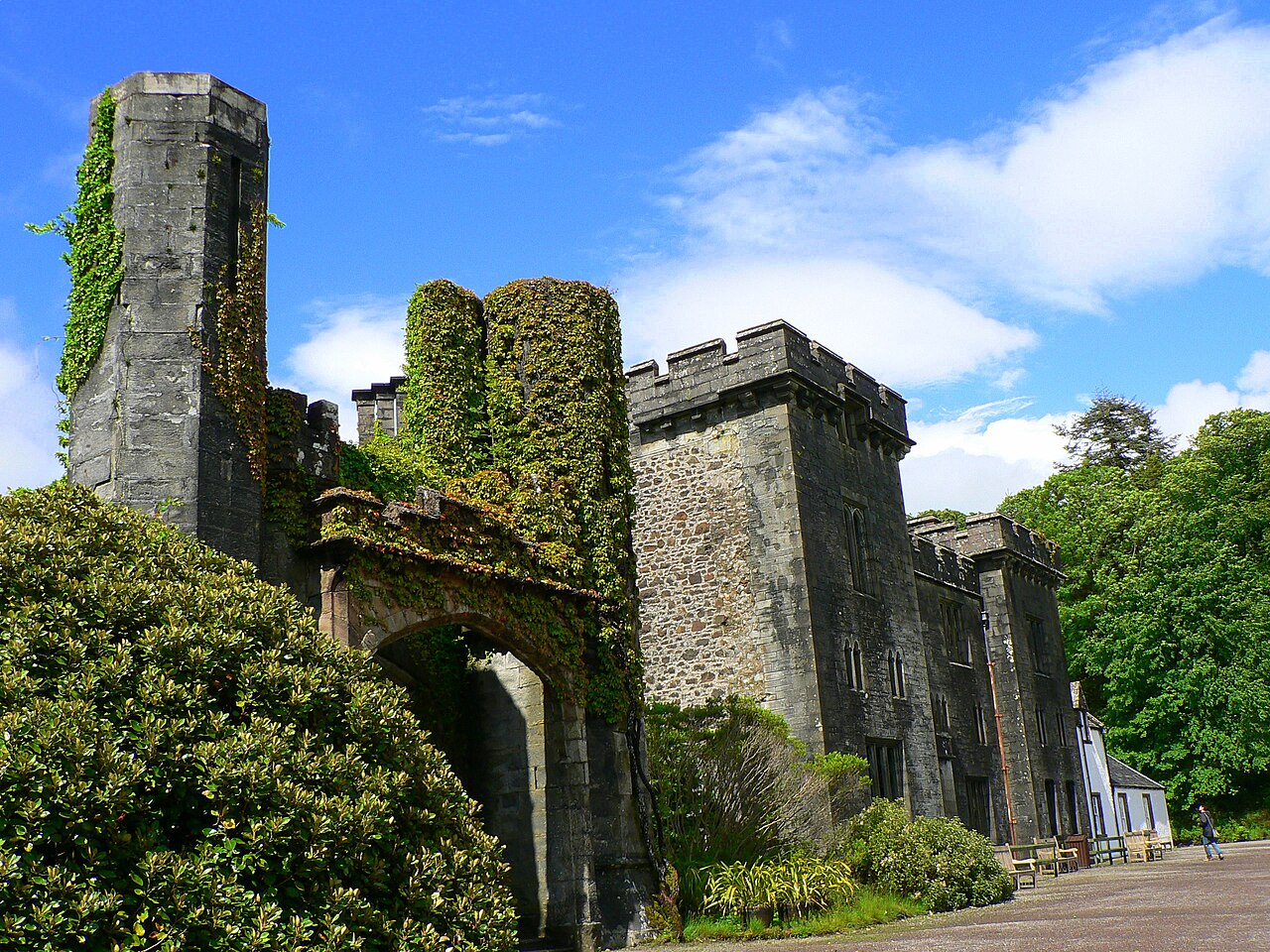
The mansion is built in a robust and imposing style typical of the Victorian era, featuring substantial stone masonry and elaborate detailing. The layout includes numerous reception rooms, bedrooms, and service areas designed to accommodate the social and recreational needs of Bullough and his guests during the shooting season. The castle's interiors were richly decorated and furnished with an extensive collection of artifacts and fine furnishings, emphasizing the wealth and status of its owner.
Gardens and estate features
Surrounding Kinloch Castle are extensive formal and informal gardens, which include a water garden and a Japanese garden, showcasing the Victorian fascination with exotic landscaping styles. These gardens were carefully planned to complement the natural beauty of the island and provide a serene environment for leisure and entertainment.
Among the more unusual features of the estate was the housing of alligators, a testament to Bullough's eccentric tastes and the castle's role as a showcase of exotic and luxurious living. The estate was also equipped with modern conveniences for its time, reflecting the technological advances of the late 19th century.
Historical significance and later history
During Bullough's residency, his yacht Rhouma was moored in the bay in front of the castle. Notably, the yacht was repurposed as a hospital ship during wartime, bringing wounded soldiers back to Kinloch Castle. For his contributions to the war effort, Bullough was knighted in 1901. While Kinloch Castle was not his primary residence, it served as an exclusive retreat for Bullough and his hunting companions during the shooting season.
Following the First World War, Bullough's fortunes declined, leading to the gradual neglect of the estate. Over time, the castle fell into disrepair, reflecting the broader economic and social changes that affected many such country estates in the 20th century.
Modern status and preservation
Today, Kinloch Castle and the Isle of Rum are owned by Scottish Natural Heritage, the public body responsible for managing Scotland's natural environment and historic sites. The castle is protected as a category A listed building, recognizing its national architectural and historic importance. The surrounding grounds are included in the Inventory of Gardens and Designed Landscapes in Scotland, highlighting their significance as a designed historic landscape.
Part of the castle has been adapted to serve as a hostel, providing visitors with a unique opportunity to experience the grandeur of this remote Victorian mansion firsthand. Despite its partial decline, Kinloch Castle remains a fascinating study in late Victorian architecture and the lifestyle of Britain's industrial elite during the turn of the 20th century.
Architectural features and layout
The castle's structure is characterized by its substantial stone walls, multiple towers, and intricate detailing typical of the period's eclectic Victorian style. The interior layout was designed to accommodate both formal entertaining and private leisure, with grand halls, drawing rooms, and numerous bedrooms. Service areas were extensive, reflecting the needs of a large household staff required to maintain the estate and support the lavish lifestyle of its owner.
The use of modern building techniques and materials was evident, including advanced heating and plumbing systems for the time. The castle's design also incorporated large windows to maximize natural light and offer expansive views of the surrounding island landscape and sea.
Cultural and heritage significance
Kinloch Castle is an important cultural landmark on the Isle of Rum, symbolizing the intersection of industrial wealth and rural Scottish heritage. It offers insight into the social history of the British upper class during the late Victorian and Edwardian periods, particularly the practice of country sports and seasonal retreats.
The castle and its grounds continue to attract historians, architects, and visitors interested in Victorian architecture, historic preservation, and Scottish natural heritage. Its unique location and history provide a compelling narrative of luxury, decline, and conservation in a remote island setting.
Frequently asked questions (FAQ)
- How do I get to Kinloch Castle on the Isle of Rum?
- Kinloch Castle is located on the Isle of Rum, accessible by ferry from the mainland of Scotland, typically from Mallaig. Visitors should check ferry schedules in advance due to limited services.
- What is the historical significance of Kinloch Castle?
- Kinloch Castle was built as a luxurious Victorian mansion for Sir George Bullough, reflecting the wealth and lifestyle of Britain's industrial elite in the late 19th century. It also played a role during World War I when Bullough's yacht served as a hospital ship.
- Can I stay overnight at Kinloch Castle?
- Yes, part of Kinloch Castle operates as a hostel, offering a unique opportunity to experience the historic mansion and its remote island setting firsthand.
- Is Kinloch Castle open to the public?
- The castle is partially open to visitors, particularly the hostel areas. Access to other parts may be limited due to preservation efforts and the building's condition.
- Why is Kinloch Castle considered architecturally significant?
- Kinloch Castle exemplifies late Victorian architecture with its robust stone construction, eclectic style, and incorporation of modern amenities for its time, designed by the notable firm Leeming & Leeming.
Information
Sources & official resources
Verify the information above using these authoritative references.
Loading map...
Visitor reviews
No reviews yet. Been here? Write the first review and help other travelers!
Write the first reviewVisited this castle? Share your experience
Your review helps other travelers and adds first-hand knowledge to our encyclopedia.