King Friedrich Wilhelm I Fort
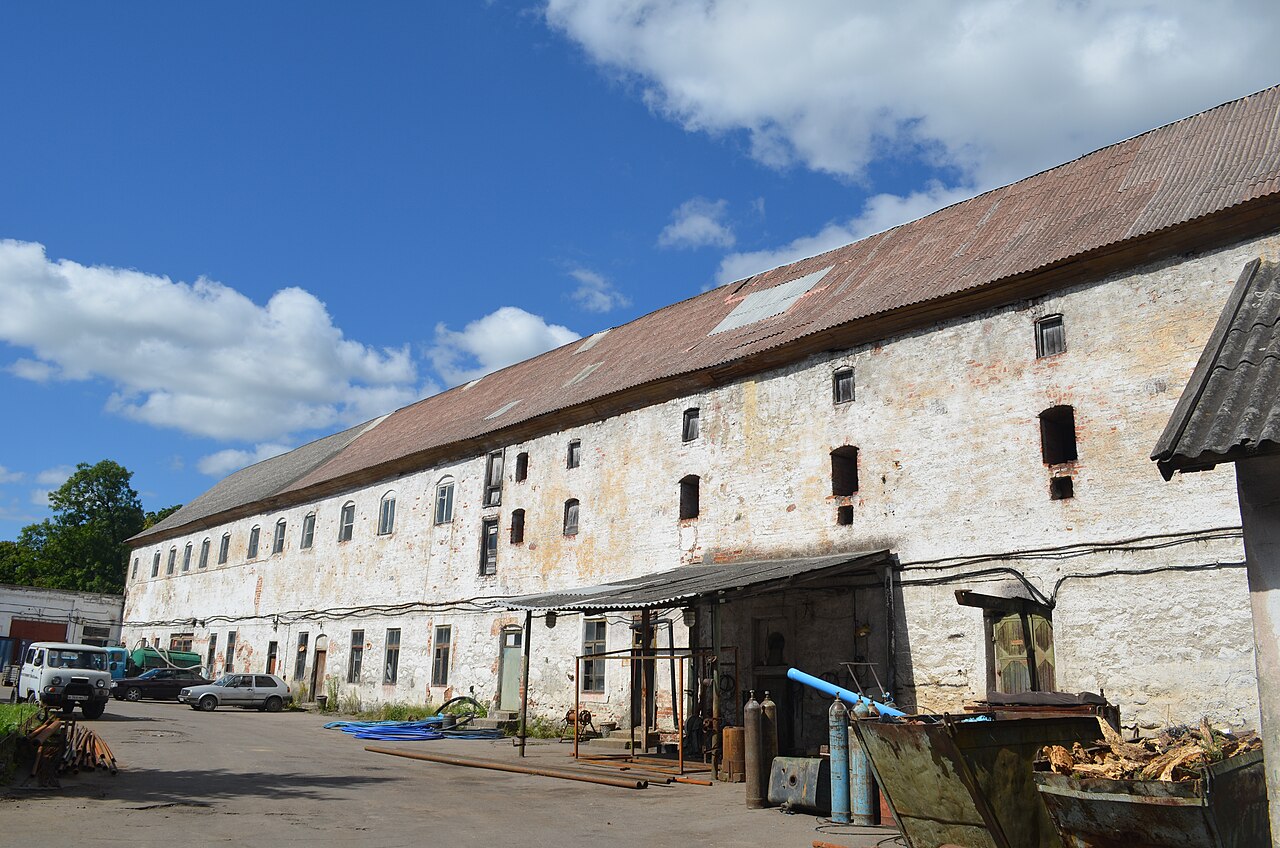
King Friedrich Wilhelm I Fort, also known as Fort Nr. 3 and originally called Quednau, stands as a significant military structure within the historic fortification system of Königsberg, now Kaliningrad. Constructed between 1872 and 1884, this fort was the largest among the network of defensive works designed to protect the city. Its strategic location atop a prominent height allowed for commanding views of the surrounding landscape and provided a tactical advantage in defense.
Architectural design and defensive features
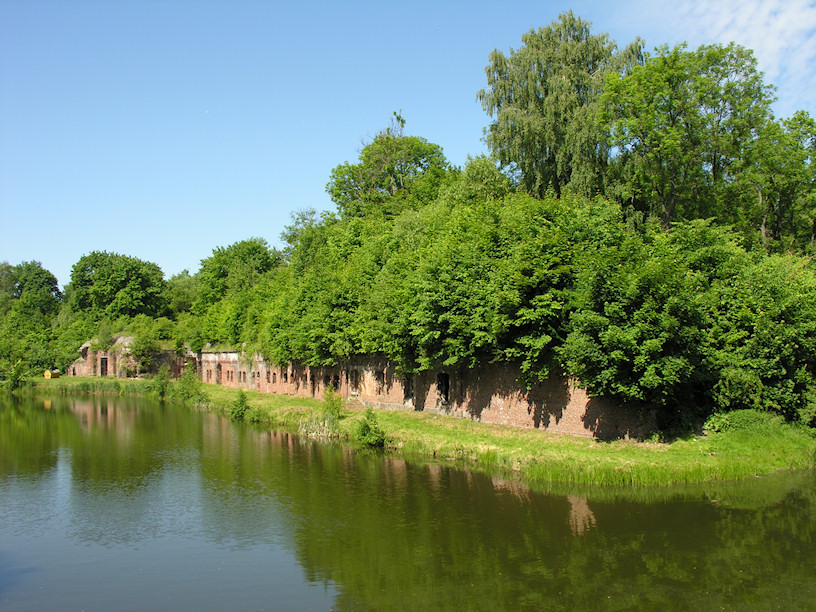
The fort was built as a modern military installation in the late 19th century, reflecting advances in fortification techniques of the period. It was surrounded by a dry ditch, a defensive trench that hindered enemy approach and facilitated the fort's protection without the complications of a water-filled moat. The walls incorporated multiple embrasures, openings designed for defensive fire, allowing defenders to repel attackers while remaining shielded. These features contributed to the fort's resilience during sieges and assaults.
Role in military history
During the Königsberg storm in World War II, the fort was a focal point of intense resistance. The garrison stationed there held out against advancing forces until April 9, 1945, when the remaining defenders were captured. This event marked the end of the fort's active military defense role in the war. Following the conflict, the fort continued to serve military purposes, housing an army division during the post-war period.
Archaeological significance and preservation
After the army division vacated the site, archaeologists conducted extensive excavations, uncovering over 30,000 artifacts linked to the former Prussia Museum. These findings have contributed valuable insights into the region's military and cultural history. Today, the fort's condition is classified as partially preserved, with many of its original structures still intact, offering a tangible connection to the past.
Location and current status
Located in Kaliningradskaya oblast', within the city of Kaliningrad, the fort remains a prominent historical landmark. Its preservation allows visitors and historians to explore a key element of the city's defensive heritage. The fort exemplifies the transition from traditional fortifications to more modern military architecture during a transformative period in European military history.
Architectural and historical context
The construction period of 1872-1884 places the fort within the broader context of late 19th-century military engineering, characterized by adaptations to new artillery technologies and changing warfare tactics. The fort's design reflects a shift from medieval castle concepts to more utilitarian and strategically planned fortresses, emphasizing functionality and defensive efficiency.
Strategic importance within königsberg's defenses
As the largest fort in the Königsberg fortification system, King Friedrich Wilhelm I Fort played a central role in the city's defense network. Its placement on elevated terrain maximized its effectiveness in surveillance and artillery deployment, forming a critical component of the layered defensive strategy intended to protect Königsberg from invasion.
Post-war military use and transition
Following the devastation of World War II, the fort's continued use by military forces underscores its enduring strategic value. However, the departure of the army division and subsequent archaeological work marked a transition from active military use to heritage preservation and historical study.
Frequently asked questions (FAQ)
- How do I get to King Friedrich Wilhelm I Fort?
- King Friedrich Wilhelm I Fort is located in Kaliningrad, Russian Federation, and can be reached via public transport or by car. The nearest bus stop is just a short walk from the entrance, making it accessible for visitors. If you are driving, there is parking available nearby.
- What is the historical significance of King Friedrich Wilhelm I Fort?
- King Friedrich Wilhelm I Fort, built in the early 18th century, served as a vital defensive structure for the Prussian military. It played a significant role during various conflicts, including World War II, and offers insights into military architecture of the time. Today, it stands as a monument to the region's rich history and military past.
- When was King Friedrich Wilhelm I Fort built?
- Construction of King Friedrich Wilhelm I Fort began in 1719 and was completed in 1726. It was designed by the renowned architect Johann Gottfried Steinbrinck, showcasing the military engineering of the era. The fort has been preserved over the years and remains a popular historical site.
- Can I visit King Friedrich Wilhelm I Fort year-round?
- Yes, King Friedrich Wilhelm I Fort is open to visitors throughout the year, although some areas may be restricted during winter months due to weather conditions. It’s advisable to check the official website for any seasonal changes in accessibility. Guided tours are available, providing an informative experience regardless of the season.
- Why is King Friedrich Wilhelm I Fort an architectural marvel?
- The fort features an impressive bastion design, typical of the fortifications of its time, with thick walls and intricate stonework. Its unique layout and strategic positioning highlight the military strategies of the 18th century. Visitors can appreciate not just its historical significance but also its architectural beauty, which has been well-preserved.
- Is it possible to take guided tours at the fort?
- Yes, guided tours are available at King Friedrich Wilhelm I Fort and are highly recommended for an enriched experience. Knowledgeable guides provide insights into the fort's history, architecture, and significant events. Tours are typically conducted in multiple languages to cater to a diverse audience.
- What are the opening hours for King Friedrich Wilhelm I Fort?
- King Friedrich Wilhelm I Fort is open daily, but hours may vary seasonally. Generally, it opens at 10 AM and closes at 6 PM during the summer months, while winter hours may be shorter. It's best to check the official website for the most current opening hours before your visit.
- What are the ticket prices for visiting King Friedrich Wilhelm I Fort?
- Ticket prices for King Friedrich Wilhelm I Fort are quite reasonable, with discounts available for students and seniors. Adults typically pay a standard entry fee, while children under a certain age may enter for free. Special rates may apply for guided tours, so it's a good idea to check ahead for any promotions or changes in pricing.
- What nearby attractions can I visit after touring the fort?
- After visiting King Friedrich Wilhelm I Fort, you can explore several nearby attractions, including the Kaliningrad Regional Museum of History and Arts and the beautiful Botanical Garden. The Kaliningrad Zoo is also a short distance away, making it a great spot for families. Don't miss the chance to stroll through the historic city center to experience local culture and cuisine.
Information
Loading map...
Visitor reviews
No reviews yet. Been here? Write the first review and help other travelers!
Write the first reviewVisited this castle? Share your experience
Your review helps other travelers and adds first-hand knowledge to our encyclopedia.