Kinburn fortress is a historic military stronghold located on the Kinburn Peninsula in Ukraine. Constructed in the 17th century, this hill castle was built primarily for defensive purposes, guarding the entrance to the Dnieper-Bug estuary and the Black Sea coast. It played a significant role in regional conflicts due to its strategic position controlling naval and land access.
Historical background and strategic importance
The Kinburn fortress was established during the Renaissance period, a time when fortifications evolved to counter the increasing use of artillery. Its location on a narrow peninsula made it a critical point for controlling maritime traffic and protecting the surrounding territories from invasions. Throughout its history, the fortress witnessed numerous military engagements, including involvement in Russo-Turkish wars and conflicts between regional powers in Eastern Europe.
Architectural features and design
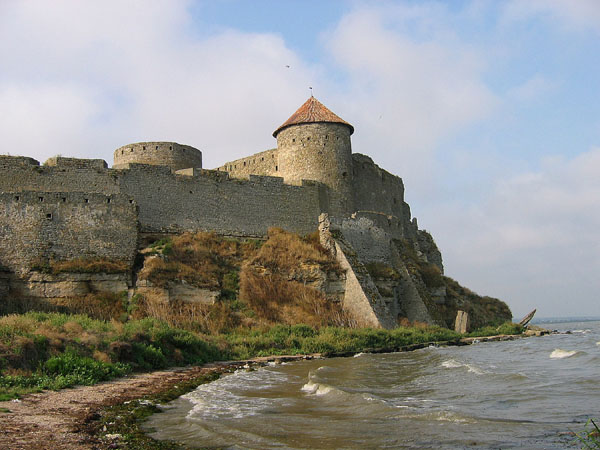
Designed as a hill castle, Kinburn fortress utilized the natural elevation of the terrain to enhance its defensive capabilities. The fortress incorporated thick bastioned walls typical of Renaissance military architecture, designed to withstand cannon fire. Its layout included bastions and ramparts arranged to provide overlapping fields of fire, minimizing blind spots.
The fortress featured moats and curtain walls that enclosed the inner courtyard, where essential facilities such as barracks, armories, and command posts were located. The use of angled bastions reflected the influence of the Italian school of fortification, which was widespread in Europe during the Renaissance.
Defensive structures
Kinburn's defensive system was enhanced by the presence of artillery platforms positioned on the bastions, allowing defenders to mount cannons with a wide range of fire. The fortress also included gatehouses fortified with heavy doors and portcullises to control access. The design emphasized both passive defense through thick walls and active defense through strategically placed artillery.
Role in regional conflicts
Due to its strategic location, Kinburn fortress was a focal point in several military campaigns. It was contested during the Russo-Turkish wars, where control over the Black Sea coast was crucial. The fortress changed hands multiple times, reflecting the shifting balance of power in the region.
Its military significance declined with the advent of more modern fortifications and changes in naval warfare, eventually leading to its partial abandonment. However, the fortress remains an important cultural and historical site, illustrating the military architecture and regional history of Eastern Europe during the Renaissance.
Current condition and preservation
Today, Kinburn fortress is classified as partially preserved. While some sections of its walls and bastions remain intact, other parts have deteriorated due to natural erosion and lack of continuous maintenance. Efforts have been made to preserve the site as a cultural monument, and it attracts visitors interested in military history and Renaissance fortifications.
The fortress's setting on the Kinburn Peninsula also offers scenic views of the surrounding estuary and coastline, adding to its appeal as a historical tourist destination.
Visiting Kinburn fortress
Visitors to Kinburn can explore the remaining structures and learn about its history through informational displays and guided tours available during certain seasons. The remote location means access may require planning, but the experience offers insight into the military engineering of the Renaissance and the complex history of the Black Sea region.
Frequently asked questions (FAQ)
- What is the historical significance of Kinburn Castle?
- Kinburn Castle, located in Ukraine, holds immense historical significance as it was built in the 18th century and served as a military fortification. It played a crucial role during various conflicts, particularly during the Russo-Turkish Wars, showcasing the strategic importance of its location near the Black Sea.
- When was Kinburn Castle built?
- Kinburn Castle was constructed in the early 18th century, with its foundation laid around 1770. The castle was designed to protect the coastline and played a pivotal role in the defense strategies of the region during its operational years.
- How do I visit Kinburn Castle?
- To visit Kinburn Castle, you can reach the nearby town of Kinburn by car or public transportation. The castle is open to visitors year-round, but it is advisable to check local tourism websites for any guided tours or special events that may enhance your experience.
- Is there an entry fee to visit Kinburn Castle?
- Yes, there is a nominal entry fee to visit Kinburn Castle, which helps maintain the site and provide guided tours. Ticket prices may vary depending on the season and any special events, so it is best to check in advance.
- What are the opening hours for Kinburn Castle?
- Kinburn Castle is generally open to visitors from 9 AM to 5 PM daily, but these hours may vary during holidays and off-peak seasons. It is recommended to confirm the current opening hours before planning your visit.
- Can I access Kinburn Castle by public transport?
- Yes, Kinburn Castle can be accessed by public transport, with various bus and train services operating in the region. However, the frequency may vary, so checking the schedule in advance is advisable for a smoother journey.
- When is the best time to visit Kinburn Castle?
- The best time to visit Kinburn Castle is during the spring and early autumn months when the weather is mild and pleasant for sightseeing. This period also allows you to enjoy the beautiful surrounding landscapes and avoid the peak tourist crowds.
- What nearby attractions can I explore when visiting Kinburn Castle?
- When visiting Kinburn Castle, you can also explore the nearby Kinburn Spit, a beautiful natural reserve known for its unique flora and fauna. Additionally, the coastal areas offer various recreational activities, including beach outings and nature walks.
Photo gallery

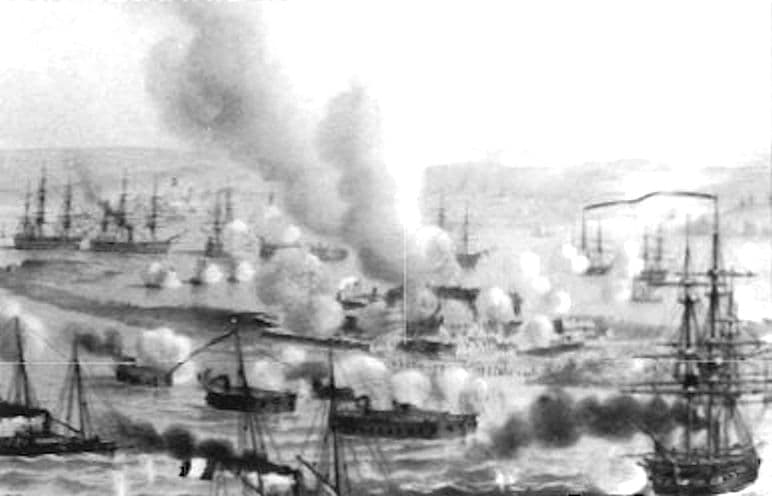
Photo by 1855 anonymous print•Public domain
Information
Loading map...
Visitor reviews
No reviews yet. Been here? Write the first review and help other travelers!
Write the first reviewVisited this castle? Share your experience
Your review helps other travelers and adds first-hand knowledge to our encyclopedia.