Or Qapi — Ukraine castle

Or Qapi

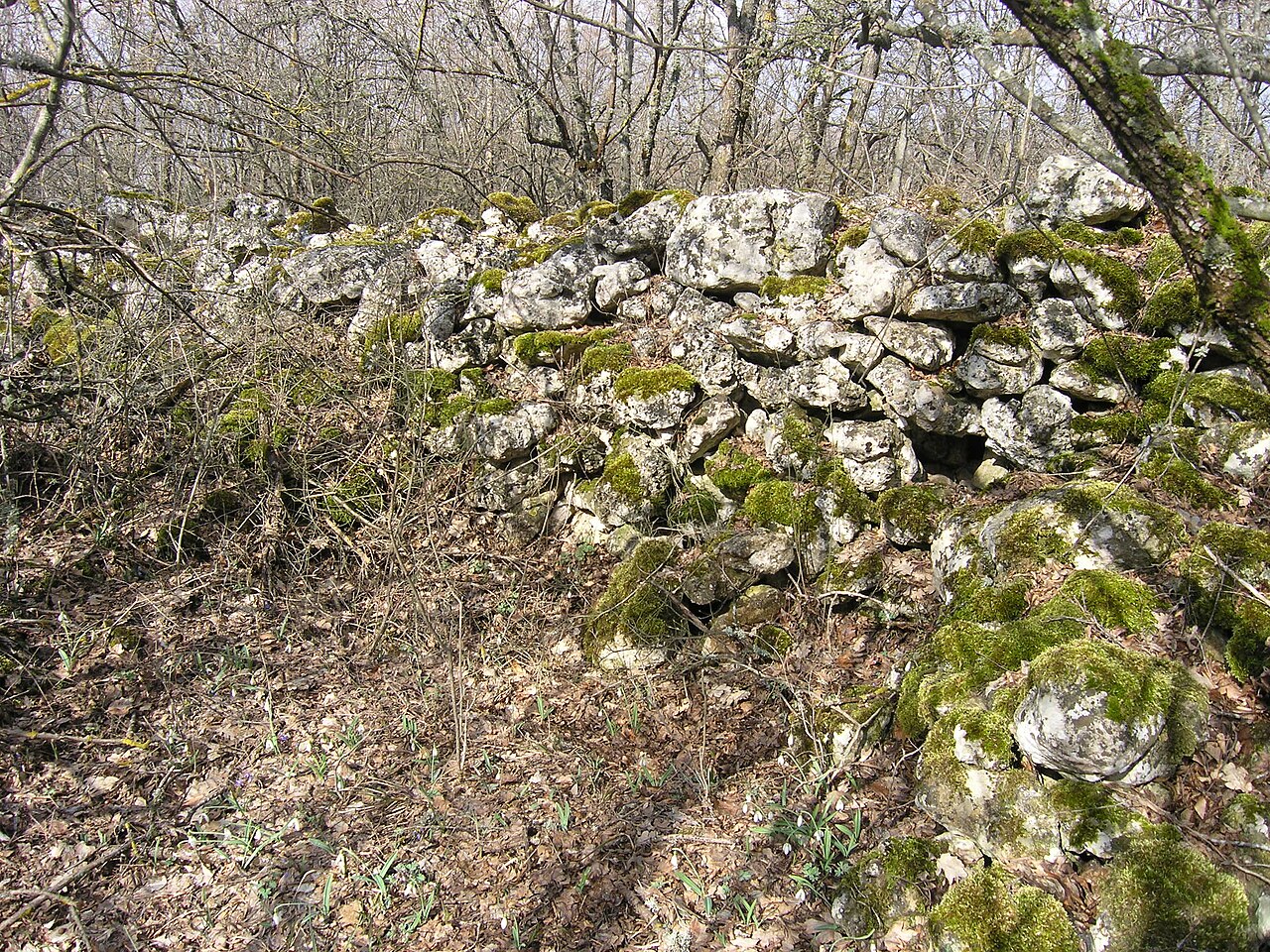
Or Qapi fortress near Perekop, Ukraine
Perekop, Ukraine
Renaissance (15th–17th c.)
Ruins

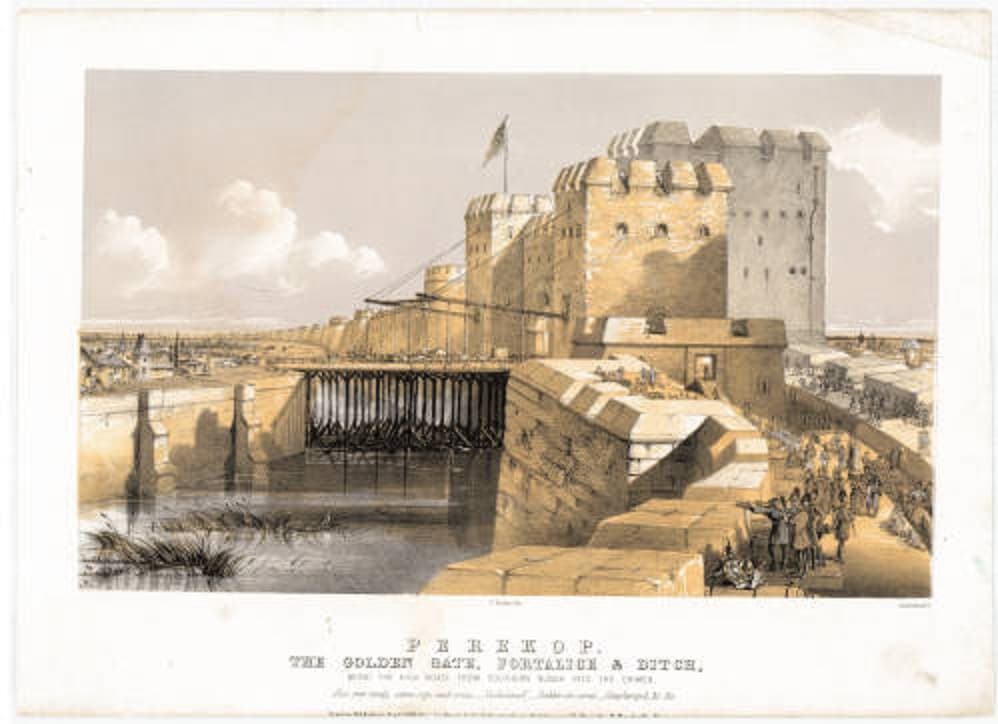
Or Qapi fortress, also known historically as the Perekop fortress, is a significant 16th-century Renaissance military structure located near the settlement of Perekop on the Perekop isthmus. This narrow land bridge connects the Crimean peninsula to the Ukrainian mainland, making the fortress a crucial defensive point controlling access to Crimea from the north.

Strategic importance and historical context

The fortress's position on the isthmus gave it immense strategic value throughout history. It served as a military stronghold guarding the only land route into Crimea, which was a contested region for centuries. The name "Or Qapi" translates roughly to "Gate of the Fortress" or "Gate of the City" in Crimean Tatar, reflecting its role as a gateway.

Originally constructed in the 16th century, Or Qapi was part of the defensive network of the Crimean Khanate, a significant power in the region during the Renaissance period. The fortress was repeatedly contested in various conflicts involving the Crimean Tatars, the Ottoman Empire, and neighboring powers such as the Russian Tsardom and the Polish-Lithuanian Commonwealth.

Architectural features and layout

Although today Or Qapi exists largely as ruins, archaeological studies have revealed its original layout and key architectural elements. The fortress was built primarily from stone and brick, typical of Renaissance military architecture in Eastern Europe. Its design incorporated thick defensive walls and bastions to withstand artillery attacks, reflecting advancements in fortification techniques of the time.

The fortress complex included curtain walls with bastions at intervals for cannon placements, a main gatehouse controlling access, and internal structures such as barracks and storage facilities. The walls were surrounded by a moat fed by nearby water sources, enhancing its defensive capabilities.

Defensive innovations

Or Qapi's fortifications show adaptations to Renaissance military engineering, including angled bastions designed to eliminate blind spots and provide overlapping fields of fire. This style of fortification was a response to the increasing use of gunpowder artillery, which rendered earlier medieval walls vulnerable.

Role in regional conflicts

Throughout its history, Or Qapi fortress was a focal point in numerous military campaigns due to its control over the Crimean gateway. It saw action during the Russo-Turkish wars and was a contested site between the Ottoman Empire and the Russian Empire. Its control was vital for dominance over Crimea and access to the Black Sea.

The fortress's decline began in the late 18th and early 19th centuries as military technology and political borders changed. Eventually, it fell into disuse and became a ruin, but it remains an important archaeological site that offers insights into Renaissance fortification methods in Eastern Europe.

Archaeological significance and preservation

Today, Or Qapi stands as archaeological ruins that attract historians and archaeologists interested in Renaissance military architecture and Crimean history. Excavations have uncovered artifacts and structural remains that help reconstruct the fortress's original appearance and function.

Efforts to preserve the site focus on maintaining its ruins and preventing further deterioration. The fortress's location on the Perekop isthmus continues to symbolize the historical significance of this narrow land corridor between Crimea and the mainland.

Visitor information and accessibility

While the fortress is in ruins, it is accessible to visitors interested in exploring the remains and learning about the region's military history. Due to its condition, visitors should be prepared for uneven terrain and limited facilities. The site offers a unique glimpse into the defensive strategies employed during the Renaissance period in Eastern Europe.

Frequently asked questions (FAQ)

How do I get to Or Qapi Castle?
You can reach Or Qapi Castle by taking a bus or taxi from the nearby city of Perekop. The castle is located just a short distance from the city center, making it accessible for visitors.
What is the historical significance of Or Qapi Castle?
Or Qapi Castle has a rich history, dating back to the 15th century when it served as a strategic fortification. It played a crucial role during various conflicts in the region, reflecting the architectural styles and military strategies of its time.
When was Or Qapi Castle built?
Or Qapi Castle was constructed in the late 15th century, specifically around 1475. It was built by the Crimean Tatars and has since undergone several renovations to preserve its structure.
Can I take guided tours at Or Qapi Castle?
Yes, guided tours are available at Or Qapi Castle, providing visitors with an in-depth understanding of its history and architecture. These tours typically include access to key areas of the castle and informative commentary from knowledgeable guides.
Why is Or Qapi Castle considered an architectural gem?
Or Qapi Castle is renowned for its unique blend of military and civil architectural styles, showcasing intricate stonework and defensive features. Its design reflects the cultural influences of various civilizations that have occupied the region over the centuries.
Is it possible to visit Or Qapi Castle year-round?
Yes, Or Qapi Castle is open to visitors year-round, although accessibility may vary depending on weather conditions in winter. The best time to visit is during the spring and fall when the weather is pleasant for exploring.
What are the opening hours for Or Qapi Castle?
Or Qapi Castle is typically open from 9 AM to 5 PM, with extended hours during the summer months. It's advisable to check the official website or local listings for any changes in opening times.
Are there any nearby attractions to visit along with Or Qapi Castle?
Yes, nearby attractions include the picturesque landscapes of the Perekop area and other historical sites such as ancient forts and local museums. Visitors can easily spend a day exploring the rich history and natural beauty of the region.
What are the ticket prices for visiting Or Qapi Castle?
Ticket prices for Or Qapi Castle are quite affordable, usually ranging from 50 to 100 UAH for adults, with discounts available for students and children. It's recommended to check for any special promotions or group rates before your visit.

Photo gallery

Or Qapi
Click to view

Photo by Packer, T•CC BY-SA 3.0

1 photo • Click any image to view in full screen

Information

Archaeological Site / Ruins

Current owner

State museum

Loading map...

Visitor reviews

No reviews yet. Been here? Write the first review and help other travelers!

Write the first review

Visited this castle? Share your experience

Your review helps other travelers and adds first-hand knowledge to our encyclopedia.
Write a review

(5/5)

0/2000 characters

Your review will be visible after admin approval

Nearby castles

157.9 km
Chufut-Kale — Ukraine castle

Chufut-Kale

, Ukraine

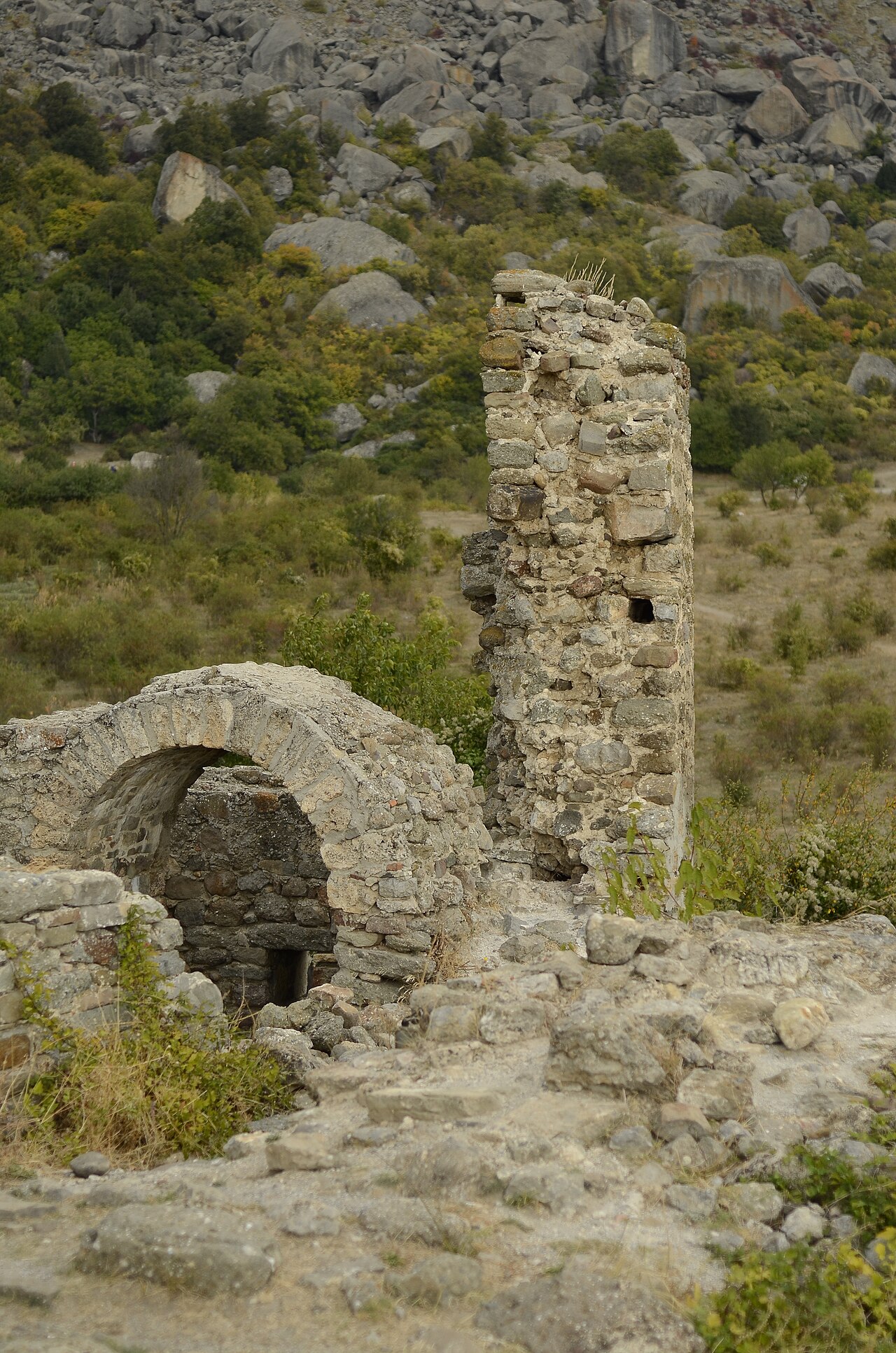
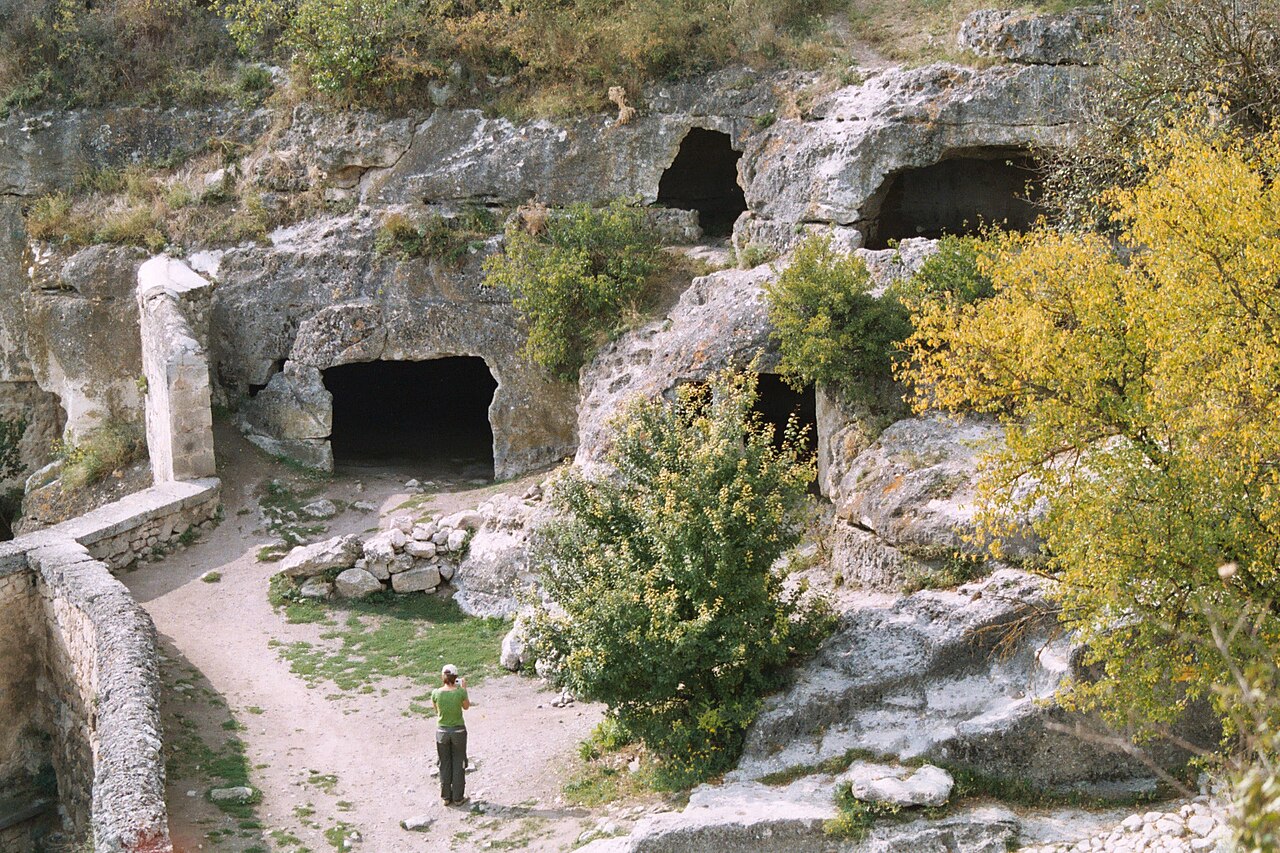
Chufut-Kale, located in the Crimean Mountains near Bakhchysarai, Ukraine, is a remarkable example of a medieval city-fortress that has survived in a state of ruins. This fortress is a significant cultural monument for the Crimean Karaites, a distinct ethnic and religious community with deep historical roots in the region. The fortress lies approximately 3 kilometers east of Bakhchysarai, the historic capital of the Crimean Khanate. The name Chufut-Kale derives from the Crimean Tatar and Turkish languages, meaning "Jewish Fortress" (çufut/çıfıt meaning Jew, and qale/kale meaning fortress). However, the Crimean Karaites themselves refer to the site simply as "Fortress," emphasizing its role as a historic center of their community. In the Middle Ages, the fortress was also known as Qırq Yer or "Place of Forty," and among the Karaites, it was called Sela' ha-Yehudim (Hebrew for "Rock of the Jews"). Historical background and cultural significance Chufut-Kale was established in the 6th century during the Early Medieval period. It served as a fortified settlement that played a crucial role in the defense and administration of the region. Over the centuries, it became a refuge and a cultural hub for the Crimean Karaites, a Turkic-speaking Jewish sect with unique religious traditions distinct from Rabbinic Judaism. The fortress's strategic location on a plateau in the Crimean Mountains provided natural defenses, with steep cliffs on most sides, making it difficult to assault. This geographic advantage was supplemented by man-made fortifications, including thick defensive walls and gates that controlled access to the settlement. Architectural features and layout The remains of Chufut-Kale reveal a complex layout typical of a medieval fortress adapted to its mountainous terrain. The fortress includes remnants of residential quarters, defensive walls, towers, and gates. The architecture reflects the practical needs of defense combined with the living requirements of its inhabitants. The settlement was built with local limestone, which has weathered over time but still shows the craftsmanship of its builders. The defensive walls were constructed to follow the natural contours of the plateau, enhancing their effectiveness. Several towers served as lookout points and strongholds in case of attack. Within the fortress, there were public buildings and houses arranged around courtyards, with narrow streets winding through the settlement. Archaeological excavations have uncovered artifacts that shed light on the daily life, trade, and religious practices of its residents. The fortress in the medieval period During the Middle Ages, Chufut-Kale was a thriving center for the Crimean Karaites. It was not only a defensive stronghold but also a cultural and religious center. The fortress housed synagogues and community buildings that served the spiritual and social needs of its inhabitants. The fortress's name, "Jewish Fortress," reflects the significant presence of the Karaite community, which maintained its traditions despite pressures from neighboring powers. The fortress was part of a network of settlements that helped preserve the unique identity of the Crimean Karaites. Decline and current condition Over time, Chufut-Kale lost its strategic importance and was gradually abandoned. The fortress suffered from natural decay and the effects of various conflicts in the region. Today, it stands as archaeological ruins, with many structures partially preserved or in a state of ruin. Despite its ruined condition, Chufut-Kale remains a vital cultural heritage site. It attracts visitors interested in medieval history, architecture, and the unique heritage of the Crimean Karaites. The site offers insight into the defensive architecture of the Early Medieval period and the social history of a minority community in Crimea. Visiting Chufut-Kale Visitors to Chufut-Kale can explore the remains of the fortress and enjoy panoramic views of the surrounding Crimean Mountains and the nearby city of Bakhchysarai. The site is accessible by road and is a popular destination for those interested in history and archaeology. Interpretive signs and guided tours provide information about the fortress's history, architecture, and the life of the Crimean Karaites. The site is protected as a national monument, ensuring its preservation for future generations.

Early Medieval (5th–10th c.)
Details
164.1 km
Burun Kaia — Ukraine castle

Burun Kaia

, Ukraine

Burun Kaia Castle is an early medieval hill castle located in Ukraine, notable for its strategic position and historical significance. Built in the 9th century, this castle exemplifies the defensive architecture typical of the period, designed to oversee and control the surrounding landscape.Historical context and significanceThe 9th century was a formative period in Eastern Europe, marked by the rise of fortified settlements as centers of power and defense. Burun Kaia Castle was constructed during this era to serve as a stronghold against invasions and to assert control over local territories. Its location on a hill provided a natural vantage point, enhancing its defensive capabilities and allowing for surveillance of approaching enemies.The castle likely played a role in regional power struggles and may have served as a refuge for local populations during times of conflict. While specific historical records about Burun Kaia are limited, its architectural features reflect the broader trends of early medieval fortifications in the region.Architectural features and layoutAs a hill castle, Burun Kaia was constructed to take full advantage of the elevated terrain. The castle's design would have included stone walls and possibly wooden structures, typical of early medieval fortresses. Defensive elements such as battlements, towers, and a gatehouse would have been integral to its fortifications.The layout likely consisted of an inner courtyard surrounded by defensive walls, with living quarters, storage facilities, and possibly a chapel within the enclosure. The use of local materials and construction techniques would have influenced the castle's appearance and durability.Defensive structuresBurun Kaia's defensive walls were probably thick and robust, designed to withstand sieges and attacks. The presence of towers would have allowed defenders to monitor the surrounding area and provide flanking fire against attackers. A gatehouse would have controlled access to the castle, often fortified with additional defenses like a portcullis or drawbridge.Current condition and preservationThe castle today exists primarily as archaeological ruins, with remnants of its walls and foundations visible. These ruins provide valuable insights into early medieval fortification techniques and settlement patterns in Ukraine. Preservation efforts focus on protecting the site from further deterioration and facilitating archaeological research.Visitors to the site can explore the remains and gain an understanding of the castle's historical role and architectural design, although facilities and detailed visitor information may be limited due to its remote location and condition.Cultural heritage and archaeological importanceBurun Kaia Castle holds significant cultural value as a representation of early medieval military architecture in Ukraine. Archaeological studies at the site contribute to knowledge about the region's history, settlement development, and defensive strategies during the early medieval period.The castle's ruins serve as a tangible connection to the past, offering educational opportunities for historians, archaeologists, and visitors interested in medieval fortifications and Eastern European history.

Early Medieval (5th–10th c.)
Details
164.7 km
Funa Fortress — Ukraine castle

Funa Fortress

, Ukraine

Funa fortress is a 15th-century bastioned fortress located in Ukraine, representing a significant example of late medieval military architecture in the region. Constructed during a period of frequent conflicts and territorial disputes, the fortress was designed to withstand artillery attacks, reflecting the evolution of fortification techniques in the late medieval period. Historical context and strategic importance The fortress was built in the 15th century, a time when the geopolitical landscape of Eastern Europe was marked by the rise of powerful states and the threat of invasions. Situated in a strategic location, Funa fortress served as a military stronghold to protect the surrounding lands from incursions. Its construction coincided with the increasing use of gunpowder weapons, which necessitated new defensive designs capable of resisting cannon fire. Architectural features and design Funa fortress is classified as a bastioned fortress, a style that emerged in response to the development of artillery. This type of fortress features angular bastions projecting from the main walls, allowing defenders to cover adjacent walls with flanking fire, eliminating blind spots. The fortress walls are typically thick and sloped to better absorb and deflect cannonballs. The layout of Funa fortress likely included a curtain wall connecting the bastions, a moat or ditch surrounding the perimeter, and a gatehouse fortified with defensive mechanisms such as portcullises and murder holes. Inside, the fortress would have contained barracks, armories, and storage facilities to support a garrison during sieges. Bastions and defensive innovations The bastions at Funa fortress are key to its defensive strength. Their angular design allowed defenders to fire along the faces of the walls, covering the approaches and preventing attackers from finding sheltered positions. This design was a significant advancement over earlier medieval castles with round towers, which had dead zones in their fields of fire. Preservation and current condition Today, Funa fortress stands as a partially preserved example of late medieval fortification. While some sections of the walls and bastions remain intact, others have suffered from the ravages of time and human activity. Efforts to maintain and restore parts of the fortress have aimed to preserve its historical and architectural significance for future generations. Cultural and heritage significance As a representative of late medieval bastioned fortresses in Ukraine, Funa fortress holds cultural and historical value. It offers insights into the military strategies and architectural responses to the advent of gunpowder weaponry in Eastern Europe. The fortress is a point of interest for historians, architects, and visitors interested in medieval military history and fortification design. Visitor experience and accessibility While detailed visitor information is limited, Funa fortress is accessible for those interested in exploring medieval fortifications. Visitors can observe the remaining bastions and walls, gaining an understanding of the fortress's defensive layout. The site provides a tangible connection to the region's turbulent history and the evolution of military architecture.

Late Medieval (14th–15th c.)
Details