Bender Fortress
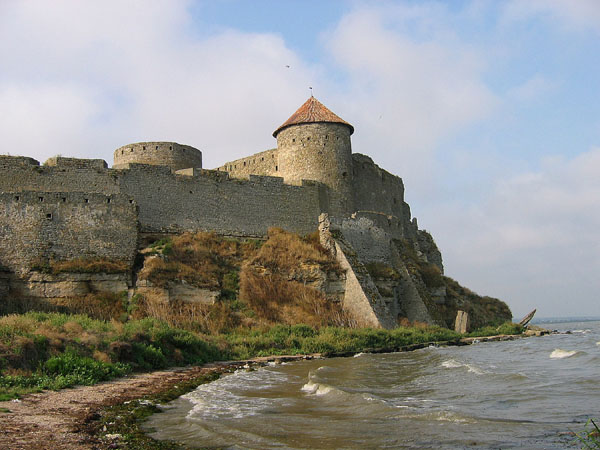
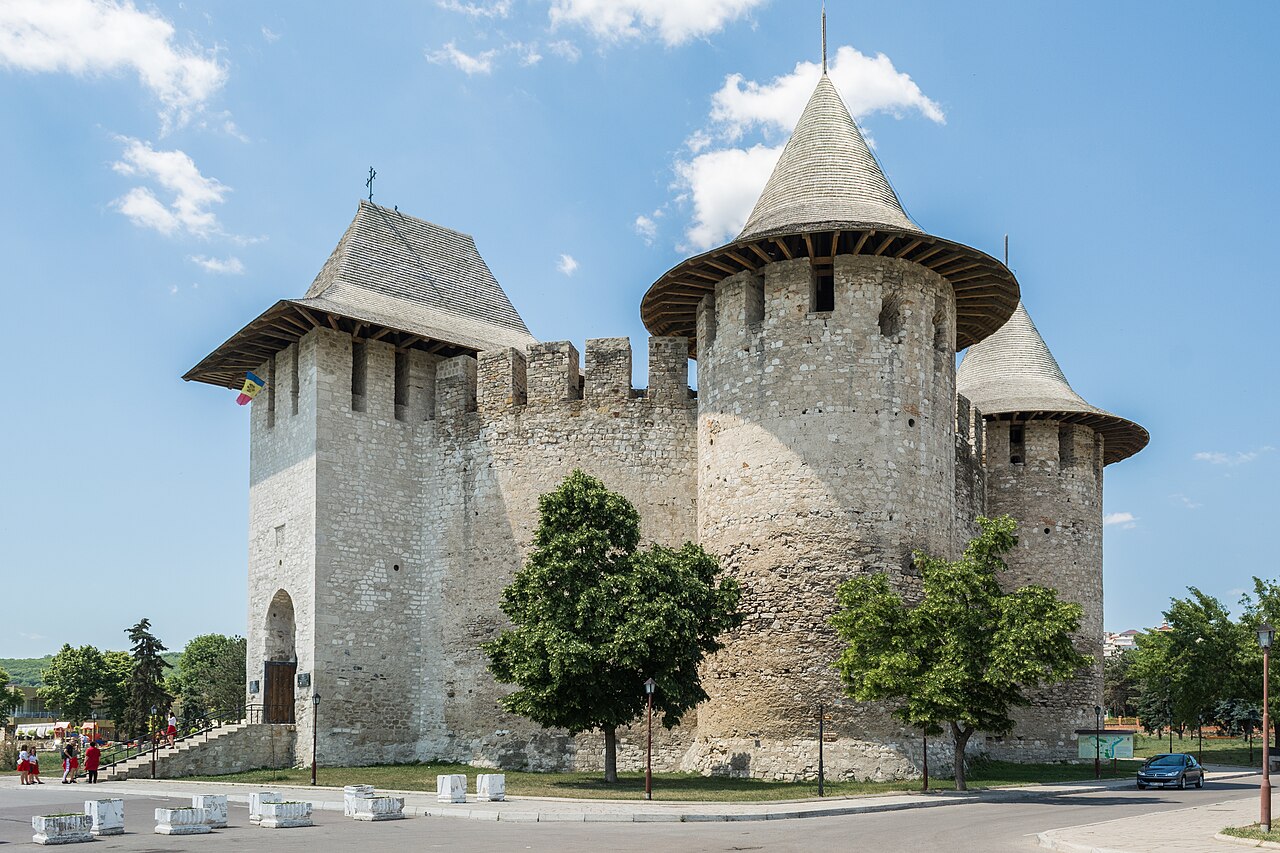
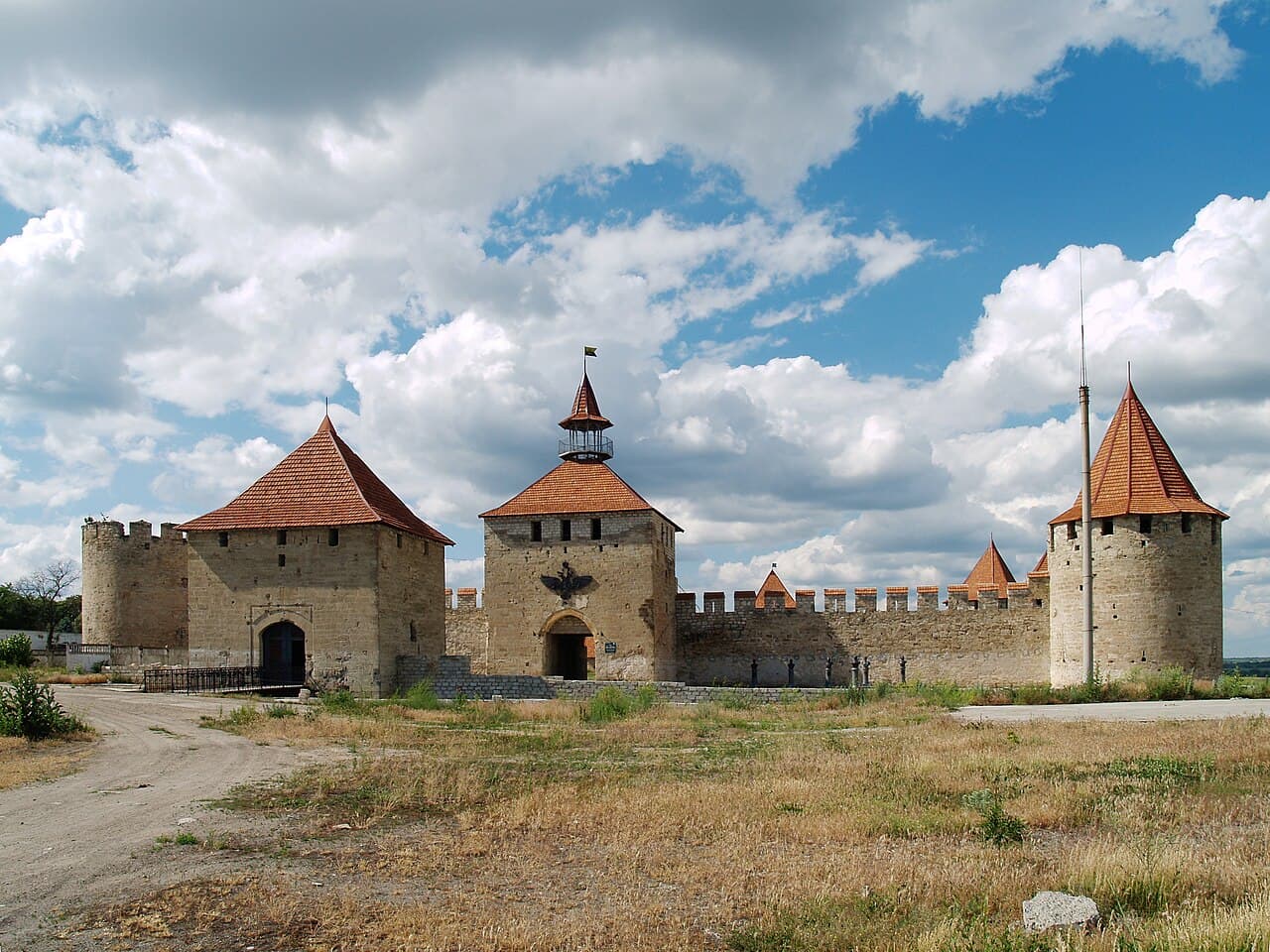
Bender Fortress, historically known as Tighina Fortress, is a significant 15th-century bastioned fortress located on the right bank of the Dniester River in the city of Bender (Tighina), Moldova. Originally constructed during the reign of Prince Stephen the Great, the fortress was initially built using earth and wood materials as a defensive stronghold in the region.
Early construction and strategic importance
The fortress's initial construction in the late medieval period was typical of the era's fortifications, relying on natural terrain and simple materials to establish a defensive position. Its location on the Dniester River was strategically chosen to control river crossings and protect the eastern borders of the Principality of Moldavia from incursions.
Ottoman conquest and reconstruction
In 1538, the fortress was conquered by the Ottoman Empire under Sultan Suleiman the Magnificent. Recognizing its strategic value, Suleiman ordered a comprehensive reconstruction and enlargement of the fortress, transforming it from its original earthen and wooden structure into a stone bastioned fortress. This reconstruction incorporated advanced military architectural features of the time, adapting the fortress to withstand artillery sieges and enhance its defensive capabilities.
Bastioned design and architectural features
The transformation into a bastioned fortress involved the addition of angled bastions projecting from the curtain walls, allowing defenders to cover adjacent walls with overlapping fields of fire. The walls were thickened and reinforced with stone, and the fortress included multiple defensive layers such as ramparts, moats, and gatehouses. The design reflected the evolution of military architecture in response to the increasing use of gunpowder artillery in the 16th century.
Historical significance and military role
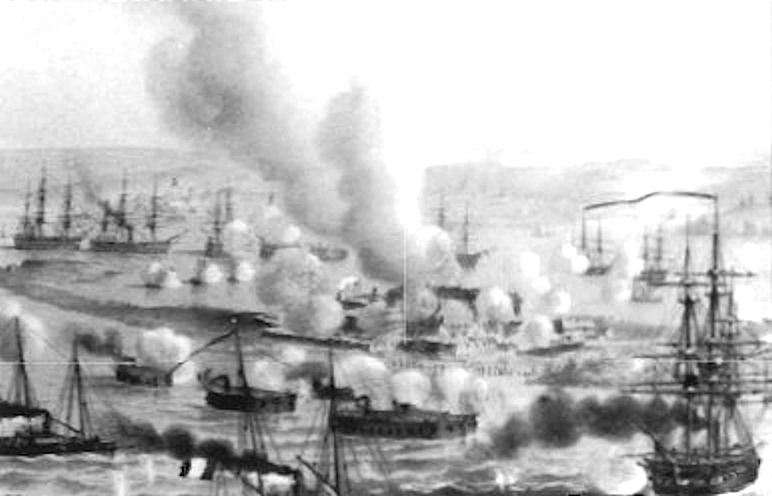
Throughout its history, Bender Fortress played a crucial role in the military conflicts of the region, serving as a key defensive and administrative center under Ottoman control and later during periods of Russian and Moldovan governance. Its position made it a focal point in various wars and sieges, including conflicts between the Ottoman Empire and the Russian Empire.
Later modifications and current condition
Over the centuries, the fortress underwent several repairs and modifications to adapt to changing military technologies and political circumstances. Today, Bender Fortress remains a well-preserved example of a late medieval bastioned fortress with significant historical and architectural value. Its walls and bastions are accessible to visitors, offering insights into the military engineering of the period.
Visiting Bender Fortress
Visitors to Bender Fortress can explore its extensive fortifications, including the bastions, walls, and gates. The site provides a tangible connection to the region's turbulent history and showcases the transition from medieval wooden fortifications to stone bastioned defenses. The fortress's location near the Dniester River also offers scenic views and a sense of the strategic landscape that shaped its construction.
Frequently asked questions (FAQ)
- What is the historical significance of Bender Fortress?
- Bender Fortress, also known as Tighina Fortress, is a key historical monument in Moldova, dating back to the 16th century. It played a crucial role in the defense against Ottoman invasions and has witnessed numerous battles throughout its history, making it a symbol of national pride.
- When was Bender Fortress built?
- Bender Fortress was constructed between 1540 and 1543 under the rule of the Ottoman Empire. Its strategic location along the Dniester River allowed it to serve as a military stronghold for centuries.
- Can I visit Bender Fortress?
- Yes, Bender Fortress is open to visitors year-round, allowing you to explore its impressive walls and towers. Guided tours are available, providing insights into its rich history and architectural features.
- What are the opening hours of Bender Fortress?
- Bender Fortress is typically open to visitors from 9 AM to 6 PM daily, but it's advisable to check for any seasonal changes in hours. It’s best to plan your visit earlier in the day to fully enjoy the site.
- What is the best time to visit Bender Fortress?
- The best time to visit Bender Fortress is during the spring and early autumn months, when the weather is mild and pleasant for exploring. Summer can be hot, while winter may limit access due to weather conditions.
- Is Bender Fortress accessible for people with disabilities?
- While Bender Fortress has some pathways and areas that are accessible, certain parts of the fortress may pose challenges for individuals with mobility difficulties. It is advisable to contact the fortress administration ahead of your visit to inquire about specific accessibility options.
- What are the ticket prices for Bender Fortress?
- Ticket prices for Bender Fortress are generally affordable, with discounts available for students and seniors. It is recommended to check the official website or local tourism information for the most current pricing details prior to your visit.
- Are there any nearby attractions to visit after Bender Fortress?
- Yes, nearby attractions include the picturesque Dniester River and the historic city center of Bender. Additionally, you can explore the local museums and parks that highlight the region's culture and history.
Photo gallery

Information
Current owner
Municipality
Loading map...
Visitor reviews
No reviews yet. Been here? Write the first review and help other travelers!
Write the first reviewVisited this castle? Share your experience
Your review helps other travelers and adds first-hand knowledge to our encyclopedia.