Akkerman Fortress
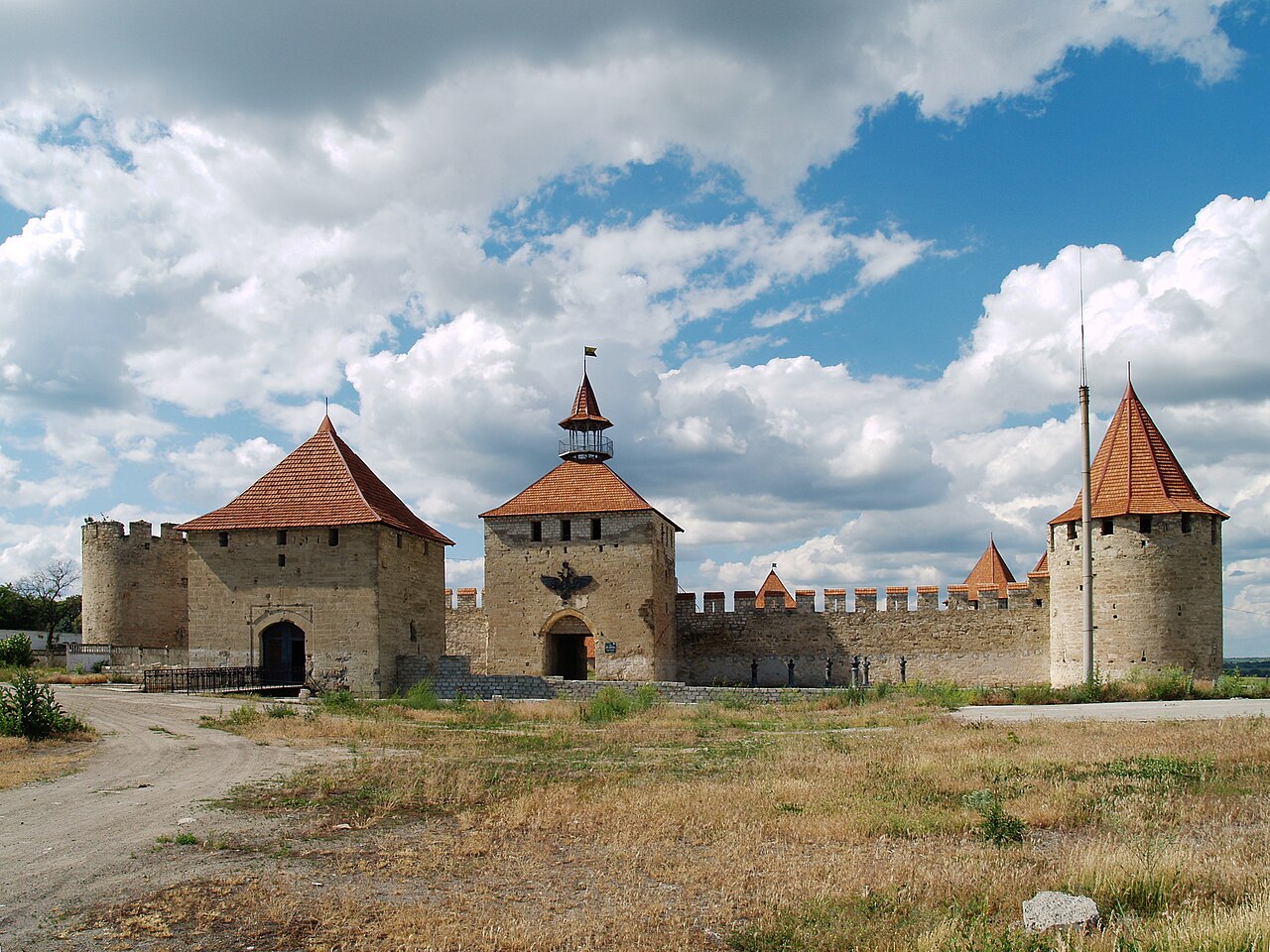
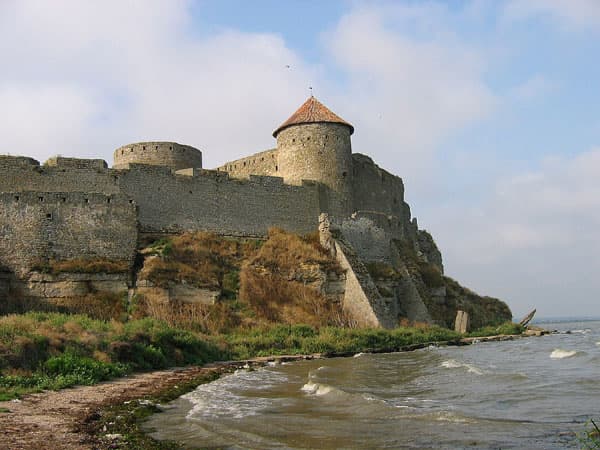
Akkerman Fortress, also known as Bilhorod-Dnistrovskyi Fortress, is an exceptional example of medieval military architecture located in the city of Bilhorod-Dnistrovskyi, in the Odeska oblast of Ukraine. This fortress stands as one of the largest and best-preserved fortification complexes in the country, with a history spanning several centuries and reflecting the diverse cultural and political influences that shaped the region.
Founded primarily between the 13th and 15th centuries on the ruins of the ancient Greek city of Tyras, Akkerman Fortress served as a critical defensive bastion controlling access to the Dniester estuary. The fortress’s strategic location made it a coveted stronghold for various powers including the Genoese traders, the Moldavians, the Lithuanians, and eventually the Ottoman Empire. The fortress’s name "Akkerman" translates from Turkish as "White Fortress," reflecting the distinctive white limestone used in its construction.
Historical background and cultural significance
The origins of the fortress are intertwined with the ancient city of Tyras, a Greek colony that flourished until its destruction in the 4th century by Gothic and Hun invasions. Following the decline of Tyras, the site saw successive settlements by the Antes, Slavs, Bulgarians, and later integration into the medieval states of Kievan Rus’, the Kingdom of Hungary, and the Principality of Galicia–Volhynia. The Mongol invasions further altered control of the region in the 13th century.
The fortress itself was established by Genoese merchants in the 13th century as a trading post and military outpost under the nominal authority of the Golden Horde. By the late 14th century, control shifted to Moldavian rulers after displacing Lithuanian governance. Under Moldavian rule in the 15th century, the fortress—then known as Cetatea Albă—developed into a thriving urban center with a diverse population estimated at around 20,000 inhabitants. Extensive fortifications were constructed, including 34 defensive towers and a deep moat, completed by the 1440s.
The fortress endured multiple sieges by the Ottoman Empire during the late 15th century, culminating in its capture in 1484 after a nine-day siege led by Sultan Bayezid II. Ottoman rule lasted over three centuries, during which the fortress was a key military outpost guarding the northern frontier of the empire. The Ottomans enhanced the fortress’s defenses with major upgrades in 1657 by Melek Ahmed Pasha and in 1707 with the addition of a bastion line designed by French military engineers. Continuous repairs and fortifications were maintained from 1756 onwards.
The 18th century brought repeated conflicts during the Russo-Turkish wars, with Russian forces occupying the fortress temporarily in 1770 and again in 1789 under the command of the famed General Mikhail Kutuzov. The fortress was formally ceded to the Russian Empire in 1812 following the Treaty of Bucharest. Military use declined thereafter, and by 1896 the fortress was recognized as a protected historical and architectural monument. Throughout the 20th century, the fortress experienced changing sovereignty, passing through Romanian, Soviet, and finally Ukrainian control, now serving as a cultural heritage site.
Architectural features and fortification design
The fortress covers approximately 9 hectares and is enclosed by walls extending about 2.5 kilometers, forming an irregular polygon shaped by the natural contours of the Dniester estuary. The walls vary in thickness from 1.5 to 5 meters and rise between 5 and 15 meters in height. Constructed primarily from white limestone, the walls were bonded with a unique mortar mixture including eggs, crushed marble, carbon, silicon, and millet, which contributed to their remarkable durability and resistance to environmental factors.
Thirty-four towers punctuate the fortress walls at intervals of 40 to 45 meters. Of these, twelve are fully developed defensive towers, while the rest are bastions or half-bastions adapted over time to accommodate artillery advancements. Notable towers include the Ovid Tower (also called the Maiden Tower), Pushkin Tower, and the Watchtower, each bearing historical and cultural significance.
The fortress is divided into several distinct courtyards, each serving specific functions. The most heavily fortified area is the Citadel, occupying about 300 square meters and containing four major towers: Pridvirna, Komendantska, Temnytsia, and Skarbnytsia. The Citadel houses numerous chambers and an extensive, largely unexplored network of underground passages and dungeons. While three of these towers remain well-preserved, the Skarbnytsia tower is partially ruined due to erosion and structural stresses.
Outside the Citadel lies the Garrison Courtyard, covering roughly 2 hectares and historically containing military barracks and stables. The larger Civilian Courtyard spans about 5 hectares and once included residential buildings and a large mosque constructed during Ottoman rule. A fourth area, the Quarantine or Port Courtyard, associated with trade and docking activities, has mostly vanished over time.
A unique architectural feature is a section of fortress wall dating to 1440 located near the estuary outside the main enclosure. This wall segment contains ten stone cannonballs embedded in a geometric pattern resembling a tetractys, a triangular figure with mystical and symbolic interpretations. Scholars have debated its purpose, proposing theories ranging from Masonic symbolism to practical sundial functions.
The fortress was originally surrounded on three sides by a deep moat, up to 13 to 14 meters in depth, with the inner moat wall standing several meters higher than the outer. The northern walls extend close to the waterline of the Dniester estuary. Over centuries, natural erosion has caused parts of the northern walls and towers, particularly the Skarbnytsia tower, to collapse or slide. Restoration efforts in the 20th and 21st centuries have introduced structural supports such as arches, buttresses, and reinforced concrete to stabilize and preserve the fortress.
The fortress in military history and warfare
Akkerman Fortress played a pivotal role in the military history of Eastern Europe due to its strategic position controlling the Dniester estuary and access to the Black Sea. It served as a frontline defense against invasions and incursions from various powers including the Mongols, Lithuanians, Moldavians, Ottomans, and Russians. Its formidable walls and numerous towers provided strong resistance during sieges and battles.
The fortress withstood numerous assaults, notably the nine-day siege by the Ottoman Sultan Bayezid II in 1484, which marked the beginning of Ottoman dominance in the region. During the Ottoman period, the fortress was frequently targeted by the Zaporozhian Cossacks and other regional forces, necessitating continuous upgrades to its defenses. The involvement of French military engineers in the early 18th century reflects the fortress’s importance in contemporary military architecture and artillery defense.
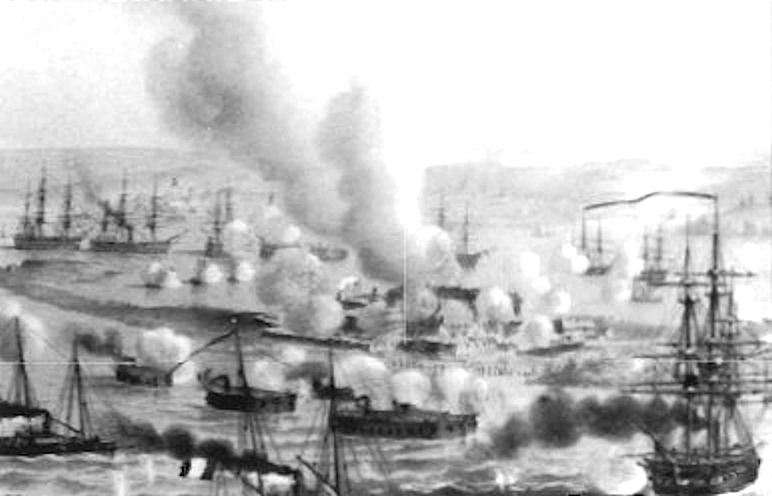
The Russo-Turkish wars of the 18th century further underscored the fortress’s military significance. Temporary Russian occupations and eventual permanent acquisition in 1812 shifted the fortress’s role from an active military bastion to a historical monument. Its military functions ceased by the early 19th century, transitioning the site into a symbol of regional heritage rather than active defense.
Preservation, tourism, and cultural heritage
Today, Akkerman Fortress is a vital cultural and historical landmark in Ukraine, attracting tourists, historians, and architects interested in medieval fortifications. The fortress is protected as a state monument, with ongoing conservation efforts to maintain its structural integrity and historical authenticity. Restoration projects have focused on stabilizing vulnerable sections, preserving the unique mortar and stonework, and enhancing visitor access.
The fortress complex offers visitors a glimpse into medieval military architecture, with accessible towers, courtyards, and underground passages. Interpretive signage and guided tours provide insights into the fortress’s complex history, architectural features, and the diverse cultures that influenced its development. The site also hosts cultural events and exhibitions that celebrate its rich heritage.
Its location near the Dniester estuary provides scenic views and opportunities for exploring the surrounding historical sites, including ongoing archaeological excavations of the ancient city of Tyras nearby. Akkerman Fortress remains a testament to the layered history of Ukraine and the broader Black Sea region, embodying centuries of military, cultural, and architectural evolution.
Frequently asked questions (FAQ)
- What is the historical significance of Akkerman Fortress?
- Akkerman Fortress, built in the 15th century, is one of the largest and best-preserved fortresses in Ukraine. It has played a crucial role in the region's military history, serving various powers including the Ottoman Empire, and is a symbol of the area's rich cultural heritage.
- When was Akkerman Fortress built?
- The construction of Akkerman Fortress began in the late 14th century and was completed in the 15th century. Its strategic location on the Dniester Estuary made it an important stronghold throughout its history.
- Can I visit Akkerman Fortress?
- Yes, Akkerman Fortress is open to visitors year-round. Guests can explore its impressive walls, towers, and the scenic views of the surrounding area.
- What are the opening hours for Akkerman Fortress?
- Akkerman Fortress is typically open from 9 AM to 6 PM, with extended hours during the summer months. It’s advisable to check the official website for any seasonal changes or special events.
- Is it possible to access the fortress with a disability?
- While Akkerman Fortress has some accessible areas, the uneven terrain and stairs may pose challenges for visitors with mobility issues. It is recommended to contact the fortress management for specific accessibility information before your visit.
- What are the ticket prices for visiting Akkerman Fortress?
- As of the latest updates, the ticket prices for Akkerman Fortress are quite affordable, typically ranging from a few dollars for adults to reduced rates for students and children. Discounts may also be available for group visits.
- When is the best time to visit Akkerman Fortress?
- The best time to visit Akkerman Fortress is during the late spring and early fall when the weather is mild and pleasant. Visiting during these seasons allows for enjoyable exploration of the fortress and its surroundings.
- Are there any nearby attractions to visit?
- Yes, visitors to Akkerman Fortress can also explore the charming town of Bilhorod-Dnistrovskyi, the scenic Dniester River, and various historical sites in the region. Additionally, the nearby beaches along the Black Sea make for a perfect day trip.
Photo gallery

Information
Loading map...
Visitor reviews
No reviews yet. Been here? Write the first review and help other travelers!
Write the first reviewVisited this castle? Share your experience
Your review helps other travelers and adds first-hand knowledge to our encyclopedia.