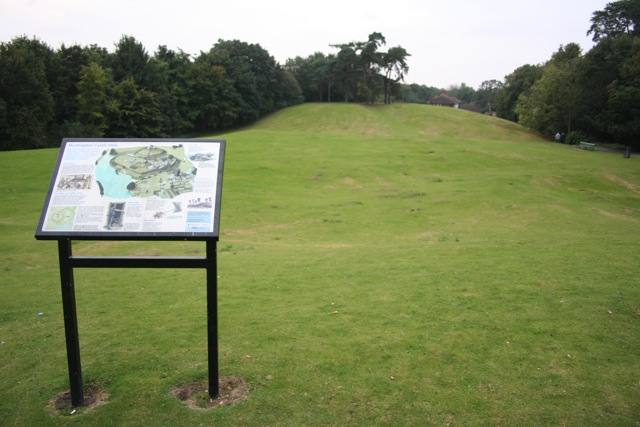
Kimbolton Castle
Kimbolton Castle stands as a remarkable example of a Renaissance-period English country house with medieval origins, located in the village of Kimbolton, Cambridgeshire. This castle is historically significant as the final residence of Queen Catherine of Aragon, the first wife of King Henry VIII. Originally constructed as a medieval fortress, it underwent substantial transformation during the 16th and 17th centuries, evolving into a grand stately palace that reflected the architectural tastes and social aspirations of the English nobility during the Renaissance.
Medieval origins and early history
The site of Kimbolton Castle has been occupied since the medieval period, with its earliest form dating back to the 12th or 13th century. Initially, it served as a fortified manor house, designed primarily for defense with typical medieval features such as thick stone walls, battlements, and a moat. The castle's strategic location in the English countryside provided both security and control over the surrounding lands.
Throughout the Middle Ages, Kimbolton Castle was owned by various noble families. Its medieval structure was characterized by a central keep or tower, curtain walls, and defensive gatehouses, which were common architectural elements of medieval castles in England. However, by the late 15th century, the military importance of such castles diminished, and many were adapted for residential use.
Renaissance transformation and architectural evolution
During the 16th century, Kimbolton Castle underwent significant remodeling that reflected the Renaissance architectural style, which emphasized symmetry, proportion, and the incorporation of classical elements. The castle was transformed from a fortress into a more comfortable and elegant residence suitable for nobility. Large windows replaced narrow arrow slits, allowing more natural light into the interiors, and ornamental stonework was added to enhance its aesthetic appeal.
The castle's Renaissance features include richly decorated façades, grand staircases, and spacious halls designed for entertaining and courtly life. The building materials primarily consisted of local stone, and the layout was adapted to accommodate the changing needs of its residents, moving away from purely defensive considerations to focus on comfort and status.
Catherine of aragon’s residence
Kimbolton Castle is particularly renowned for being the final home of Catherine of Aragon after her marriage to Henry VIII was annulled. She lived here from 1534 until her death in 1536. During this period, the castle served as her place of confinement but also as a dignified residence befitting her status as a former queen. Historical records describe the castle as a place of quiet dignity where Catherine spent her last years, supported by loyal attendants.
The dukes of manchester and later history
In 1615, Kimbolton Castle became the family seat of the Dukes of Manchester, a title in the English peerage. The Dukes made further modifications to the castle, adding elements that reflected the tastes of the 17th and 18th centuries. These included landscaped gardens, additional wings, and interior refurbishments that combined Renaissance and later stylistic influences.
The castle remained in the possession of the Manchester family until 1950. Afterward, it was repurposed and now serves as the home of Kimbolton School, a prestigious independent school. This adaptive reuse has helped preserve the castle’s historic fabric while giving it a new function in contemporary education.
Architectural features and grounds
Kimbolton Castle features a blend of medieval defensive structures and Renaissance residential architecture. Notable elements include its stone curtain walls, corner towers, and a gatehouse that retains some medieval character. The interior boasts large great halls, ornate fireplaces, and spacious chambers that demonstrate the castle’s evolution from fortress to palace.
The surrounding grounds have been landscaped over centuries, featuring formal gardens, parkland, and avenues that enhance the castle’s stately appearance. The estate reflects typical English country house settings, combining natural beauty with architectural grandeur.
Cultural significance and preservation
Kimbolton Castle holds an important place in English history due to its association with Catherine of Aragon and its representation of Renaissance architectural transition from medieval fortresses to elegant noble residences. It is a Grade I listed building, recognizing its national heritage value.
Today, the castle is well preserved and maintained, serving educational purposes while allowing visitors to appreciate its rich history and architectural beauty. Its layered history offers insights into England’s social and political changes from the medieval period through the Renaissance and into modern times.
Frequently asked questions (FAQ)
- What are the opening hours of Kimbolton Castle?
- Kimbolton Castle is open to visitors from 10 AM to 5 PM daily during the peak season from April to October. In the off-peak season, the hours may vary, so it's advisable to check the official website before planning your visit.
- How do I get to Kimbolton Castle?
- Kimbolton Castle is located in Kimbolton, United Kingdom, and is accessible by car with ample parking available on-site. For public transport, local bus services run regularly to Kimbolton from nearby towns, making it easy to reach the castle.
- What is the historical significance of Kimbolton Castle?
- Kimbolton Castle has a rich history dating back to the 11th century and was originally built as a fortified manor house. It is famously known as the residence of Catherine of Aragon, the first wife of Henry VIII, adding to its historical importance.
- Can I take photographs inside Kimbolton Castle?
- Photography is permitted in certain areas of Kimbolton Castle, particularly in the gardens and exterior. However, inside the castle, visitors are asked to refrain from taking photos to preserve the artworks and historical artifacts on display.
- Is Kimbolton Castle accessible for visitors with disabilities?
- Yes, Kimbolton Castle is committed to making its facilities accessible for all visitors. There are ramps and designated pathways to ensure easy access to the grounds and specific areas within the castle.
- When is the best time to visit Kimbolton Castle?
- The best time to visit Kimbolton Castle is during the late spring and summer months when the gardens are in full bloom and the weather is most pleasant. Additionally, various events and activities are often scheduled during this time, enhancing the visitor experience.
- What are the ticket prices for Kimbolton Castle?
- Ticket prices for Kimbolton Castle vary depending on the age of the visitor and any special events taking place. Generally, adult tickets are priced around £10, while concessions for children, seniors, and families are available, offering a range of options for visitors.
- Are there any nearby attractions to visit after Kimbolton Castle?
- Yes, after visiting Kimbolton Castle, you can explore nearby attractions such as the beautiful Kimbolton Park and St. Andrew's Church, which features stunning architecture and historical significance. Additionally, the charming village of Kimbolton itself offers quaint shops and cafes for a delightful day out.
Information
Website
Visit websiteSources & official resources
Verify the information above using these authoritative references.
Loading map...
Visitor reviews
No reviews yet. Been here? Write the first review and help other travelers!
Write the first reviewVisited this castle? Share your experience
Your review helps other travelers and adds first-hand knowledge to our encyclopedia.