Kilwaughter Castle
Kilwaughter Castle is located near the village of Kilwaughter, southwest of Larne in County Antrim, Northern Ireland. It is a site of architectural and historical interest, combining elements of a 17th-century tower house with early 19th-century mansion additions. The castle's layered history reflects the social and political changes in the region from the Renaissance period through the 20th century.
Origins and early architecture
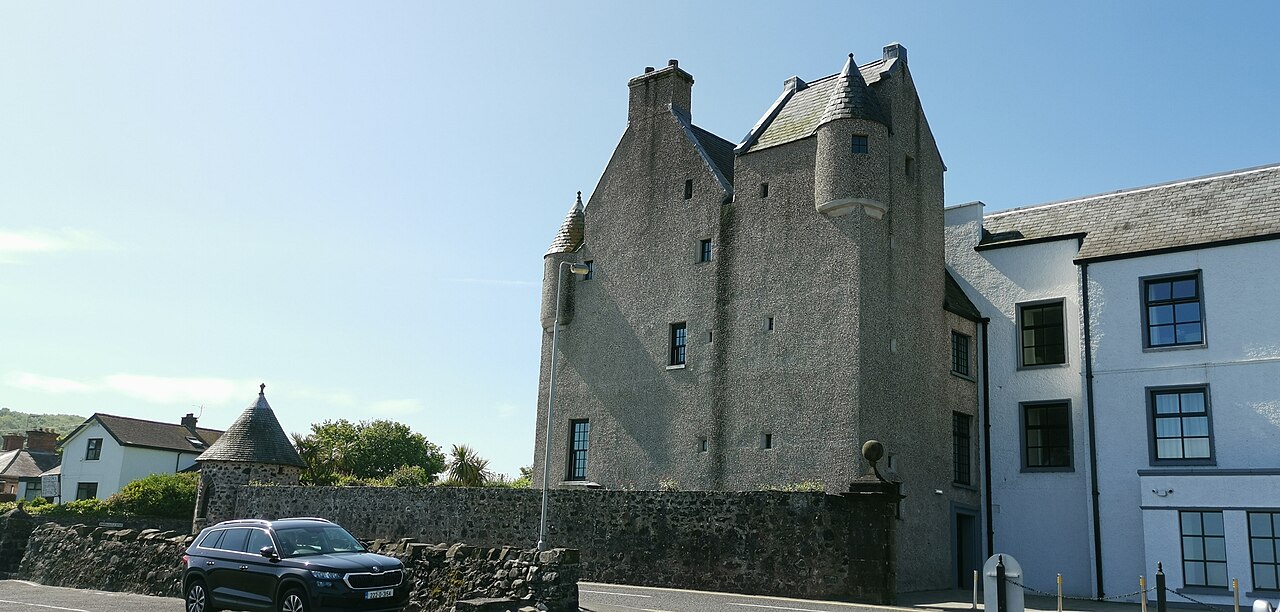
The original structure of Kilwaughter Castle was built in the 17th century as a T-plan tower house, a common design in Ulster during the late Renaissance period. This style typically features a main rectangular block with a projecting wing, forming a T-shaped layout. The castle was constructed by the Agnew family, who acquired the land from King James VI. The tower house rose to four stories and was distinguished by corner turrets that added both defensive capability and architectural interest.
Such tower houses were fortified residences for the landed gentry, blending defensive features with domestic comfort. Kilwaughter's original design would have included thick stone walls, narrow windows for defense, and a vaulted basement or cellar. The turrets likely housed staircases or small chambers, enhancing the verticality and defensibility of the structure.
19th-century transformation by john nash
In about 1803, Kilwaughter Castle underwent a significant transformation when the architect John Nash was commissioned to build a mansion incorporating the earlier tower house. Nash was a prominent figure in British architecture, known for his work on Regent's Street in London and for pioneering picturesque and romantic architectural styles. His involvement marked a shift from a purely defensive residence to a more comfortable and stylish country house.
The mansion retained the historic tower house as a central feature but added extensive living quarters and aesthetic enhancements typical of the early 19th century. This blend of Renaissance tower house and Regency mansion makes Kilwaughter architecturally unique. The Agnew family, who were the tax collectors for County Antrim, continued to own and occupy the estate during this period.
Notable residents and historical episodes
A notable figure in Kilwaughter's history is a daughter of Squire Agnew who married an Italian nobleman, becoming Countess Balzani. She returned to the castle around 1897, linking the estate to continental European aristocracy. This connection had repercussions during the 20th century, particularly during the World Wars.
During World War I, Kilwaughter Castle served as a recuperation site for wounded American officers. At that time, the castle was home to Mrs. Elizabeth Galt Smith, an American whose family leased and refurbished the property for over three decades until 1922. This period highlights the castle's role beyond a private residence, contributing to wartime efforts.
In World War II, the castle's ownership by the Italian Balzani family led to its classification as enemy territory. The castle was occupied by soldiers, including members of the American 644th Tank Destroyer Battalion in 1944, who were preparing for the D-Day landings. These military uses reflect the strategic importance of the site despite its rural setting.
Decline and present condition
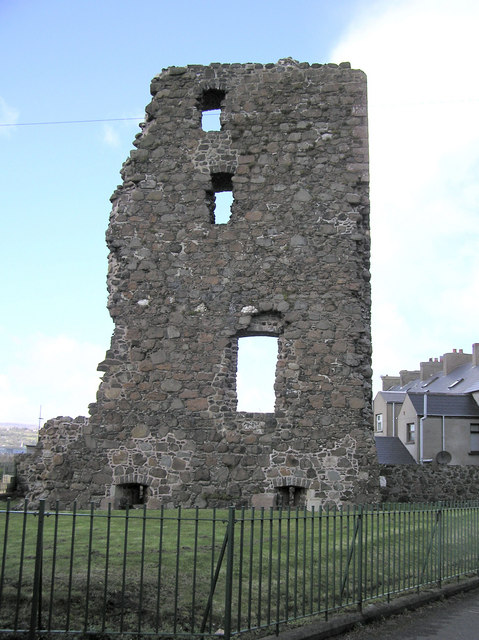
After World War II, Kilwaughter Castle was left unoccupied and gradually fell into ruin. The roofs, originally covered in part with sand and tar, have collapsed, allowing the elements to damage the interior floors and walls. Today, the castle stands as a ruin on private farmland, with its towers and interiors in a state of decay.
The ruinous state of Kilwaughter Castle lends it a desolate and atmospheric quality. Despite its mostly post-medieval construction, the surviving towers and structural remains evoke the historic defensive architecture of earlier centuries. Access to the castle is restricted as it remains private property, limiting opportunities for public visitation or conservation efforts.
Architectural significance and heritage value
Kilwaughter Castle represents a rare example of a Renaissance-era tower house that was later integrated into a Regency mansion designed by a major British architect. Its architectural evolution illustrates changing tastes and functions of country houses in Northern Ireland from the 17th to the 19th centuries.
The castle's T-plan layout and corner turrets are characteristic of Ulster tower houses, while the Nash mansion additions reflect the early 19th-century shift towards comfort and style. The complex history of ownership, including ties to Italian nobility and American residents, adds layers of cultural significance.
Although in ruins, Kilwaughter Castle remains an important heritage site for County Antrim, offering insights into the social history and architectural developments of the region. Its story encompasses themes of aristocratic residence, military use, and decline typical of many Northern Irish country houses.
Frequently asked questions (FAQ)
- How do I get to Kilwaughter Castle?
- Kilwaughter Castle is located on Deerpark Road in Northern Ireland. You can reach it by car, with ample parking available on-site. Public transport options may vary, so it's advisable to check local bus routes prior to your visit.
- What is the historical significance of Kilwaughter Castle?
- Kilwaughter Castle dates back to the 19th century and is a great example of the Scottish baronial architectural style. Originally built as a private residence, it has a rich history associated with the local aristocracy and has witnessed many historical events over the years.
- When was Kilwaughter Castle built?
- Construction of Kilwaughter Castle began in 1861 and was completed in 1865. It was designed by the architect John Lanyon, who was known for his distinctive Gothic revival style. The castle has been preserved, allowing visitors to appreciate its historical architecture.
- Can I visit Kilwaughter Castle?
- Yes, Kilwaughter Castle is open to the public for guided tours. Visitors can explore the beautiful grounds and learn about the castle's history, but be sure to check the official website for any seasonal changes in visiting hours and tour availability.
- Why is Kilwaughter Castle considered an architectural gem?
- Kilwaughter Castle is noted for its unique blend of Gothic and Scottish baronial styles, featuring intricate stonework and stunning towers. The design reflects the romantic ideals of the 19th century and showcases the craftsmanship of the period, making it a significant architectural landmark in Northern Ireland.
- Is it possible to rent Kilwaughter Castle for events?
- Yes, Kilwaughter Castle is available for private events, including weddings and corporate functions. The picturesque setting and historical ambiance make it a popular choice, but it's best to contact the castle's administration for detailed information on availability and rental packages.
- What are the opening hours for Kilwaughter Castle?
- Kilwaughter Castle's opening hours may vary by season, so it is recommended to check their official website for the most accurate information. Typically, the castle is open during the weekends and holidays, with guided tours offered at specific times throughout the day.
- What are some nearby attractions to Kilwaughter Castle?
- Nearby attractions include the scenic Larne Harbour and the breathtaking Antrim Coast, which offers various outdoor activities. Visitors can also explore the historic town of Larne, which is rich in heritage and has several local shops and eateries to enjoy.
- What are the ticket prices for Kilwaughter Castle?
- Ticket prices for Kilwaughter Castle can vary, so it's advisable to check the official website for the most up-to-date information. Generally, admission includes guided tours, and discounts may be available for children, seniors, or groups.
Loading map...
Visitor reviews
No reviews yet. Been here? Write the first review and help other travelers!
Write the first reviewVisited this castle? Share your experience
Your review helps other travelers and adds first-hand knowledge to our encyclopedia.