Kilpeck Castle
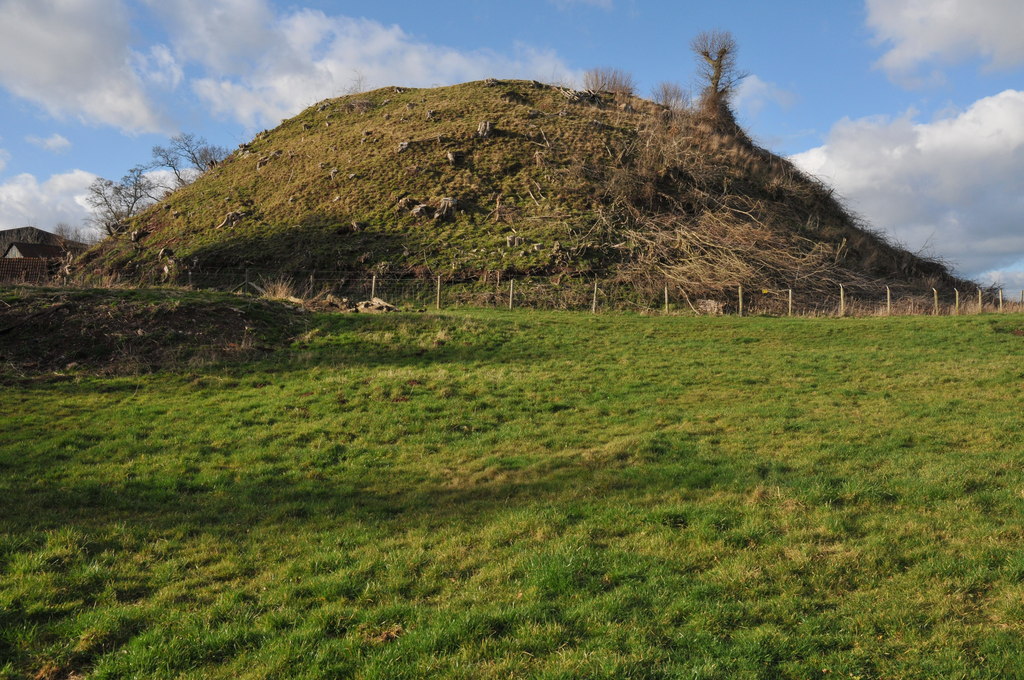
Kilpeck Castle stands as a notable example of a Norman motte castle located in the village of Kilpeck, Herefordshire, England. Established around 1090, it was part of the Norman strategy to consolidate control over the Welsh borderlands following the conquest of England in 1066. The castle's position on an artificial earth mound, or motte, provided a commanding view over the surrounding landscape, which was crucial for defense and regional governance.
Historical context and strategic importance
The castle was constructed to serve as an administrative center for the border region known as Archenfield, an area of strategic significance during the Norman expansion. Throughout the 12th and 13th centuries, Kilpeck Castle functioned as a local stronghold that helped maintain Norman authority in the volatile frontier zone between England and Wales. While detailed records of specific events or notable rulers associated with the castle are scarce, the survival of masonry from this period attests to its active use and importance.
Its location near the village of Kilpeck also placed it in close proximity to the Romanesque Church of St Mary and St David, built around 1140. This church is renowned for its intricate stone carvings and highlights the castle's connection to significant religious institutions, suggesting the castle was part of a broader socio-political and ecclesiastical landscape.
Architectural features and remains
Kilpeck Castle is primarily characterized by its motte, an artificial earth mound rising to approximately 108 meters above sea level. The motte is surrounded by earthworks that delineate the defensive perimeter of the castle, typical of Norman fortifications designed to provide protection and control over the surrounding territory.
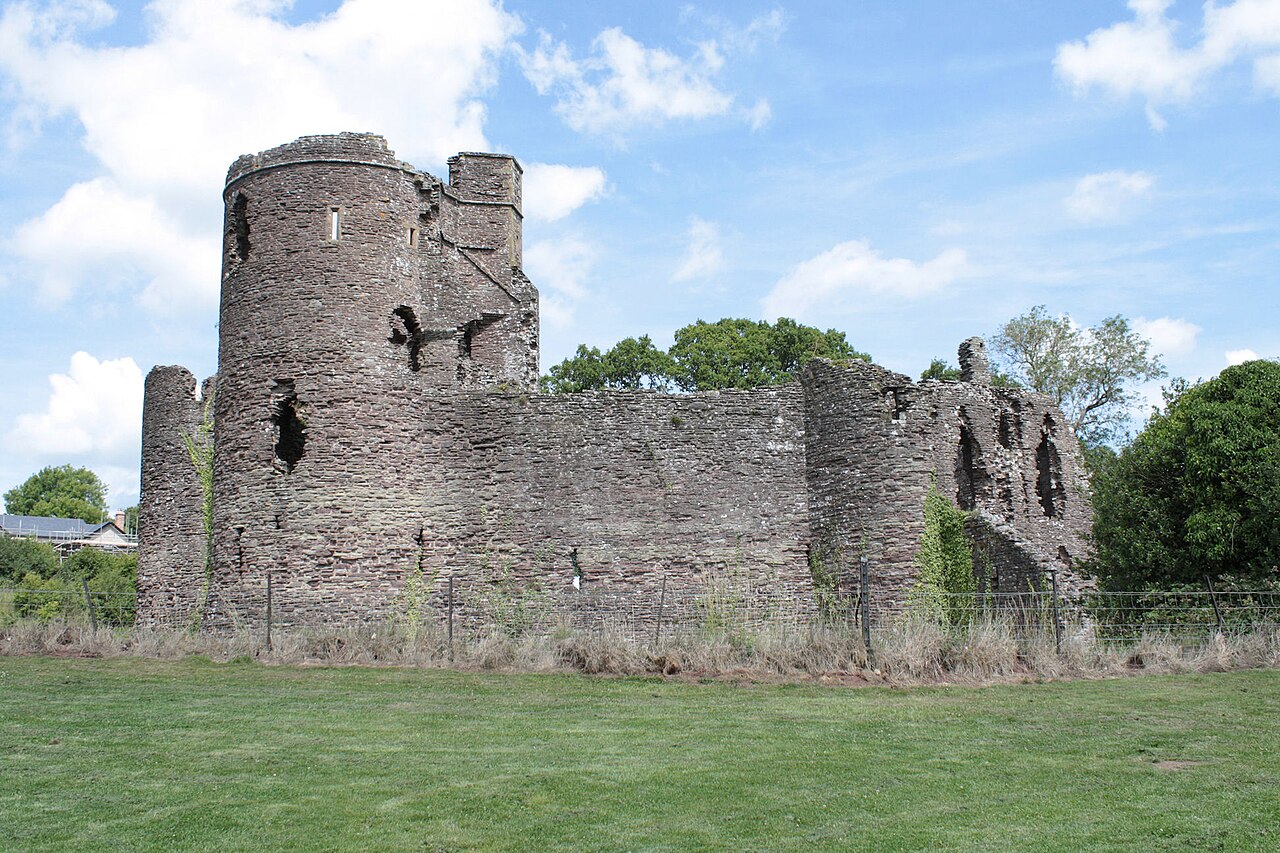
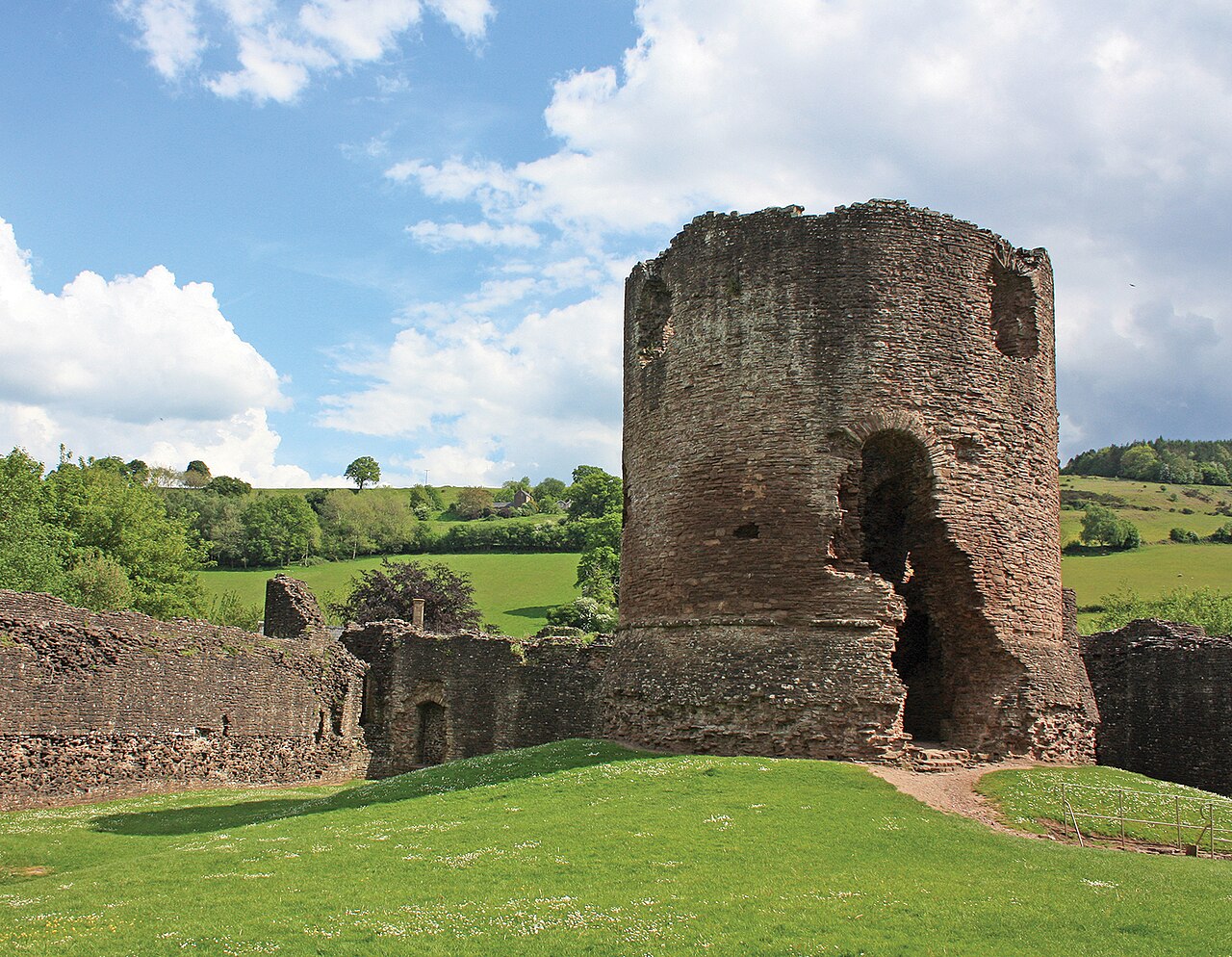
The surviving stonework, dating mainly from the 12th and 13th centuries, includes fragments of curtain walls that once enclosed the inner bailey or courtyard. Among these remains is part of an open fireplace with a chimney flue, indicating the presence of domestic or administrative buildings within the castle complex. These ruins, although fragmentary and in a deteriorated state, offer valuable insights into the castle's medieval architecture and living conditions.
Nearby, another castle mound at Didley Court Farm suggests Kilpeck was part of a network of fortifications securing this border region, emphasizing its strategic role in Norman defensive planning.
Decline and legacy
Over the later Middle Ages, Kilpeck Castle gradually fell into disuse and decay. The specific causes of its decline are not well documented but could relate to changing military technologies, shifting political boundaries, or the consolidation of power in other regional centers. By modern times, only partial stone walls and earthworks remain, marking the site as a historical monument rather than a functional fortress.
Today, Kilpeck Castle's remains offer a tangible connection to the Norman period and the complex history of the Welsh Marches. The castle’s ruins, alongside the nearby Romanesque church, contribute to the area's rich heritage and provide valuable opportunities for archaeological study and cultural tourism.
Geographical setting and landscape
The castle is situated on the western edge of Kilpeck village, surrounded predominantly by agricultural fields. The generally flat terrain is punctuated by hills to the south, enhancing the strategic value of the castle's elevated motte. This setting enabled the castle's occupants to monitor movements across the border and maintain control over the local population.
The combination of natural and man-made defensive features exemplifies typical Norman military architecture adapted to the landscape of the Welsh border region.
Frequently asked questions (FAQ)
- When was Kilpeck Castle built and by whom?
- Kilpeck Castle was built around 1090 by the Normans as part of their efforts to secure control over the Welsh border region known as Archenfield.
- What remains of Kilpeck Castle can visitors see today?
- Visitors can see the earthwork motte, partial stone curtain walls, and fragments of medieval masonry including an open fireplace with a chimney flue.
- Why was Kilpeck Castle strategically important?
- Its elevated motte provided a commanding view over the surrounding landscape, enabling control and defense of the volatile Welsh border during the 12th and 13th centuries.
- Is Kilpeck Castle connected to any notable nearby landmarks?
- Yes, Kilpeck Castle is closely linked to the Romanesque Church of St Mary and St David, famous for its detailed stone carvings and built around 1140 near the castle site.
- What led to the decline of Kilpeck Castle?
- The castle gradually fell into disuse and decay during the later Middle Ages, likely due to changes in military technology and shifting political power in the region.
Information
Website
Visit websiteSources & official resources
Verify the information above using these authoritative references.
Loading map...
Visitor reviews
No reviews yet. Been here? Write the first review and help other travelers!
Write the first reviewVisited this castle? Share your experience
Your review helps other travelers and adds first-hand knowledge to our encyclopedia.