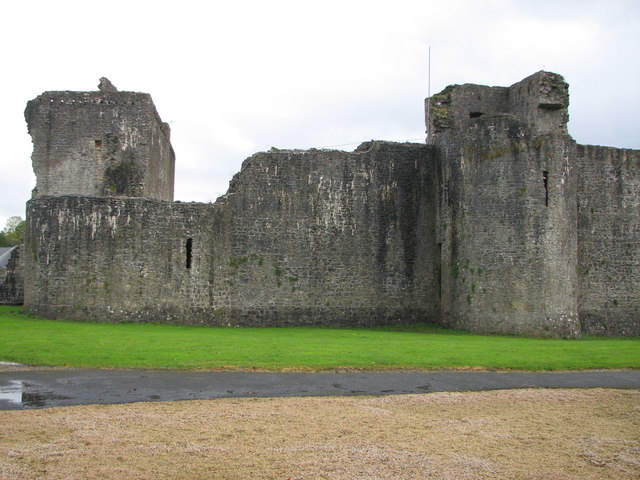
Kilcashel Stone Fort
Kilcashel Stone Fort is a remarkable prehistoric monument located in County Mayo, Ireland, near the village of Kilkelly. This ancient structure is a double court cairn, a type of megalithic tomb and fortification that dates back to the Neolithic and Bronze Age periods, approximately between 2500 and 500 BCE. It stands as the last surviving example of three similar stone forts that once existed in the surrounding area, highlighting its importance as a cultural and archaeological site.
The fort measures about 30 meters in diameter, enclosed by a formidable stone wall that is approximately 5 meters thick and rises to a height of around 3 meters. This substantial thickness and height of the wall suggest that the fort was designed for defensive purposes, providing protection for its inhabitants against potential threats. The robust construction reflects the architectural skills and social organization of the communities that built it during the late Neolithic to early Bronze Age.
Inside the fort, visitors can find a souterrain, an underground passage or chamber often used for storage, refuge, or ritual purposes in prehistoric times. The presence of a souterrain indicates a complex use of the site beyond mere defense, possibly related to daily living or spiritual activities.
Additionally, the site features a bullaun stone, a hollowed-out rock basin that is believed to have had ritual significance, possibly used for grinding or holding water during ceremonies. The remains of two collapsed houses within the fort's enclosure suggest that it was once a settled habitation site, where people lived and carried out their daily activities.
Architectural features and construction
The design of Kilcashel Stone Fort exemplifies the typical characteristics of stone forts found in Ireland from the late Neolithic to Bronze Age periods. The double court cairn layout consists of two open courtyards surrounded by thick stone walls, which would have created a secure and controlled environment for the inhabitants. The walls are built using large, unworked stones carefully stacked without mortar, demonstrating the dry-stone construction technique prevalent in prehistoric Ireland.
The fort's circular plan with a diameter of 30 meters is consistent with other similar prehistoric forts, designed to maximize defensive capabilities while accommodating a small community. The thickness of the walls, reaching 5 meters, would have made breaching the fort difficult for any attackers.
The souterrain and bullaun
The souterrain within Kilcashel Stone Fort is a significant feature, as these underground structures were often used for hiding food supplies, providing shelter during raids, or serving ritualistic functions. Its presence within the fort adds to the understanding of the site's multifunctional role in prehistoric society.
The bullaun stone found at Kilcashel is another important archaeological element. Such stones are commonly associated with early Christian sites but also appear in prehistoric contexts, indicating continuity or adaptation of ritual practices over time.
Historical context and significance
Kilcashel Stone Fort is part of Ireland's rich prehistoric landscape, representing the transition from nomadic hunter-gatherer groups to settled farming communities. The construction of such stone forts and cairns reflects the increasing social complexity and territoriality of these early societies.
The fort's location in County Mayo places it within a region known for numerous megalithic monuments, including passage tombs, standing stones, and other stone forts. This concentration of prehistoric sites underscores the area's importance as a cultural and ritual center during the Neolithic and Bronze Age periods.
Archaeological investigations
While detailed archaeological excavations at Kilcashel Stone Fort have been limited, the site has been recognized as a National Monument, ensuring its protection and study. The findings of the souterrain, bullaun, and collapsed houses provide valuable insights into the daily life and spiritual practices of its ancient inhabitants.
Visiting Kilcashel Stone Fort
Today, Kilcashel Stone Fort is accessible to visitors interested in Ireland's prehistoric heritage. Its well-preserved stone walls and intriguing internal features offer a tangible connection to the distant past. Visitors can explore the remains of the fort and appreciate the craftsmanship and cultural significance of this ancient structure.
The site is located approximately 800 meters southeast of Kilmovee village, making it a worthwhile stop for those touring County Mayo's archaeological sites. While there are no formal visitor facilities on-site, the fort's outdoor setting allows for self-guided exploration and photography.
Nearby attractions
County Mayo is home to many other prehistoric and historic sites, including Carrowkeel Megalithic Cemetery and Knock Shrine. Visitors to Kilcashel Stone Fort often combine their trip with visits to these nearby landmarks to gain a broader understanding of Ireland's ancient and cultural landscape.
Frequently asked questions (FAQ)
- How do I get to Kilcashel Stone Fort?
- Kilcashel Stone Fort is located in Kilkelly, United Kingdom. You can reach it by car via the N17 road, with ample parking available nearby. Public transport options may be limited, so it's advisable to check local bus services for the best routes.
- What is the historical significance of Kilcashel Stone Fort?
- Kilcashel Stone Fort is an ancient fortification that showcases the rich history of the region, dating back to prehistoric times. It is believed to have served as a defensive structure and a symbol of power for the local tribes. The fort's remains provide valuable insight into the architectural practices and lifestyle of early inhabitants.
- When was Kilcashel Stone Fort built?
- The construction of Kilcashel Stone Fort is estimated to have occurred around 2000 BC, making it one of the oldest stone forts in the area. Its enduring structure has withstood the test of time, allowing visitors to glimpse the past and appreciate ancient engineering techniques.
- Can I enter the fort and explore the inside?
- Yes, visitors are welcome to explore the exterior and interior of Kilcashel Stone Fort. The site is relatively open, allowing for a comprehensive experience of its historical features. However, please be mindful of safety guidelines as some areas may be uneven or unstable.
- Why is Kilcashel Stone Fort a popular tourist destination?
- Kilcashel Stone Fort attracts visitors due to its historical significance and stunning views of the surrounding landscape. The fort not only offers a glimpse into ancient history but also provides a serene environment for photography and nature walks. Its unique architecture and rich heritage make it a must-see for history enthusiasts.
- Is it possible to visit Kilcashel Stone Fort year-round?
- Yes, Kilcashel Stone Fort is accessible to visitors year-round, but it's advisable to check the local weather conditions before planning your visit. The site may be less crowded during the off-peak seasons, offering a more tranquil experience. Be prepared for varying weather as conditions can change quickly in the UK.
- What are the opening hours for Kilcashel Stone Fort?
- Kilcashel Stone Fort is open to the public from dawn until dusk every day. Specific opening hours may vary seasonally, so it's best to check local resources for the most accurate information before your visit. This flexibility allows visitors to enjoy the fort at their convenience.
- Are there any nearby attractions to visit?
- Yes, the area surrounding Kilcashel Stone Fort offers several attractions, including local museums and historical sites that delve deeper into the region's past. Additionally, scenic walking trails and parks provide opportunities for outdoor activities. Exploring the nearby villages can also enhance your cultural experience.
- What are the ticket prices for visiting Kilcashel Stone Fort?
- There is no entry fee to visit Kilcashel Stone Fort, making it an affordable destination for travelers of all ages. Donations are appreciated to help maintain the site and support its preservation. Visitors are encouraged to contribute if they enjoy their experience and wish to support the fort's ongoing care.
Information
Loading map...
Visitor reviews
No reviews yet. Been here? Write the first review and help other travelers!
Write the first reviewVisited this castle? Share your experience
Your review helps other travelers and adds first-hand knowledge to our encyclopedia.