Ketrzyn Castle
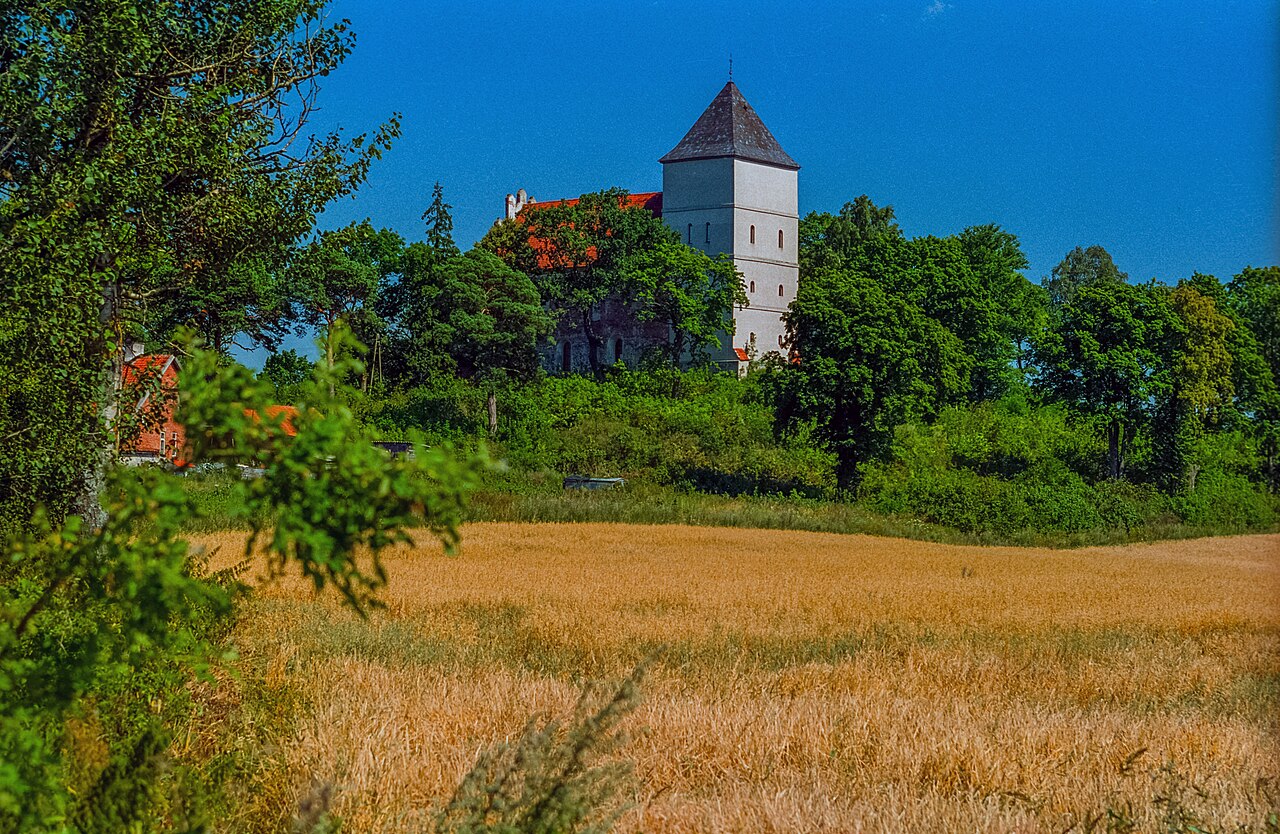
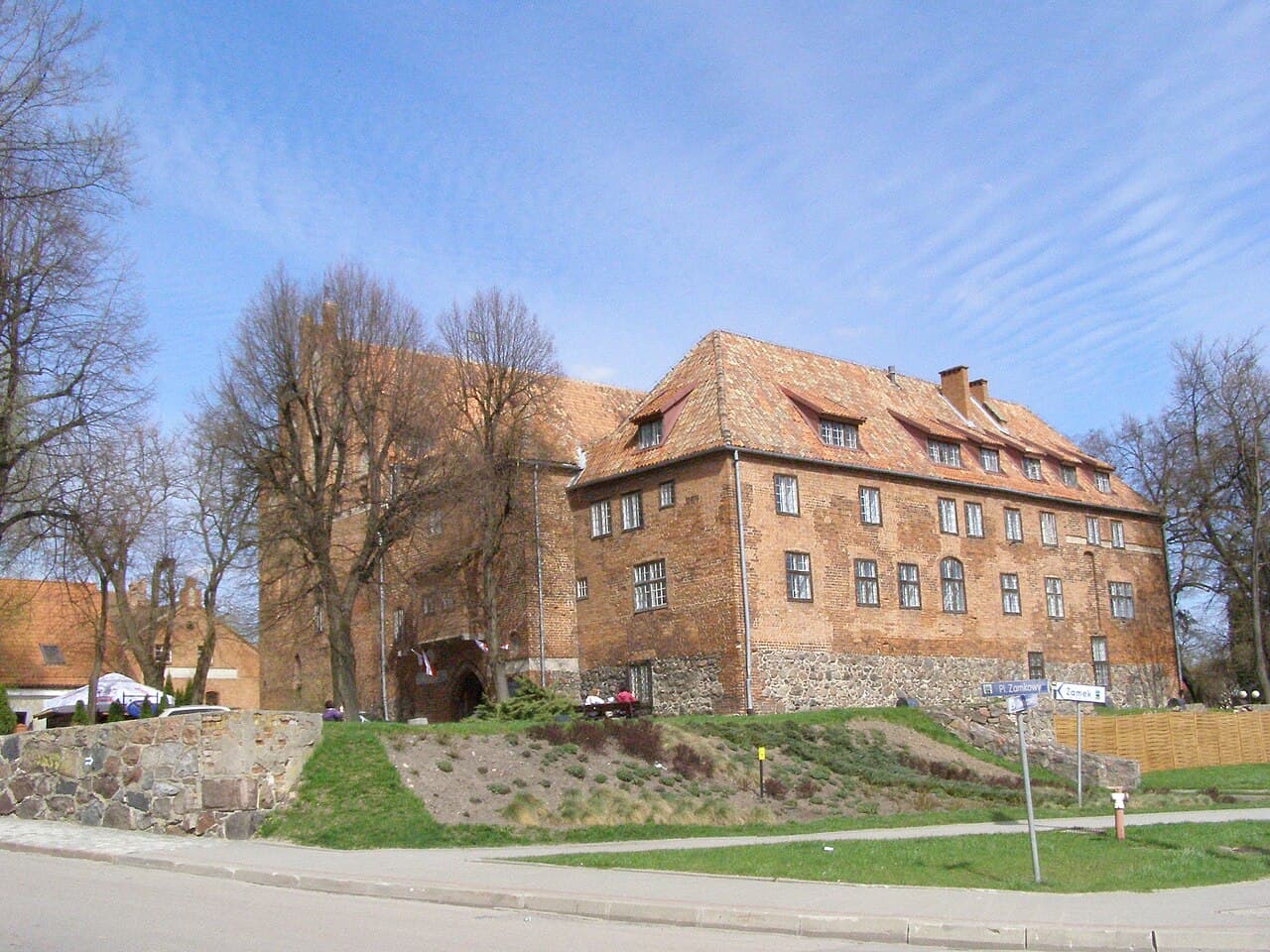
Kętrzyn Castle, located in the town of Kętrzyn in northeastern Poland, is a remarkable example of Brick Gothic architecture dating back to the 14th century. Originally established by the Teutonic Knights during the late medieval period, the castle played a pivotal role as a military fortress, administrative center, and later as a ducal residence. Its layered history reflects the turbulent political and military conflicts of the region, as well as the evolving architectural styles and functions from the Middle Ages through the modern era.
The origins of Kętrzyn Castle trace back to a wooden watchtower built around 1329 under the direction of Grand Master Dietrich von Altenburg near the Baltic Prussian settlement inhabited by the Bartian tribe. This initial fortification developed into a more substantial stone and brick castle in the second half of the 14th century, strategically positioned in the southwest corner of the town's defensive walls. The castle's construction was part of a broader effort by the Teutonic Order to consolidate control over the region and protect their territories from Lithuanian and Polish forces.
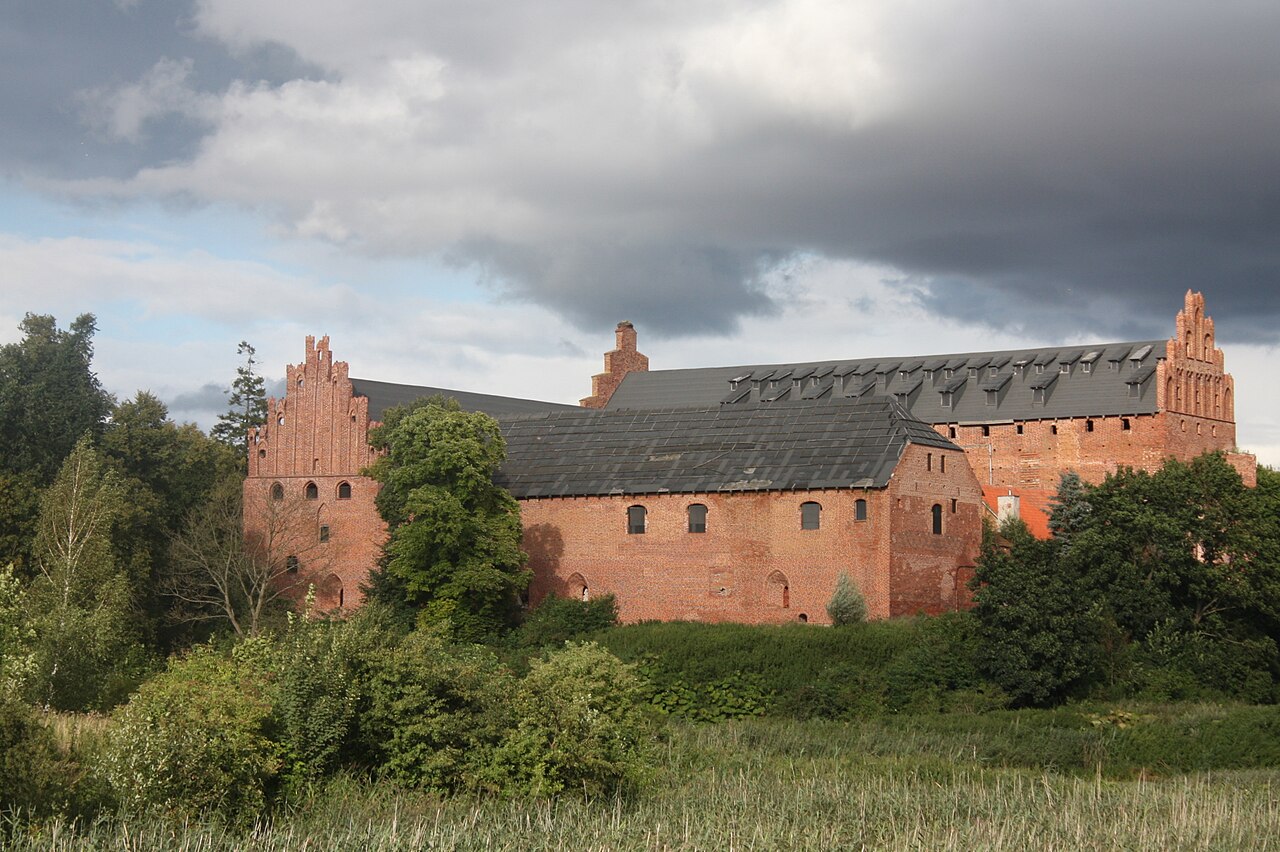
The castle's layout was designed as a roughly rectangular complex measuring approximately 31 by 37 meters, featuring three wings arranged around a central courtyard. Unlike many contemporary castles, it notably lacked a main keep or donjon. The northern wing was the most imposing, rising three stories atop a stone foundation. This wing housed the representative chambers, including the official's office known as the pfleger's chamber, a refectory, and a chapel dedicated to St. George. The ground floor served economic functions, while the upper floors were used for storage and defense, featuring characteristic lancet windows and decorative gables with pinnacles and blind arches.
Historical significance and military role
Kętrzyn Castle was a critical stronghold for the Teutonic Order during the medieval period, witnessing numerous military engagements and political shifts. It was twice captured and burned by Lithuanian forces in the mid-14th century, highlighting its strategic importance in regional conflicts. After the Battle of Grunwald in 1410, the castle surrendered to Polish troops, marking a significant moment in the Polish-Teutonic Wars. The castle's control shifted again during the Thirteen Years’ War (1454–1466), during which it was temporarily occupied by Polish forces.
Following the secularization of the Teutonic Order's state in 1525, Kętrzyn Castle transitioned from a monastic fortress to the residence of a ducal starost, reflecting its changing administrative role. This period saw significant architectural modifications aimed at adapting the castle for residential and civil uses rather than purely military purposes. The castle complex expanded to include various economic facilities such as a bakery, brewery, mill, armory, and storage buildings, emphasizing its multifunctional role within the growing town.
Architectural features and modifications
Original medieval construction
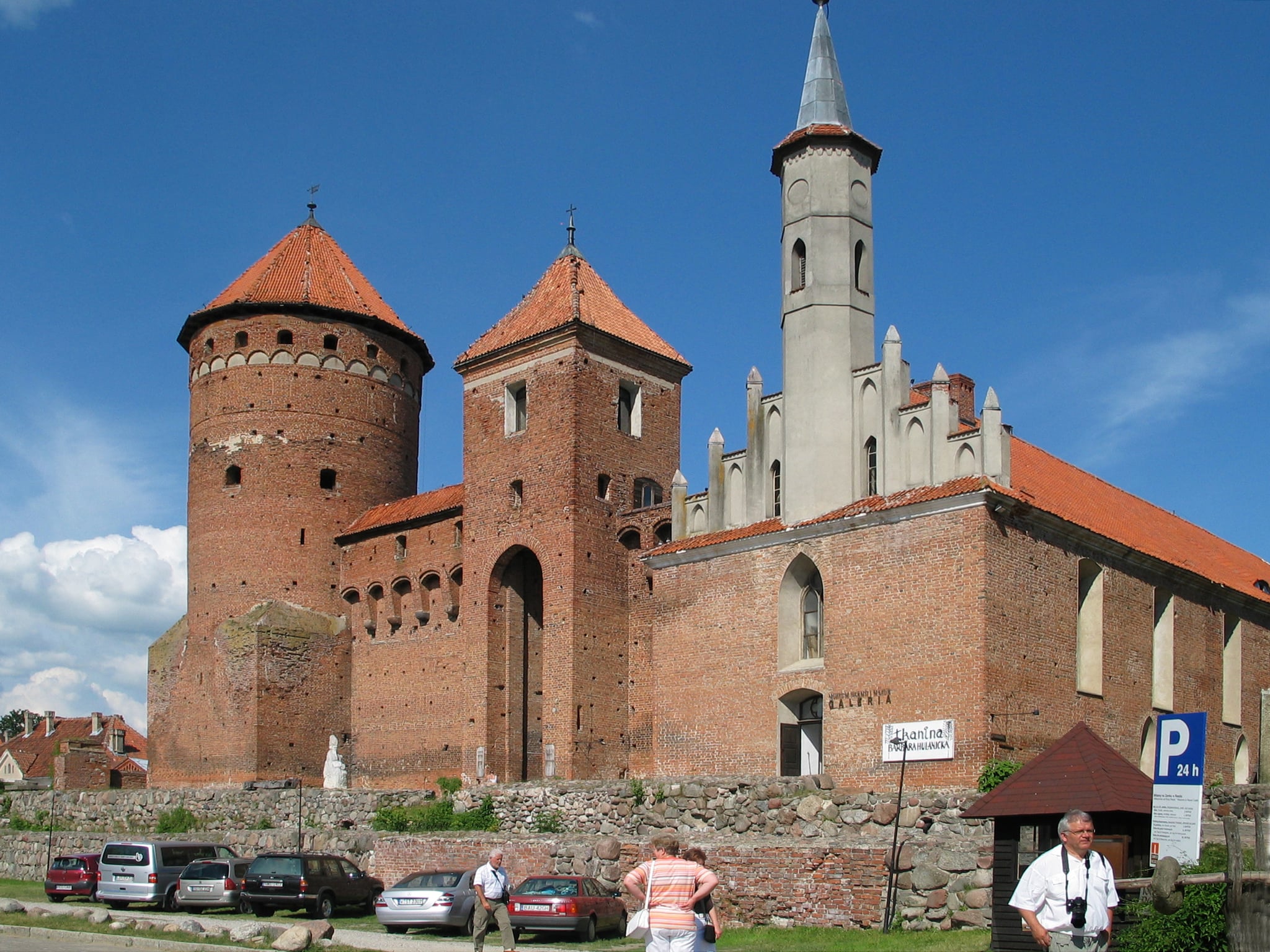
The castle's original construction utilized brick in the distinctive Gothic style, common in northern Europe. The defensive walls were thick and robust, supplemented by three towers added in the 16th century—two round and one rectangular—to enhance the fortifications. The castle was surrounded by a moat fed by the nearby Guber River and a mill pond, integrating water defenses into the design.
Later alterations and restorations
Over the centuries, Kętrzyn Castle underwent numerous changes reflecting its evolving function and the impact of warfare and fire. A major fire in 1797 caused significant damage, leading to the replacement of many original Gothic windows with larger rectangular ones during residential conversions. The upper floors of the northern wing were partially dismantled in the 17th century, and outer fortifications began to be removed in the early 18th century.
In the 20th century, the castle served various administrative and military functions, including use as a finance office and air-raid shelter during World War II. It sustained heavy damage in January 1945 during Soviet military operations, resulting in a devastating fire that left much of the structure in ruins.
Restoration efforts between 1962 and 1967, guided by pre-war architectural plans by Conrad Steinbrecht, sought to faithfully restore the castle's Gothic character. These works included reconstructing the northern wing's distinctive gables and steep roof, raising the roofs of the southern and eastern wings, and restoring many original architectural details. Today, the castle stands as a well-preserved monument to the region's medieval heritage.
Current use and cultural importance
Today, Kętrzyn Castle functions as a vibrant cultural center housing the Wojciech Kętrzyński Museum, which features fascinating regional collections that highlight the area's history and heritage. The castle also contains a public library and an art gallery, serving as a hub for community engagement and education. The northern wing hosts a knightly brotherhood, preserving the castle's historical connection to chivalric traditions.
The castle's well-preserved Brick Gothic architecture and its rich history make it a significant tourist attraction in the Warmian-Masurian Voivodeship. Visitors can explore the castle's courtyards, defensive walls, and restored interiors to gain insight into the medieval military and administrative life of the Teutonic Knights and later Polish rule.
Architectural highlights for visitors
- Three-winged layout around a central courtyard without a main keep
- Decorative gables with pinnacles and blind arches on the northern wing
- Medieval chapel dedicated to St. George
- Water defenses including moat, mill pond, and mill canal
- 16th-century towers reinforcing the castle's fortifications
- Rib-vaulted kitchen and brewery areas
Historical context and legacy
Kętrzyn Castle stands as a testament to the complex history of the Baltic region, reflecting the military, political, and cultural transformations from the Teutonic Order's rule through the Prussian Duchy and into modern Poland. Its survival and restoration highlight the importance of preserving medieval architecture and heritage in understanding regional identities.
The castle's association with notable figures such as Grand Masters Michael Küchmeister von Sternberg and Paul von Rusdorf, who lived within its walls, further enhances its historical significance. The castle's role in major conflicts, including the Battle of Grunwald and the Thirteen Years’ War, situates it firmly within the broader narrative of Central European medieval history.
As a cultural landmark, Kętrzyn Castle continues to inspire interest in medieval architecture, Teutonic history, and Polish heritage, attracting scholars, tourists, and locals alike.
Photo gallery

Information
Website
Visit websiteSources & official resources
Verify the information above using these authoritative references.
Loading map...
Visitor reviews
No reviews yet. Been here? Write the first review and help other travelers!
Write the first reviewVisited this castle? Share your experience
Your review helps other travelers and adds first-hand knowledge to our encyclopedia.