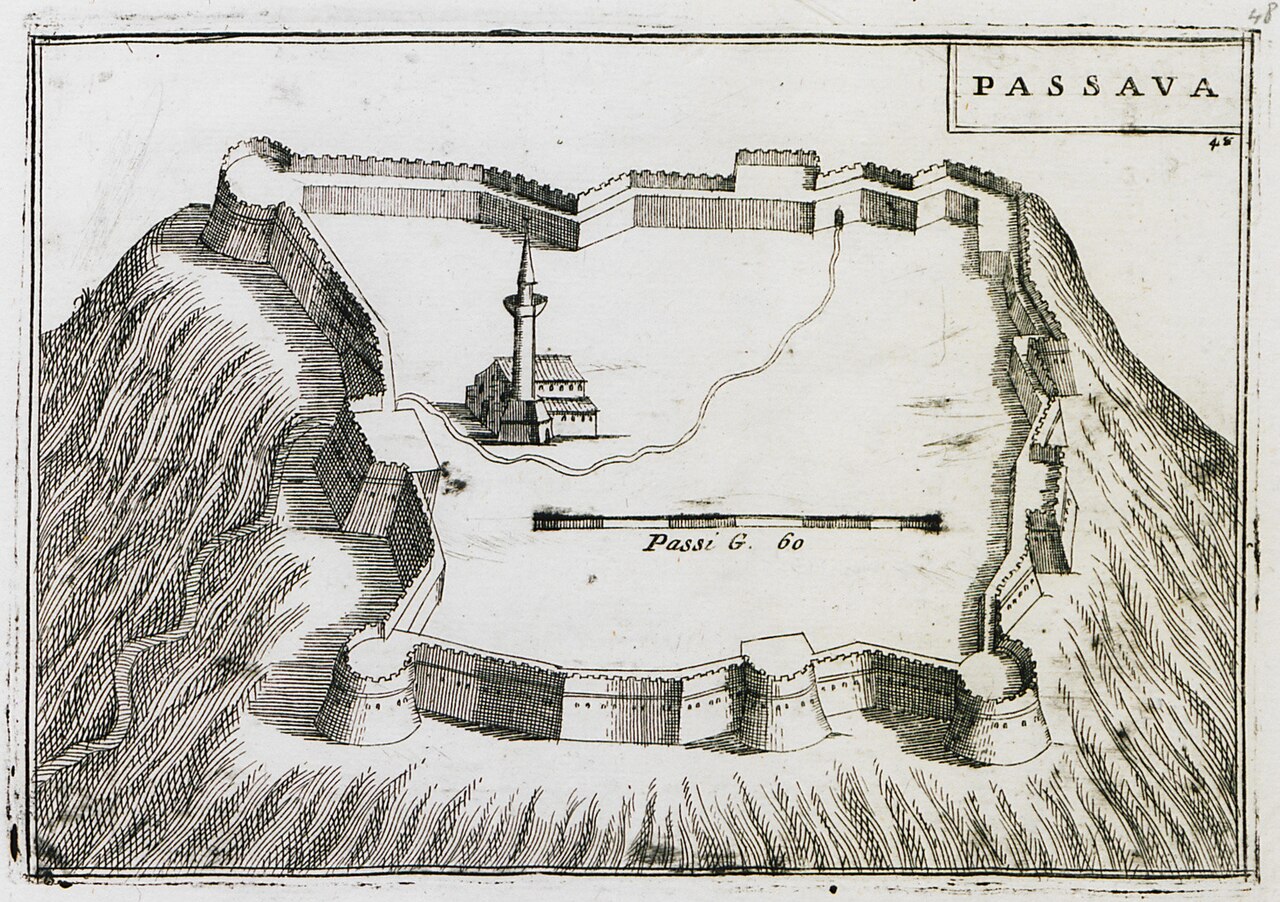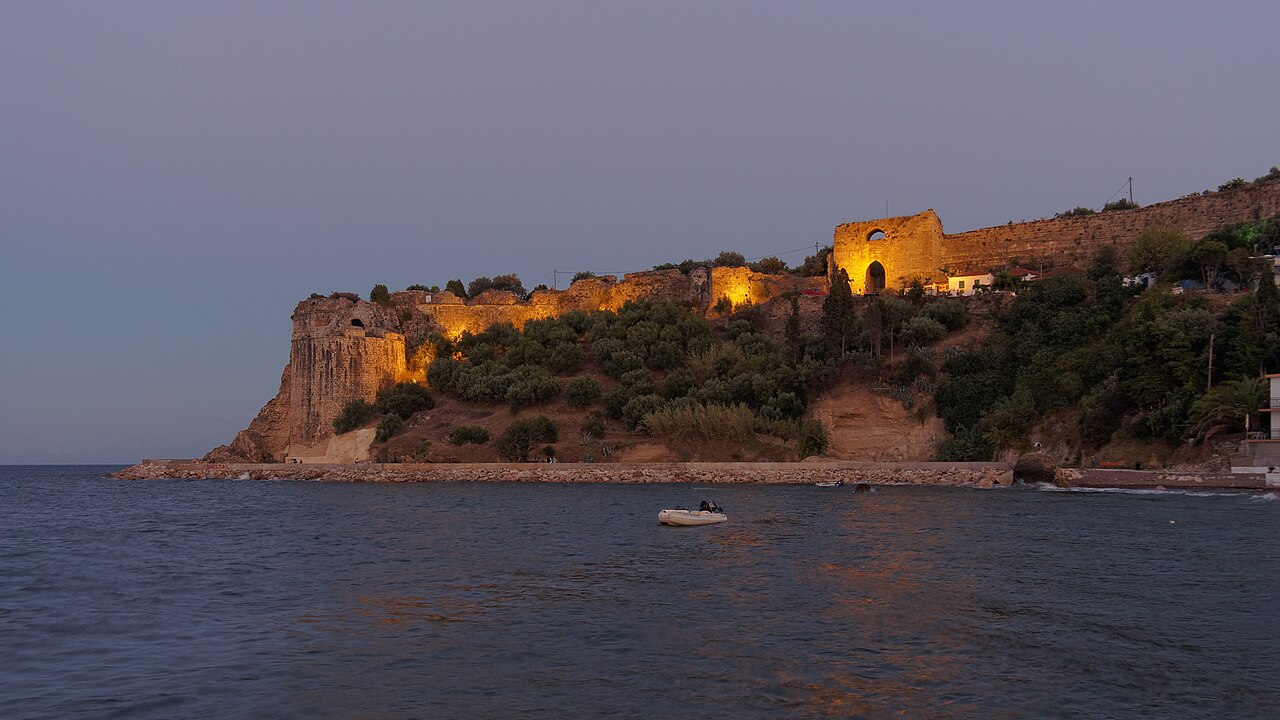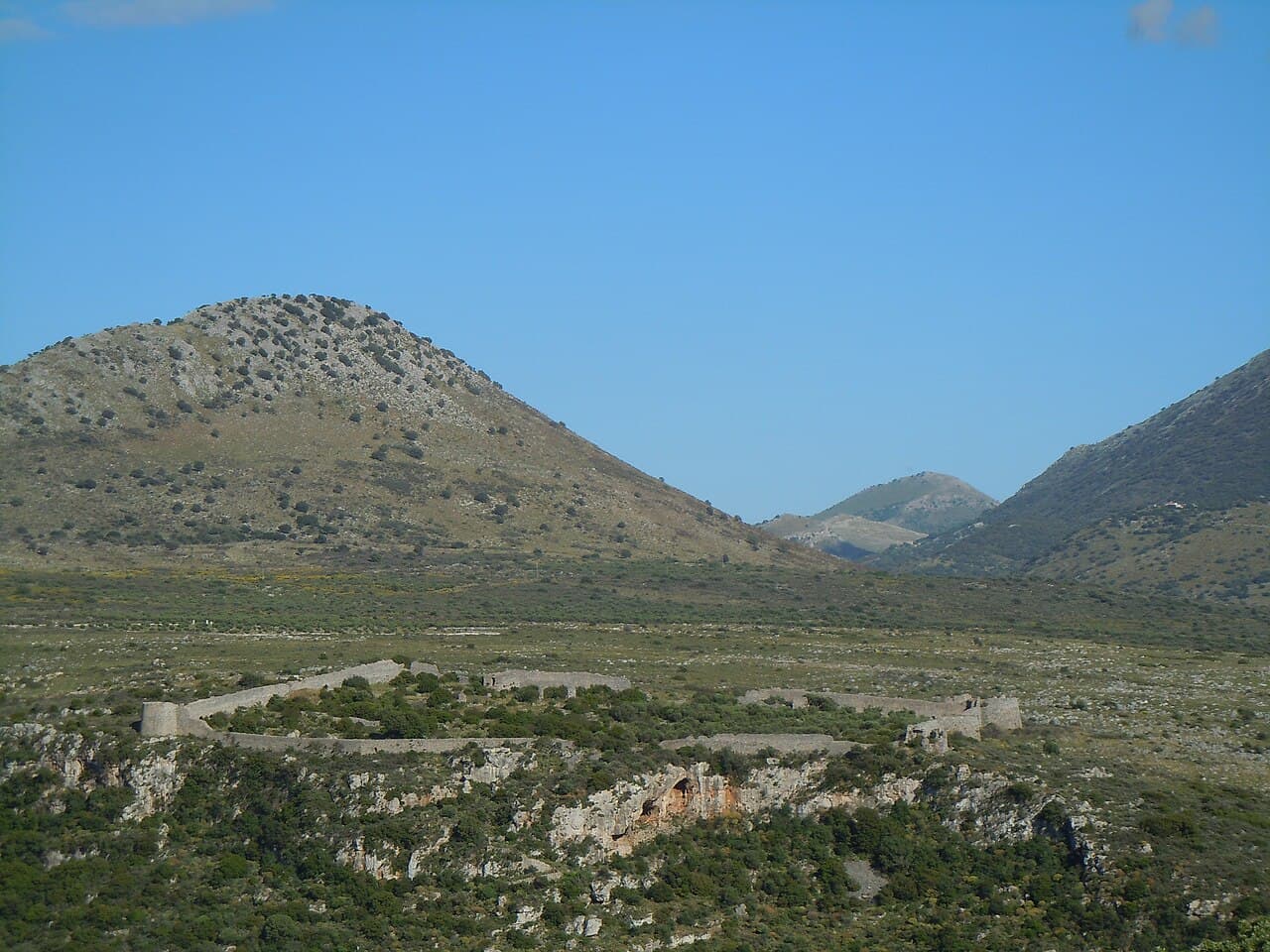
Kelefa Castle is a historic hill castle located in the region of East Mani, Greece, positioned strategically about halfway between the modern village of Kelefa and the Bay of Oitylo. Constructed in 1679 by the Ottoman Empire, the castle was designed to assert control over the fiercely independent Inner Mani region, a rugged and mountainous area known for its resistant local population.
Construction and strategic importance
The castle's architecture reflects its military purpose during the Renaissance period, built primarily as a fortified stronghold to project Ottoman power in the Peloponnese. Its hilltop location provided commanding views of the surrounding landscape and the bay, allowing early detection of approaching forces. The castle's walls and defensive structures were typical of 17th-century Ottoman fortifications, designed to withstand sieges and control key routes in the Mani peninsula.
Conflicts and sieges
The maniot siege and venetian involvement
In 1685, just six years after its construction, the castle was besieged by the Maniots, the local inhabitants determined to resist Ottoman rule. Recognizing the need for external support, the Maniots sent envoys to the Venetian Republic, then engaged in conflict with the Ottomans. The Venetians responded by dispatching a naval fleet under the command of Francesco Morosini, a notable Venetian admiral and military leader.
The arrival of the Venetian fleet bearing the symbol of St Mark prompted the Ottoman garrison to surrender the castle without prolonged resistance. This event marked a significant shift in control, with the castle and surrounding territory falling under Venetian influence.
Ottoman counterattack and later history
In 1686, the Ottomans attempted to reclaim the castle by laying siege with a strong military force. Despite their efforts, the Ottoman forces were repelled by the combined Maniot and Venetian defenders. The castle remained under Venetian control for approximately three decades, serving as a key defensive position in the ongoing struggle for dominance in the Peloponnese.
However, in 1715, during the Ottoman reconquest of the Peloponnese, the castle was retaken by Ottoman forces. It continued to serve as a military installation until around 1780, when the Ottomans abandoned it. Following its abandonment, the castle gradually fell into ruin and became derelict.
Architectural features and current condition
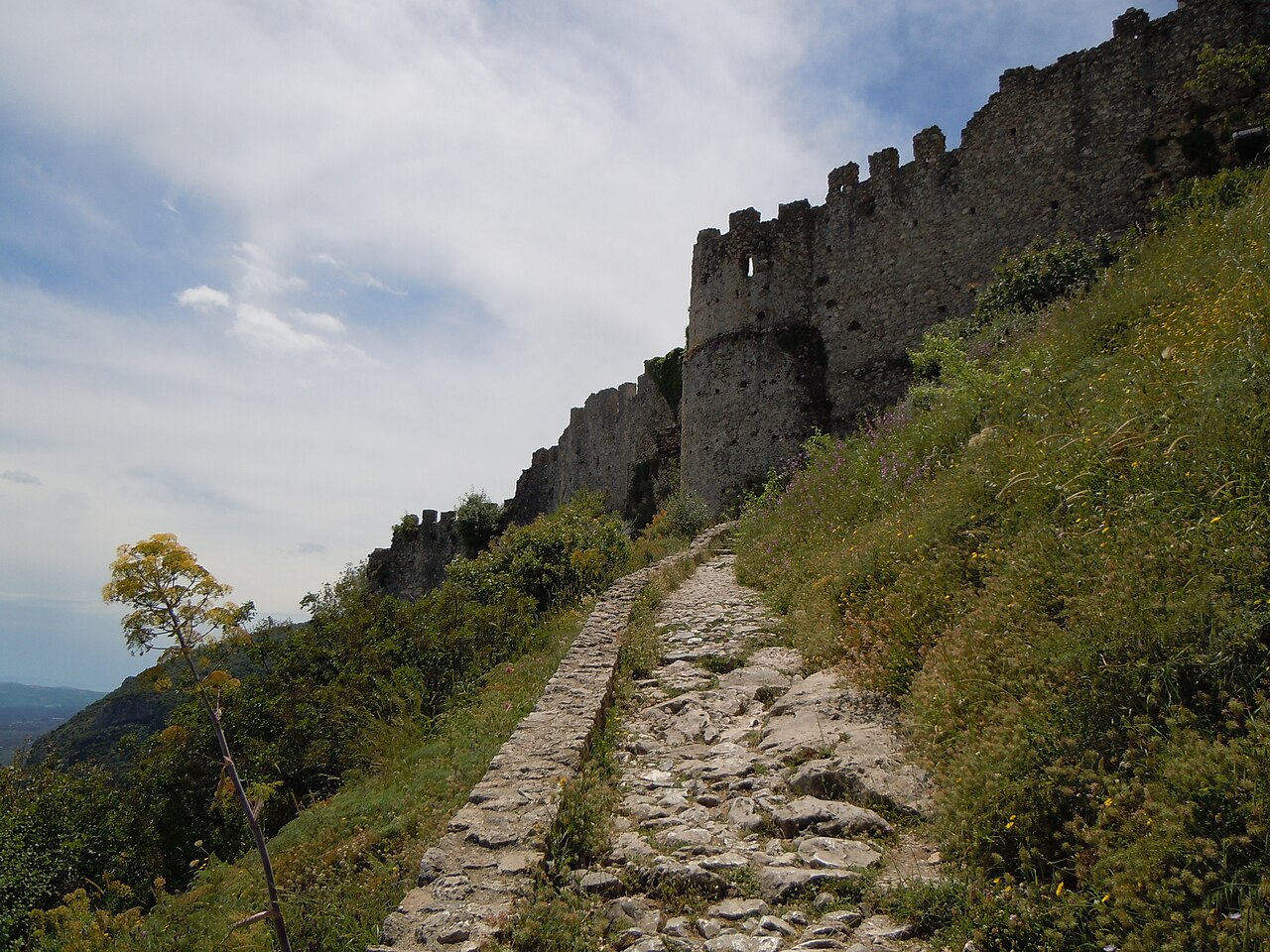
Kelefa Castle exemplifies the typical hill castle design, featuring robust defensive walls adapted to the uneven terrain of the Mani peninsula. The structure includes remnants of battlements, gatehouses, and possibly towers that would have provided vantage points for surveillance and defense. Its construction utilized local stone, integrating the fortress naturally into the rocky hillside.
Today, the castle stands as a ruin, with significant portions of its walls and fortifications still visible. Its ruins offer valuable insights into the military architecture of the late 17th century in the region and the turbulent history of Mani during the Ottoman-Venetian conflicts.
Historical significance and cultural context
The castle's history is closely tied to the broader geopolitical struggles between the Ottoman Empire and the Venetian Republic in the Mediterranean. Its construction and subsequent sieges reflect the persistent resistance of the Maniots to Ottoman control and their alliances with Venice. Kelefa Castle thus represents a focal point of military and cultural interaction in the Peloponnese during the late Renaissance and early modern periods.
Its location in Mani, a region known for its unique social structures and warrior culture, underscores the castle's role not only as a military bastion but also as a symbol of external attempts to dominate a fiercely independent population.
Visiting kelefa castle
Visitors to Kelefa Castle can explore the ruins set amidst the dramatic landscape of East Mani. The site offers panoramic views of the surrounding hills and the Bay of Oitylo, making it a destination for those interested in history, architecture, and natural scenery. While the castle is not fully restored, its remains provide a tangible connection to the region's complex past.
Frequently asked questions (FAQ)
- How do I get to Kelefa Castle?
- Kelefa Castle is located in East Mani, Greece, and can be accessed by car. The castle is approximately a 2-hour drive from Kalamata, and ample parking is available nearby. Public transportation options are limited, so driving is the most convenient way to reach the site.
- What is the historical significance of Kelefa Castle?
- Kelefa Castle was built in the 18th century during the Greek War of Independence and served as a strategic military stronghold. It played a crucial role in the defense against Ottoman forces, symbolizing the resilience of the local population. Today, it stands as a testament to the rich history and cultural heritage of the Mani region.
- When was Kelefa Castle constructed?
- Kelefa Castle was constructed in the early 1800s, specifically around 1826, to serve as a fortress during the Greek War of Independence. Its strategic location allowed it to oversee important routes and protect the local communities. The castle's architecture reflects the military needs of the period.
- Can I visit Kelefa Castle year-round?
- Yes, Kelefa Castle is open to visitors throughout the year, although access may be limited during certain weather conditions. It is advisable to check local weather reports before planning your visit. Always ensure to respect any guidelines provided by the site to enhance your experience.
- Why is Kelefa Castle a popular tourist destination?
- Kelefa Castle is popular for its stunning panoramic views of the surrounding landscape and its well-preserved architectural features. Visitors are drawn to its historical significance and the opportunity to explore the remnants of a medieval stronghold. Additionally, the castle's scenic location makes it an ideal spot for photography and hiking enthusiasts.
- Is it possible to take guided tours of Kelefa Castle?
- Yes, guided tours are available at Kelefa Castle, providing visitors with in-depth information about its history and architecture. These tours are often led by knowledgeable local guides who can share fascinating stories and insights about the castle's significance. It is recommended to check in advance for tour availability during your visit.
- What are the opening hours for Kelefa Castle?
- Kelefa Castle typically opens at 9 AM and closes at sunset, but hours may vary seasonally. It is advisable to check the official website or contact local tourism offices for the most current hours before your visit. Arriving earlier in the day can offer a more peaceful experience with fewer crowds.
- Are there any nearby attractions to visit after Kelefa Castle?
- Yes, there are several nearby attractions worth visiting, including the picturesque village of Areopoli and the stunning Diros Caves. Both locations offer unique experiences that complement a visit to Kelefa Castle. Exploring the local area provides a deeper understanding of the culture and history of the Mani region.
- What are the ticket prices for Kelefa Castle?
- Entry to Kelefa Castle is generally free, making it an accessible destination for all visitors. However, if you opt for a guided tour, there may be a fee associated with that service. It's best to check for any updates regarding potential fees or special events prior to your visit.
Photo gallery

Information
Loading map...
Visitor reviews
No reviews yet. Been here? Write the first review and help other travelers!
Write the first reviewVisited this castle? Share your experience
Your review helps other travelers and adds first-hand knowledge to our encyclopedia.