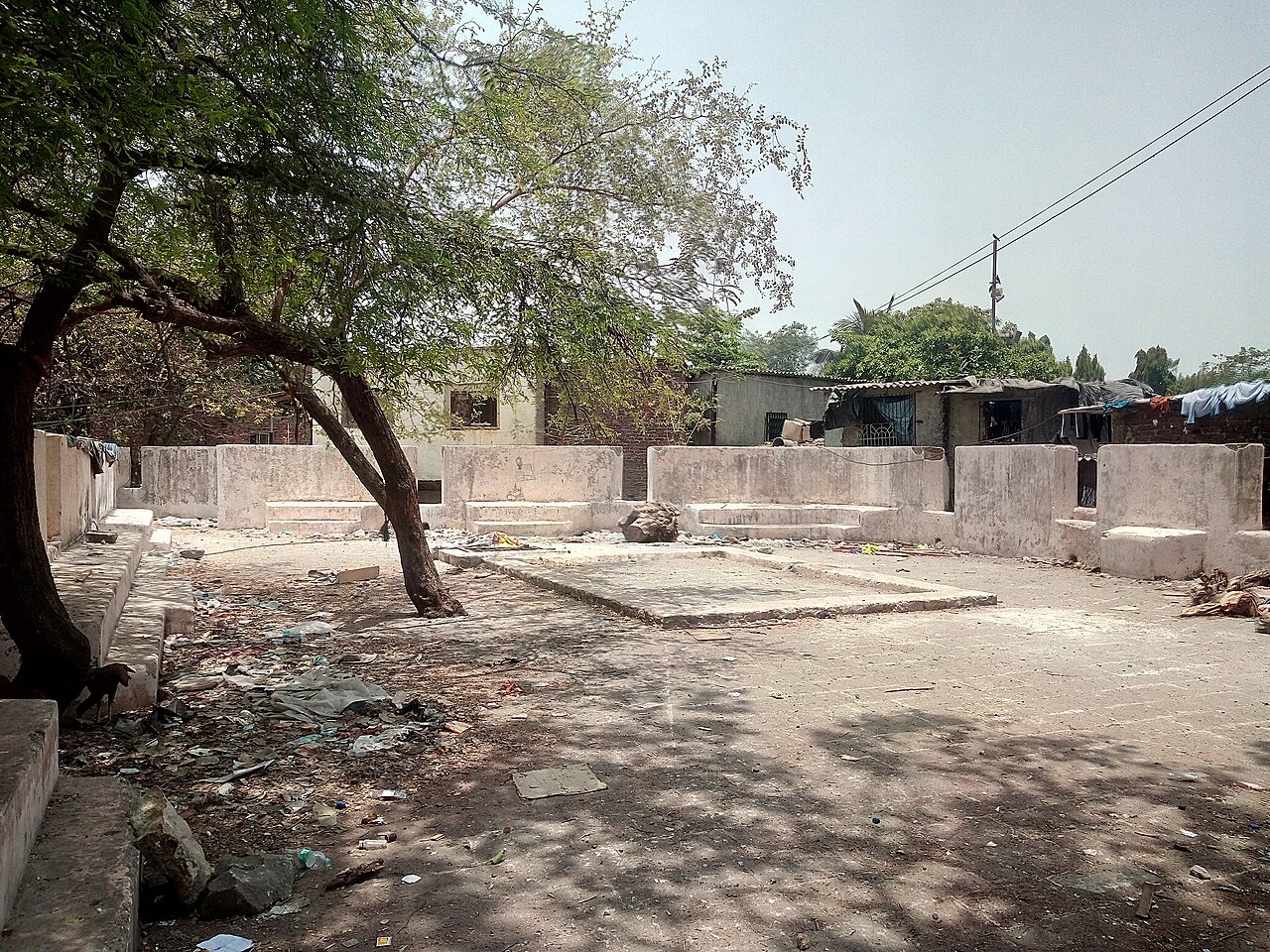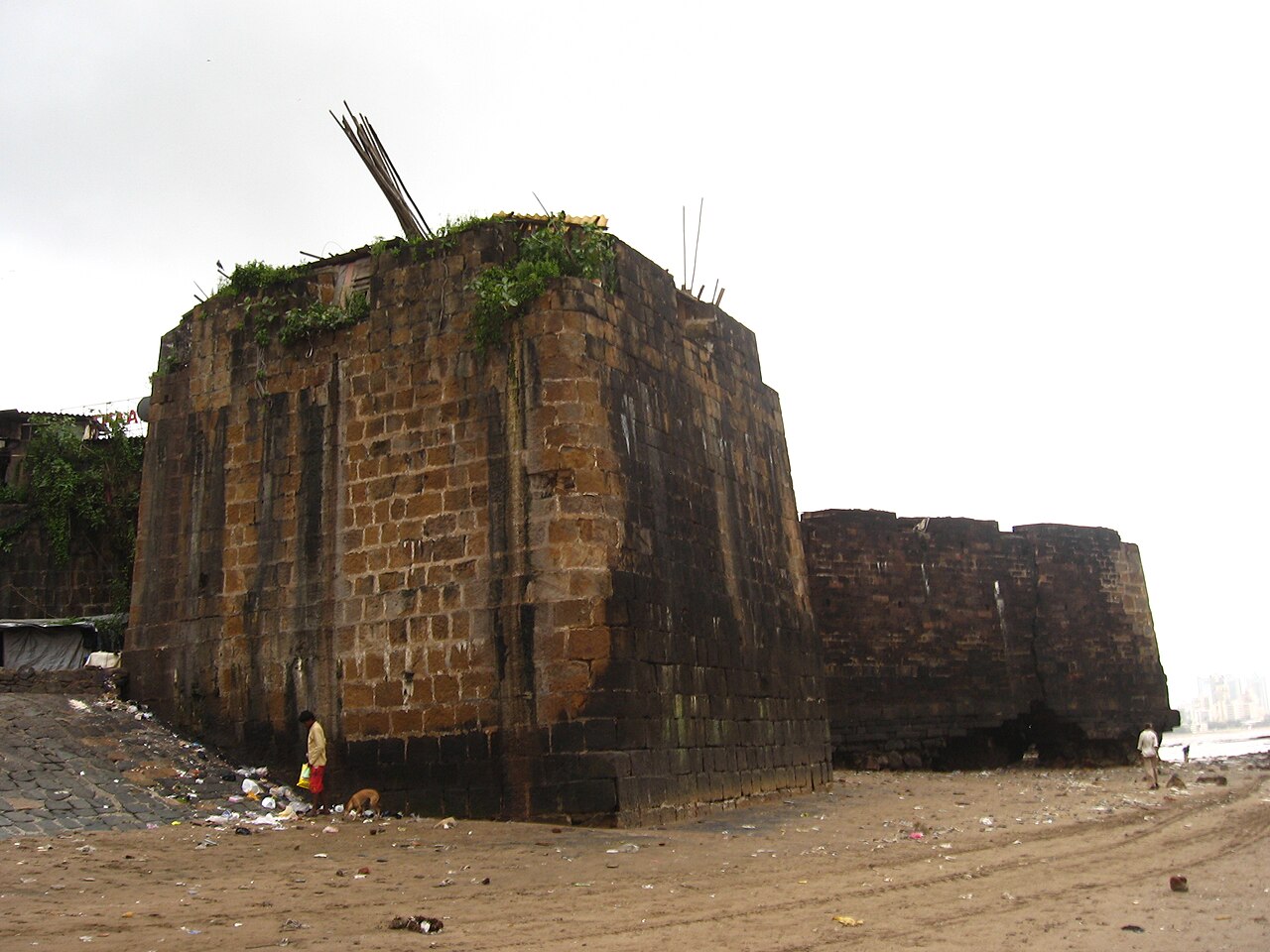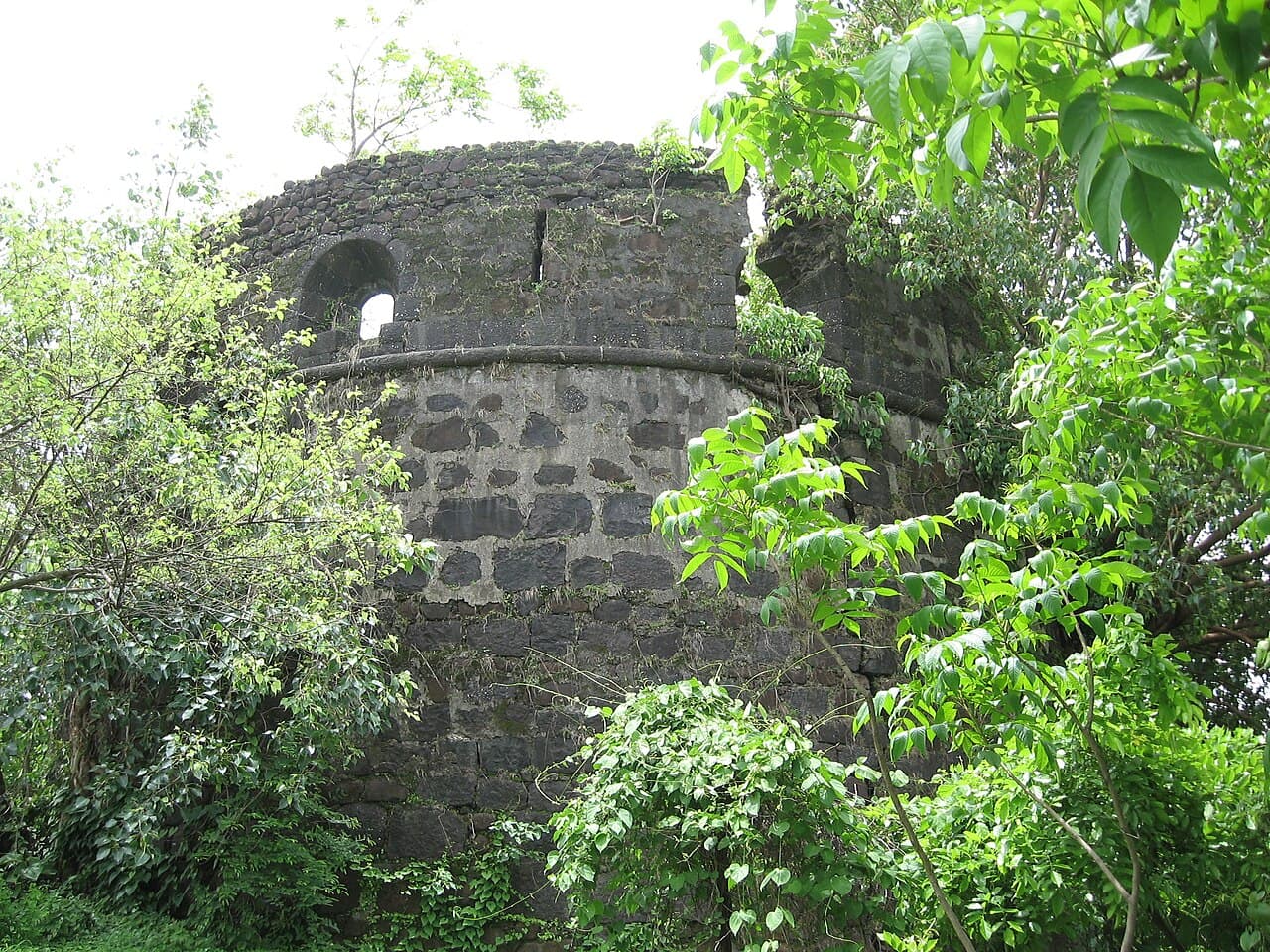
Belapur Fort — India castle

Belapur Fort

Belapur Fort near Navi Mumbai, Maharashtra
Navi Mumbai, Maharashtra, India
Late Medieval (14th–15th c.)
Ruins

Belapur Fort is a historic bastioned fortress located near the township of Belapur in Navi Mumbai, Maharashtra, India. The fort's origins trace back to the Siddhis of Janjira, who initially constructed it as a strategic coastal defense point. Over the centuries, it changed hands multiple times, reflecting the turbulent history of the western coast of India.

Historical background and strategic importance

The fort was originally built by the Siddhis, a community of African descent who established themselves as rulers of the Janjira fort and surrounding region. Their maritime prowess made them a formidable naval power along the Konkan coast during the 17th and 18th centuries. Belapur Fort served as a critical outpost to protect their territories and control maritime trade routes in the Arabian Sea.

In the course of its history, the fort was conquered by the Portuguese, who were expanding their colonial influence along the western coast of India. The Portuguese held the fort for a period, using it to secure their maritime interests and as a base for regional control.

Following the decline of Portuguese power, the fort was captured by the Marathas, who were consolidating their rule in the region during the 18th century. The Maratha control of Belapur Fort was part of their larger strategy to dominate the western coastline and safeguard their naval operations.

In the early 19th century, the fort fell into the hands of the British East India Company during their expansion of the Bombay Presidency. The British recognized the fort's strategic value but, with the establishment of more modern military installations and the changing nature of warfare, the fort's military significance diminished. Consequently, it was largely abandoned and fell into disuse.

Architectural features and layout

Belapur Fort is characterized by its bastioned walls, a typical feature of coastal forts built to withstand artillery attacks. The fort's design reflects the military architectural principles of the time, with thick stone walls, bastions positioned to cover all approaches, and limited entry points for defense.

The fort is situated on a small hillock near the coast, providing a vantage point over the surrounding area and the Arabian Sea. Its location allowed defenders to monitor naval movements and protect the nearby settlements.

Within the fort, remnants of , , and possible can still be observed, although much of the structure is in a state of ruin. The fort's layout is compact, designed primarily for military defense rather than residential comfort.

Decline and present condition

After the British assumed control, the fort's strategic relevance declined significantly. The expansion of the Bombay Presidency and the development of other coastal defenses rendered Belapur Fort obsolete. Over time, it was neglected and left to deteriorate.

Today, Belapur Fort stands as a ruin, with much of its structure collapsed or overgrown. Despite its dilapidated state, the site remains an important cultural and historical landmark, attracting visitors interested in the maritime history of Maharashtra and the legacy of the Siddhis, Portuguese, Marathas, and British in the region.

Cultural significance and tourism

The fort is part of the heritage of Navi Mumbai and serves as a reminder of the region's complex colonial and maritime history. It is accessible to visitors, though facilities are limited, and the site requires conservation efforts to preserve what remains.

Visitors to Belapur Fort can explore the ruins and enjoy views of the surrounding landscape and sea. The fort's history offers insights into the military architecture and strategic considerations of different ruling powers along the western coast of India.

Access and visitor information

The fort is located near the township of Belapur, which is well connected by road and rail within Navi Mumbai. Visitors can reach the site by local transport or private vehicle. There are no formal entry fees, and the fort is generally open to the public during daylight hours.

Due to its ruined condition, visitors are advised to exercise caution while exploring the site. The best time to visit is during the cooler months, avoiding the monsoon season when the terrain can be slippery.

Frequently asked questions (FAQ)

How do I get to Belapur Fort?
Belapur Fort is located near the township of Belapur in Navi Mumbai, Maharashtra. It is accessible by local transport, private vehicle, or taxi from major transit points in Navi Mumbai.
What is the historical significance of Belapur Fort?
Belapur Fort was built by the Siddhis of Janjira and later controlled by the Portuguese, Marathas, and British, reflecting the region's colonial and maritime history.
Can I visit Belapur Fort freely?
Yes, the fort is generally open to the public without an entry fee. Visitors should be cautious due to the ruinous condition of the site.
When is the best time to visit Belapur Fort?
The best time to visit is during the cooler months outside the monsoon season, as the terrain can be slippery and difficult during heavy rains.
What architectural features are notable at Belapur Fort?
The fort features bastioned walls typical of coastal forts, with remnants of gatehouses, battlements, and cannon placements visible despite its ruined state.

Photo gallery

Belapur Fort
Click to view

Photo by Nicholas (Nichalp)•CC BY-SA 3.0

1 photo • Click any image to view in full screen

Information

Bastioned Fortress

Loading map...

Visitor reviews

No reviews yet. Been here? Write the first review and help other travelers!

Write the first review

Visited this castle? Share your experience

Your review helps other travelers and adds first-hand knowledge to our encyclopedia.
Write a review

(5/5)

0/2000 characters

Your review will be visible after admin approval

Nearby castles

16.7 km
Karnala Fort — India castle

Karnala Fort

Panvel, India

Karnala Fort, also known locally as Funnel Hill, is a prominent hill fortress situated in the Raigad district of Maharashtra, India. Perched on a hill within the boundaries of the Karnala Bird Sanctuary, this 14th-century bastioned fortress commands a strategic vantage point overlooking the Bor pass. This pass historically served as a critical trade route connecting the Konkan coast to the Deccan Plateau, making Karnala Fort a significant military and commercial asset during the Late Medieval period.Historical significance and strategic locationConstructed in the 14th century, Karnala Fort was built to control and monitor the movement along the Bor pass, a vital corridor for trade and military campaigns. Its location allowed the fort's occupants to oversee and protect the main route linking the coastal regions to the interior parts of Maharashtra. Over the centuries, the fort changed hands multiple times, reflecting the turbulent history of the region, including control by various local rulers and empires.The fort's position within the Karnala Bird Sanctuary today adds a unique ecological dimension, with the surrounding forested hills providing habitat for diverse flora and fauna, including numerous bird species. This blend of natural beauty and historical architecture makes Karnala Fort a notable destination for both history enthusiasts and nature lovers.Architectural features and fortificationsKarnala Fort is classified as a bastioned fortress, characterized by its robust defensive structures designed to withstand sieges and assaults. The fort's walls are reinforced with bastions—projecting parts of the fortification that allowed defenders to cover adjacent walls with crossfire. These bastions are strategically placed to maximize defensive coverage around the perimeter.The fort includes several key architectural elements typical of hill forts from the Late Medieval period in India. These include massive stone walls, narrow gateways designed for defense, and internal water tanks that ensured a reliable water supply during sieges. The construction materials primarily consist of locally sourced stone, carefully shaped and fitted to create durable fortifications.Gates and entrancesThe main entrance of Karnala Fort is fortified with a strong gatehouse, which historically would have included defensive mechanisms such as heavy wooden doors and possibly iron spikes to deter attackers. The approach to the fort is steep and winding, adding to its defensive advantage by making direct assaults difficult.Internal structuresInside the fort, remnants of ancient buildings, including residential quarters, storage rooms, and watchtowers, can still be observed. These structures were designed to support the garrison stationed at the fort and to sustain prolonged defense efforts. The presence of water tanks within the fort's walls highlights the foresight in ensuring sustainability during blockades.Cultural and ecological contextToday, Karnala Fort is enveloped by the Karnala Bird Sanctuary, a protected area known for its rich biodiversity. The sanctuary's forested hills provide a serene backdrop to the rugged stone fortifications, creating a unique blend of natural and historical heritage. Visitors often combine birdwatching with exploring the fort's trails and ruins.The fort and sanctuary together attract tourists, trekkers, and wildlife enthusiasts, contributing to the region's cultural tourism. The conservation efforts for both the fort and the sanctuary emphasize preserving the ecological balance while maintaining the historical significance of Karnala Fort.Visiting karnala fortKarnala Fort is accessible via a hike through the sanctuary, with trails that vary in difficulty but generally require moderate fitness. The climb offers scenic views of the surrounding landscape and the opportunity to experience the flora and fauna of the sanctuary. Visitors should prepare for a trek that can take a few hours depending on the chosen route.As a protected site, the fort is managed to balance tourism with conservation. Visitors are encouraged to respect the natural environment and the historical structures. The best time to visit is during the cooler months, avoiding the intense monsoon season when trails can become slippery and challenging.

Late Medieval (14th–15th c.)
Details
18.4 km
Riwa Fort — India castle

Riwa Fort

Mumbai, India

Riwa Fort, locally called Kala Qilla or Black Fort, is a historic fortress located on the banks of the Mithi River in central Mumbai (formerly Bombay), India. Though now in a state of ruins, the fort holds significant historic importance due to its strategic location and role in the maritime defense of the region during the early 18th century. Situated in the midst of the Dharavi slums, the fort's remains offer a glimpse into the colonial and regional conflicts that shaped Mumbai's development.The site originally consisted of marshy land that served as a natural boundary dividing territories controlled by the British East India Company and the Portuguese. This strategic position on the Mithi River made it a crucial point for controlling access to the island of Bombay and protecting it from naval incursions.Historical context and constructionThe fort was commissioned during the tenure of John Horne, the Governor of Bombay, as part of a defensive strategy against the aggressive maritime activities of the Maratha naval leader Kanhoji Angre. Kanhoji Angre was a prominent admiral of the Maratha Empire who controlled significant portions of the western coast of India and was known for his naval raids against European colonial powers.Construction of the fort likely took place in the early 18th century, although precise dates are not well documented. The fort's primary purpose was to serve as a coastal defense installation to monitor and repel attacks by Maratha forces, particularly those led by Angre, who was a formidable adversary to British interests in the region.Architectural features and layoutWhile much of Riwa Fort lies in ruins today, historical records and remaining structures indicate it was a modest defensive fortification typical of early colonial coastal forts in India. The fort's walls were constructed from locally available stone and mortar, designed to withstand naval bombardment and provide vantage points for artillery placement.The fort's location on the riverbank allowed for control over river access and facilitated surveillance of maritime traffic. It likely featured battlements, watchtowers, and a fortified gatehouse to regulate entry. Its compact size suggests it was intended more as a military outpost than a large garrison or administrative center.Military significance and conflictsRiwa Fort played a role in the ongoing conflicts between the British colonial authorities and the Maratha Empire during the 18th century. The Marathas, under Kanhoji Angre, frequently challenged British naval dominance along the western coast, and the fort was part of the British effort to secure Bombay against these threats.Despite British efforts, the fort was eventually captured by the Marathas, reflecting the shifting control of the region during this turbulent period. This capture underscored the strategic importance of the fort and the contested nature of coastal defenses in western India.Decline and present conditionFollowing the decline of Maratha naval power and the consolidation of British control over Bombay, Riwa Fort lost its military relevance. Over time, it fell into disrepair and was largely abandoned. Today, the fort remains in a dilapidated state amid the dense urban sprawl of Dharavi, one of Asia's largest slums.The fort is under the care of the Maharashtra Directorate of Archaeology and Museums, which recognizes its heritage value. However, the site faces challenges from urban encroachment and environmental degradation, limiting preservation efforts.Significance and heritage valueDespite its ruined condition, Riwa Fort stands as a testament to the complex colonial and regional power struggles that shaped Mumbai's history. It reflects the military architecture and strategic thinking of early 18th-century coastal defenses in India.The fort's location near the Mithi River and within a rapidly urbanizing area highlights issues of heritage conservation amid modern development pressures. It remains a subject of interest for historians, archaeologists, and those studying the maritime history of the western Indian coast.

Details
20.4 km
Mahim Fort — India castle

Mahim Fort

Mumbai, India

Mahim Fort is a historic coastal fortification located in the Mahim area of Mumbai, Maharashtra, India. Positioned strategically on the shores of Mahim Bay, the fort commands views over Worli to the south, Bandra to the north, and the Mahim locality to the east. Its location made it a significant military and maritime vantage point, controlling access to the bay and nearby coastal routes. Historical background and strategic importance The precise origins of Mahim Fort are not well documented, but it is believed to have been constructed during the period of the Bahamani Sultanate or the subsequent Adil Shahi dynasty of Bijapur in the late medieval era. The fort later came under the control of the Mughal Empire and then the Portuguese in the 16th century, reflecting its importance in the contest for dominance over the western coast of India. Eventually, the fort was taken by the British East India Company, who used it to protect their growing interests in the region. Due to its location on the western coast, the fort played a key role in maritime defense and trade protection. It guarded the entrance to the Mahim Creek and served as a lookout point to monitor naval movements along the Arabian Sea coast. The fort's position allowed it to oversee and potentially control the important trade routes connecting the hinterlands with the Arabian Sea. Architectural features and layout Mahim Fort is classified as a coastal fortress, built primarily for defense against naval threats. The fort's remains show a simple but effective design typical of coastal forts in the region, with thick stone walls constructed to withstand cannon fire and tidal forces. The walls were built using local basalt stone, a common building material in the Mumbai region. The fort's layout was oriented to maximize visibility of the bay and surrounding waters. It included bastions at key points for mounting artillery and providing overlapping fields of fire. There was likely a main gate facing the landward side, with smaller entrances or sally ports to allow defenders to launch sorties or control access. Within the fort, there would have been barracks, storage facilities for ammunition and provisions, and possibly a cistern or well to supply fresh water during sieges. However, much of the internal structure has been lost to time, and only the outer walls and some bastions remain visible today. Current condition and preservation challenges Today, Mahim Fort exists mostly as ruins, suffering from significant deterioration due to natural and human factors. The fort faces ongoing threats from tidal erosion, which gradually wears away the stone foundations and walls exposed to the sea. Additionally, the site has been affected by encroachment from nearby informal settlements, complicating conservation efforts. Administrative neglect has also contributed to the fort's decline. Despite its historical significance, Mahim Fort has not received adequate protection or restoration by local authorities. The lack of maintenance and public awareness has left the fort vulnerable to further decay and loss. Significance and cultural heritage Although largely in ruins, Mahim Fort remains an important cultural and historical landmark in Mumbai. It represents the layered history of the region, reflecting the various powers that controlled the western coast of India over several centuries. The fort's position on Mahim Bay connects it to the maritime heritage of Mumbai, once a collection of islands and a key port city. Efforts to raise awareness about the fort's condition have been made by heritage activists and local communities. Preservation of the fort would contribute to safeguarding Mumbai's coastal history and provide educational opportunities about the region's medieval and colonial past. Visiting Mahim Fort Visitors to Mahim Fort can explore the remains of the fort walls and enjoy views of Mahim Bay and the surrounding neighborhoods. However, due to its ruined condition and lack of formal facilities, caution is advised when visiting. The site is accessible from the Mahim area of Mumbai, but there are no established visitor services or guided tours. Exploring the fort offers a glimpse into the strategic military architecture of coastal forts in India and a tangible connection to Mumbai's historical landscape.

Late Medieval (14th–15th c.)
Details