Karaköy Castle

Karaköy castle: early medieval fortification in konya, turkey
Southwest of Karaköy, Turkey
Early Medieval (5th–10th c.)
Ruins

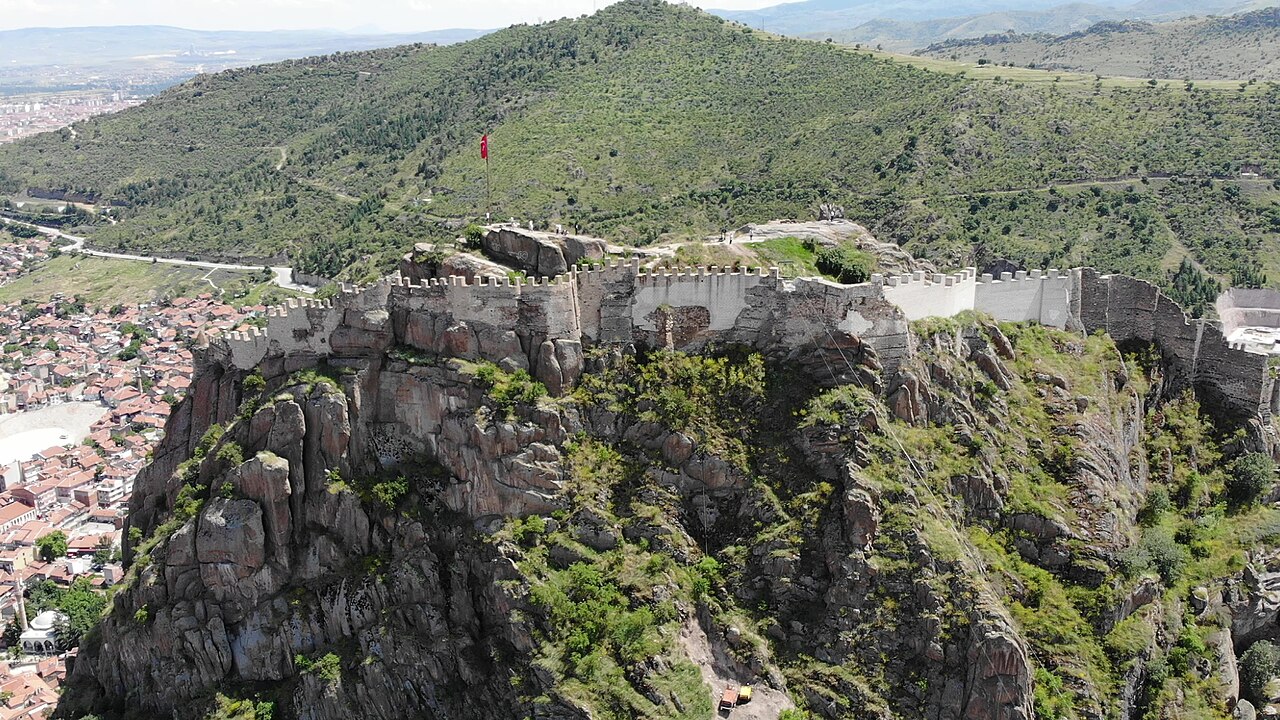
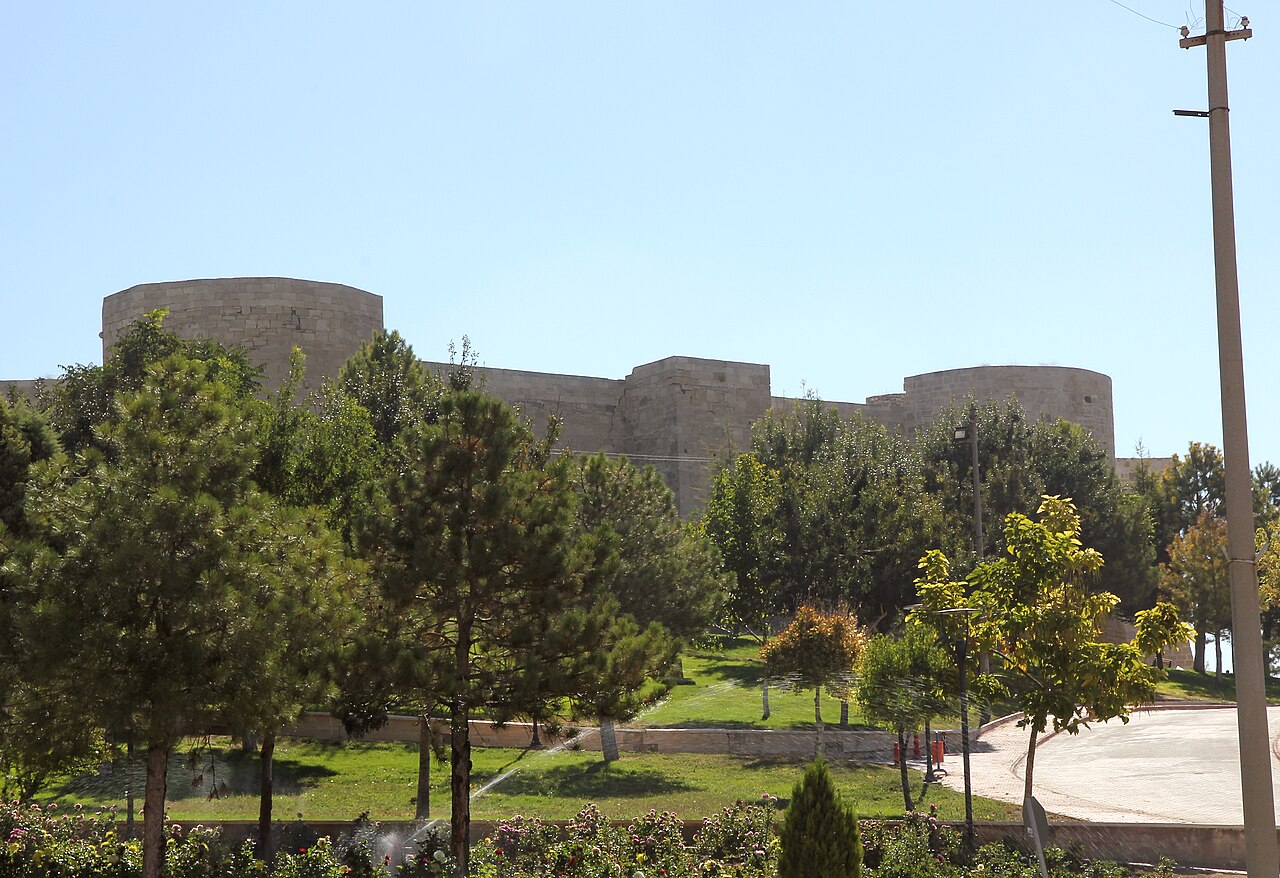
Karaköy Castle, also known locally as Karaköy Kalesi, Ilgın Kalesi, or Çetmi'nin Kalesi, is situated southwest of the village of Karaköy in the Konya Province of Turkey. This site represents a complex archaeological and architectural heritage spanning several historic periods, prominently featuring remains from the Hellenistic era and earlier Iron Age fortifications.

Historical context and location

The castle occupies a strategic position on a hillside, overlooking the surrounding landscape. It is one of two fortifications on this hill, with Karaköy Castle itself located on the slope of a higher hill. Above it once stood an even older fortification, often referred to as the Karaköy Upper Castle, which dates back to the Iron Age. This upper fortification is believed to have had a circular plan fortified with 26 semicircular towers, a design that suggests significant defensive capabilities. Although no visible remains of this upper castle survive today, archaeological evidence indicates it may have been linked to the Hittite civilization, especially given the proximity of the Yalburt Hittite Water Monument, a religious site located approximately 17 kilometers north.

Dating and architectural phases

The present ruins of Karaköy Castle are thought to date primarily from the Hellenistic period, approximately between the 3rd century BC and 50 BC. This dating aligns with the architectural style and masonry techniques observed in the remaining structures. Despite its designation as a castle, the site’s exact function remains debated. Its position below the higher Iron Age fortification raises questions about its defensive logic, as having an elevated vantage point behind a fortification would be disadvantageous in military terms.

Architectural features and site layout

The surviving remains of Karaköy Castle reveal characteristic masonry work typical of the Hellenistic era. The castle’s walls and foundations display stone construction with a focus on durability. However, the absence of significant defensive features such as extensive battlements or a moat suggests that the site may have served purposes beyond pure military defense.

Possible religious or ceremonial functions

Given the presence of a reliable water source beneath the castle, adjacent to a nearby road, some scholars have proposed that Karaköy Castle may have functioned at least partly as a religious or ceremonial site. This theory is supported by the proximity of the Hittite religious pool, which hints at the area’s longstanding spiritual significance.

Archaeological significance and current condition

While Karaköy Castle does not present as a grand fortress typical of medieval military architecture, it remains an important archaeological site that sheds light on the region’s complex history. Its layered history from the Iron Age through the Hellenistic period illustrates the continuity of settlement and strategic use of the hill.

Today, Karaköy Castle is freely accessible to visitors. Although it may not offer the dramatic ruins or extensive fortifications seen at other castles, it provides a unique glimpse into ancient construction techniques and the historical landscape of Konya Province. The site’s relatively modest remains and quiet setting contribute to its character as a somewhat forgotten archaeological location.

Visitor information and accessibility

Visitors to Karaköy Castle can explore the ruins without restrictions, making it an appealing destination for those interested in early medieval and ancient sites off the beaten path. Its location near Karaköy village allows for easy access, though facilities and interpretive signage may be limited. The site is best visited in good weather, when the surrounding countryside is visible from the castle’s elevated position.

Frequently asked questions (FAQ)

What is the historical significance of Karaköy Castle?
Karaköy Castle reflects a complex history from the Iron Age through the Hellenistic period, illustrating ancient defensive and possibly religious uses in Konya Province, Turkey.
Is Karaköy Castle open to visitors?
Yes, Karaköy Castle is freely accessible to the public, allowing visitors to explore the ruins without restrictions.
What architectural features can be seen at Karaköy Castle?
Visitors can observe Hellenistic masonry techniques and the remains of defensive walls, though the site lacks extensive fortifications typical of later medieval castles.
Why is Karaköy Castle considered unique?
Its proximity to an older Iron Age fortification and possible religious sites, along with its debated defensive purpose, make Karaköy Castle a distinctive archaeological site.
How do I get to Karaköy Castle?
Karaköy Castle is located southwest of Karaköy village in Konya Province, Turkey. Access is typically by local roads leading to the hill where the ruins stand.

Information

Hill Castle

Loading map...

Visitor reviews

No reviews yet. Been here? Write the first review and help other travelers!

Write the first review

Visited this castle? Share your experience

Your review helps other travelers and adds first-hand knowledge to our encyclopedia.
Write a review

(5/5)

0/2000 characters

Your review will be visible after admin approval

Nearby castles

115.4 km
Eğirdir Castle — Turkey castle

Eğirdir Castle

, Turkey

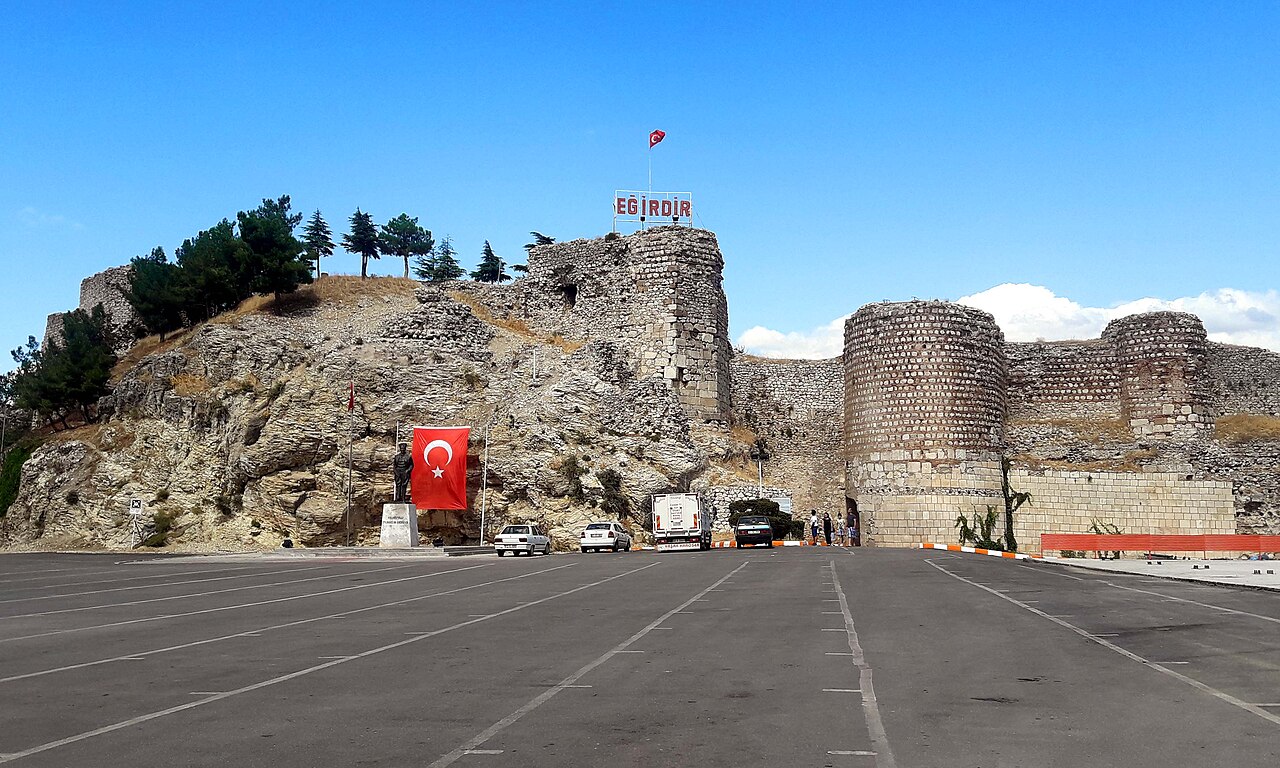
Eğirdir Castle is a significant hill castle located in the Eğirdir district of Isparta Province, Turkey. Positioned strategically on an isthmus of the Eğirdir Lake, the castle overlooks the water and the surrounding landscape, offering a commanding view that was essential for defense. The castle's placement on this narrow land bridge provided a natural defensive advantage against attacks from the lake side, a key factor in its design and historical use. Historical background and origins The exact date of Eğirdir Castle's construction remains uncertain due to the lack of written records. Local tradition suggests that the site may have origins as far back as the 6th to 7th centuries BC, potentially linked to the Lydian Kingdom. However, architectural analysis of the masonry indicates that the main construction or significant reconstruction likely took place during the Roman Empire or Byzantine Empire periods. This aligns with the common practice of reusing and reinforcing earlier fortifications during these eras. In the early 14th century, Eğirdir served as the capital of the Anatolian beylik of Hamidids. The castle was restored in 1307 by Dündar of Hamidoğlu, as evidenced by an inscription found on the castle walls. This restoration was part of efforts to strengthen the region's defenses during a period of political fragmentation in Anatolia. Later, during the 1402 campaign of Timur, the castle suffered partial destruction. Despite this damage, it remained in use during the Ottoman Empire era, functioning primarily as a small military post rather than a major fortress. Architectural features and layout The castle is relatively modest in height, standing about 15 metres (49 feet) tall, reflecting its primary defensive orientation against threats from the lake side. The original extent of the castle is difficult to determine due to the urban development that has taken place on its ruins over time. However, the inner castle area is estimated to cover approximately 4,500 square metres (48,000 square feet), indicating a substantial fortified space. The masonry style suggests a blend of construction techniques from the Roman and Byzantine periods, characterized by robust stone walls designed to withstand sieges and natural wear. The castle likely included battlements, towers, and gates typical of hill castles of its era, although many of these features have been altered or lost due to later modifications and urban encroachment. Defensive structures Given its location on an isthmus, the castle's defenses were oriented to protect against attacks coming across the lake. The walls would have been reinforced on the lake-facing side to resist assaults and possible amphibious landings. The relatively low height of the walls suggests a design focused on controlling access rather than withstanding prolonged sieges from large armies. Cultural and historical significance Eğirdir Castle holds cultural importance as a symbol of the region's layered history, reflecting influences from the Lydian, Roman, Byzantine, Hamidid, and Ottoman periods. Its role as the capital fortress of the Hamidids in the early 14th century marks it as a key political and military site during a turbulent era in Anatolian history. The castle's survival through multiple historical phases, including partial destruction during Timur's invasion and continued use in the Ottoman period, illustrates the strategic importance of Eğirdir as a crossroads of civilizations and military campaigns. Current condition and preservation Today, Eğirdir Castle is classified as partially preserved. The urban settlement built over parts of the ruins has obscured the full original layout, but significant portions of the inner castle remain visible. Preservation efforts focus on maintaining the remaining structures and highlighting the castle's historical value to visitors and scholars. The castle is accessible to visitors interested in exploring the historical architecture and enjoying views of Eğirdir Lake and the surrounding landscape. Interpretive signage and local guides often provide context about the castle's diverse history and architectural evolution. Visiting information Visitors to Eğirdir Castle can explore the site throughout the year, although specific opening hours and ticketing details may vary locally. The castle's location within the town of Eğirdir makes it an accessible destination for those interested in Turkish history and medieval fortifications.

Details
141 km
Afyonkarahisar Castle — Turkey castle

Afyonkarahisar Castle

Kale Mah., Turkey

Afyonkarahisar Castle, also known locally as Afyonkarahisar Kalesi, is a prominent historic fortress located in the city of Afyonkarahisar in western Turkey. Towering atop a volcanic rock approximately 220 meters (740 feet) high, this castle has a rich and complex history spanning over three millennia. It stands as a testament to the strategic importance of this site through various civilizations and empires, from the ancient Hittites to the Ottoman Empire. Early history and strategic significance The castle's origins trace back to around 1350 BC, when the Hittites first fortified the volcanic rock. This early fortification is believed to have been commissioned by the Hittite king Mursili II to protect the town then known as Hapanuwa. The location's natural elevation and volcanic rock made it an ideal defensive position, commanding views over the surrounding plains and trade routes. Following the Hittites, the site was successively occupied by the Phrygians, Lydians, and the Achaemenid Persian Empire. Each of these cultures contributed to the site's development and fortification, adapting the castle to their defensive needs. Classical and Byzantine periods In 333 BC, the area was conquered by Alexander the Great, who renamed the town Akroinon or Akronium. The name persisted through the rule of the Seleucid Empire, the kingdom of Pergamon, and the Roman Empire. The castle and town remained strategically important throughout these periods, serving as a military and administrative center. The Byzantine Empire inherited the fortress and the surrounding city, which gained renewed significance after the Battle of Akroinon in 740 AD. This battle marked a decisive Byzantine victory over an invading Umayyad Arab army. In honor of this victory, the city was renamed Nicopolis, meaning "city of victory" in Greek. The Byzantine fortifications were strengthened during this time, reflecting the ongoing military threats in the region. Seljuk and Ottoman periods The castle entered a new phase in 1071 when the Seljuks conquered the region. They renamed the fortress Kara Hisar, meaning "Black Fortress" in Turkish, a name that highlighted the dark volcanic rock on which the castle stands. The Seljuk period saw further modifications to the castle's defenses, adapting it to the changing warfare technologies of the medieval period. During the Crusades, the castle was a contested stronghold due to its strategic location. It was finally conquered by the Ottoman Empire in 1392. However, the castle was briefly lost after the invasion of Timur Lenk (Tamerlane) in 1402, only to be recaptured by the Ottomans in 1428–1429. Under Ottoman rule, the fortress continued to serve as a military bastion and administrative center. The town itself became known as Afyon, Turkish for "opium," reflecting the region's status as a major producer of raw opium until the late 1960s. The official name was changed to Afyonkarahisar in 2004, combining the words for "opium" and "black fortress," acknowledging both the agricultural heritage and the iconic castle. Architectural features and layout Afyonkarahisar Castle is classified as a bastioned fortress due to its defensive structures adapted over centuries. The castle's plan is notably irregular, as its curtain walls follow the natural contours of the volcanic rock on which it stands. This irregularity is a direct response to the topography, maximizing defensive capabilities by integrating the natural landscape. The fortress includes several cisterns carved into the rock, which provided essential water storage for the garrison during sieges. There are also rock-cut stairs that connect different levels of the castle, facilitating movement within the complex despite the steep terrain. Additionally, rock-cut graves have been found within the castle precincts, indicating the site's long-term habitation and cultural significance. Recent archaeological excavations, particularly in the western corner of the castle, have uncovered foundations of various buildings. These findings suggest that the castle complex included residential, administrative, and military structures that evolved over time. Visiting Afyonkarahisar Castle today The castle is freely accessible to visitors, although reaching the summit requires climbing a strenuous set of stairs located on the south side of the rock. The climb rewards visitors with panoramic views over the city of Afyonkarahisar and the surrounding landscape. Today, the castle remains a significant cultural and historical landmark in Turkey. It is primarily of Byzantine and Ottoman origin, with modern repairs preserving its structure. Visitors can explore the ruins, including the defensive walls, cisterns, and archaeological sites, gaining insight into the castle's layered history and architectural evolution. Historical significance and cultural heritage Afyonkarahisar Castle stands as a symbol of the region's turbulent history and strategic importance. Its continuous occupation and adaptation by various civilizations reflect the broader historical currents of Anatolia and the eastern Mediterranean. The castle's prominent position and enduring presence have made it a cultural icon, representing both the ancient heritage and the Ottoman legacy of the city. Its name, combining "Afyon" (opium) and "karahisar" (black fortress), encapsulates the intertwined agricultural and military history of the area. Preservation and ongoing research Archaeological work continues at the site, uncovering new insights into the castle's construction phases and the daily lives of its inhabitants. Preservation efforts aim to maintain the castle as a well-preserved monument, highlighting its architectural and historical significance for future generations.

Details
161.6 km
Karaman Castle — Turkey castle

Karaman Castle

Karaman, Turkey

Karaman Castle, locally known as Karaman Kalesi, is a prominent hill castle located in the city of Karaman, within the Karaman Province of Turkey. This fortress stands on an ancient mound that has witnessed layers of history spanning from the Bronze Age through the Roman, Byzantine, Seljuk, and Karamanid periods, reflecting its enduring strategic and administrative importance in the region. The exact founding date of Karaman Castle remains uncertain. It is commonly believed that the Byzantine Empire initially constructed the fortress in the late 11th or early 12th century, though the site itself had been inhabited much earlier. The city of Karaman was known as Lānda during the Hittite era, indicating the possibility of a predecessor fortification before the medieval castle. During the High Medieval period, the castle came under the control of the Seljuk Turks in the late 12th century, specifically under the reign of Sultan Kilij Arslan II. The castle briefly fell into the hands of the Third Crusade forces led by Holy Roman Emperor Frederick Barbarossa in 1190 before returning to Seljuk control. Between 1211 and 1216, it was occupied by the Armenian Kingdom of Cilicia, highlighting the castle's contested status during this turbulent era. In 1256, the Turkic leader Kerîmeddin Karaman Bey captured the castle and the surrounding town, then known as Laranda, renaming it Karaman after himself. The castle subsequently became the capital and residence of the Karamanid Beylik, a powerful Turkish principality that governed the region until the mid-15th century. Under the Karamanids, the castle underwent significant rebuilding and expansion, transforming it into a fortified administrative center with extensive residential quarters and ceremonial halls. Following the Ottoman conquest around 1465, Karaman Castle was found in a dilapidated state. The Ottoman governor Gedik Ahmed Pasha ordered the demolition of several town buildings to reuse their stones for restoring the fortress, resulting in the incorporation of various Islamic spolia into the castle walls. This reuse of materials reflects the layered architectural history evident in the structure today. Fortifications and architectural features Karaman Castle is characterized by a complex system of concentric walls that once enclosed the town. Historical accounts from the 17th century Ottoman traveler Evliya Çelebi describe the inner walls as having 40 towers and 2 gates, while the extensive outer walls boasted 140 towers and 9 gates. Unfortunately, the outer fortifications have not survived, but a substantial section of the inner walls remains on the south side of the mound, including one of the original gates. The castle's layout is roughly rectangular, with three main defensive walls arranged concentrically: the outer rampart (Dışkale), the middle wall (Ortakale), and the inner core fortress (İçkale). The inner fortress served as the residence of the Karamanid rulers and housed administrative buildings, reception halls, and living quarters. The castle features nine bastions of varying shapes—four circular and five rectangular—with prismatic and cylindrical towers marking the corners. These bastions were strategically designed to provide robust defensive coverage, with lower sections built from darker, wider-set stone blocks indicative of earlier construction phases. The main entrance gate, located on the south side, is a notable architectural highlight. It is a two-story rectangular bastion featuring a low-arched doorway surmounted by a pointed arch. Decorative elements include a marble panel framed by a rectangular border, carved rumi motifs, pointed arches, and rosette reliefs, blending Islamic artistic styles with regional influences. Inside the courtyard, a second main gate dating from the 15th-century Karamanid period displays half-star motifs framed by concave moldings and cylindrical pilasters, with arrow slits designed for defense. Historical significance and use Throughout its history, Karaman Castle functioned as a strategic military fortress and an administrative center. During the Karamanid period, it was the seat of power for the beylik's rulers, who used the castle to govern the surrounding territories. Archaeological excavations have uncovered evidence of extensive administrative complexes, including halls for receptions and throne ceremonies, as well as living quarters that accommodated both the ruling elite and their retinues. After the Ottoman conquest, the castle's military importance declined, and it gradually fell into disrepair. The Ottomans repurposed parts of the fortress for provincial governance, but the defensive role diminished as the empire consolidated control over Anatolia. Over time, many of the outer fortifications were lost, and the castle became more of a symbolic and administrative site rather than a frontline fortress. Modern restoration and preservation efforts In the 20th century, Karaman Castle underwent several restoration campaigns aimed at preserving its historical and architectural heritage. Major conservation efforts took place in 1961 and 1975, followed by extensive archaeological excavations between 2013 and 2018. These projects revealed important insights into the castle's layered history and helped stabilize the remaining structures. Today, the castle mound serves as a public park, offering free access to visitors who can explore the outer areas and remaining walls. Restoration work has included the removal of modern additions such as theater seating installed in the inner courtyard, returning parts of the site to open green space. Night lighting has been installed to highlight the castle's architectural features, enhancing its visibility and appeal as a cultural landmark. While the castle's interior is currently not accessible to the public, ongoing preservation efforts aim to maintain the site as a museum and cultural venue that celebrates its rich history. Karaman Castle stands as a testament to the region's complex past, reflecting the influences of Byzantine, Seljuk, Karamanid, and Ottoman civilizations. Archaeological layers and cultural heritage The castle is built upon a tumulus containing archaeological strata from the Bronze Age, Roman, and Byzantine periods, making it a site of considerable archaeological significance. Excavations have uncovered artifacts and structural remains that illustrate the continuous occupation and strategic importance of this location over millennia. The integration of Islamic spolia and decorative motifs within the castle walls highlights the cultural syncretism that characterizes Karaman Castle. This blending of artistic and architectural elements from different eras and rulers enriches the site's historical narrative and provides valuable insights into the region's evolving identity. Visitor information Currently, the castle mound is open to the public as a park, allowing visitors to appreciate its exterior fortifications and historic setting. However, access to the castle's interior is restricted, and there is no regular visiting schedule or ticketing system in place. Visitors interested in the castle's history can explore the surrounding area and nearby cultural attractions in the city of Karaman.

High Medieval (11th–13th c.)
Details