Kanegasaki Castle (金ヶ崎城, Kanegasaki-jō) stands as a significant example of a yamashiro-style Japanese castle from the Kamakura to Nanboku-cho periods, located in the present-day city of Tsuruga, Fukui Prefecture, in the Hokuriku region of Honshu, Japan. This castle, also historically known as Tsuruga Castle, played a notable role during turbulent times in medieval Japan. The site has been protected as a National Historic Site since 1934, preserving its cultural and historical value despite its current state as ruins.
Historical context and significance
Kanegasaki Castle was constructed during the Kamakura period (1185–1333) and continued to be used into the Nanboku-cho period (1336–1392), a time marked by conflict between the Northern and Southern Courts of Japan. The castle's strategic location in the Hokuriku region made it important for controlling local territories and trade routes along the Sea of Japan coast. It was involved in military actions during the Nanboku-cho conflicts, which were characterized by shifting alliances and battles for control over the imperial throne.
Architectural features and castle style
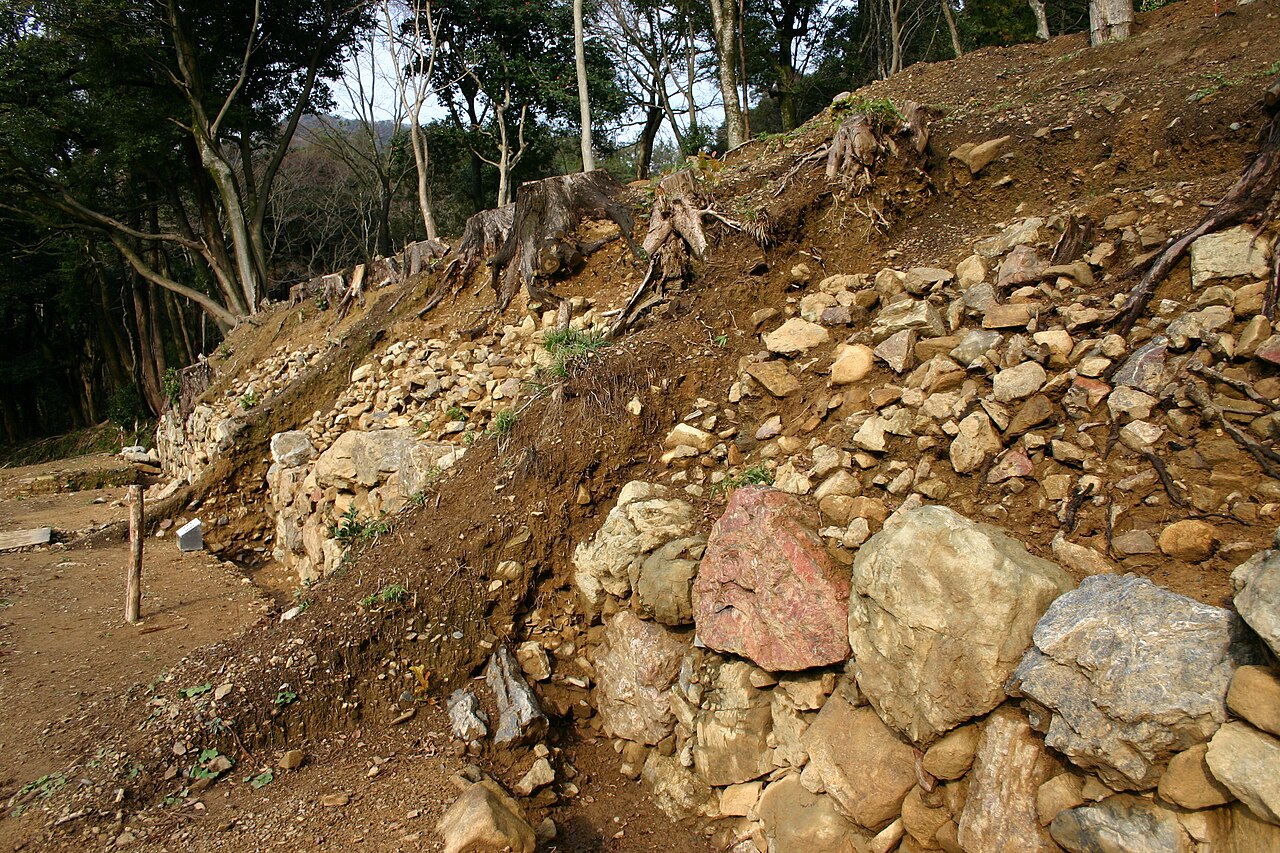
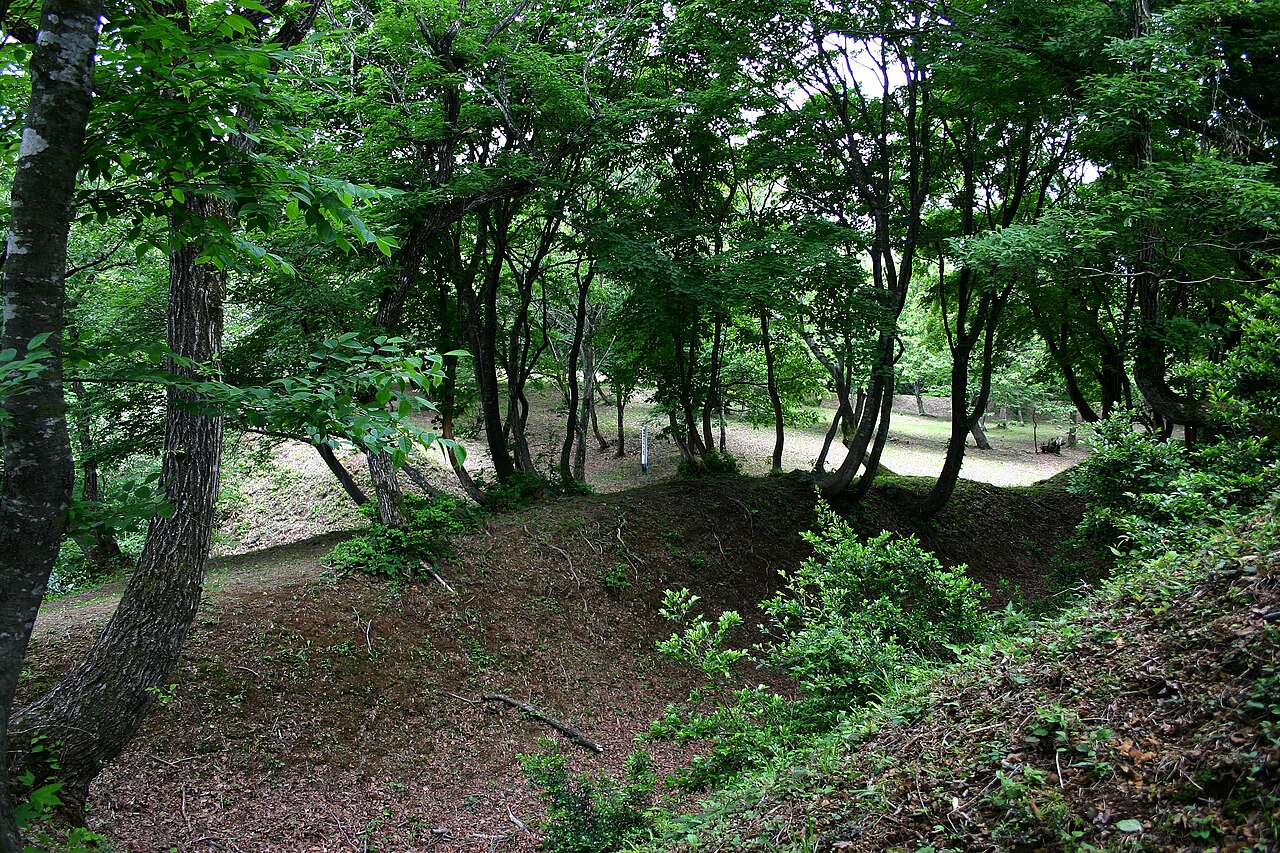
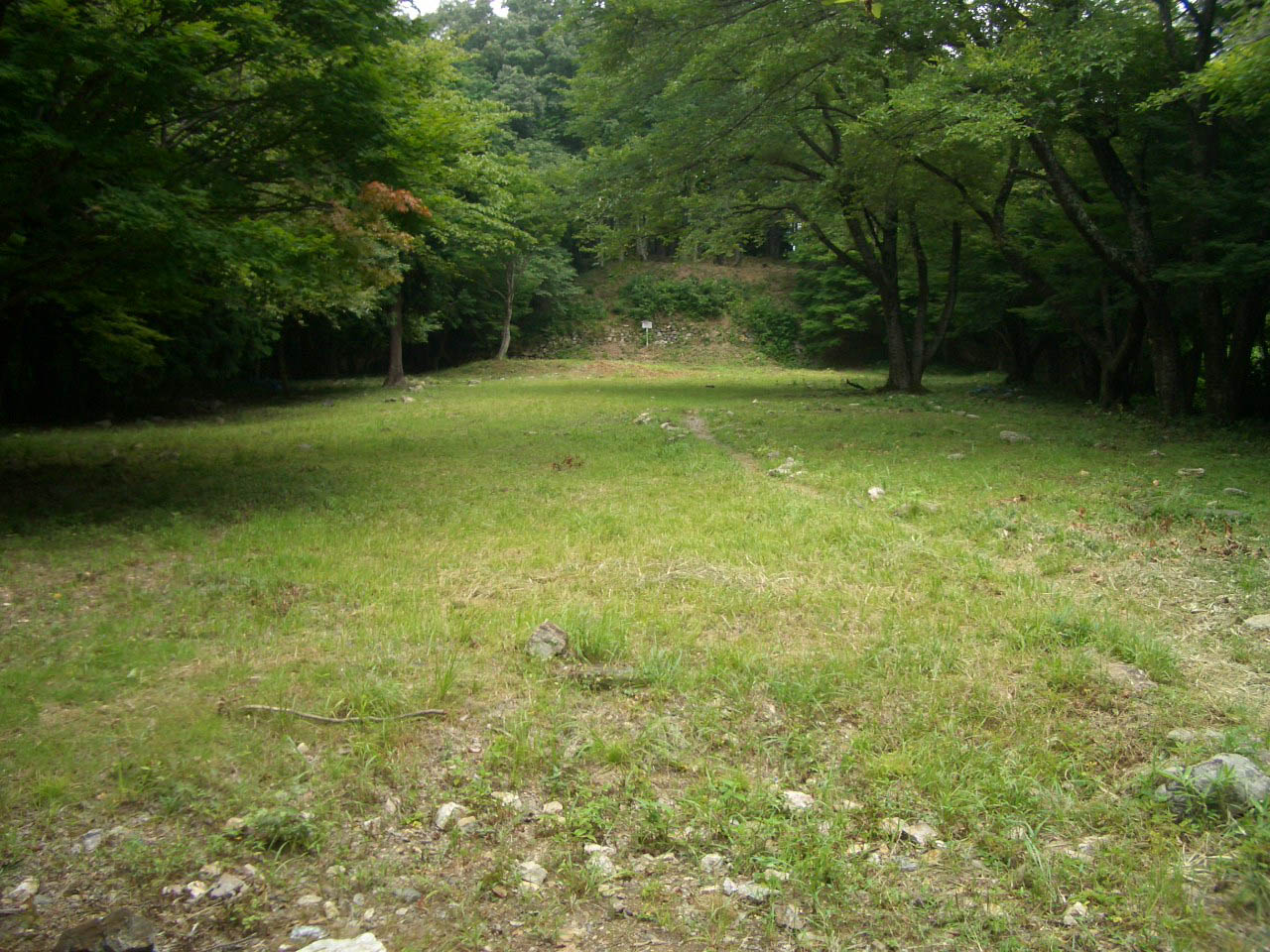
Kanegasaki Castle exemplifies the yamashiro or mountain castle style, which utilized the natural topography for defense. Built on a hill, the castle's design incorporated steep slopes and wooded terrain to create natural barriers against attackers. The fortifications likely included earthen walls, wooden palisades, and dry moats shaped to follow the contours of the hill. The layout would have consisted of multiple baileys arranged in terraces, connected by narrow paths and gates, maximizing defensibility.
Unlike later stone castles, Kanegasaki relied heavily on natural and earthworks defenses, typical of early medieval Japanese fortifications. The castle's structures were primarily made from wood, which has not survived, leaving only traces of foundations and earthworks visible today.
Defensive advantages of the site
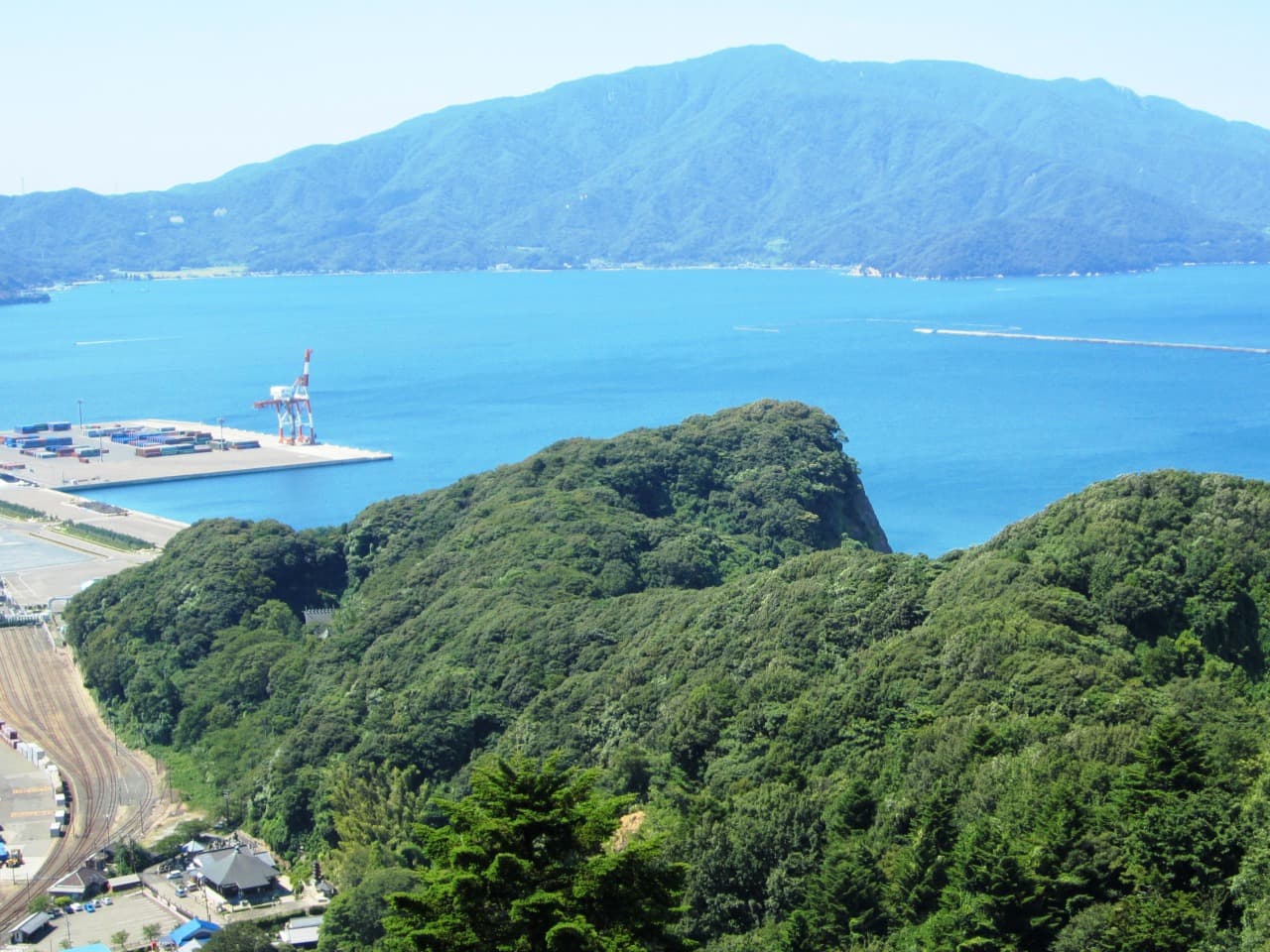
The castle's position on elevated terrain allowed for extensive views over the surrounding plains and the Sea of Japan, providing early warning of approaching forces. The rugged landscape limited the directions from which attackers could approach, funneling them into narrow, easily defended paths. This use of geography was a hallmark of yamashiro castles, combining natural and man-made defenses.
Historical events and military engagements
Kanegasaki Castle was notably involved in the Siege of Kanegasaki in 1337 during the Nanboku-cho period. The castle was defended by loyalists of the Southern Court against forces of the Northern Court. The siege was a significant episode in the struggle between the rival imperial factions, illustrating the castle's military importance. Despite the defenders' valiant efforts, the castle eventually fell, marking a turning point in the regional power dynamics.
The castle's history reflects the broader conflicts of medieval Japan, including the rise and fall of samurai clans and the shifting control of territories. Its ruins serve as a testament to the era's warfare and political instability.
Preservation and archaeological significance
Today, Kanegasaki Castle exists as archaeological ruins with remnants of its earthworks and defensive structures. The site has been the focus of archaeological studies that have helped to reconstruct its layout and understand its role in Japanese castle development. The preservation as a National Historic Site ensures protection from modern development and promotes historical education.
Visitors to the site can explore the remains of the castle's fortifications and enjoy panoramic views of the surrounding landscape. Interpretive signage and local museums provide context about the castle's history and significance in the Kamakura and Nanboku-cho periods.
Kanegasaki castle in cultural memory
While not as architecturally grand as later Japanese castles built in stone, Kanegasaki Castle holds cultural importance as a symbol of medieval military architecture and the turbulent history of the Nanboku-cho period. Its ruins inspire interest in Japan's feudal past and the evolution of castle construction techniques from simple earthworks to complex stone fortresses.
Frequently asked questions (FAQ)
- How do I get to Kanegasaki Castle?
- Kanegasaki Castle is located in Iwate Prefecture, Japan. Visitors can reach the castle by taking a train to Kanegasaki Station and then a short bus ride or a leisurely walk to the castle grounds.
- What is the historical significance of Kanegasaki Castle?
- Kanegasaki Castle, originally built in the 16th century, played a crucial role during the Warring States period in Japan. It served as a strategic stronghold and is a symbol of the region's rich samurai history.
- When was Kanegasaki Castle constructed?
- The construction of Kanegasaki Castle began in 1580 and was completed in 1585. It was built by the powerful daimyo, Nanbu Nobunao, to solidify his control over the area.
- Is it possible to explore the castle grounds?
- Yes, visitors can explore the beautiful castle grounds, which are well-maintained and provide a glimpse into the historical architecture of the period. There are walking paths and information plaques that enhance the visitor experience.
- What are the opening hours for Kanegasaki Castle?
- Kanegasaki Castle is typically open to the public from 9 AM to 5 PM, although these hours may vary depending on the season. It’s advisable to check the official website or local tourism information for any updates before your visit.
- Can I visit Kanegasaki Castle year-round?
- Yes, Kanegasaki Castle is open for visitors throughout the year. However, the best time to visit is during the cherry blossom season in spring or the colorful foliage in autumn for a picturesque experience.
- What are the ticket prices for visiting Kanegasaki Castle?
- Entry to Kanegasaki Castle is generally free, making it accessible for all visitors. There may be additional fees for special exhibitions or guided tours, so it's best to check on arrival.
- Are there any nearby attractions to visit?
- Yes, there are several nearby attractions, including the Kanegasaki Historical Museum and beautiful parks perfect for picnicking. Visitors can also explore local shops and restaurants that showcase the region's culture and cuisine.
- How accessible is Kanegasaki Castle for visitors with disabilities?
- Kanegasaki Castle is equipped with pathways that facilitate access for visitors with mobility challenges. However, some areas may have uneven terrain, so it’s best to plan your visit accordingly.
Photo gallery

Information
Loading map...
Visitor reviews
No reviews yet. Been here? Write the first review and help other travelers!
Write the first reviewVisited this castle? Share your experience
Your review helps other travelers and adds first-hand knowledge to our encyclopedia.