Kuniyoshi Castle (Kuniyoshi-jō) is a notable 16th-century Japanese castle located in Fukui Prefecture, Japan. Though now in ruins, the castle remains an important archaeological site that offers insight into the military architecture and feudal history of the region during Japan's turbulent Sengoku period.
Historical context and significance
Constructed in the 16th century, Kuniyoshi Castle was built during a time marked by intense military conflicts among regional warlords. This era, often referred to as the Sengoku period or "Warring States period," saw many castles erected across Japan to serve as strategic military bases and administrative centers. Kuniyoshi Castle played a role in the defense and control of the surrounding territory within Fukui Prefecture.
The castle's location in Fukui Prefecture situates it in a region historically contested by powerful clans. Although specific historical records about the castle's builders and occupants are limited, its remains contribute valuable information about the feudal governance and military strategies employed in this part of Japan.
Architectural features and layout
As a Japanese castle of the 16th century, Kuniyoshi Castle would have incorporated typical defensive features of the period, such as stone walls, earthen ramparts, and possibly a moat to deter attackers. The castle's design likely included a main keep (tenshu) or central tower, baileys (courtyards), and various gates strategically positioned to control access.
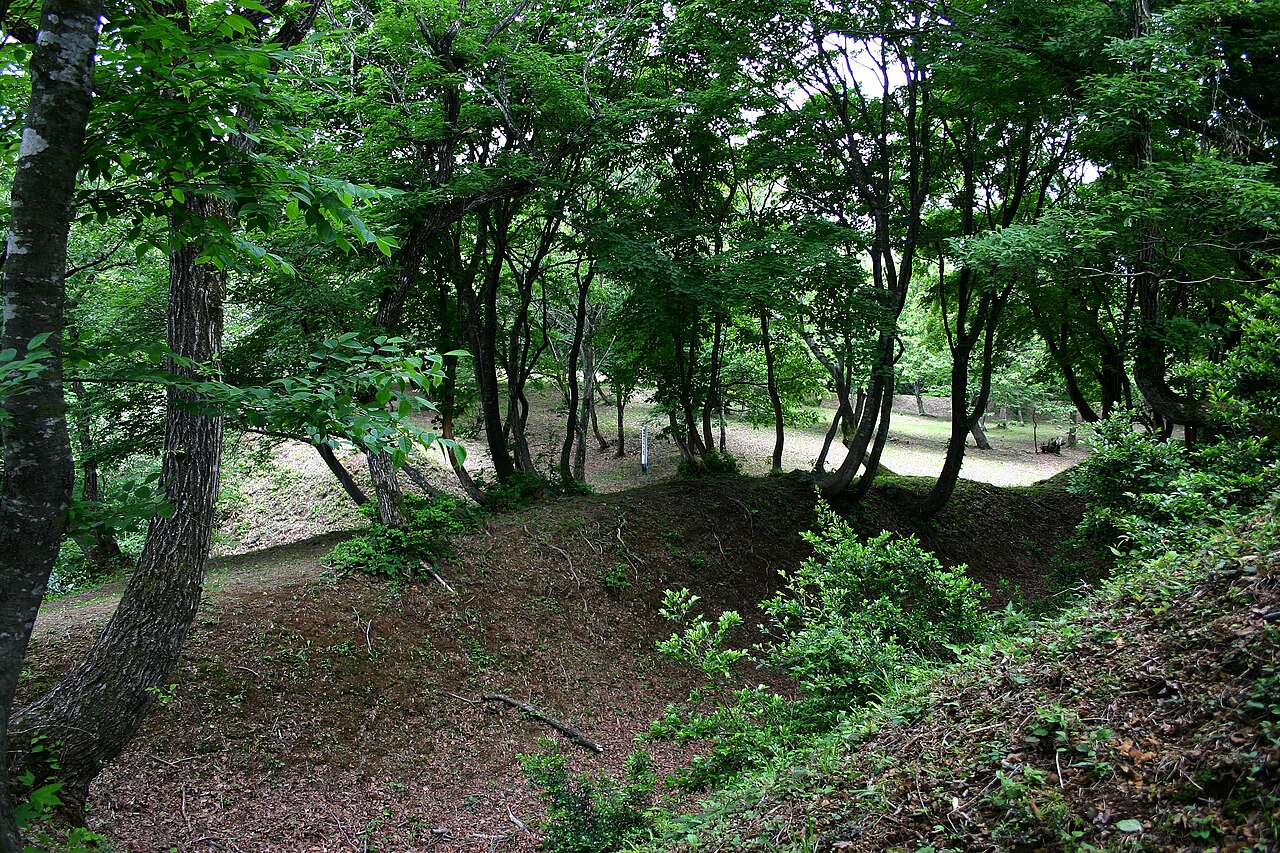
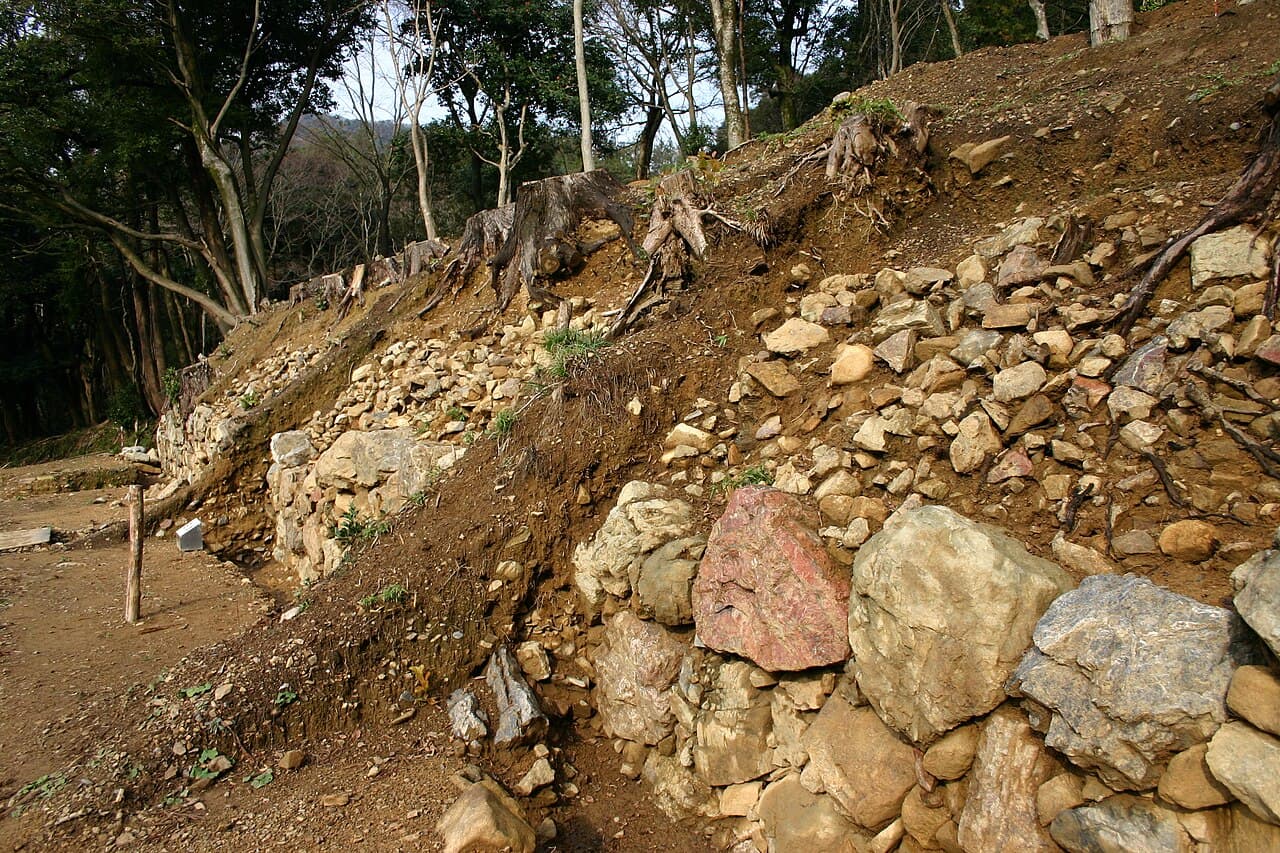
Although much of the original structure no longer stands, archaeological excavations have revealed foundation stones and remnants of fortifications that help reconstruct the castle's original layout. These findings are crucial for understanding the castle's defensive capabilities and architectural style.
Current condition and archaeological importance
Today, Kuniyoshi Castle is classified as archaeological ruins. The site preserves the remains of the castle's foundations and defensive earthworks, providing a tangible connection to Japan's feudal past. The ruins are protected and studied to uncover further details about the castle's construction techniques and historical usage.
Visitors to the site can explore the grounds where the castle once stood, gaining an appreciation for traditional Japanese castle architecture and the strategic considerations of Sengoku-period fortifications. Interpretive signage and local museums may offer additional context about the castle's role in regional history.
Visiting Kuniyoshi Castle
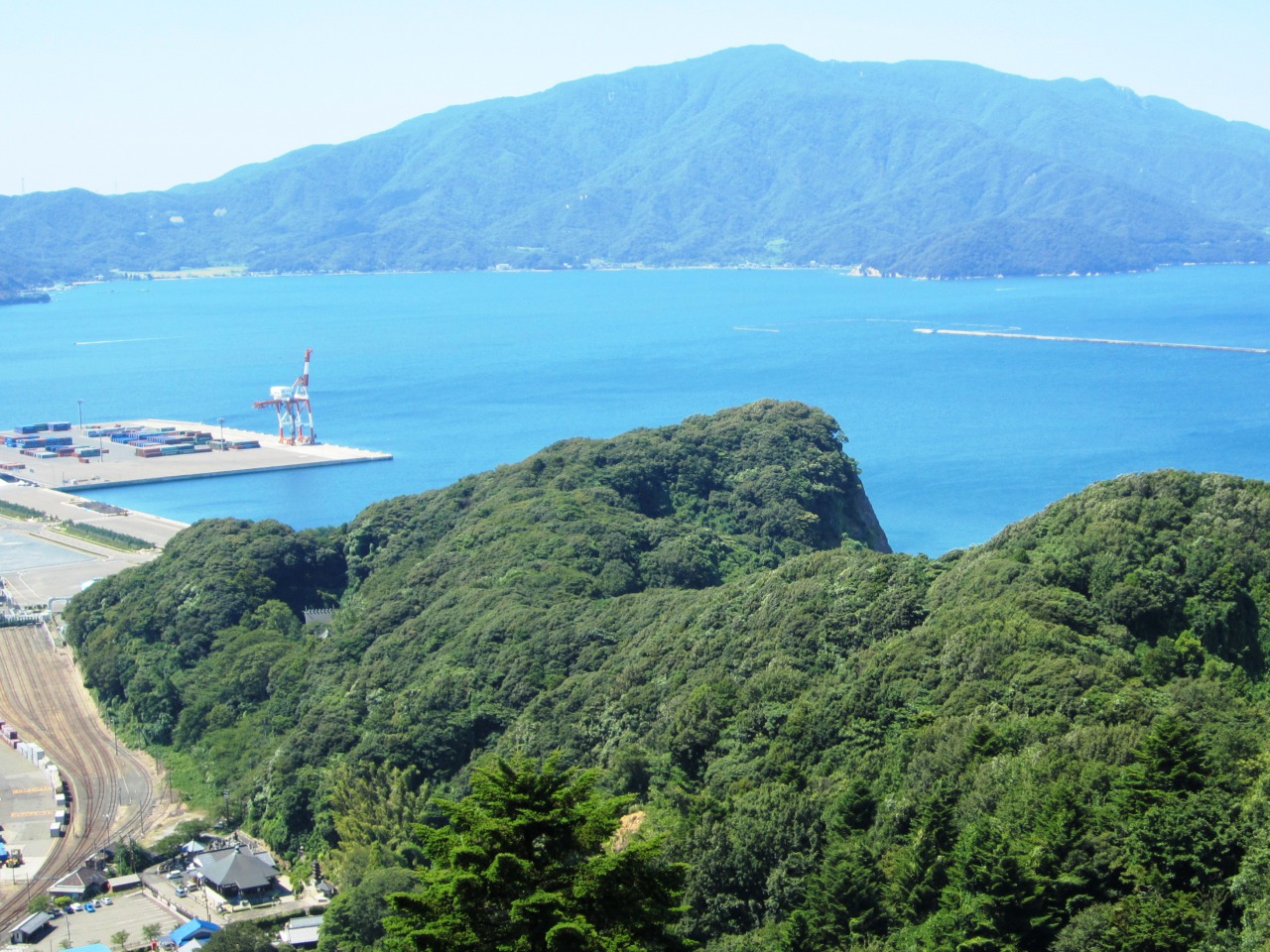
While the castle is in ruins, the site is accessible to the public and offers a quiet setting for those interested in Japanese history and archaeology. The surrounding landscape provides scenic views typical of Fukui Prefecture, enhancing the visitor experience.
Visitors should prepare for a modest hike or walk, as the castle ruins are often situated on elevated terrain to maximize defensive advantage. There are no extensive facilities on-site, so planning ahead for amenities is advisable.
Preservation and cultural heritage
Kuniyoshi Castle's ruins are an important cultural asset for Fukui Prefecture. Efforts to preserve the site focus on maintaining the integrity of the remaining earthworks and stone foundations. The castle is recognized as part of Japan's extensive network of historical castles that reflect the country's feudal era and architectural evolution.
Continued archaeological research at Kuniyoshi Castle contributes to a broader understanding of regional differences in castle construction and the historical dynamics of the Sengoku period.
Frequently asked questions (FAQ)
- What is the historical significance of Kuniyoshi Castle?
- Kuniyoshi Castle was built in the 16th century during Japan's Sengoku period, serving as a strategic military base in Fukui Prefecture. Its ruins provide insight into feudal military architecture and regional conflicts.
- Can I visit the ruins of Kuniyoshi Castle?
- Yes, the castle ruins are accessible to the public. Visitors can explore the site and enjoy scenic views, although facilities are limited and a moderate walk or hike may be required.
- What remains of Kuniyoshi Castle today?
- Today, only the foundations, stone walls, and earthworks remain at Kuniyoshi Castle. These archaeological ruins reveal the castle's original defensive layout and construction methods.
- Is there an entrance fee to visit Kuniyoshi Castle?
- There is typically no entrance fee to visit Kuniyoshi Castle ruins, making it an affordable destination for those interested in Japanese history and archaeology.
- When is the best time to visit Kuniyoshi Castle?
- The best time to visit Kuniyoshi Castle is during the spring and autumn months when the weather is mild and the surrounding landscape is particularly scenic.
Photo gallery

Information
Loading map...
Visitor reviews
No reviews yet. Been here? Write the first review and help other travelers!
Write the first reviewVisited this castle? Share your experience
Your review helps other travelers and adds first-hand knowledge to our encyclopedia.