Kaneda Castle
Kaneda Castle (金田城, Kaneda-jō) is an early medieval Korean-style fortress located on Tsushima Island in Nagasaki Prefecture, Japan. Built in the 7th century, it served as a strategic military fortification during a period of frequent conflict and cultural exchange between Japan and the Korean Peninsula. The castle's remains are classified as archaeological ruins and have been designated as a site of national special significance in Japan.
Historical context and strategic importance
Kaneda Castle was constructed during the Asuka period of Japanese history, a time marked by the introduction of continental culture, technology, and political systems from Korea and China. The castle's design reflects Korean fortress architecture, indicating the close diplomatic and military ties between Japan and the Korean kingdoms of Baekje and Silla.
Situated on Tsushima Island, which lies between the Japanese mainland and the Korean Peninsula, Kaneda Castle was strategically positioned to monitor maritime routes and guard against potential invasions or pirate raids. The island's location made it a key defensive point and a gateway for cultural and trade exchanges in the region.
Architectural features and construction
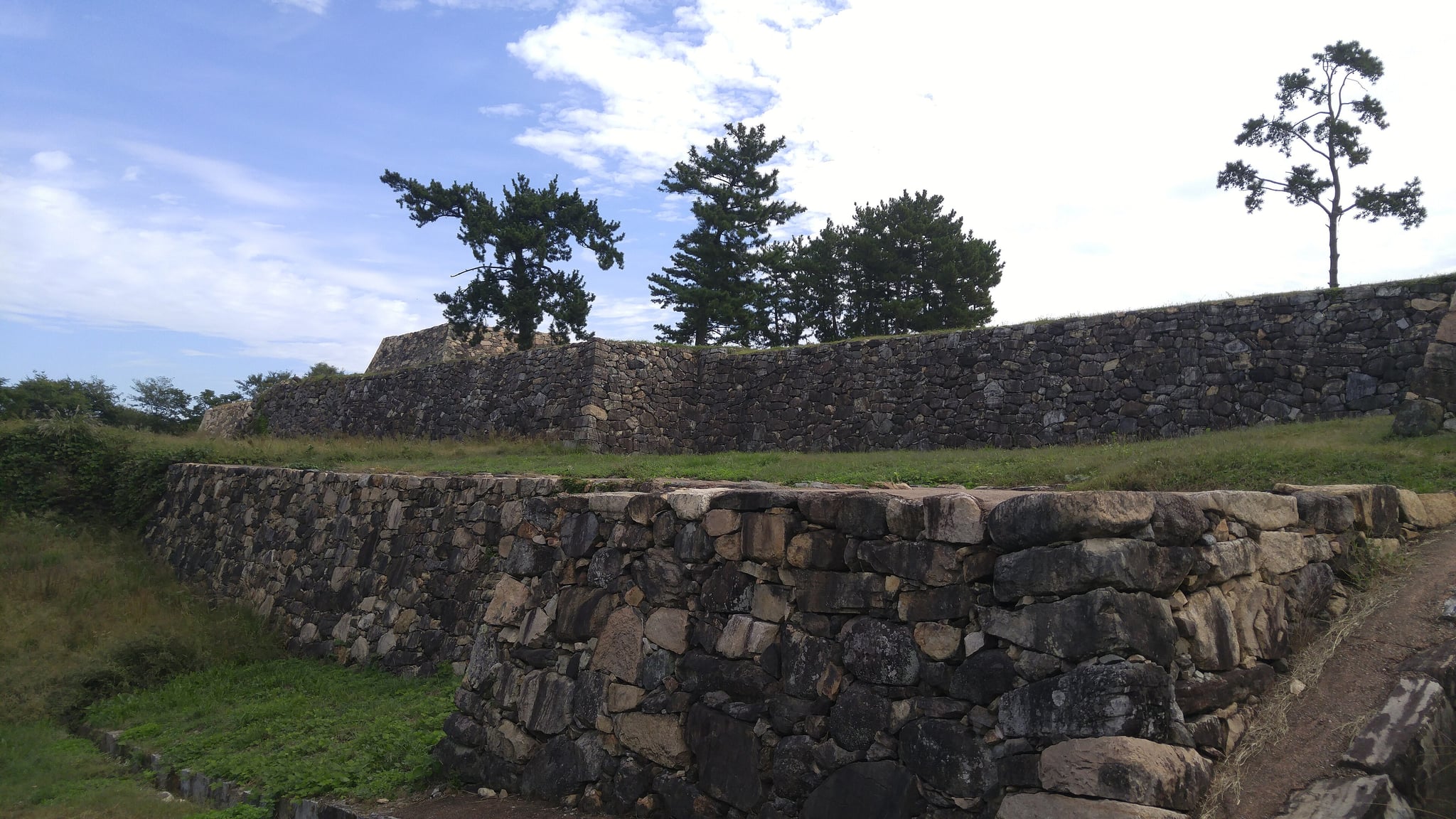
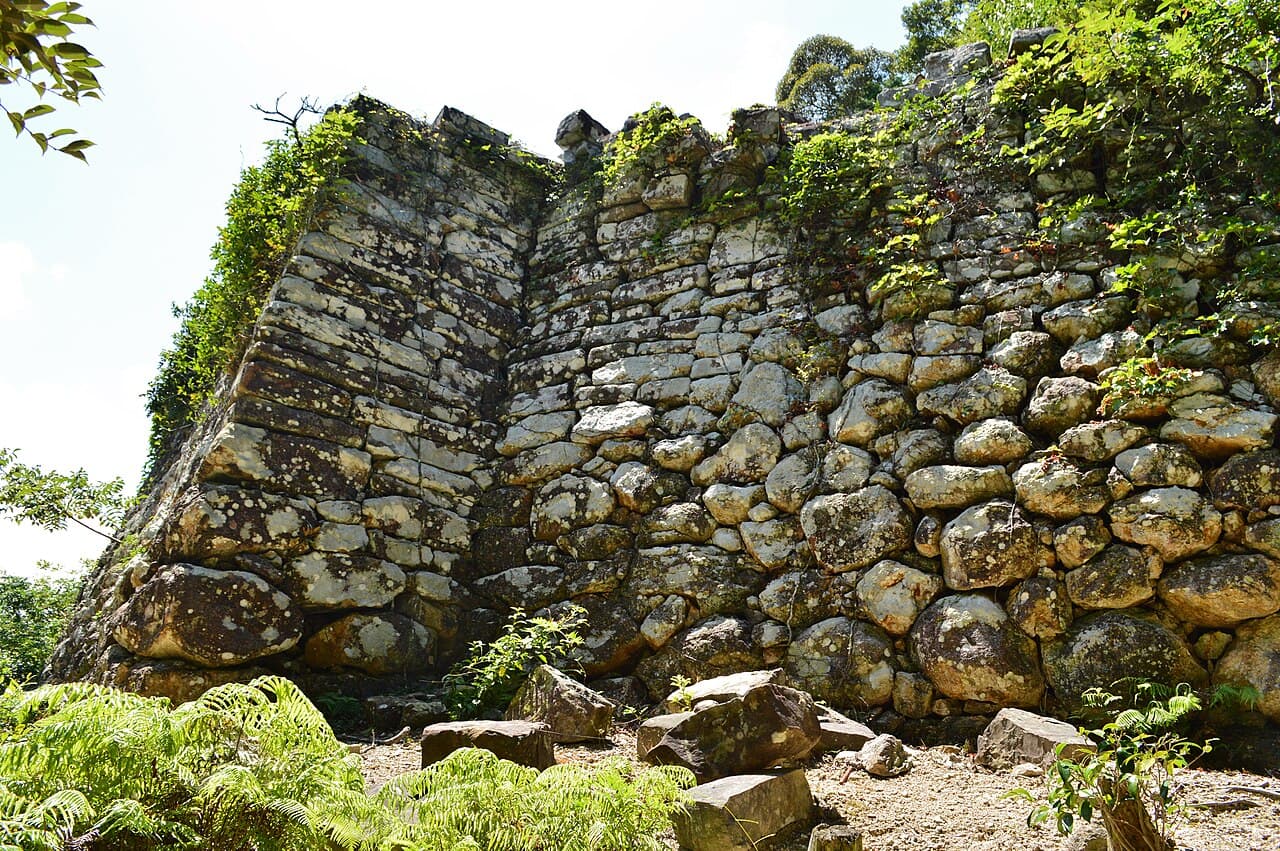
The fortress is characterized by its stone walls built using the masonry techniques influenced by Korean builders. The walls were constructed with large, carefully fitted stones without mortar, a style known as dry stone masonry, which was advanced for its time and provided strong defense against attackers.
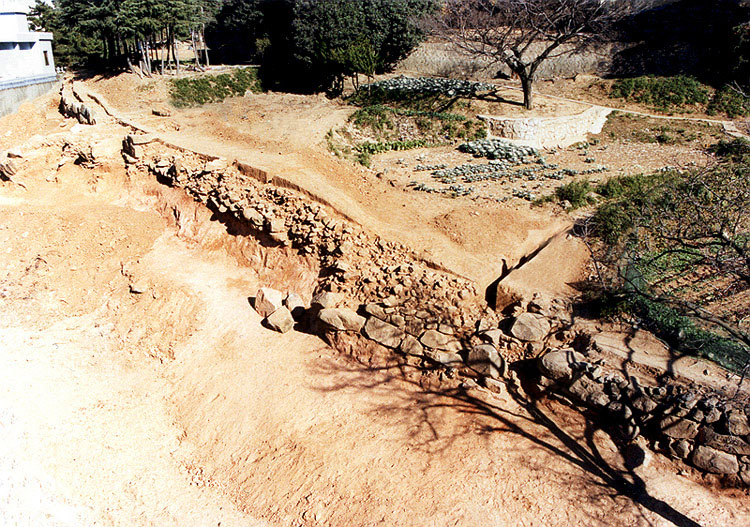
Kaneda Castle's layout includes a series of ramparts and gates designed to control access and provide vantage points for surveillance. Although much of the structure is now in ruins, archaeological excavations have revealed the remains of defensive walls, gates, and foundations of buildings within the fortress.
Comparison with other regional fortresses
Kaneda Castle is often compared to other Korean-style fortresses in Japan, such as Daifang Fortress and Imanishi Castle, which share similar construction techniques and strategic purposes. These fortresses collectively illustrate the influence of Korean military architecture on Japanese defensive strategies during the early medieval period.
Archaeological significance and preservation
As an archaeological site, Kaneda Castle provides valuable insights into the military and cultural interactions between Japan and Korea in the 7th century. Excavations have uncovered artifacts including pottery shards, weapon fragments, and building materials that help reconstruct the daily life and defensive capabilities of the fortress.
The designation of Kaneda Castle as a site of national special significance underscores its importance in understanding the early medieval history of Japan and its connections with neighboring cultures. Preservation efforts focus on maintaining the ruins and providing educational resources for visitors and researchers.
Visiting Kaneda Castle today
Visitors to Tsushima Island can explore the remains of Kaneda Castle, which offer a glimpse into Japan's early medieval period and its cross-cultural heritage. While the site consists mainly of ruins, informative signs and guided tours help contextualize the fortress's historical and architectural importance.
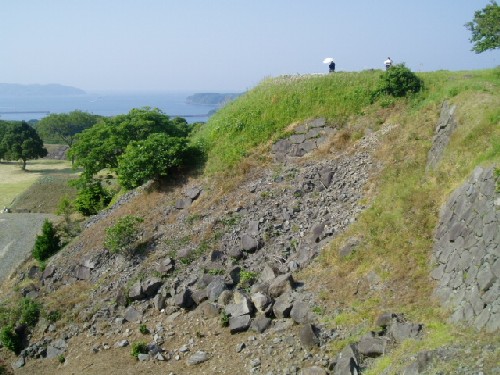
The castle's location on Tsushima provides scenic views of the surrounding sea and landscape, enhancing the experience of exploring this significant archaeological site.
Frequently asked questions (FAQ)
- When was Kaneda Castle built and what is its historical significance?
- Kaneda Castle was built in the 7th century during the Asuka period. It served as a strategic Korean-style fortress on Tsushima Island, playing a key role in defense and cultural exchange between Japan and Korea.
- What architectural style does Kaneda Castle represent?
- Kaneda Castle exemplifies early medieval Korean fortress architecture, featuring stone walls constructed with dry stone masonry techniques typical of Korean builders in the 7th century.
- Can I visit Kaneda Castle ruins today?
- Yes, visitors can explore the ruins of Kaneda Castle on Tsushima Island. The site includes remains of walls and gates, with informational signage to help understand its historical context.
- Why is Kaneda Castle designated as a site of national special significance?
- Kaneda Castle is designated as nationally significant due to its unique representation of Korean-style military architecture in Japan and its role in early medieval cross-cultural interactions.
- What can I expect to see when visiting Kaneda Castle?
- Visitors will mainly see archaeological ruins including stone walls and foundations. The site offers scenic views and educational materials to appreciate its historical and architectural importance.

Information
Current owner
State
Loading map...
Visitor reviews
No reviews yet. Been here? Write the first review and help other travelers!
Write the first reviewVisited this castle? Share your experience
Your review helps other travelers and adds first-hand knowledge to our encyclopedia.