Hizen Nagoya Castle
Hizen Nagoya Castle stands as a significant historical site in Karatsu, Japan, renowned for its strategic role during the late 16th century. Constructed in 1592 under the orders of Toyotomi Hideyoshi, this hill castle was a pivotal military stronghold intended to support Hideyoshi's ambitious invasions of the Korean Peninsula. Its location was carefully chosen for its proximity to Korea, making it one of the closest Japanese fortresses from which troops could be dispatched across the sea.
Construction and architectural features
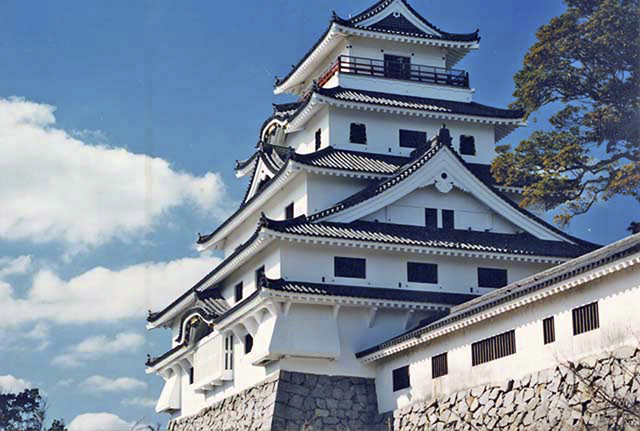
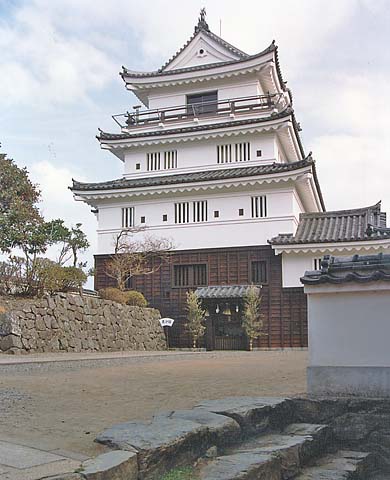
The castle's construction was a remarkable feat of rapid military engineering. Lords from across Kyushu, including the famed Kato Kiyomasa, were tasked with its building. Impressively, they completed the main sections of the castle in just seven months, a testament to the urgency and scale of Hideyoshi's campaign preparations. The castle featured a prominent five-story main keep, which served both as a command center and a symbol of power.
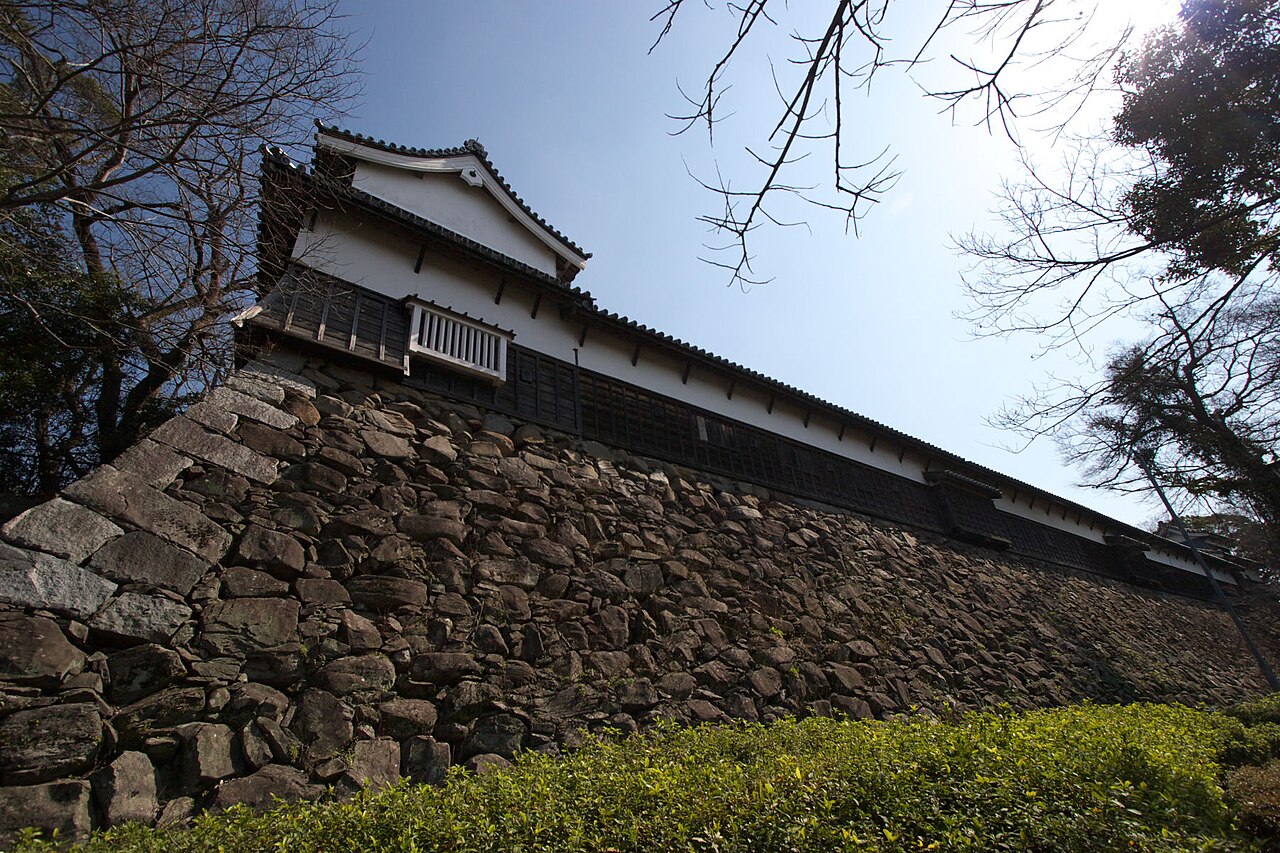
The castle complex included extensive defensive works typical of Japanese hill castles of the period, such as stone walls, moats, and watchtowers. These fortifications were designed to protect against both land and sea attacks. The site also housed numerous bases and encampments for allied lords and their armies, making it a bustling military hub during the invasions.
Historical significance and military role
Hizen Nagoya Castle played a central role in the Imjin War (1592–1598), the series of invasions launched by Toyotomi Hideyoshi against Korea. The castle's strategic position enabled the rapid deployment of troops and supplies to the Korean Peninsula. It became a staging ground for thousands of soldiers and a critical logistical center supporting the Japanese military efforts abroad.
However, after Hideyoshi's death in 1598, the castle's military importance declined sharply. The political landscape in Japan shifted, and the costly overseas campaigns were abandoned. Subsequently, the castle was dismantled, with many of its materials repurposed for other constructions, including Karatsu Castle. Notably, the Otemon Gate of Hizen Nagoya Castle was relocated to Date Masamune's Sendai Castle, preserving a tangible piece of its architectural heritage.
Current state and cultural heritage
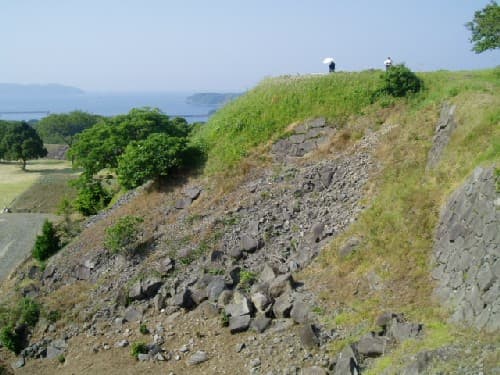
Today, Hizen Nagoya Castle exists as ruins, with remnants of its stone foundations and earthworks visible to visitors. The site offers stunning views of the surrounding landscape and the nearby ocean, providing insight into the castle's strategic maritime position. While much of the original structure no longer stands, the ruins remain a poignant reminder of Japan's Renaissance period military ambitions and architectural ingenuity.
The castle ruins are accessible to the public and have become a point of interest for historians, architects, and tourists alike. The location is valued not only for its historical significance but also for its scenic beauty, combining cultural heritage with natural landscapes.
Architectural style and classification
Classified as a hill castle, Hizen Nagoya Castle exemplifies the defensive and strategic architectural principles of late 16th-century Japanese fortifications. Its design incorporated elevated terrain advantages, robust stone walls, and a multi-storied keep that projected both military strength and aesthetic presence. The castle's style reflects the transitional period of Japanese castle architecture during the Renaissance, blending traditional construction methods with emerging military needs.
Legacy and influence
The legacy of Hizen Nagoya Castle extends beyond its physical remains. Its rapid construction and role in Hideyoshi's Korean campaigns highlight the organizational capabilities and military strategies of the time. The reuse of its materials in other castles, such as Karatsu and Sendai, illustrates the interconnected nature of Japanese castle architecture and the cultural importance of preserving elements of historic structures.
As an archaeological site, the castle continues to provide valuable information about the period's military architecture and the socio-political dynamics of late 16th-century Japan. It stands as a testament to the ambitions of Toyotomi Hideyoshi and the complex history of Japan's regional power struggles.
Frequently asked questions (FAQ)
- How do I get to Hizen Nagoya Castle ruins in Karatsu?
- Hizen Nagoya Castle ruins are located near Karatsu city in Saga Prefecture. Visitors can reach the site by car or local bus services from Karatsu city center. Clear signage guides visitors to the ruins, which are situated on a hill with scenic ocean views.
- What is the historical significance of Hizen Nagoya Castle?
- Hizen Nagoya Castle was built in 1592 by Toyotomi Hideyoshi as a strategic base for his invasions of Korea. It served as a major military hub and staging ground during the Imjin War, reflecting Japan's military ambitions in the late 16th century.
- Can I visit the main keep of Hizen Nagoya Castle today?
- The main keep of Hizen Nagoya Castle no longer stands, as the castle was dismantled after Hideyoshi's death. Visitors can explore the castle ruins, including stone foundations and earthworks, but the original structures are not intact.
- Why was Hizen Nagoya Castle dismantled?
- After Toyotomi Hideyoshi's death and the end of the Korean invasions, the castle lost its strategic importance. It was dismantled, and many of its materials were reused for building other castles, including Karatsu Castle and Sendai Castle.
- Is there an entrance fee to visit Hizen Nagoya Castle ruins?
- Visiting the Hizen Nagoya Castle ruins is generally free of charge, making it accessible to all visitors interested in history and architecture.
Photo gallery

Information
Sources & official resources
Verify the information above using these authoritative references.
Loading map...
Visitor reviews
No reviews yet. Been here? Write the first review and help other travelers!
Write the first reviewVisited this castle? Share your experience
Your review helps other travelers and adds first-hand knowledge to our encyclopedia.