Kaminoyama Castle
Kaminoyama Castle (上山城, Kaminoyama-jō) is a prominent example of a hirayama-style Japanese castle, situated in the heart of the city of Kaminoyama in eastern Yamagata Prefecture, Japan. This castle played a significant role during the Edo period as the administrative center for the daimyō of the Kaminoyama Domain. It is also historically referred to as Tsukioka Castle (月岡城, Tsukioka-jō), a name that reflects its local heritage and connection to the surrounding area.
Historical background and strategic importance
Constructed in the 16th century, Kaminoyama Castle was built during a time of intense military and political upheaval in Japan, known as the Sengoku period. The castle's location on a hill provided a strategic vantage point overseeing the surrounding plains, which was typical for hirayama-style castles that combine elements of flatland and hilltop fortifications. This positioning allowed the castle to serve as a defensive stronghold and a center for regional governance.
Throughout the Edo period (1603–1868), Kaminoyama Castle was the seat of the local daimyō, who governed the Kaminoyama Domain under the Tokugawa shogunate. The castle's role shifted from purely military functions to administrative and residential purposes, reflecting the relative peace of the Edo era.
Architectural features and layout
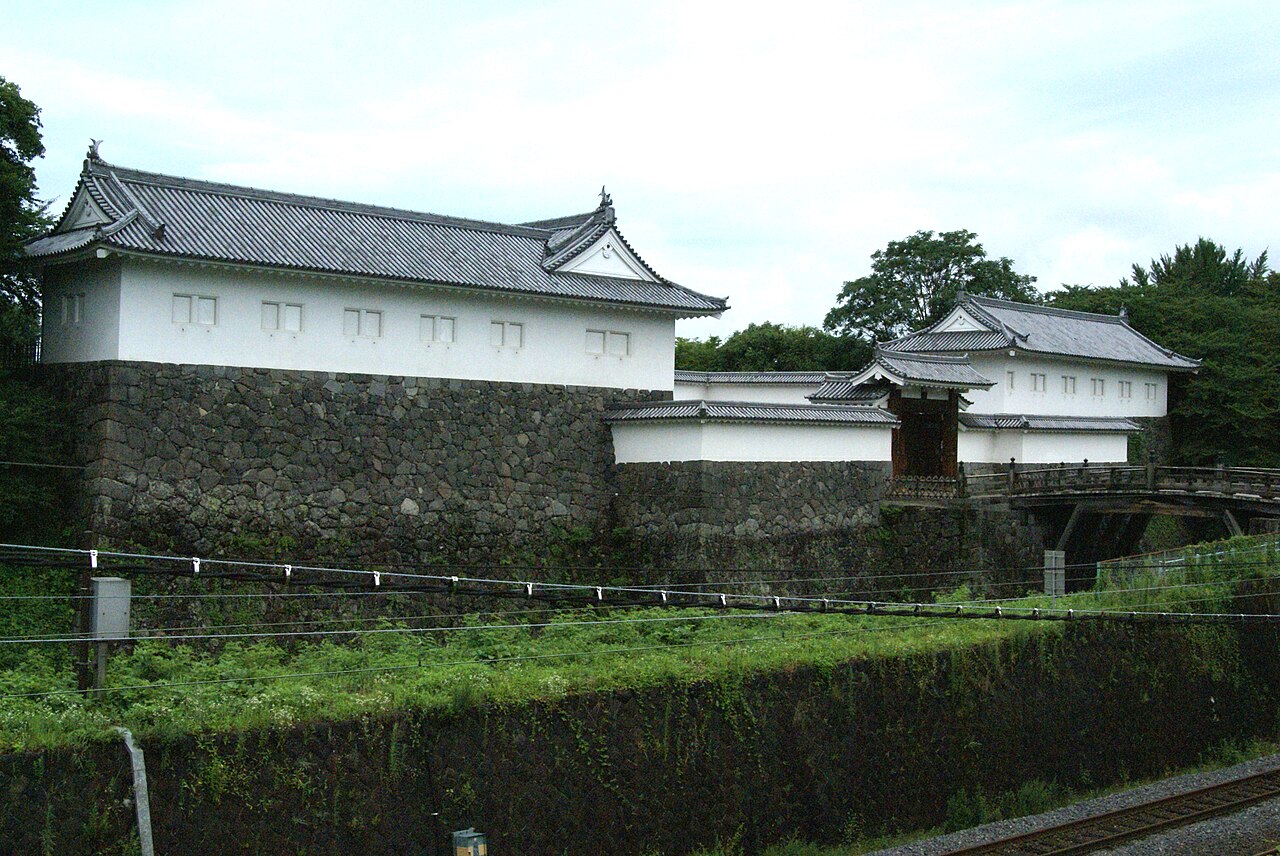
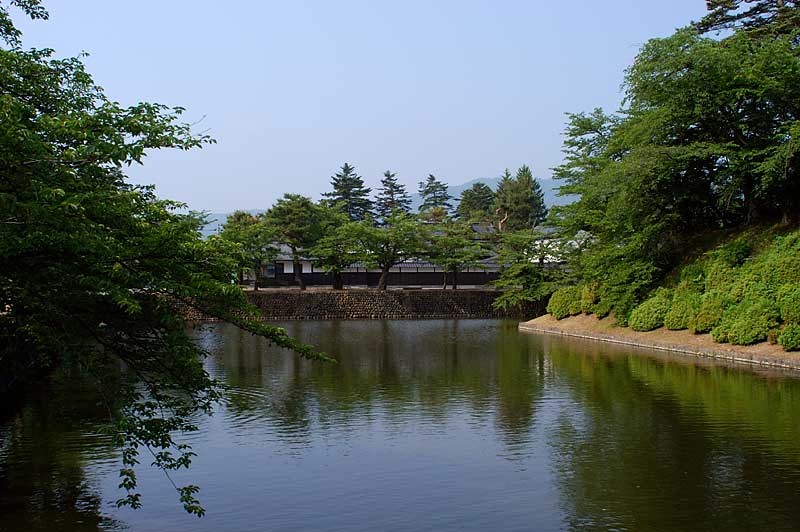
Kaminoyama Castle exemplifies typical features of a hirayama-style castle, which is characterized by its construction on a low hill or elevated terrain surrounded by flatlands. The castle complex included stone walls, moats, and multiple baileys that were arranged to maximize defense while allowing access to the town below.
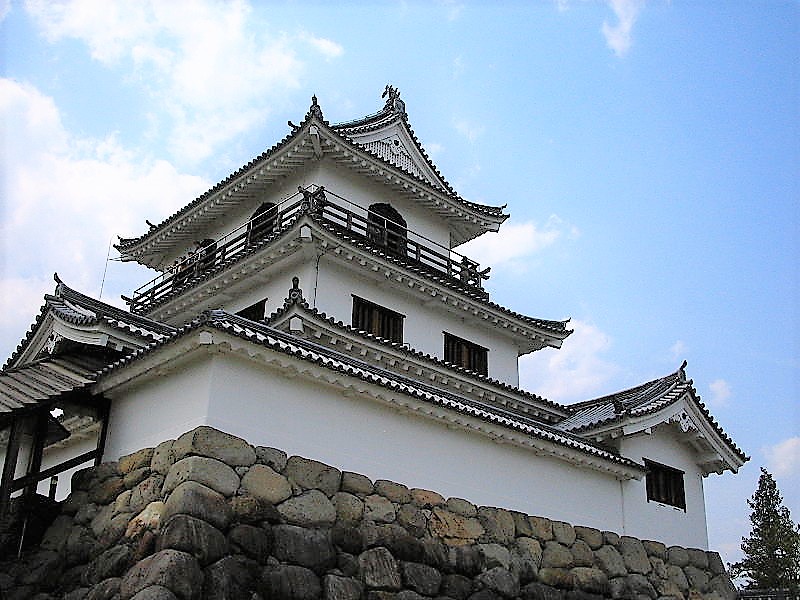
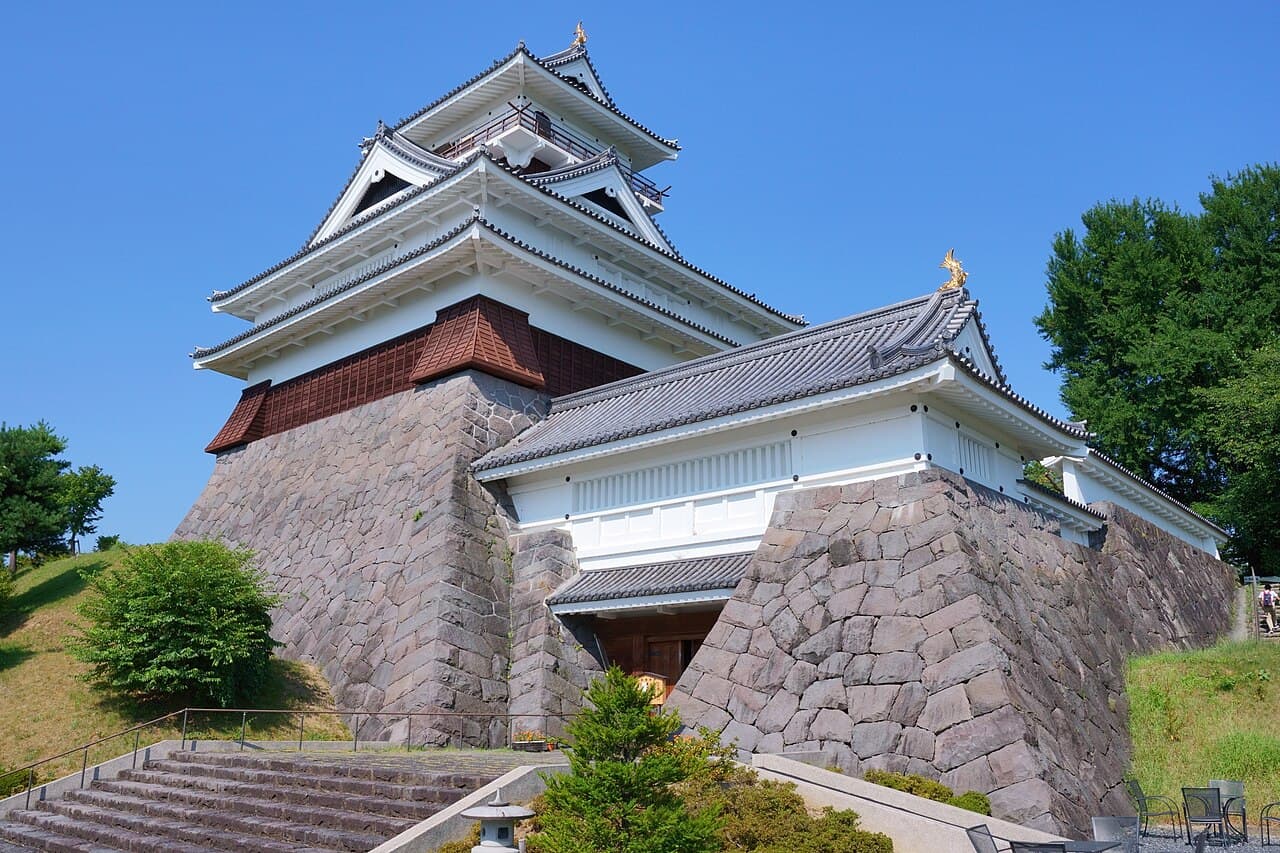
The castle's main keep or tenshu was modest compared to larger castles but served as a symbol of the daimyō's authority. The surrounding walls and gates were designed to control access and provide layered defense against potential attackers. The castle grounds also contained residential quarters, administrative buildings, and storage facilities necessary for the domain's governance.
Tsukioka Shrine within the castle grounds
Within the castle precincts lies the Tsukioka Shrine, a Shinto shrine that holds cultural and spiritual significance for the local community. The shrine contributes to the historical ambiance of the castle site and reflects the integration of religious practices within the castle environment.
Kaminoyama Castle in the modern era
Today, Kaminoyama Castle stands as a cultural heritage site in Kaminoyama city. While the original castle structures have undergone changes over the centuries, the site remains a point of interest for visitors and historians alike. Efforts have been made to preserve and restore parts of the castle, maintaining its historical value and providing educational opportunities about Japan's feudal past.
The castle's location in Yamagata Prefecture places it within a region known for its natural beauty and historical landmarks, making it a destination for tourists interested in Japanese history and castle architecture.
Visiting Kaminoyama Castle
Visitors to Kaminoyama Castle can explore the castle grounds, including the Tsukioka Shrine, and enjoy views of the surrounding city and landscape from the hilltop. The site offers insight into the architectural style and feudal history of the region. Local museums and cultural centers often provide additional context about the castle's role and the history of the Kaminoyama Domain.
Frequently asked questions (FAQ)
- What is the historical significance of Kaminoyama Castle?
- Kaminoyama Castle, built in the early 17th century, served as an important stronghold during the Edo period. It played a crucial role in the local governance and military strategies of the time, reflecting the feudal structure of Japan.
- When was Kaminoyama Castle completed?
- The construction of Kaminoyama Castle was completed in 1622, and it was established by the Yamagata clan. Over the years, it has undergone various restorations, maintaining its historical essence while adapting to modern times.
- Can I visit Kaminoyama Castle year-round?
- Yes, Kaminoyama Castle is open to visitors throughout the year. However, it is recommended to check for any seasonal events or maintenance schedules that may affect access.
- What are the opening hours for Kaminoyama Castle?
- Kaminoyama Castle typically opens at 9:00 AM and closes at 5:00 PM. It is advisable to confirm the current hours before your visit, as they may vary depending on the season and special events.
- Is it possible to access Kaminoyama Castle by public transportation?
- Yes, Kaminoyama Castle is accessible via public transportation. Visitors can take a train to Kaminoyama-Onsen Station and then a short bus or taxi ride to reach the castle.
- What is the best time to visit Kaminoyama Castle?
- The best time to visit Kaminoyama Castle is during the cherry blossom season in spring or the vibrant foliage in autumn. These seasons offer stunning landscapes, enhancing the castle's beauty.
- Are there any nearby attractions to visit along with Kaminoyama Castle?
- Yes, nearby attractions include the scenic Kaminoyama Onsen hot springs and the picturesque Yamagata Prefectural Museum. These locations provide a great opportunity to explore the local culture and natural beauty.
- What are the ticket prices for visiting Kaminoyama Castle?
- Entrance to Kaminoyama Castle is typically affordable, with tickets priced around 500 yen for adults. Discounts may be available for children and groups, so it's good to inquire at the ticket counter.
- How do I get more information about events at Kaminoyama Castle?
- For the latest information on events and activities at Kaminoyama Castle, you can visit their official website or follow their social media pages. These platforms regularly update visitors on upcoming events and special exhibitions.

Information
Loading map...
Visitor reviews
No reviews yet. Been here? Write the first review and help other travelers!
Write the first reviewVisited this castle? Share your experience
Your review helps other travelers and adds first-hand knowledge to our encyclopedia.