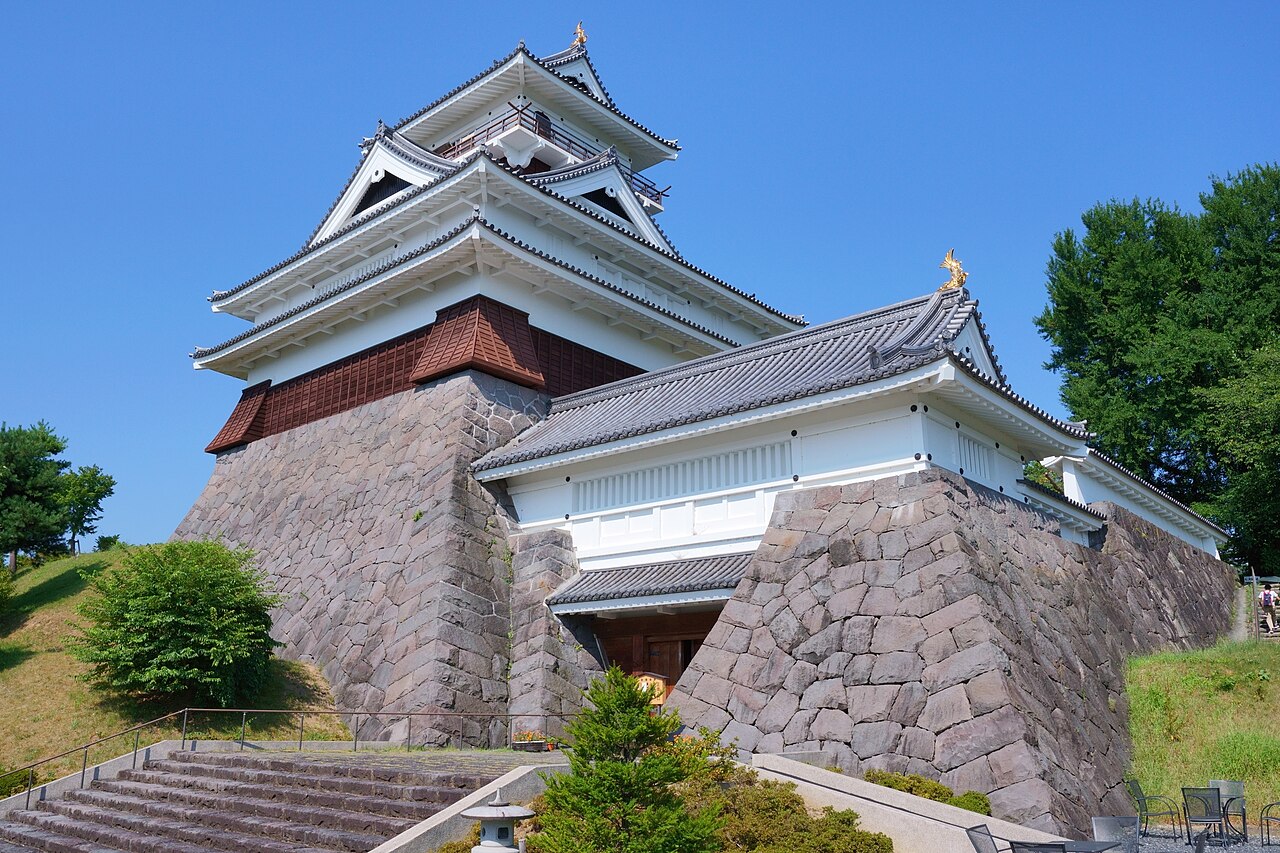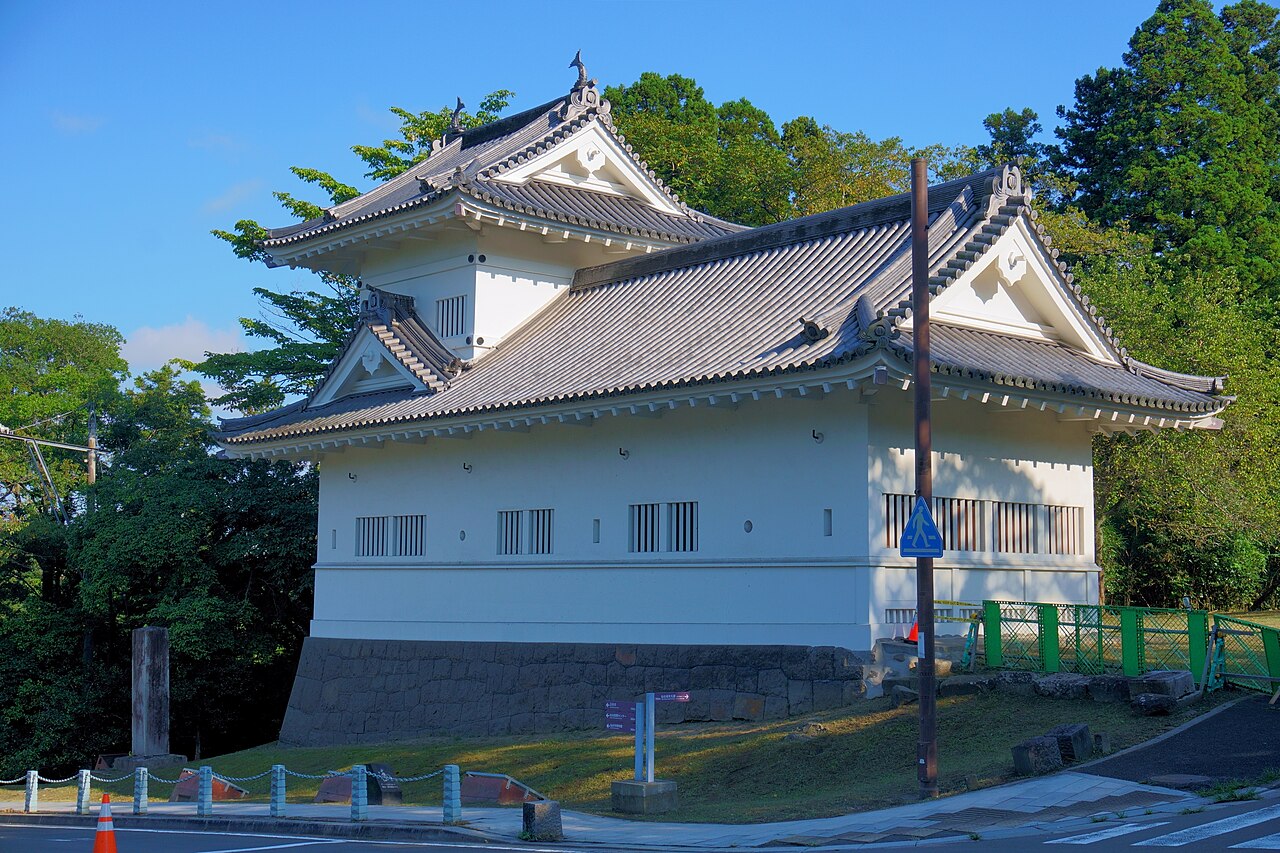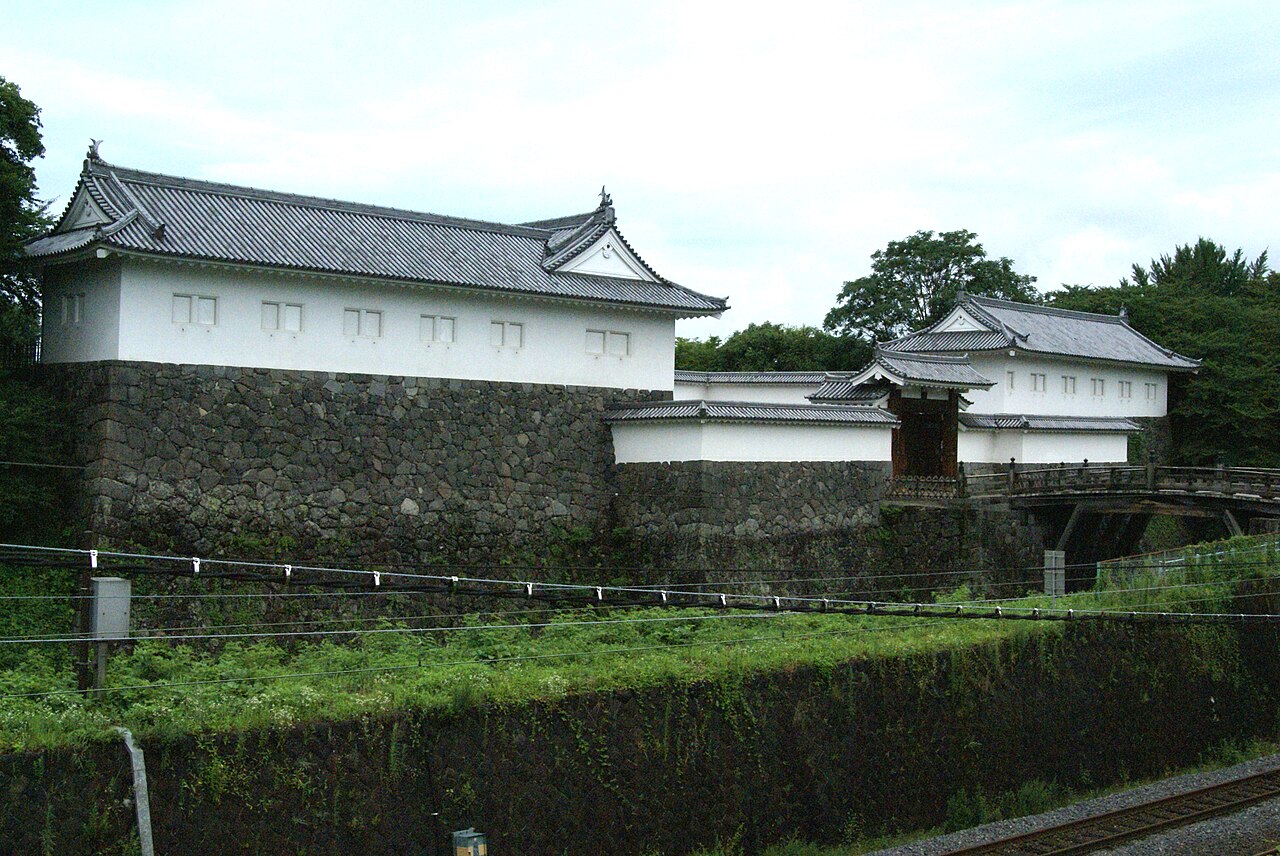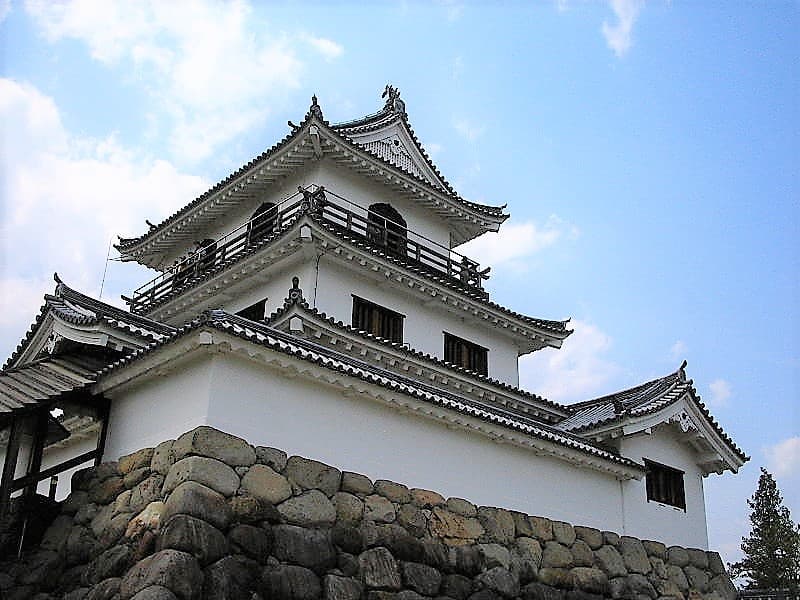
Shiroishi Castle
Shiroishi Castle (白石城, Shiroishi-jō), located in the city of Shiroishi in Miyagi Prefecture, Japan, is a significant example of a hill castle from the 16th century. Originally constructed during the turbulent Sengoku period, it has played an important role throughout Japanese history, particularly during the Edo period and the Boshin War.
Historical background and significance
The castle was initially built as a strategic fortification amid the conflicts of the Sengoku era, a time characterized by frequent military campaigns and shifting alliances. Its location on a hill provided a natural defensive advantage overlooking the surrounding plains. During the Edo period, Shiroishi Castle became the seat of the Katakura clan, who were hereditary retainers of the powerful Date clan ruling the Sendai Domain. The Katakura family held the castle as a symbol of their loyalty and military importance within the feudal hierarchy.
In the late 19th century, during the Boshin War (1868–1869), Shiroishi Castle served as the temporary headquarters of the Ōuetsu Reppan Dōmei, an alliance of northern domains opposing the imperial forces. This period marked a critical moment in Japanese history as the country transitioned from feudal rule to the modern Meiji government.
Architectural features and design
Despite being described as a flatland-style castle in some sources, Shiroishi Castle is more accurately classified as a hill castle due to its elevated position, which provided strategic defense advantages. The castle's design incorporates typical features of Japanese castles from the late Sengoku to early Edo periods, including stone walls (ishigaki), moats, and multiple baileys (courtyards) arranged to maximize defense.
The castle complex originally included a main keep (tenshu), though the original structure was modest compared to larger castles like Himeji. The gatehouses and watchtowers were strategically positioned to monitor and control access. The layout reflects the practical military needs of the time, emphasizing defense and control over the surrounding area.
Reconstruction and preservation
Shiroishi Castle has undergone several phases of reconstruction, particularly in the 20th and 21st centuries. The main keep and several other structures were rebuilt using traditional methods and materials to preserve the castle's historical authenticity. These efforts have helped maintain the castle as a cultural heritage site and tourist attraction.
Role during the Edo period
Under the Katakura clan, Shiroishi Castle functioned as a regional administrative center within the Sendai Domain. The Katakura were trusted retainers of the Date clan, and the castle served as a symbol of their authority and military readiness. The castle grounds included residential quarters, administrative buildings, and defensive installations.
The Edo period was a time of relative peace, so the castle's role shifted from active military defense to governance and administration. The Katakura family managed local affairs from the castle, overseeing agriculture, taxation, and law enforcement.
Shiroishi Castle in the Boshin War
During the Boshin War, Shiroishi Castle became a strategic location for the northern alliance opposing the imperial restoration. The castle's use as the headquarters of the Ōuetsu Reppan Dōmei highlights its military and symbolic importance. The alliance coordinated efforts from the castle to resist the imperial forces advancing from the south.
Although the alliance was ultimately defeated, the castle's role in this conflict marks it as a significant historical site related to Japan's transition from feudalism to the modern era.
Current status and visitor information
Today, Shiroishi Castle is recognized as a well-preserved historic hill castle and cultural landmark. Reconstruction efforts have restored key structures, including the main keep and gates, allowing visitors to experience the castle's historical atmosphere. The site hosts cultural events and exhibitions that highlight its history and architecture.
Visitors can explore the castle grounds, including the stone walls, moats, and reconstructed buildings. The castle's location in Shiroishi city makes it accessible for tourists interested in Japanese history and castle architecture.
Architectural style and period
Shiroishi Castle's architectural style reflects the Renaissance period in Japan, corresponding to the late Sengoku and early Edo periods when castle design evolved to incorporate more permanent stone fortifications and complex layouts. The castle's features demonstrate the transition from purely military fortresses to administrative centers with aesthetic considerations.
Frequently asked questions (FAQ)
- What is the historical significance of Shiroishi Castle?
- Shiroishi Castle, originally built in the early 17th century, played a crucial role in the political landscape of Japan during the Edo period. It served as a strategic military fortress and a residence for the local feudal lord, showcasing the power dynamics of the time.
- When was Shiroishi Castle built and reconstructed?
- The castle was originally constructed in 1620, but it underwent significant reconstruction after being destroyed in the Meiji Restoration in the late 19th century. The current structure, which includes a reconstructed main keep, was completed in 1999, preserving its historical architecture for future generations.
- What are the opening hours for Shiroishi Castle?
- Shiroishi Castle is typically open to visitors from 9:00 AM to 5:00 PM, with last admission at 4:30 PM. However, it's advisable to check for seasonal variations or special closures before planning your visit.
- Can I access Shiroishi Castle with public transportation?
- Yes, Shiroishi Castle is accessible via public transportation. Visitors can take a train to Shiroishi Station and then a short bus ride or a pleasant walk to reach the castle.
- What is the best time to visit Shiroishi Castle?
- The best time to visit Shiroishi Castle is during the cherry blossom season in spring, typically around late March to early April, when the surrounding landscape is beautifully adorned with blooming sakura. Autumn is also a delightful time as the foliage transforms into vibrant colors.
- Is there an admission fee to enter Shiroishi Castle?
- Yes, there is a small admission fee to enter Shiroishi Castle, which helps maintain the site and its facilities. The ticket prices are generally reasonable, making it an affordable destination for visitors.
- Are there any nearby attractions to visit while at Shiroishi Castle?
- Yes, there are several nearby attractions, including the Shiroishi River and various historical sites such as the Shiroishi Shrine. Additionally, the surrounding area offers beautiful nature trails and local eateries to explore.
- How do I get the best views of Shiroishi Castle?
- The best views of Shiroishi Castle can be enjoyed from the surrounding hills and parks, particularly from the Shiroishi Castle Park. Climbing to the top of the castle’s main keep also provides a panoramic view of the city and the scenic landscape.
Photo gallery

Photo by by Haseyu-•Public domain
Information
Loading map...
Visitor reviews
No reviews yet. Been here? Write the first review and help other travelers!
Write the first reviewVisited this castle? Share your experience
Your review helps other travelers and adds first-hand knowledge to our encyclopedia.