Kamień Krajeński
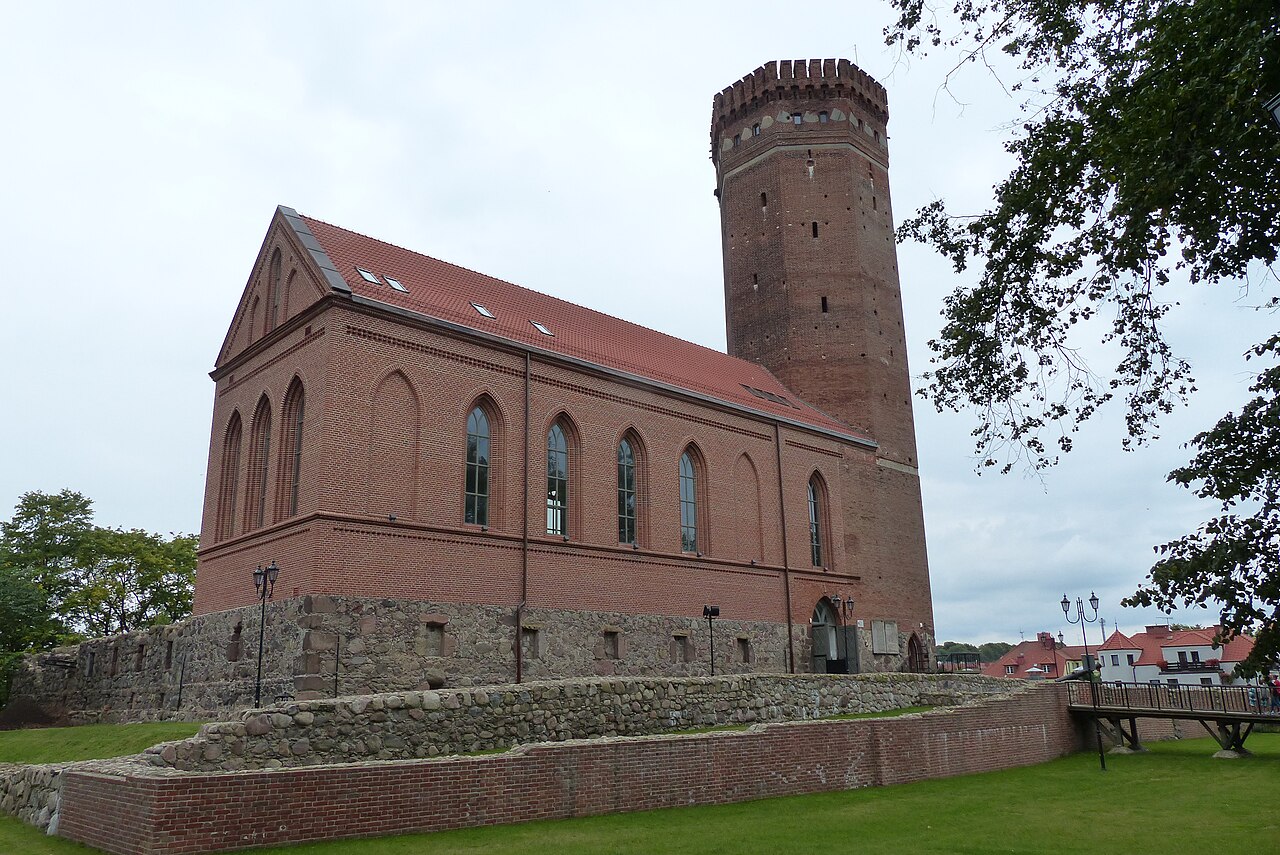
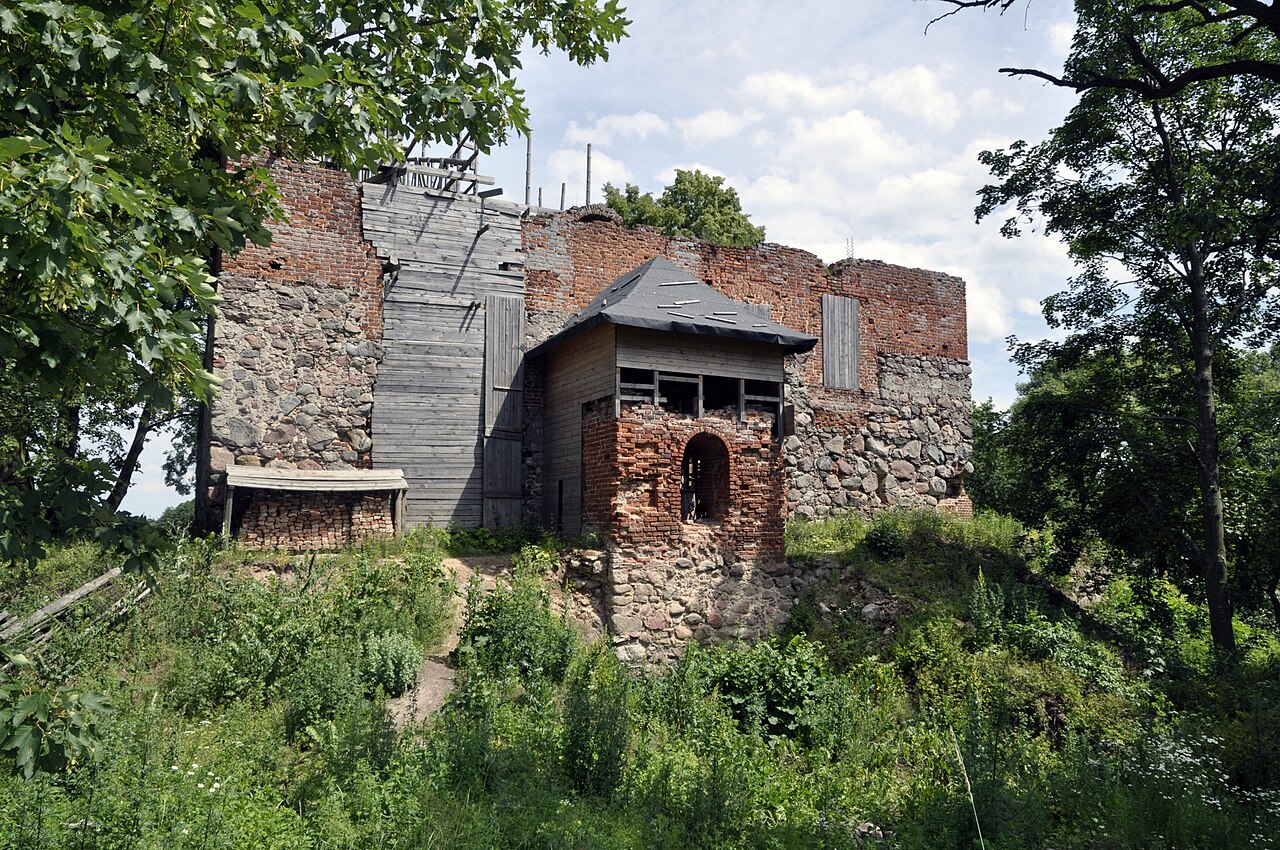
Kamień Krajeński Castle is a historic hill castle located in the town of Kamień Krajeński in Poland. Its origins are deeply rooted in the late medieval period, with construction beginning around 1359 under the initiative of Archbishop Jarosław Bogoria Skotnicki. Although the castle today exists only as ruins, its historical significance and architectural features reflect the turbulent times of medieval Poland and its borderland conflicts.
There are hypotheses suggesting that as early as the 12th century, a wooden-and-earth fortification may have existed on this site to guard the border between Pomerania and Greater Poland. However, these claims lack firm archaeological evidence and are contradicted by historical records that refer to Kamień as a village rather than a fortified settlement. Recent theories propose that such an early fortification might instead have been located in nearby Wawrzyskowo.
From the early Middle Ages, the lands around Kamień Krajeński belonged to the Archbishops of Gniezno, a powerful ecclesiastical authority in Poland. Due to increasing threats from the Teutonic Order and their military raids—such as the notable incursion in 1339—the decision was made to fortify the area with a castle. Archbishop Jarosław Bogoria Skotnicki elevated Kamień to the status of a town around 1359 and began construction of the castle to secure the borderlands.
Architectural features and construction
The castle was designed following the model of nearby teutonic castles, which were known for their brick construction and strategic defensive features. Kamień Krajeński Castle was built on a regular plan, likely rectangular or square, with a prominent tower serving as a keep or donjon. It was surrounded by a moat filled with water, enhancing its defensive capabilities. The primary building material was brick, a common choice for the region's castles during this period, reflecting the influence of the Teutonic architectural style.
Despite its strategic purpose, the castle was relatively modest in size compared to larger fortresses. The exact layout and internal structures remain uncertain due to the limited surviving documentation and extensive destruction over the centuries. However, it likely included essential defensive elements such as battlements, curtain walls, and a fortified gatehouse.
Historical conflicts and military significance
Kamień Krajeński Castle played a notable role in the regional conflicts of the 14th and 15th centuries. In 1383, it was captured by supporters of the Mazovian prince Ziemowit during internal struggles in Greater Poland. The castle faced multiple sieges by the Teutonic Knights in 1409 and 1414 during the Polish-Teutonic wars. The extent of damage from these attacks is unclear, but the castle was either not heavily damaged or was quickly repaired.
In 1422, the castle was again attacked by the Teutonic forces led by the commander of Człuchów. This assault resulted in the castle's capture and subsequent demolition, marking a turning point in its history. The destruction was severe enough that the castle never fully recovered its former strength or status.
The castle's final historical episode occurred during the Thirteen Years' War (1454–1466), when King Casimir IV Jagiellon designated Kamień as a gathering point for the Polish nobility from Greater Poland before launching an offensive against the Teutonic-held town of Chojnice. Despite this strategic use, the castle itself remained in ruins following the earlier destruction.
Decline and legacy
Following the devastation inflicted by the Teutonic Knights, Kamień Krajeński Castle fell into disrepair and was never rebuilt. Over the following centuries, its remains were gradually dismantled, and new buildings were constructed on the site, complicating archaeological efforts to fully uncover and study the castle's original structure.
Today, the castle stands as ruins, a testament to the region's medieval history and the complex political and military struggles that shaped northern Poland. Its legacy is preserved through historical records and limited archaeological findings, offering valuable insights into the defensive architecture and borderland dynamics of the late medieval period.
Cultural and historical significance
Kamień Krajeński Castle is an important cultural landmark in the Kuyavian-Pomeranian region of Poland. It symbolizes the ecclesiastical power of the Archbishops of Gniezno and their role in defending Polish territories against external threats, particularly from the Teutonic Order. The castle's history reflects the broader narrative of medieval Polish statehood, territorial disputes, and the evolution of military architecture influenced by neighboring powers.
While the physical structure no longer stands intact, the site remains a focus for local heritage and historical interest. Efforts to study and preserve the ruins contribute to understanding Poland's medieval past and the architectural trends of the period.
Frequently asked questions (FAQ)
- When was Kamień Krajeński Castle built?
- Kamień Krajeński Castle was constructed around 1359 under the direction of Archbishop Jarosław Bogoria Skotnicki.
- What type of castle is Kamień Krajeński?
- It is a hill castle built on a regular plan with a tower and surrounded by a water moat, typical of late medieval defensive architecture.
- What happened to the castle during the Teutonic Knights' attacks?
- The castle was besieged multiple times by the Teutonic Knights, notably in 1383, 1409, 1414, and was finally captured and destroyed in 1422.
- Is Kamień Krajeński Castle accessible to visitors today?
- Today, Kamień Krajeński Castle exists as ruins, and the site is partially built over, which limits archaeological exploration and visitor access.
- Why is Kamień Krajeński Castle historically significant?
- The castle played a key role in the defense of Polish borderlands against the Teutonic Order and was a strategic military site during the Thirteen Years' War.
Information
Loading map...
Visitor reviews
No reviews yet. Been here? Write the first review and help other travelers!
Write the first reviewVisited this castle? Share your experience
Your review helps other travelers and adds first-hand knowledge to our encyclopedia.