Iga Ueno Castle
Iga Ueno Castle stands as a remarkable example of a hill castle located in Iga, Japan. Its origins trace back to 1585, when Takigawa Katsutoshi initiated its construction during a turbulent period of Japanese history. The castle's strategic position atop a hill provided natural defensive advantages, which were further enhanced over subsequent decades by successive lords aiming to fortify the site against rival factions.
Early construction and architectural development
The initial phase of the castle's construction was significantly advanced by Tsutsui Sadatsugu, who added the honmaru (central bailey) and a distinctive three-level main keep (tenshu). This keep served as both a military stronghold and a symbol of power and prestige. The castle's layout reflected typical Japanese feudal fortress design, emphasizing layered defenses and commanding views of the surrounding terrain.
Renovations under todo takatora and fortification enhancements
Following the Battle of Sekigahara in 1600, a decisive conflict that shaped Japan's political landscape, control of the castle shifted. Tsutsui Sadatsugu's lands were confiscated by the ruling Tokugawa shogunate and granted to Todo Takatora, a renowned castle architect and daimyo known for his expertise in fortifications. Todo Takatora undertook extensive renovations to strengthen the castle's defenses, anticipating potential uprisings by remnants of the defeated Toyotomi clan.
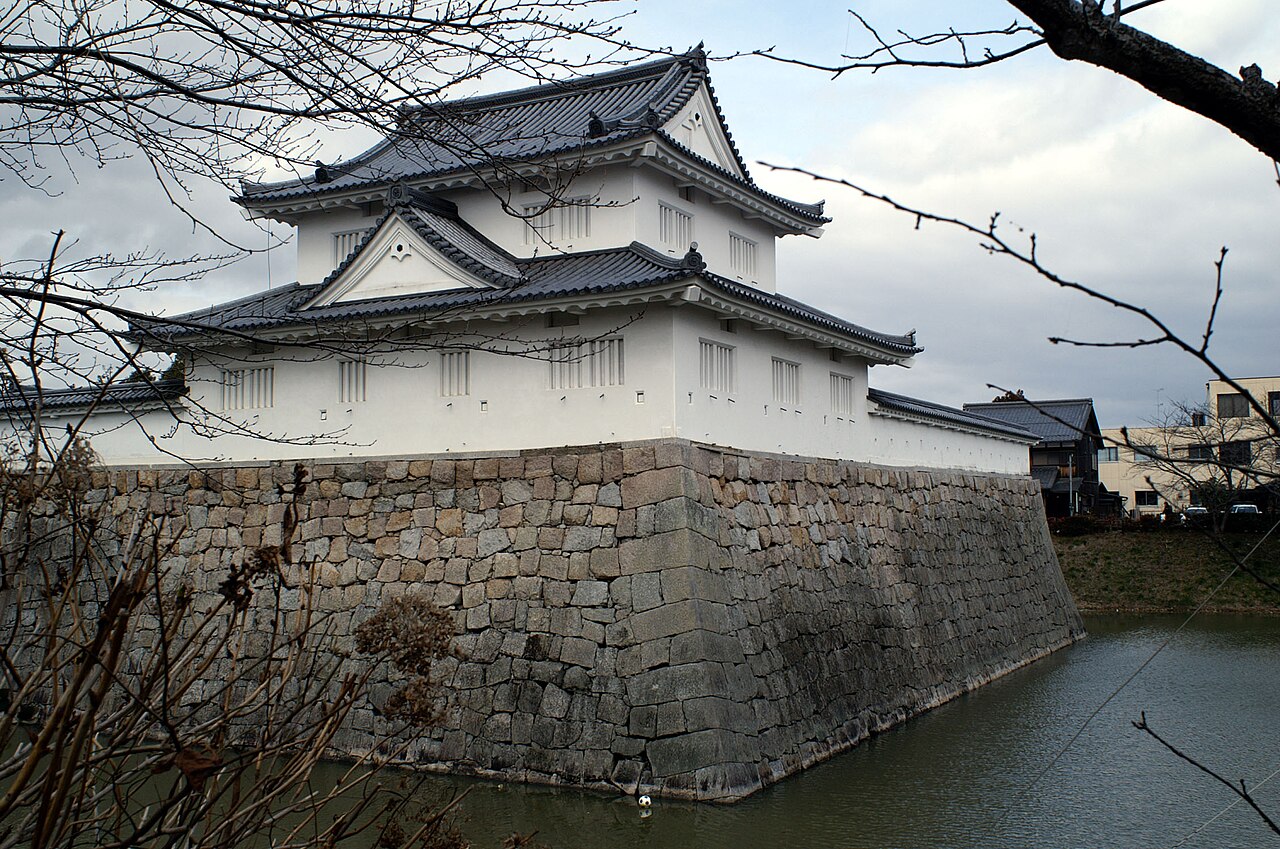
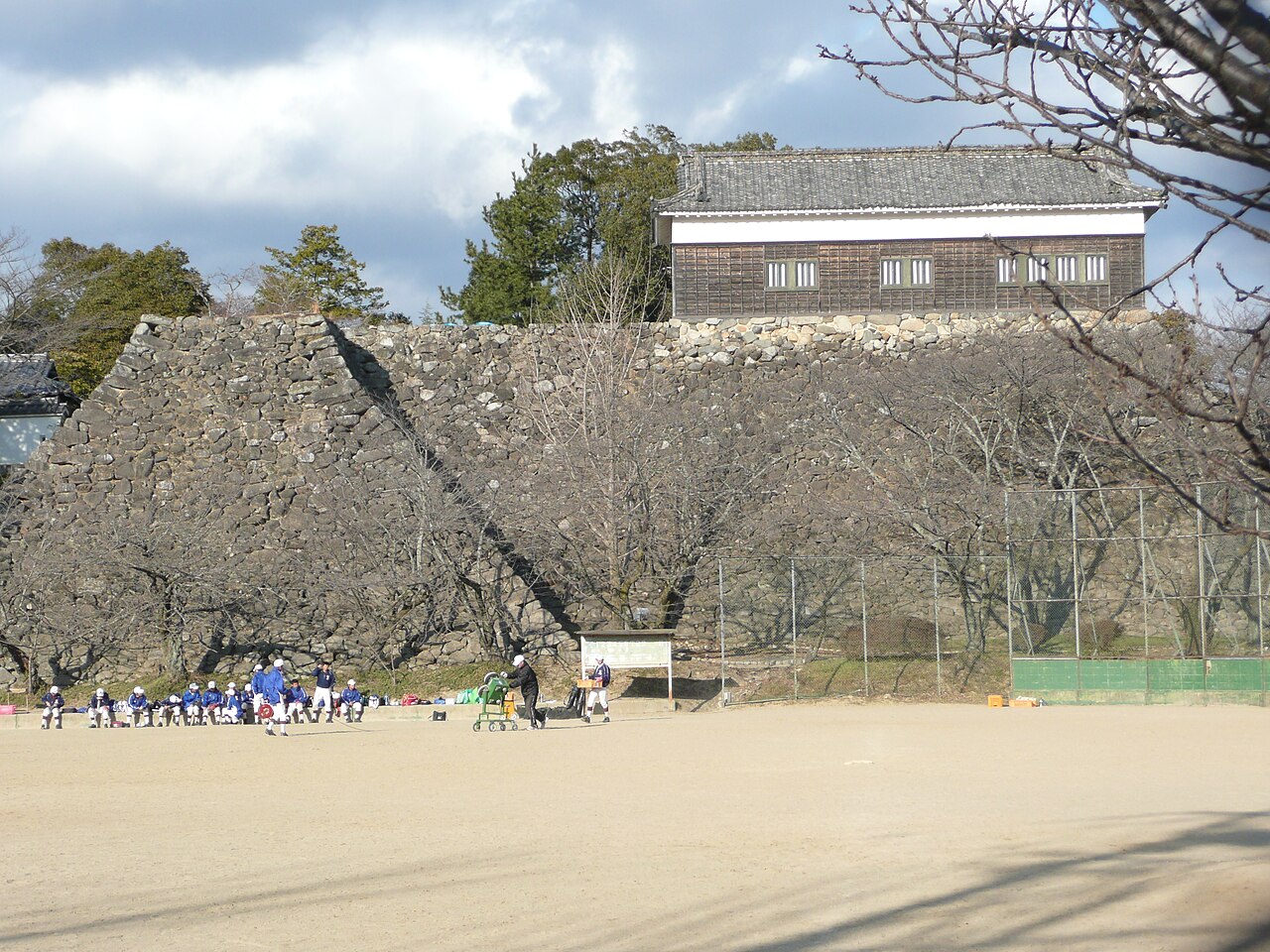
The renovations included the construction of a new honmaru and the erection of massive stone walls that enveloped the original structures, greatly enhancing the castle's defensive capabilities. These stone walls are among the tallest in Japan, showcasing advanced masonry techniques of the period. The design also incorporated wide moats and complex gate systems to deter attackers.
Unfinished main keep and later history
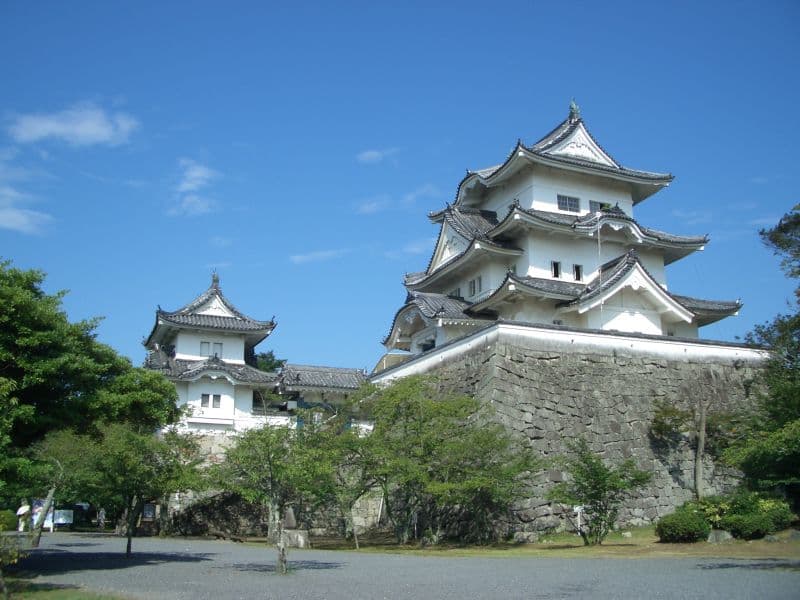
Despite Todo Takatora's ambitious plans, the castle's main keep was never fully completed. The original keep was destroyed by strong winds, and subsequent efforts to rebuild it were abandoned after the Tokugawa consolidated power and the threat from the Toyotomi faction diminished. Today, the existing main keep is a mock wooden reconstruction that attempts to evoke the castle's original appearance without resorting to modern concrete materials, preserving historical authenticity.
Current condition and preservation challenges
The castle is currently partially restored, with the impressive stone walls remaining a dominant feature of the site. However, preservation efforts face challenges due to vegetation overgrowth, including weeds and trees growing within and atop the walls. This overgrowth threatens the masonry's stability, with some areas at risk of crumbling. Portions of the walls have been closed off to visitors for safety reasons.
The castle grounds include a ninja museum and host ninja-themed shows, reflecting Iga's historical association with ninja culture. These attractions enrich the visitor experience and highlight the cultural heritage connected to the castle and region.
Architectural significance and cultural heritage
Iga Ueno Castle exemplifies the evolution of Japanese castle architecture from the late 16th to early 17th century, blending functional military design with symbolic elements of authority. The massive stone walls demonstrate advanced construction techniques and reflect the strategic importance of the site during the Renaissance period of Japanese history, coinciding with the Azuchi-Momoyama era.
The castle's layered defenses, including the honmaru, moats, and gates, illustrate the complex defensive strategies employed by feudal lords to protect their domains. Its preservation, despite partial restoration and natural deterioration, offers valuable insights into the architectural and historical context of Japan's feudal era.
Visiting i ga ueno castle today
Visitors to Iga Ueno Castle can explore the castle grounds, admire the towering stone walls, and visit the reconstructed wooden main keep. The adjacent ninja museum provides engaging exhibits on the history and techniques of the ninja, a unique cultural aspect of the Iga region.
While some areas of the castle are restricted due to preservation concerns, the site remains a significant cultural landmark offering a glimpse into Japan's feudal past and architectural heritage. The castle's setting on a hilltop affords scenic views and a tangible connection to the historical landscape of Iga.
Frequently asked questions (FAQ)
- How do I get to Iga Ueno Castle?
- Iga Ueno Castle is accessible by public transportation from major cities like Nagoya and Osaka. Visitors can take a train to Iga-Ueno Station, which is within walking distance of the castle grounds.
- What is the best time to visit Iga Ueno Castle?
- The castle is best visited in spring and autumn when the weather is mild and the surrounding nature is vibrant. Cherry blossoms in spring and colorful foliage in autumn enhance the scenic beauty of the site.
- Is the castle suitable for visitors with mobility issues?
- While the castle grounds include some uneven terrain and stone paths, there are accessible routes to key areas such as the main keep and museum. Visitors with mobility concerns should check with the site management for specific accessibility information.
- Can I visit the ninja museum at Iga Ueno Castle?
- Yes, the ninja museum located on the castle grounds is open to visitors. It offers exhibits and shows that explore the history and skills of the Iga ninja, adding an engaging cultural dimension to the visit.
- Are there guided tours available at Iga Ueno Castle?
- Guided tours are sometimes offered, especially during peak tourist seasons. These tours provide detailed historical and architectural insights. Visitors should check the official website or visitor center for current availability.
Photo gallery

Information
Opening hours
open 9am to 5pm; closed Dec 29-31. 500 yen for the main keep museum.
Current owner
Municipality
Website
Visit websiteSources & official resources
Verify the information above using these authoritative references.
Loading map...
Visitor reviews
No reviews yet. Been here? Write the first review and help other travelers!
Write the first reviewVisited this castle? Share your experience
Your review helps other travelers and adds first-hand knowledge to our encyclopedia.