Kalinjar Fort
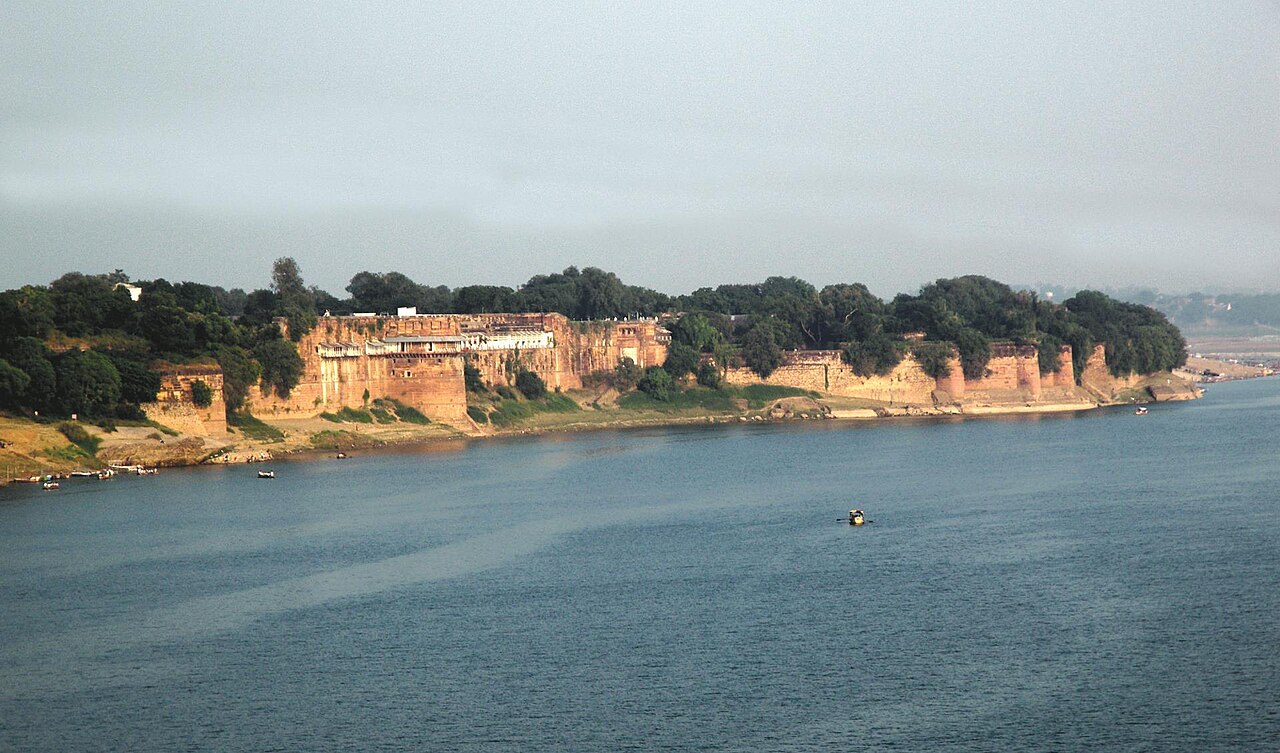
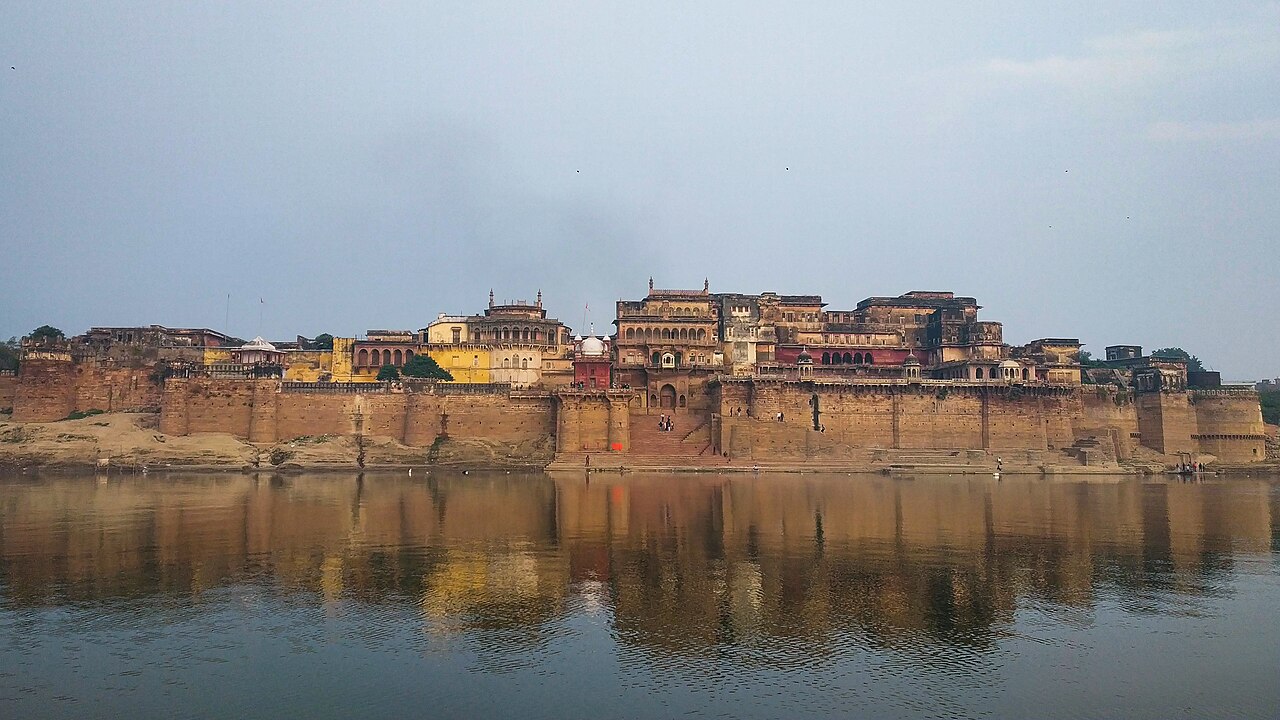
Kalinjar Fort is a prominent bastioned fortress located in the Banda district of Uttar Pradesh, India. This historic fortress-city has witnessed the rule of several significant dynasties, including the Guptas, the Vardhana dynasty, the Chandelas, the Solankis of Rewa, the Mughals, and the Marathas. Its strategic position atop an isolated rocky hill at the terminus of the Vindhya Range provides commanding views over the Bundelkhand plains, making it a key military and cultural site throughout Indian history.
Strategic location and natural defenses
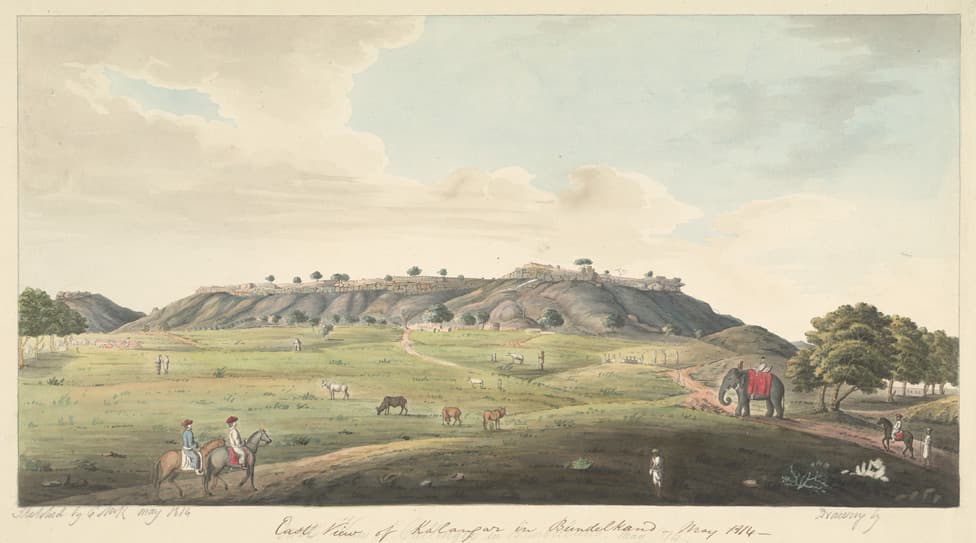
The fort is perched on a steep rocky hill, which forms a natural defensive barrier. The elevation and rugged terrain made it difficult for invading armies to approach, contributing to its reputation as a stronghold. The Vindhya mountain range itself is an important geological feature in central India, and Kalinjar's location at its edge allowed control over trade routes and regional movement.
Architectural features and fortifications
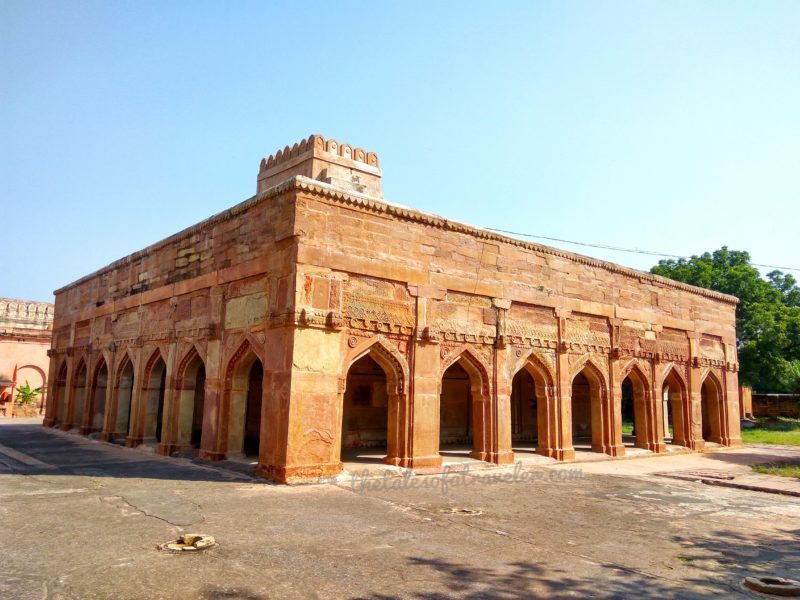
Kalinjar Fort is renowned for its massive walls and strong gates, which exemplify the military architecture of the time. The fortifications include bastions—projecting defensive structures that allowed defenders to cover the walls with crossfire. These bastions contributed to the fort's resilience against sieges and attacks.
The complex layout includes multiple gates, ramparts, and watchtowers, designed to provide layered defense. The walls are constructed from locally sourced stone, carefully fitted to withstand both natural erosion and human assault. The design reflects the evolving military technology and architectural styles from the Gupta period through later dynasties.
Religious significance and temples
Kalinjar Fort is not only a military bastion but also a significant religious site. It houses several ancient temples dating back to the Gupta dynasty (3rd–5th centuries). Among these, the Neelkanth Mahadev Temple dedicated to Lord Shiva holds special importance. This temple is linked to the Hindu legend of Samudra Manthan (the churning of the ocean), where Lord Shiva is said to have consumed poison to save the world, earning the name Neelkanth (the blue-throated one).
The temple architecture exhibits classic Gupta style elements, including intricately carved stone pillars, sculpted deities, and ornamental motifs. The site continues to be a place of pilgrimage, especially during the annual fair held on Kartik Purnima, which attracts devotees from across the region.
Historical timeline and rulers
The fort's history spans many centuries, reflecting the shifting political landscape of central India. The Gupta Empire initially established the site as a fortified religious center. Later, the Vardhana dynasty and the Chandelas enhanced its fortifications and religious structures.
During the medieval period, the fort came under the control of the Solankis of Rewa and later the Mughal Empire, who recognized its strategic value. In the 18th century, the Marathas seized Kalinjar, further fortifying it and using it as a military base during their campaigns in northern India.
Cultural heritage and current status
Today, Kalinjar Fort stands as a partially preserved monument reflecting centuries of Indian history, architecture, and religion. Its impressive bastions, gates, and temples attract historians, archaeologists, and tourists. The fort is under the care of the local authorities and is accessible to visitors interested in exploring its ancient structures and panoramic views.
Efforts to preserve the fort focus on maintaining its structural integrity while promoting its cultural significance. The site offers insight into the architectural evolution from the early medieval period through the late medieval era, showcasing a blend of military and religious architecture.
Visitor information and accessibility
Visitors to Kalinjar Fort can explore the extensive ruins, including the temples, walls, and bastions. The site is open year-round, with the best visiting times during cooler months. The annual fair on Kartik Purnima provides a unique cultural experience, combining religious devotion with local traditions.
Frequently asked questions (FAQ)
- What is the historical significance of Kalinjar Fort?
- Kalinjar Fort has been a strategic military and religious site since the Gupta dynasty, witnessing rule by multiple dynasties including the Mughals and Marathas.
- When was Kalinjar Fort originally constructed?
- The earliest structures at Kalinjar Fort date back to the 3rd to 5th centuries during the Gupta dynasty.
- What are the main architectural features of Kalinjar Fort?
- The fort features massive bastioned walls, multiple gates, ramparts, and ancient temples, showcasing military and religious architecture.
- Can visitors explore the temples within Kalinjar Fort?
- Yes, visitors can explore several ancient temples within the fort, including the Neelkanth Mahadev Temple dedicated to Lord Shiva.
- Is there a special event held at Kalinjar Fort annually?
- Every year, a fair is held on Kartik Purnima at the Neelkanth Mahadev Temple, attracting many pilgrims and tourists.
Photo gallery

Photo by MacKenzie, Colin (1754-1821)•Public domain
Information
Loading map...
Visitor reviews
No reviews yet. Been here? Write the first review and help other travelers!
Write the first reviewVisited this castle? Share your experience
Your review helps other travelers and adds first-hand knowledge to our encyclopedia.