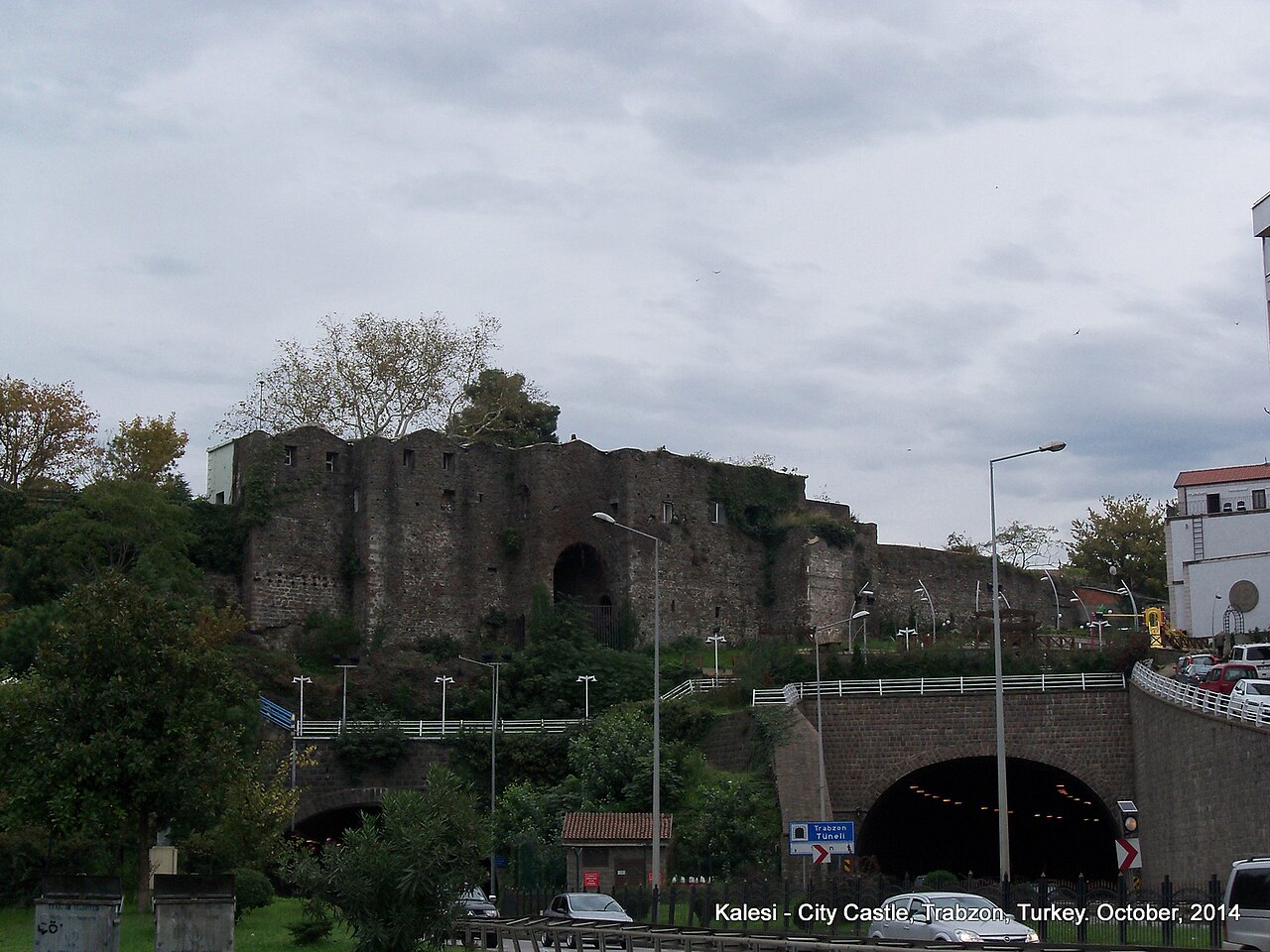
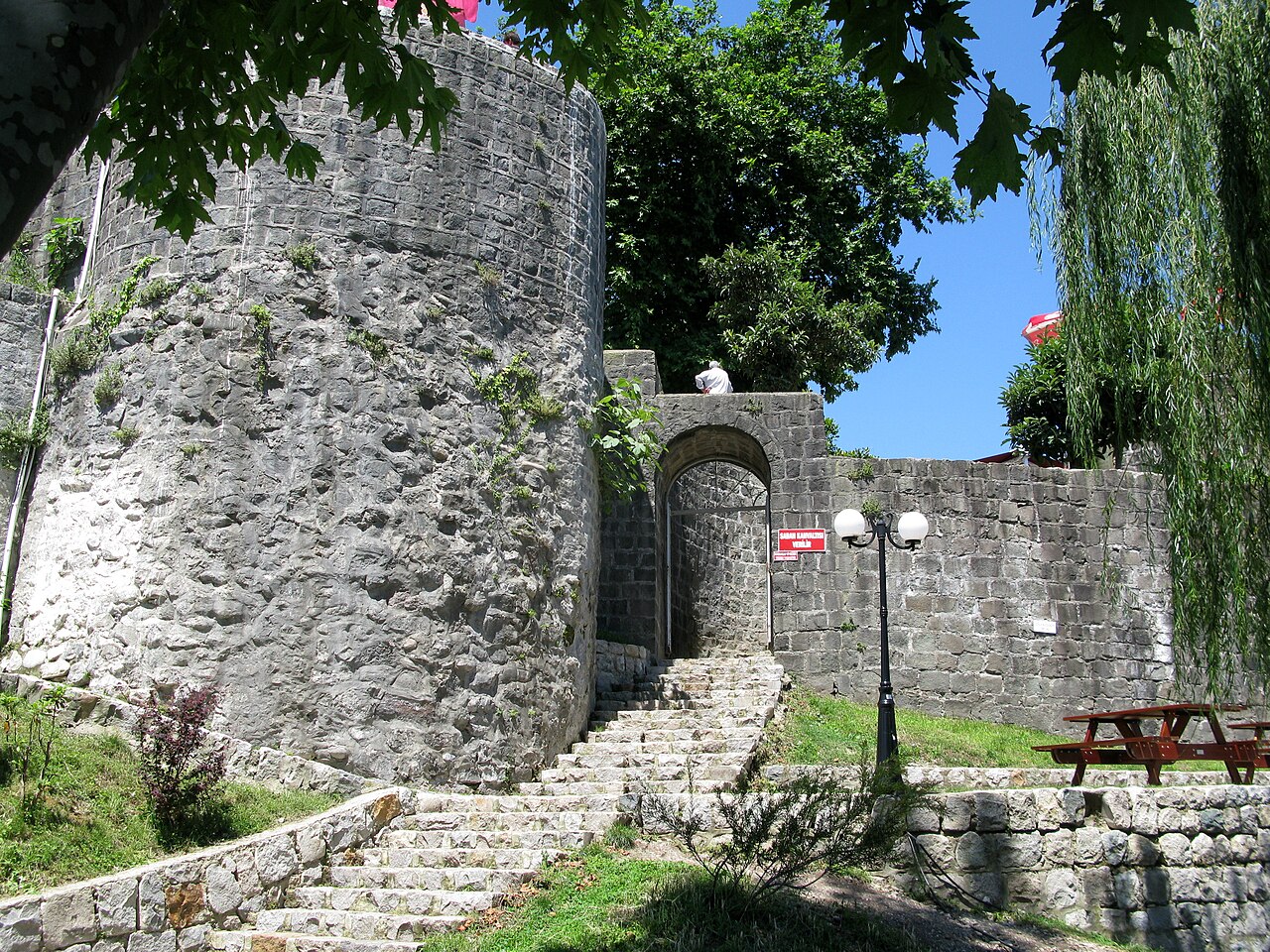
Kalecik Castle, known locally as Kalecik Kalesi, is a historic fortress located on the edge of a plateau overlooking the Kura river valley in the province of Ardahan, Turkey. This castle occupies a strategic hilltop position south of the village named Kalecik, commanding views of the surrounding landscape and serving historically as a defensive stronghold.
Historical context and origins
The precise origins of Kalecik Castle remain uncertain due to limited historical records. However, archaeological and architectural evidence suggests that the castle's foundations may date back to the Urartian period (860-590 BC). The Urartians were an ancient civilization known for their advanced fortifications in eastern Anatolia, and Kalecik's location and construction style bear similarities to other Urartian sites.
Later, the castle is thought to have been used or rebuilt during the Byzantine era. It is speculated that Kalecik Castle may have served as a fortification for a settlement called Herakleia, possibly named after Heraclonas, the son of Emperor Heraclius. According to some historical conjecture, Heraclonas was born in this region around 622 AD during his father's military campaigns against the Persians.
Kalecik Castle may have functioned as an outpost or satellite fortification related to the nearby Canayer (Buzluca) Castle, situated atop a plateau to the south. This proximity suggests a network of defensive structures controlling key routes and terrain in the region.
Architectural features and layout
The castle is classified as a hill castle, strategically positioned on a hilltop that overlooks a small beach area below. The elevated location provided natural defense advantages and visibility over the surrounding valley.
Today, the remains of Kalecik Castle primarily consist of low, heavily rebuilt walls that crown the summit of the hill. These walls form a rough enclosure, with evidence of a gate and the ruins of towers integrated into the defensive perimeter. The castle's walls appear to have extended down the hillside, suggesting additional fortifications at the base, though these are now largely lost or obscured.
The surviving masonry indicates multiple construction phases, with later repairs or modifications likely during Byzantine or subsequent periods. The castle's defensive structures would have included battlements and towers designed for surveillance and protection against invaders.
Current condition and accessibility
Kalecik Castle is currently in a state best described as partially preserved, with significant portions of the original walls and towers remaining, albeit in a ruined and reconstructed form. The site has been adapted into a small public park, allowing visitors to explore the ruins freely.
The castle's location on a hilltop offers scenic views of the Kura river valley and surrounding countryside, making it a pleasant destination for visitors interested in history and nature. There are no entrance fees, and the site is accessible year-round.
Significance and cultural heritage
Although Kalecik Castle is not extensively documented in historical texts, its enduring presence reflects the strategic importance of the Ardahan region throughout ancient and medieval times. The castle's possible Urartian roots link it to one of Anatolia's earliest civilizations, while its Byzantine associations connect it to the empire's defensive network in eastern Anatolia.
Kalecik Castle contributes to the cultural landscape of Ardahan province, representing a tangible connection to the region's layered past. Its ruins offer valuable insights into the military architecture and settlement patterns that shaped this part of Turkey over millennia.
Visiting Kalecik Castle
Visitors to Kalecik Castle can enjoy a quiet and accessible historic site without the crowds typical of more famous castles. The hilltop location provides excellent opportunities for photography and appreciating the natural beauty of the Kura river valley.
While the castle lacks extensive visitor facilities or interpretive signage, its open access encourages exploration and personal discovery. Nearby towns and villages offer additional cultural experiences and amenities for travelers.
Frequently asked questions (FAQ)
- How do I get to Kalecik Castle?
- Kalecik Castle is located on a hilltop south of the village of Kalecik in Ardahan province, Turkey. Visitors typically reach the site by car or local transport from Ardahan city, followed by a short walk uphill to the ruins.
- Is there an entrance fee to visit Kalecik Castle?
- No, Kalecik Castle is freely accessible to the public, and there is no entrance fee to explore the ruins and surrounding park area.
- What is the historical significance of Kalecik Castle?
- Kalecik Castle possibly dates back to the Urartian period and was later used during Byzantine times. It served as a strategic defensive site in the Kura river valley, reflecting the region's military history.
- What remains can I see at Kalecik Castle?
- Visitors can see low, partially rebuilt walls, a gate, and the ruins of towers atop the hill. The castle's defensive walls once extended down the hillside, though these are mostly lost.
- When is the best time to visit Kalecik Castle?
- The castle can be visited year-round, but spring and autumn offer pleasant weather and clear views of the surrounding landscape.
Information
Loading map...
Visitor reviews
No reviews yet. Been here? Write the first review and help other travelers!
Write the first reviewVisited this castle? Share your experience
Your review helps other travelers and adds first-hand knowledge to our encyclopedia.