Kalavryta Castle
Kalavryta Castle is a significant medieval fortress located in the mountainous region of Greece, dating back to the 13th century. Although now in ruins, this high medieval castle played a key role in the defense and control of the surrounding area during turbulent periods of Greek history. Its remains offer valuable insights into the military architecture and regional power struggles of the time.
Historical context and significance
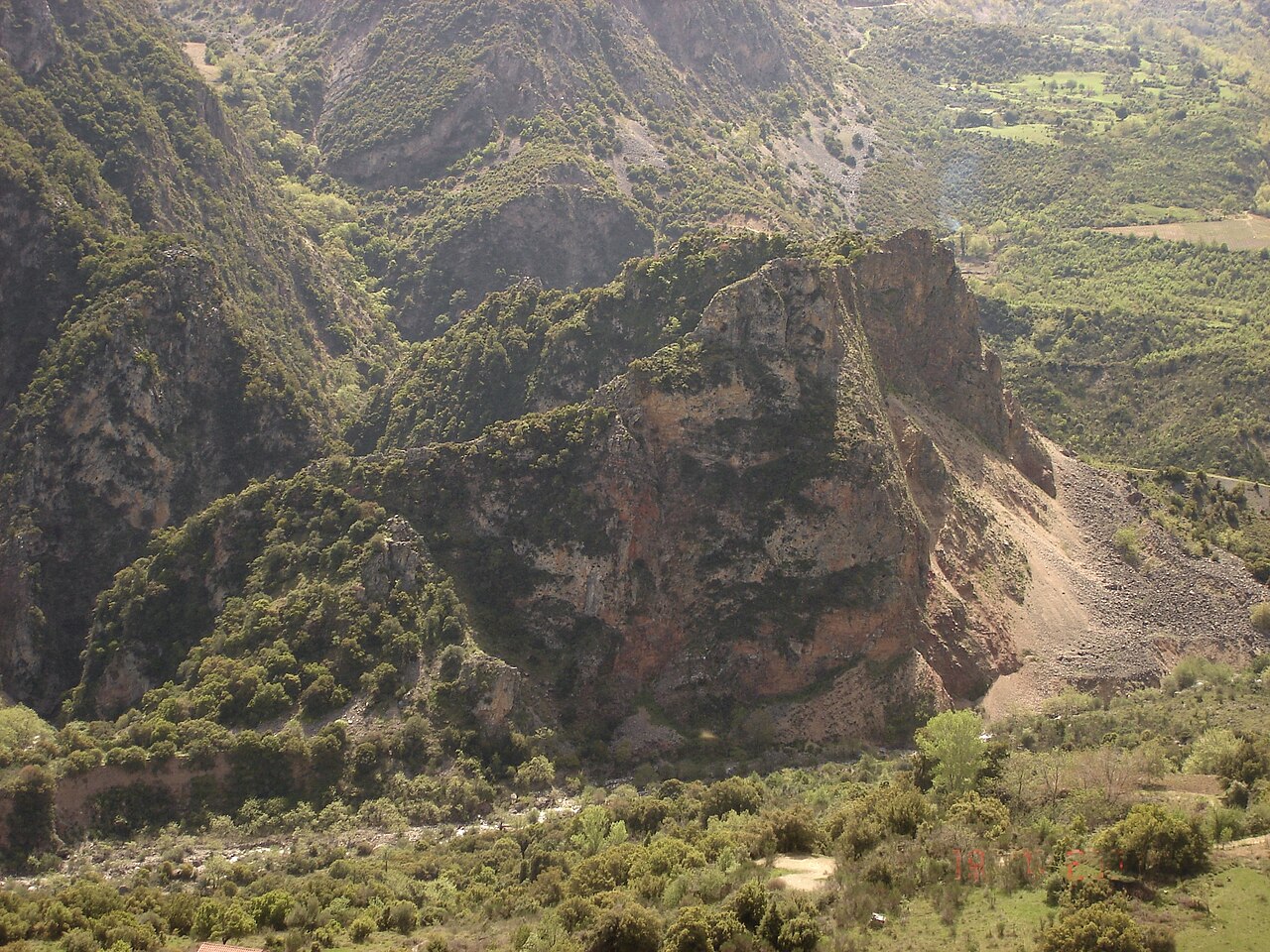
The castle was constructed during the high medieval period, a time marked by frequent conflicts and shifting control between local Greek rulers, Byzantine forces, and later Frankish and Ottoman powers. Kalavryta Castle served as a strategic stronghold overseeing important mountain passes and trade routes, which were vital for controlling movement and regional security.
Throughout its active use, the fortress witnessed numerous sieges and battles, reflecting the complex history of medieval Greece. The castle's location in the rugged terrain of the Peloponnese made it a formidable defensive site, contributing to its military importance.
Architectural features of Kalavryta Castle
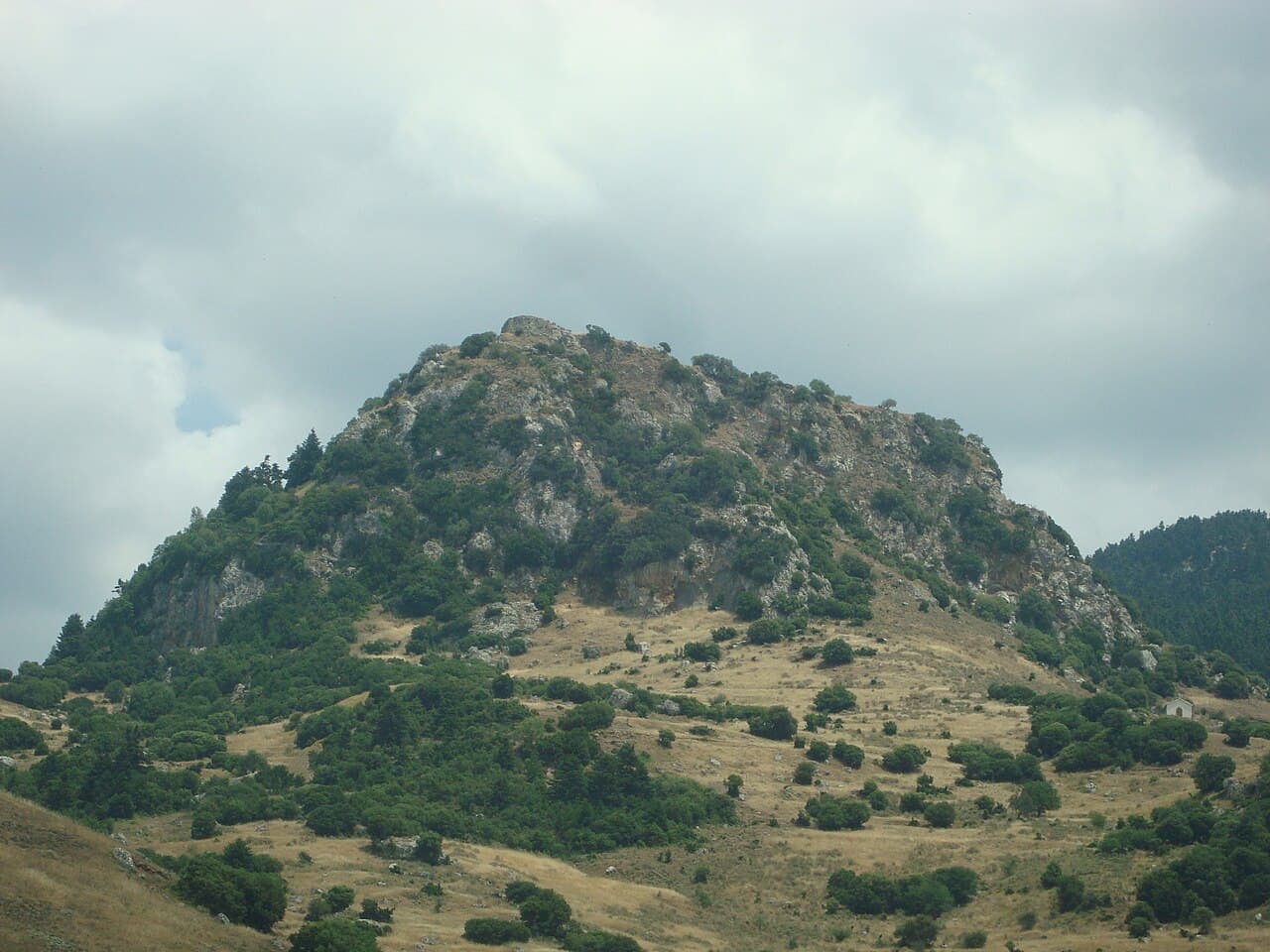
As a hill castle built on elevated ground, Kalavryta Castle utilized the natural landscape to enhance its defensive capabilities. The remaining ruins indicate a typical medieval fortress layout, including thick stone walls, defensive towers, and a central keep or donjon that would have served as the last line of defense.
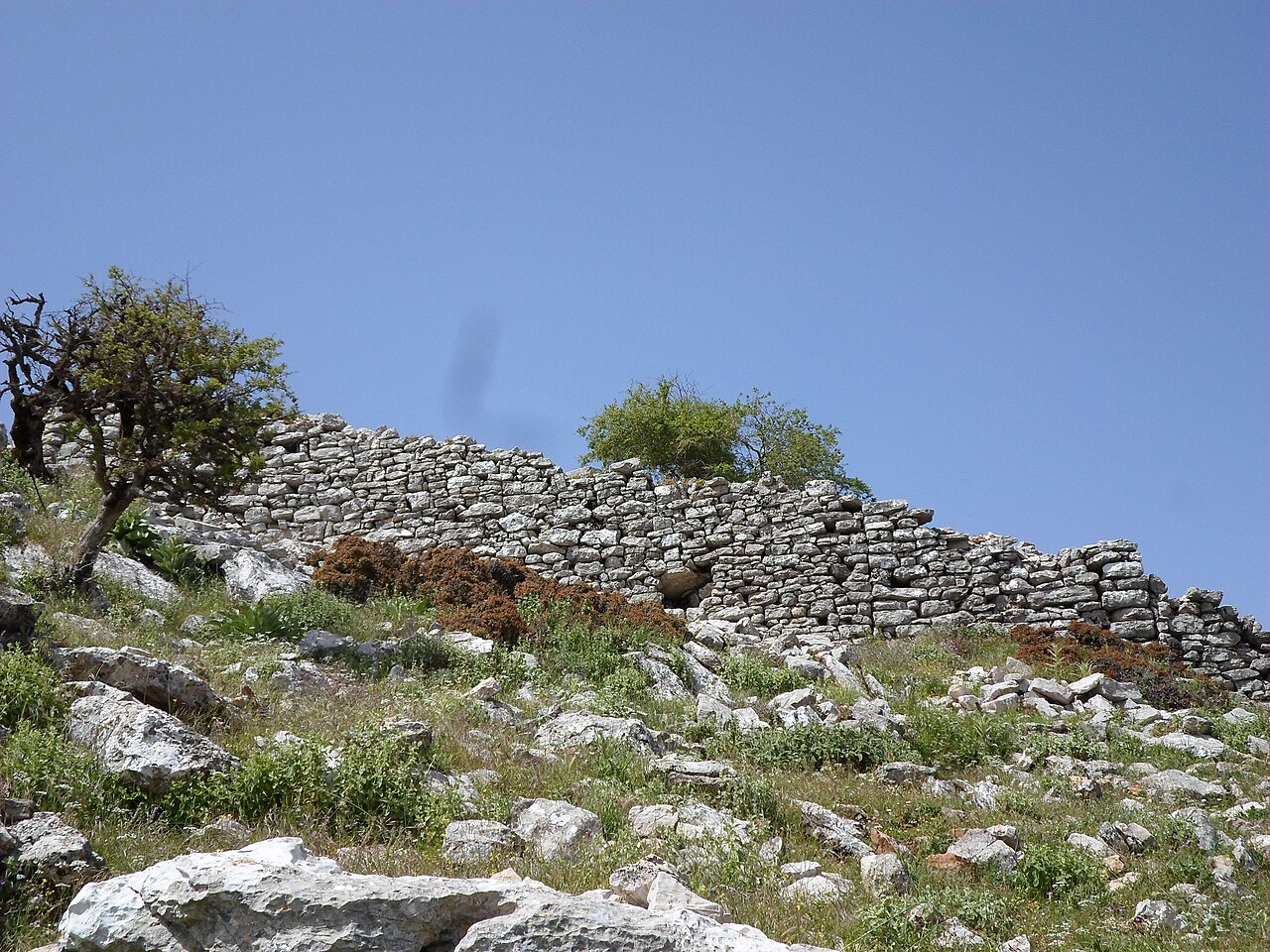
The castle's walls were constructed from locally sourced stone, with remnants showing evidence of masonry techniques common in the 13th century. Defensive features such as battlements and arrow slits are still visible in parts of the ruins, illustrating the castle's role in active military defense.
The fortress likely included a courtyard area for troops and supplies, as well as chambers for the garrison and possibly a chapel. The strategic position allowed defenders to monitor and control the surrounding valleys and passes.
Decline and current condition
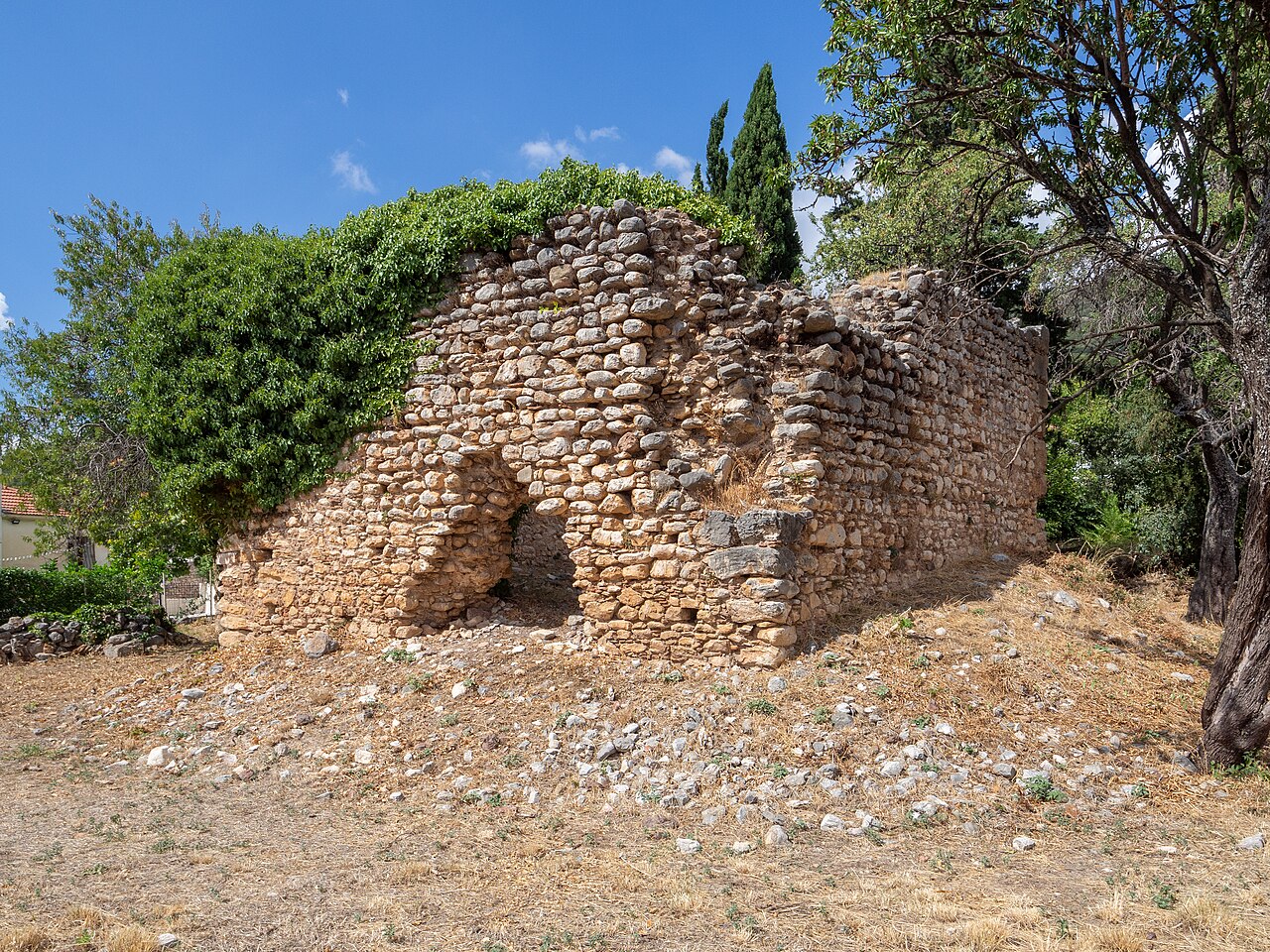
Over the centuries, Kalavryta Castle fell into disuse and suffered damage from warfare, natural decay, and possibly earthquakes. Today, it stands as archaeological ruins, with only fragments of walls and towers remaining. Despite its ruined state, the site attracts historians, archaeologists, and visitors interested in medieval Greek history and military architecture.
Efforts to preserve the ruins focus on stabilizing remaining structures and providing information to visitors about the castle's historical context and significance.
Visiting Kalavryta Castle
The castle is accessible to visitors interested in exploring medieval fortifications and Greek history. Its location in the mountainous region offers scenic views and a tangible connection to the past. Visitors should prepare for rugged terrain and limited facilities, as the site is primarily an archaeological ruin without extensive modern amenities.
Nearby attractions
Kalavryta town itself is known for its historical significance and natural beauty, including the nearby ski resort and the Cave of Lakes. The region offers a blend of cultural heritage and outdoor activities, making it a worthwhile destination for travelers.
Frequently asked questions (FAQ)
- How do I get to Kalavryta Castle?
- Kalavryta Castle is located in the picturesque town of Kalavryta, Greece. You can reach it by car from major cities like Athens, which is about a 2.5-hour drive. Public transportation options are available, but renting a car is recommended for ease of access.
- What is the historical significance of Kalavryta Castle?
- Kalavryta Castle, built in the 13th century, played a crucial role in the defense against invasions during the Byzantine and Ottoman periods. It served as a strategic military outpost, reflecting the turbulent history of the region. Today, it stands as a monument to the rich heritage of Kalavryta.
- When was Kalavryta Castle built?
- The construction of Kalavryta Castle began in the 13th century, likely around the year 1205. It was strategically designed to protect the surrounding area and has undergone various renovations throughout its history. This makes it an excellent example of medieval military architecture.
- Can I explore the castle grounds?
- Yes, visitors are welcome to explore the castle grounds. There are pathways that guide you through the ruins, offering stunning views of the surrounding landscape. Make sure to wear comfortable shoes, as the terrain can be uneven.
- Why is Kalavryta Castle a popular tourist attraction?
- Kalavryta Castle attracts visitors for its historical significance, breathtaking views, and well-preserved architecture. The site offers a glimpse into Greece's medieval past while providing a scenic backdrop for photography. Additionally, its proximity to the charming town of Kalavryta enhances its appeal.
- Is it possible to visit Kalavryta Castle year-round?
- Yes, Kalavryta Castle is open to visitors year-round, though accessibility may vary depending on weather conditions. The best time to visit is during the spring and fall when the climate is mild and the landscape is particularly beautiful. Always check local guidelines before planning your visit.
- What are the opening hours for Kalavryta Castle?
- Kalavryta Castle typically opens at 9 AM and closes at sunset, but hours may vary by season. It's advisable to check the official website or local tourist information for the most accurate and up-to-date hours before your visit. Early mornings or late afternoons are ideal for avoiding crowds.
- Are there any ticket prices to enter Kalavryta Castle?
- There is usually no entrance fee to explore Kalavryta Castle, making it an accessible attraction for all visitors. However, guided tours may have a fee, which can enhance your experience by providing detailed historical context. Always verify current conditions and any potential charges before your visit.
- What are some nearby attractions to Kalavryta Castle?
- Nearby attractions include the scenic Vouraikos Gorge and the historic Kalavryta Monastery. The town itself offers charming cafes and shops, along with the Kalavryta Museum which showcases local history. Combining a visit to the castle with these nearby sites can enrich your experience in the area.
Photo gallery

Information
Loading map...
Visitor reviews
No reviews yet. Been here? Write the first review and help other travelers!
Write the first reviewVisited this castle? Share your experience
Your review helps other travelers and adds first-hand knowledge to our encyclopedia.