Historical background and significance
The castle dates back to the medieval period, reflecting the architectural and military styles prevalent during that era in Greece. Hill castles like Tartaris were typically constructed to control important routes and protect local populations from invasions. While specific historical records about Tartaris are limited, its existence aligns with the broader context of medieval fortifications built throughout the region to resist various incursions and assert territorial control.
Architectural features and design
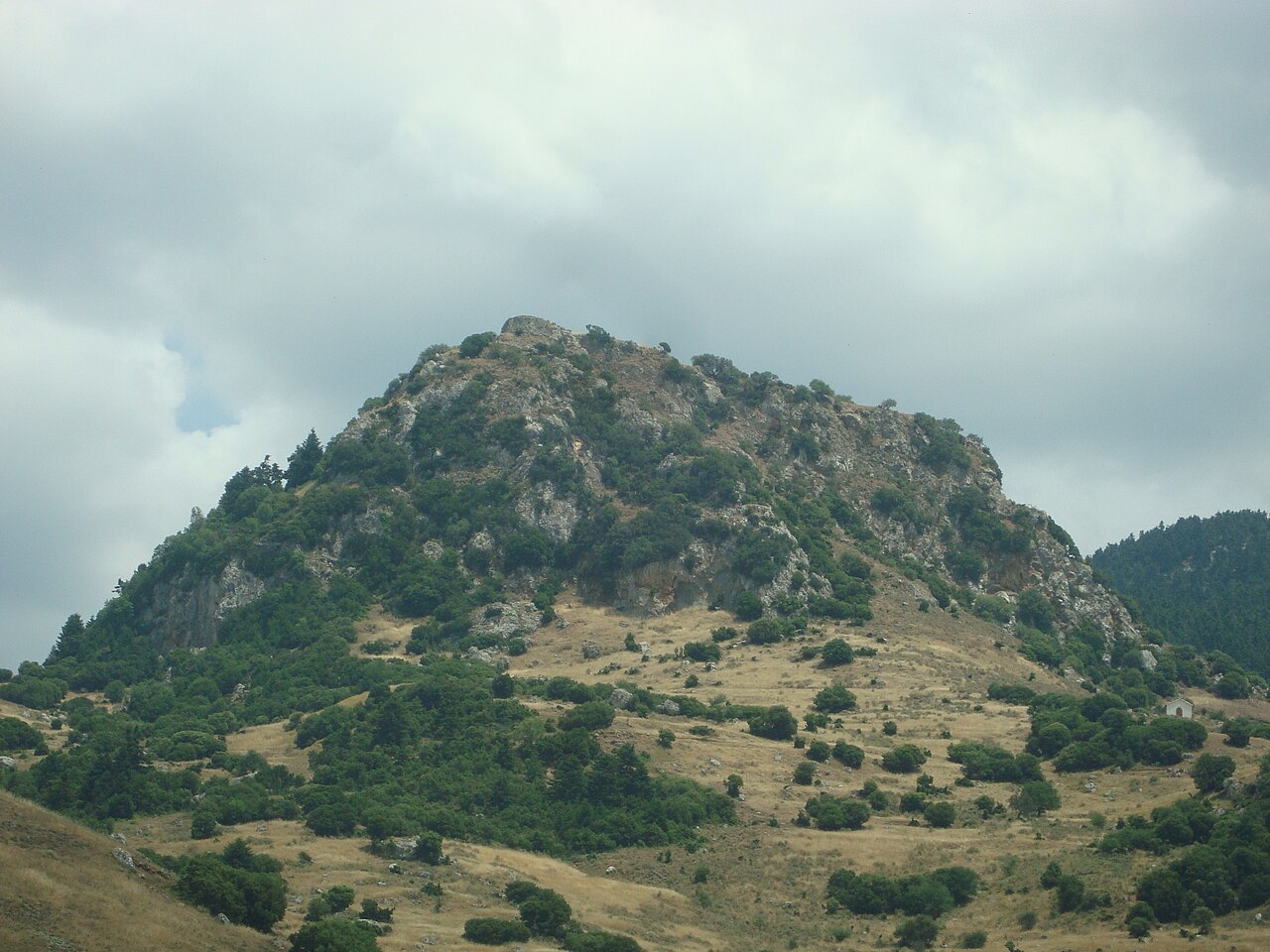
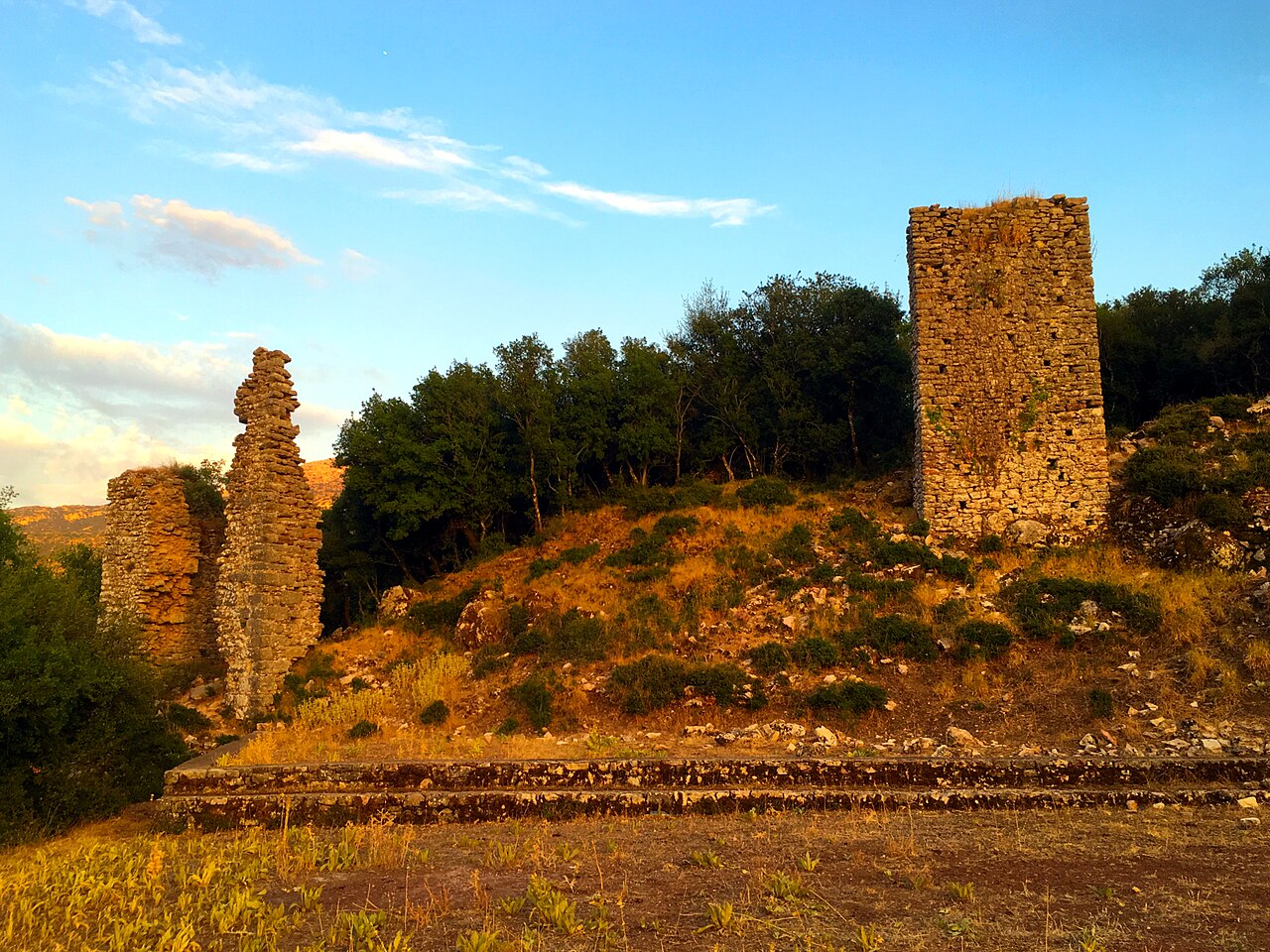
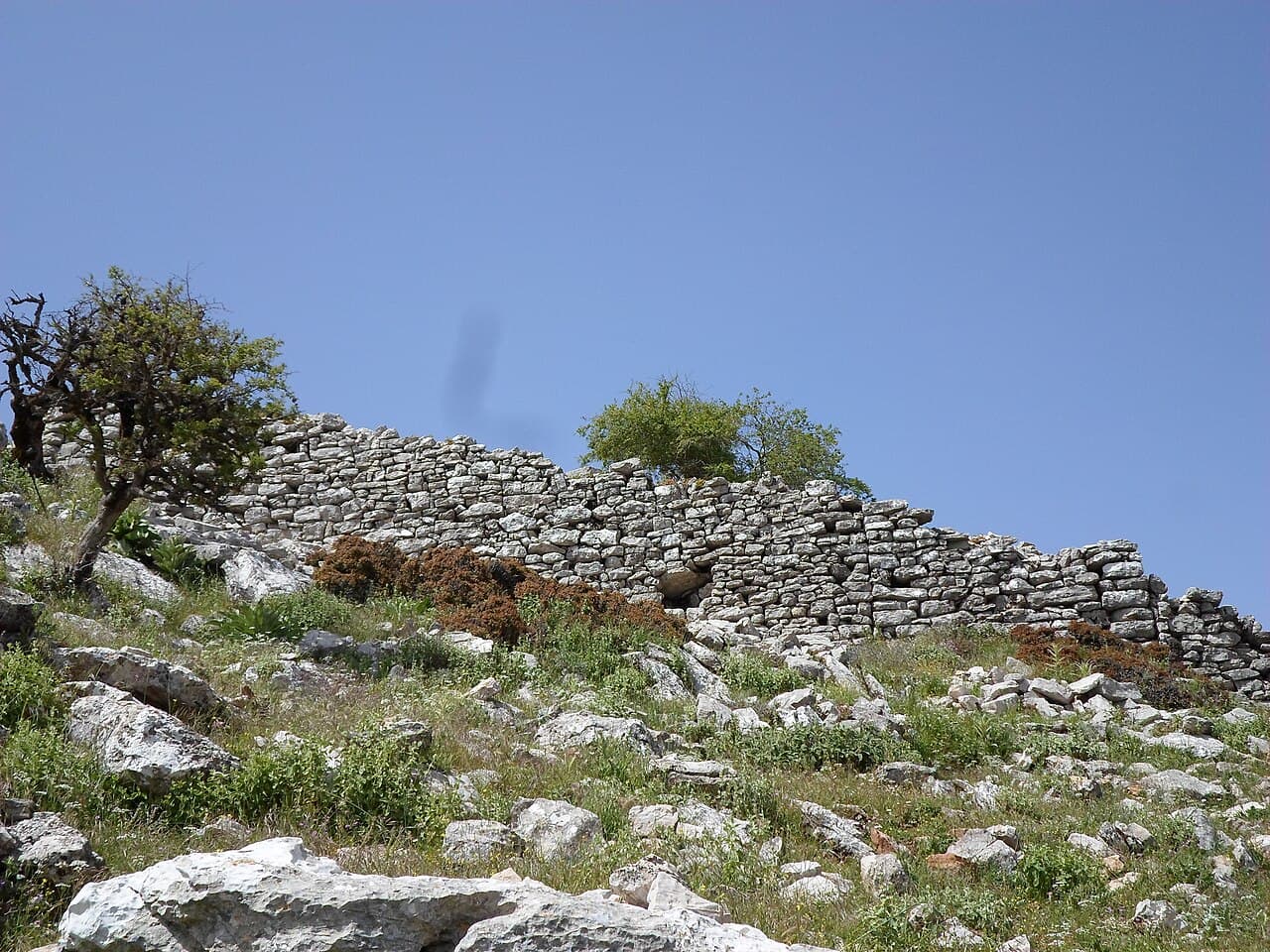
The Castle of Tartaris exhibits characteristics typical of hill castles, including robust stone walls adapted to the natural contours of the terrain. Defensive features likely include battlements, towers for lookouts, and possibly a gatehouse to control access. The elevated location would have provided natural protection, supplemented by man-made fortifications designed to withstand sieges and attacks.
Construction materials and techniques
Construction would have primarily utilized locally sourced stone, shaped and fitted to create thick defensive walls. The masonry techniques reflect the medieval period's emphasis on durability and defense, with walls designed to absorb and deflect projectiles. The castle's layout would have been influenced by the topography, maximizing defensive advantage while accommodating living quarters and storage within its enclosure.
Strategic importance and role
The castle's position on a hill allowed it to serve as an observation post, controlling surrounding valleys and routes. This strategic advantage was crucial in medieval warfare, enabling defenders to spot approaching enemies from a distance and prepare accordingly. The castle likely functioned as a military stronghold, administrative center, and refuge for local inhabitants during times of conflict.
Military engagements and sieges
While specific battles involving the Castle of Tartaris are not well documented, hill castles in Greece commonly faced threats from invading forces such as the Ottomans and earlier Byzantine conflicts. The fortifications would have been tested during these turbulent periods, contributing to the castle's historical narrative as a defensive bastion.
Current condition and preservation
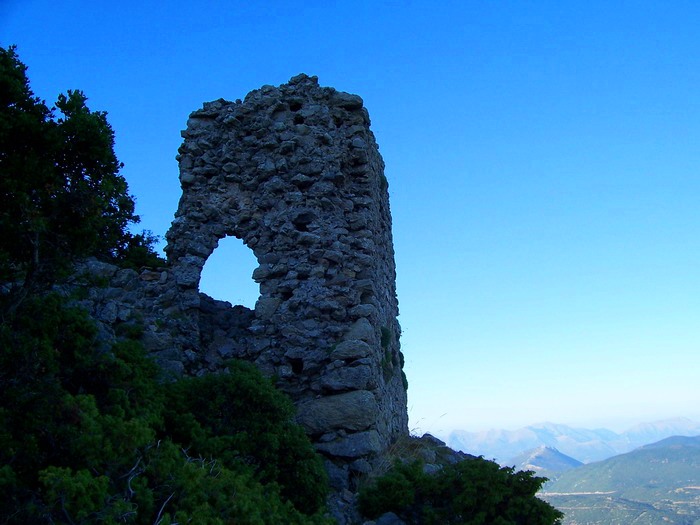
The Castle of Tartaris is currently classified as a hill castle and its preservation status is not definitively recorded, but many similar castles in Greece exist as ruins or partially preserved structures. The remnants typically include sections of walls, foundations, and occasionally towers. Preservation efforts in the region focus on maintaining these historical sites for cultural heritage and tourism.
Accessibility and tourism potential
Given its historical significance and scenic location, the Castle of Tartaris holds potential as a cultural tourism destination. Visitors interested in medieval military architecture and Greek history may find the site intriguing, especially if combined with exploration of the surrounding landscape. Accessibility may vary depending on the exact location and condition of the castle remains.
Frequently asked questions (FAQ)
- What is the historical significance of the Castle of Tartaris?
- The Castle of Tartaris served as a strategic hilltop fortress during the medieval period in Greece, playing a role in regional defense and control of important routes.
- How can I visit the Castle of Tartaris?
- The exact location of the Castle of Tartaris is not well documented, so visitors should research local resources or contact regional tourism offices for guidance on access.
- What architectural features are typical of the Castle of Tartaris?
- Typical features include thick stone walls, battlements, towers for surveillance, and a gatehouse, all adapted to the hilltop terrain for defense.
Photo gallery

Information
Loading map...
Visitor reviews
No reviews yet. Been here? Write the first review and help other travelers!
Write the first reviewVisited this castle? Share your experience
Your review helps other travelers and adds first-hand knowledge to our encyclopedia.