Kalaja
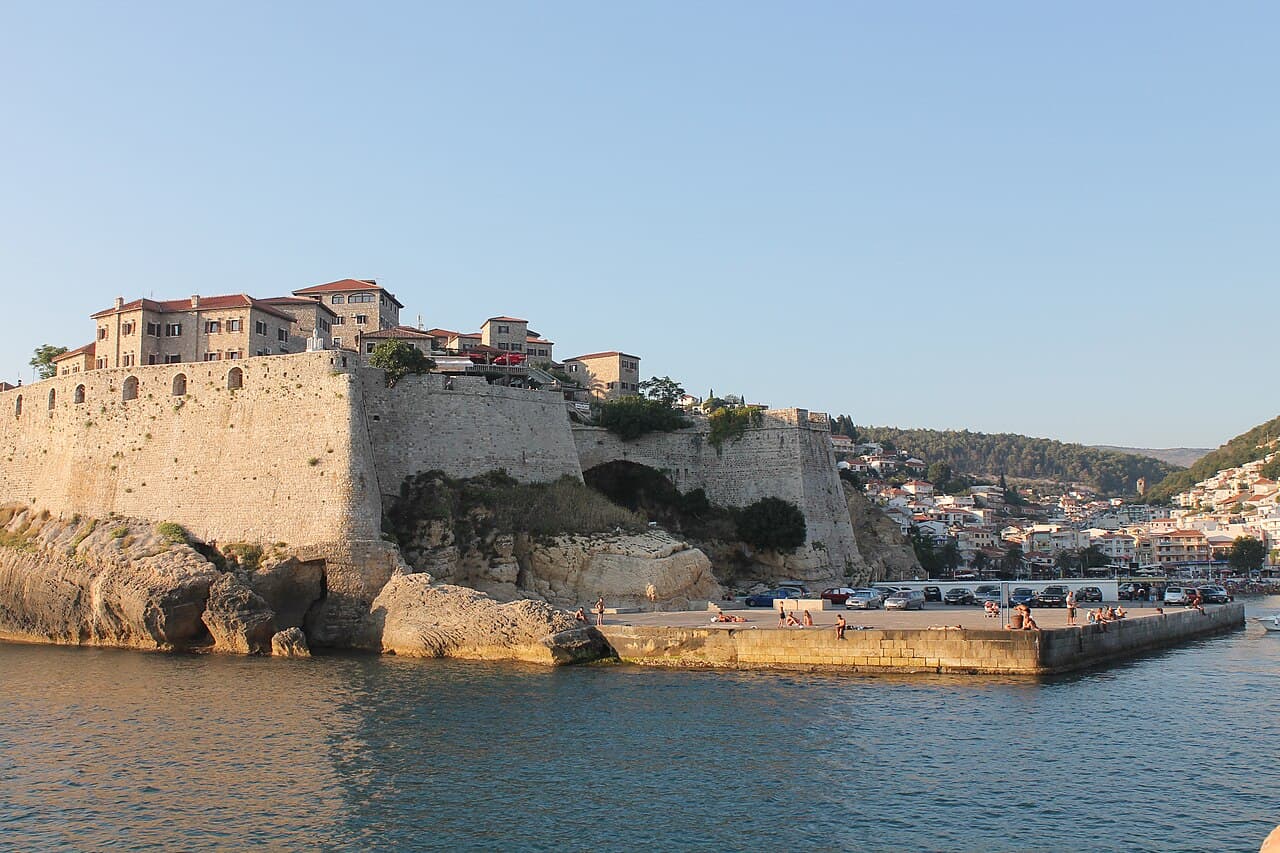
Kalaja, also known as Ulcinj Castle or Ulcinj Old Town, is a historic hill castle located in the coastal town of Ulcinj, Montenegro. This ancient fortress occupies a small peninsula on the right side of the Pristan Gulf, part of the Adriatic Sea. Its strategic position provided natural defense and control over maritime routes, making it a significant stronghold throughout history.
Ancient origins and early construction
The castle's origins trace back to the Illyrians, an ancient people who inhabited the western Balkans. The earliest surviving architectural feature is the Cyclopean Wall, a massive stone fortification built using large, irregularly shaped limestone blocks fitted without mortar. This technique reflects the construction methods typical of the pre-Roman period and demonstrates the fortress's antiquity.
Medieval transformations and cultural influences
Over the centuries, Kalaja underwent numerous restorations and modifications by successive rulers. The Byzantines enhanced the fortifications as part of their defensive network along the Adriatic coast. Later, the Serbs controlled the castle, adding elements consistent with medieval Balkan military architecture.
The Venetians further fortified the castle during their maritime dominance in the Adriatic, introducing Renaissance military architectural features such as bastions and artillery platforms to adapt to evolving warfare technologies. Following the Venetian period, the Ottomans made significant changes, including the construction of new walls, gates, and possibly religious buildings within the castle complex, reflecting Ottoman architectural styles and administrative functions.
Architectural features and layout
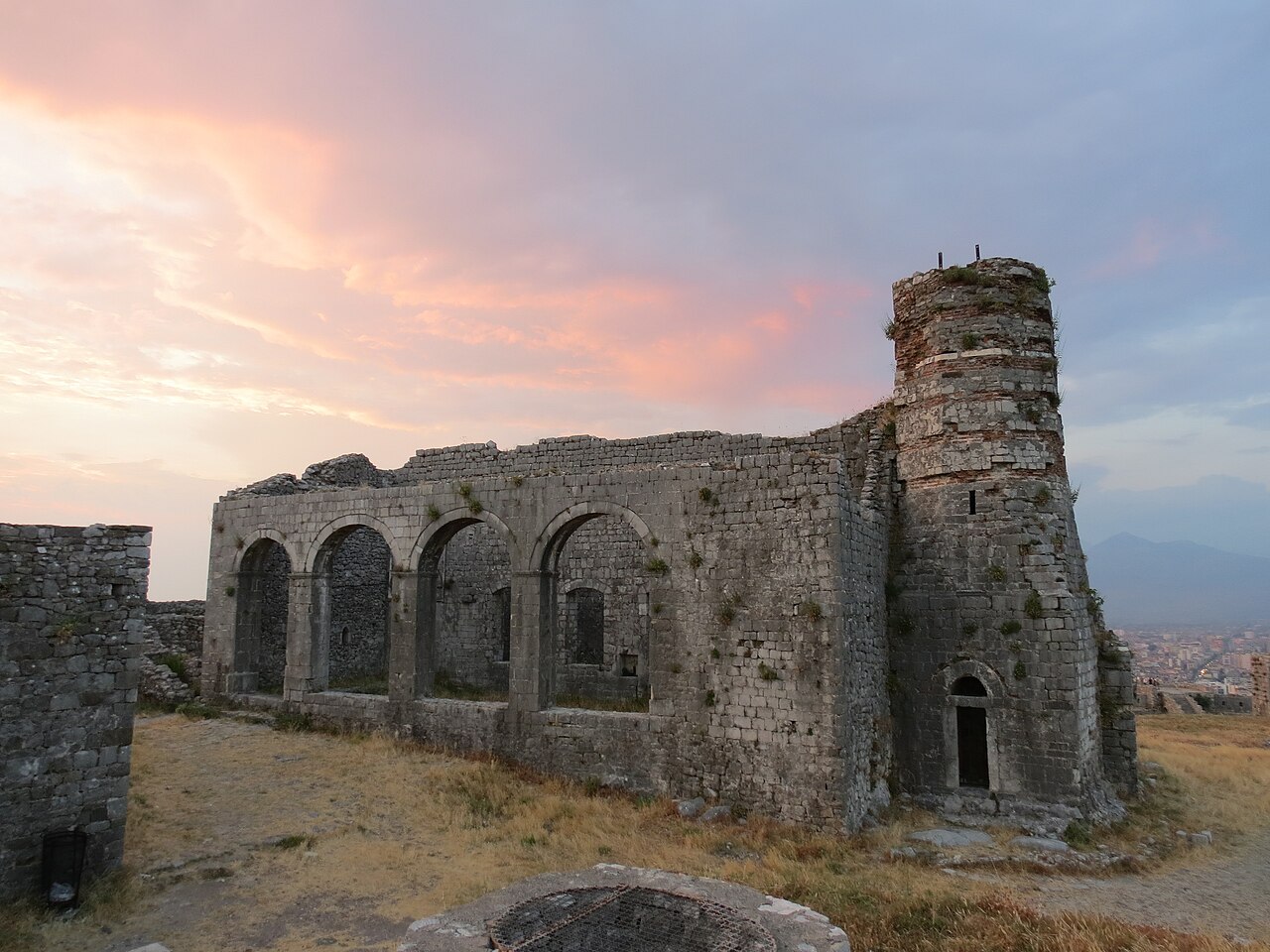
The castle complex includes multiple defensive layers, with thick stone walls, towers, and gates that illustrate the evolution of military architecture from antiquity through the medieval and early modern periods. The Cyclopean Wall remains a prominent feature, showcasing the ancient foundation upon which later structures were built.
Within the castle, there are remnants of residential quarters, public spaces, and possibly religious structures, indicating that Kalaja functioned not only as a military fortress but also as a fortified town. The castle's elevated position offers commanding views of the surrounding sea and landscape, underscoring its strategic importance.
Historical significance and cultural heritage
Kalaja's long history reflects the complex cultural and political dynamics of the Adriatic region. It served as a key defensive and administrative center under various powers, including Illyrians, Byzantines, Serbs, Venetians, and Ottomans. This layered history is visible in the castle's architecture and archaeological remains.
Today, Kalaja is a symbol of Ulcinj's rich heritage and multicultural past. The castle area remains inhabited, predominantly by Albanians, preserving the living connection between the historic fortress and the contemporary community.
Preservation and tourism
Although Kalaja has been restored multiple times, it retains much of its historic character. The castle is classified as a hill castle and is partially preserved, with archaeological remains accessible to visitors interested in exploring its extensive history and architecture.
Visitors can explore the ancient walls, towers, and narrow streets of the old town within the castle, gaining insight into the defensive strategies and daily life of its past inhabitants. The site also offers panoramic views of the Adriatic coast, enhancing its appeal as a cultural and historical destination.
Location and context
Kalaja is situated in the town of Ulcinj, in the Coastal region of Montenegro. The modern city of Ulcinj has expanded beyond the castle's original boundaries, but the fortress remains a distinct historic core, preserving the town's medieval and ancient heritage amidst contemporary development.
Frequently asked questions (FAQ)
- How do I get to Kalaja Castle?
- Kalaja Castle is located in Ulcinj, Montenegro, and can be reached by various means of transportation. Visitors can drive or take a local bus to Ulcinj, and the castle is a short walk from the town center, offering stunning views of the Adriatic Sea along the way.
- What is the historical significance of Kalaja Castle?
- Kalaja Castle, also known as Ulcinj Castle, dates back to the 5th century and has significant historical importance as a strategic fortress throughout various periods, including Roman and Ottoman rule. It played a crucial role in defending the region and is a symbol of Ulcinj’s rich cultural heritage.
- When was Kalaja Castle built?
- The construction of Kalaja Castle began in the 5th century, with various renovations taking place over the centuries. The castle reflects different architectural styles due to the various civilizations that occupied it, making it a fascinating site for history enthusiasts.
- Can I visit Kalaja Castle year-round?
- Yes, Kalaja Castle is open to visitors year-round, although the best time to visit is during the spring and fall when the weather is mild. Summer can be quite hot, but the castle’s elevated position provides a refreshing breeze and stunning views of the coastline.
- Why is Kalaja Castle a popular tourist attraction?
- Kalaja Castle is popular due to its breathtaking views, rich history, and impressive architecture. Visitors are drawn to explore its ancient walls, enjoy the panoramic vistas of the Adriatic Sea, and learn about the various cultures that influenced the region.
- Is it possible to access Kalaja Castle with mobility aids?
- While Kalaja Castle is accessible to visitors, it is important to note that the terrain can be uneven and include steps. Those with mobility aids may find some areas challenging, so it is advisable to plan ahead and consider visiting with a companion for assistance.
- What are the opening hours for Kalaja Castle?
- Kalaja Castle typically opens to visitors from 9 AM to 7 PM during the peak tourist season, with adjusted hours in the off-peak months. It is recommended to check local listings or the castle’s official website for the most up-to-date information before your visit.
- How much does it cost to enter Kalaja Castle?
- The entrance fee for Kalaja Castle is quite affordable, making it accessible to a wide range of visitors. As of the latest information, tickets are approximately 2-3 euros, and children under a certain age may be granted free entry.
- What nearby attractions can I visit while in Ulcinj?
- While visiting Kalaja Castle, you can also explore the beautiful beaches of Ulcinj, such as Velika Plaža, and the charming Old Town with its narrow streets and local shops. Additionally, the nearby Ada Bojana, a river island, offers unique natural beauty and activities for outdoor enthusiasts.
Photo gallery

Information
Loading map...
Visitor reviews
No reviews yet. Been here? Write the first review and help other travelers!
Write the first reviewVisited this castle? Share your experience
Your review helps other travelers and adds first-hand knowledge to our encyclopedia.