Kägleholm Castle Ruins
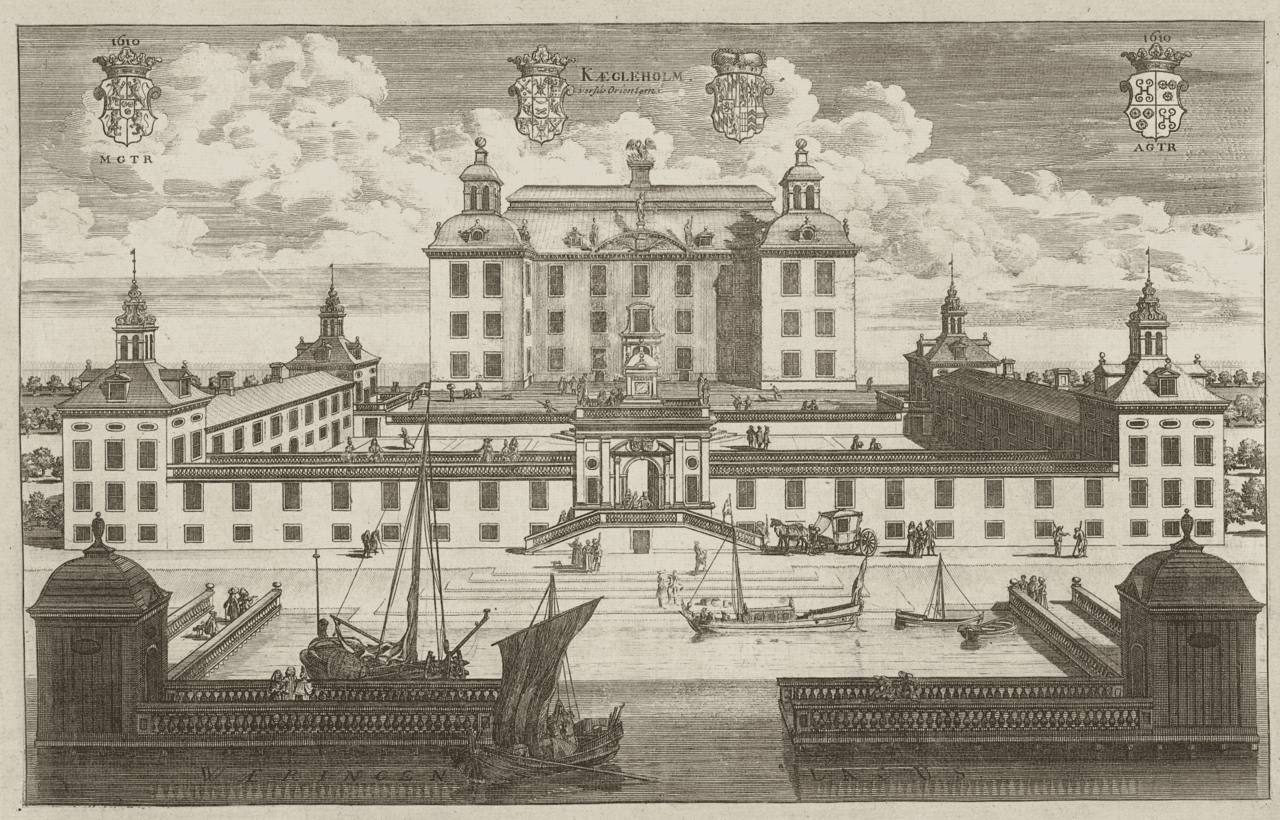
Kägleholm Castle, located in Kägleholm, Örebro County, Sweden, is a notable example of a Renaissance period noble residence that now stands as a ruin. The castle's history is brief but significant, reflecting the ambitions and architectural trends of 17th-century Swedish aristocracy. Originally an estate that became a manor in 1541, it was named Kägleholm and later transformed into a grand castle in the late 17th century.
Construction and architectural design
The castle was constructed in the 1670s under the ownership of Chancellor Magnus Gabriel de la Gardie (1622–1686), one of the most influential statesmen and noblemen of Sweden during that era. De la Gardie inherited the estate in 1674 and commissioned the construction of the castle, which was completed by 1680. The design of Kägleholm Castle is attributed to Nicodemus Tessin the Elder, a prominent architect who played a key role in introducing Baroque architectural elements to Sweden, although the castle itself is classified as Renaissance in style due to its period and structural characteristics.
The castle was built as a stately residence with features typical of the period, including a symmetrical layout, large windows, and ornate detailing. While detailed architectural plans have not survived, the involvement of Tessin the Elder suggests the castle incorporated elements of grandeur and classical influence, blending Renaissance form with emerging Baroque aesthetics.
Historical significance and ownership
Magnus Gabriel de la Gardie was a key figure in Swedish politics and culture, and his ownership of Kägleholm Castle reflects his status and wealth. The castle served as a symbol of his power and influence, situated within the region of Örebro County, which was strategically important during the 17th century.
Despite its prominence, Kägleholm Castle had a short-lived history as a noble residence. After de la Gardie's death in 1686, the castle remained in the family but did not see significant expansion or renovation.
The fire of 1712 and decline
In 1712, a devastating fire broke out at Kägleholm Castle, causing extensive damage. The fire destroyed much of the structure, and the castle was never rebuilt. This event marked the end of Kägleholm Castle as a residence and led to its gradual decline.
Today, only the cellar ruins remain visible on the site, providing archaeological insight into the castle's original footprint and construction techniques. The ruins are an important cultural heritage site, reflecting the architectural ambitions of Swedish nobility in the late Renaissance period.
Present-day status and cultural heritage
Kägleholm Castle ruins are classified as archaeological ruins and are protected as a historical site. The remains offer valuable information for historians and archaeologists studying the period's architecture and noble life. Visitors to the site can explore the cellar ruins and gain an understanding of the castle's layout and scale.
The site is part of the broader historical landscape of Örebro County, which includes several other castles and manors from various periods. Kägleholm Castle's ruins contribute to the region's rich cultural tapestry and serve as a reminder of the transient nature of architectural grandeur.
Architectural legacy of Nicodemus Tessin the Elder
Nicodemus Tessin the Elder was a leading architect of his time, known for his role in shaping Swedish architecture during the 17th century. His work at Kägleholm Castle, although now lost to fire, is part of his broader legacy that includes several important palaces and castles across Sweden.
Tessin's influence helped transition Swedish architecture from Renaissance styles towards the Baroque, emphasizing symmetry, classical proportions, and decorative elements. Kägleholm Castle embodied these principles, marking it as an important example of this architectural evolution.
Frequently asked questions (FAQ)
- What is the historical significance of Kägleholm Castle Ruins?
- Kägleholm Castle Ruins date back to the 16th century and are a notable example of Renaissance architecture in Sweden. The castle was built by the noble family of Oxenstierna and played an important role in the region's history, particularly during the period of Swedish nobility.
- When was Kägleholm Castle constructed?
- Construction of Kägleholm Castle began in the early 1600s, with its completion occurring later in that century. The castle has undergone various renovations over the years, but much of its original structure remains intact, allowing visitors to glimpse its historical grandeur.
- Can I visit Kägleholm Castle Ruins year-round?
- Yes, Kägleholm Castle Ruins are accessible to visitors year-round. However, the best time to visit is during the warmer months from May to September when the weather is pleasant and guided tours may be available.
- Is Kägleholm Castle Ruins accessible for people with disabilities?
- The castle ruins are located in a natural setting, and while there are some pathways, accessibility may be limited. Visitors with mobility challenges are advised to contact local tourism services for specific information regarding access to the site.
- What are the opening hours for Kägleholm Castle Ruins?
- Kägleholm Castle Ruins are open to visitors daily, with specific hours varying by season. It’s recommended to check the local tourism website for the most up-to-date information on opening hours before planning your visit.
- Are there any ticket prices for visiting Kägleholm Castle Ruins?
- There is no entry fee to visit Kägleholm Castle Ruins, making it an affordable destination for history enthusiasts. However, guided tours may have associated costs, so it’s best to inquire in advance.
- What are some nearby attractions to Kägleholm Castle Ruins?
- Visitors to Kägleholm Castle Ruins can explore other nearby attractions such as the city of Örebro, with its impressive Örebro Castle and charming city center. The surrounding nature also offers opportunities for hiking and enjoying scenic views.
- When is the best time to visit Kägleholm Castle Ruins?
- The ideal time to visit Kägleholm Castle Ruins is during the late spring to early fall, particularly from May to September. This period provides the best weather for outdoor exploration and the opportunity to enjoy the beautiful natural surroundings.
Photo gallery

Information
Loading map...
Visitor reviews
No reviews yet. Been here? Write the first review and help other travelers!
Write the first reviewVisited this castle? Share your experience
Your review helps other travelers and adds first-hand knowledge to our encyclopedia.