Kaesong Walls
The Kaesong walls are an extensive fortification system encircling the historic city of Kaesong in North Korea, originally built to protect the royal palace complex of Manwoldae. Stretching approximately 23 kilometers, these walls represent a significant example of hill castle defensive architecture from the High Medieval period, primarily constructed during the 11th century. They are notable for their integration with the natural landscape, following the traditional Korean practice of utilizing geomancy principles to enhance defensive capabilities.
Historical development and construction phases
The earliest fortifications on the site likely date back to the Silla period, with small earth walls providing initial defense. The first major construction phase began in 919 AD with the building of the inner walls. These initial walls were primarily made of beaten earth, characteristic of early Korean fortifications.
Between 1009 and 1029, the outer walls were constructed, expanding the defensive perimeter significantly. These walls were also earthen initially but underwent substantial rebuilding and reinforcement in the 14th century during the Koryo dynasty, when many sections were reconstructed using stone masonry. This transition from earth to stone walls greatly enhanced the durability and defensive strength of the fortifications.
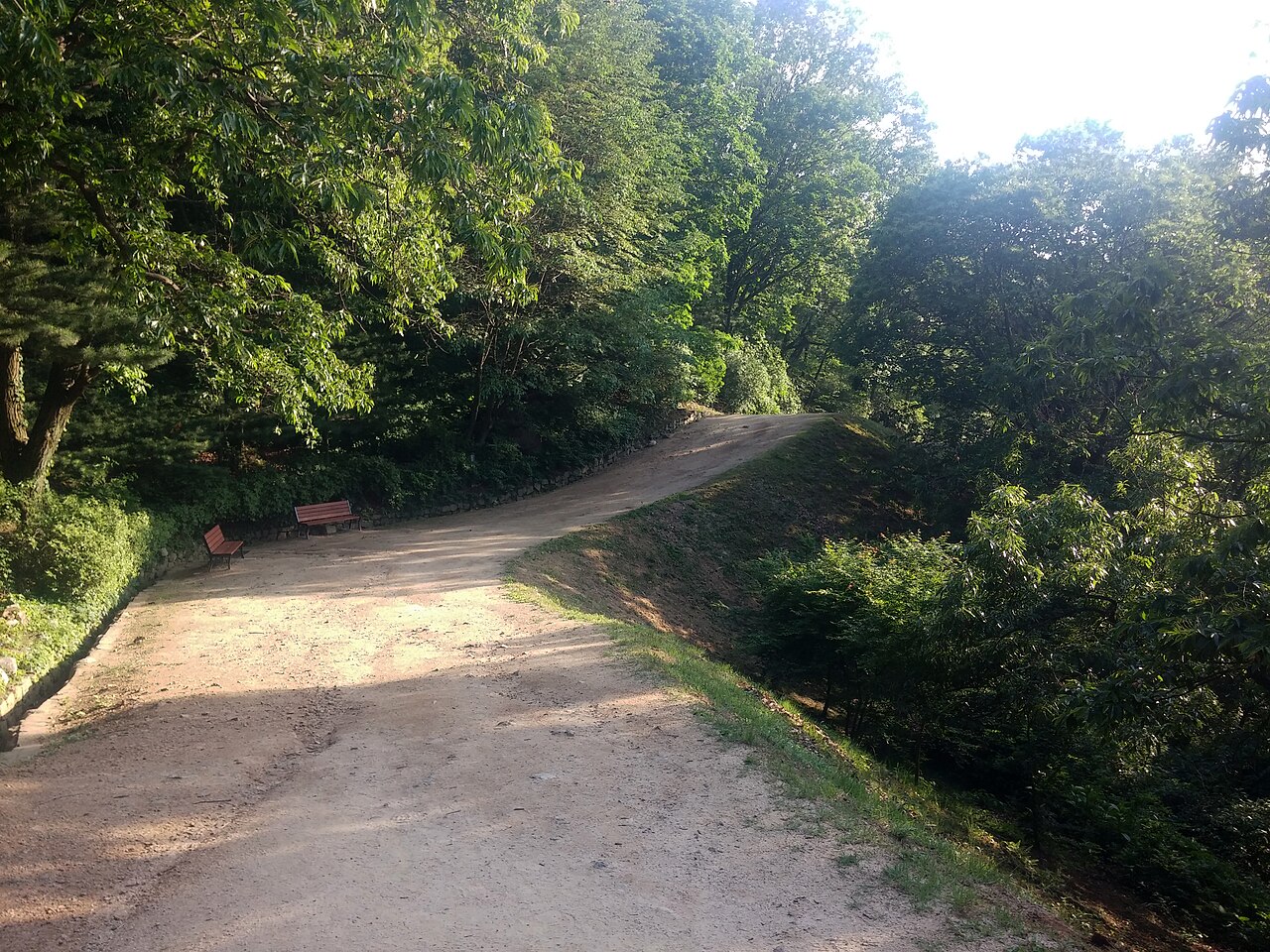
Today, large portions of the stone walls remain well-preserved, while remnants of the original earthen walls are still visible in several sections. The exterior walls primarily date from the 11th century, while the interior walls reflect the later 14th-century stone reconstruction efforts.
Architectural features and defensive design
The walls were strategically built along the crests of hills surrounding the city, a common hill castle design in Korea that maximized natural topographical advantages. This positioning allowed defenders to monitor and control approaches from a height, making assaults more difficult.
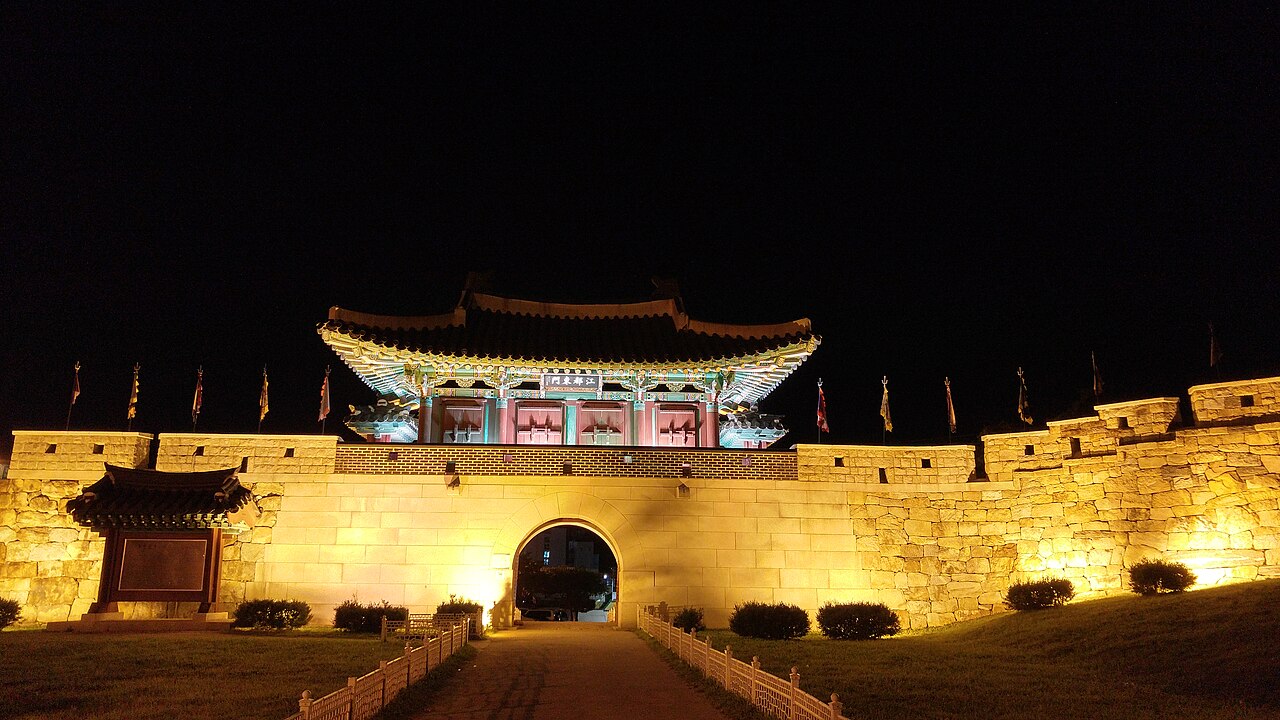
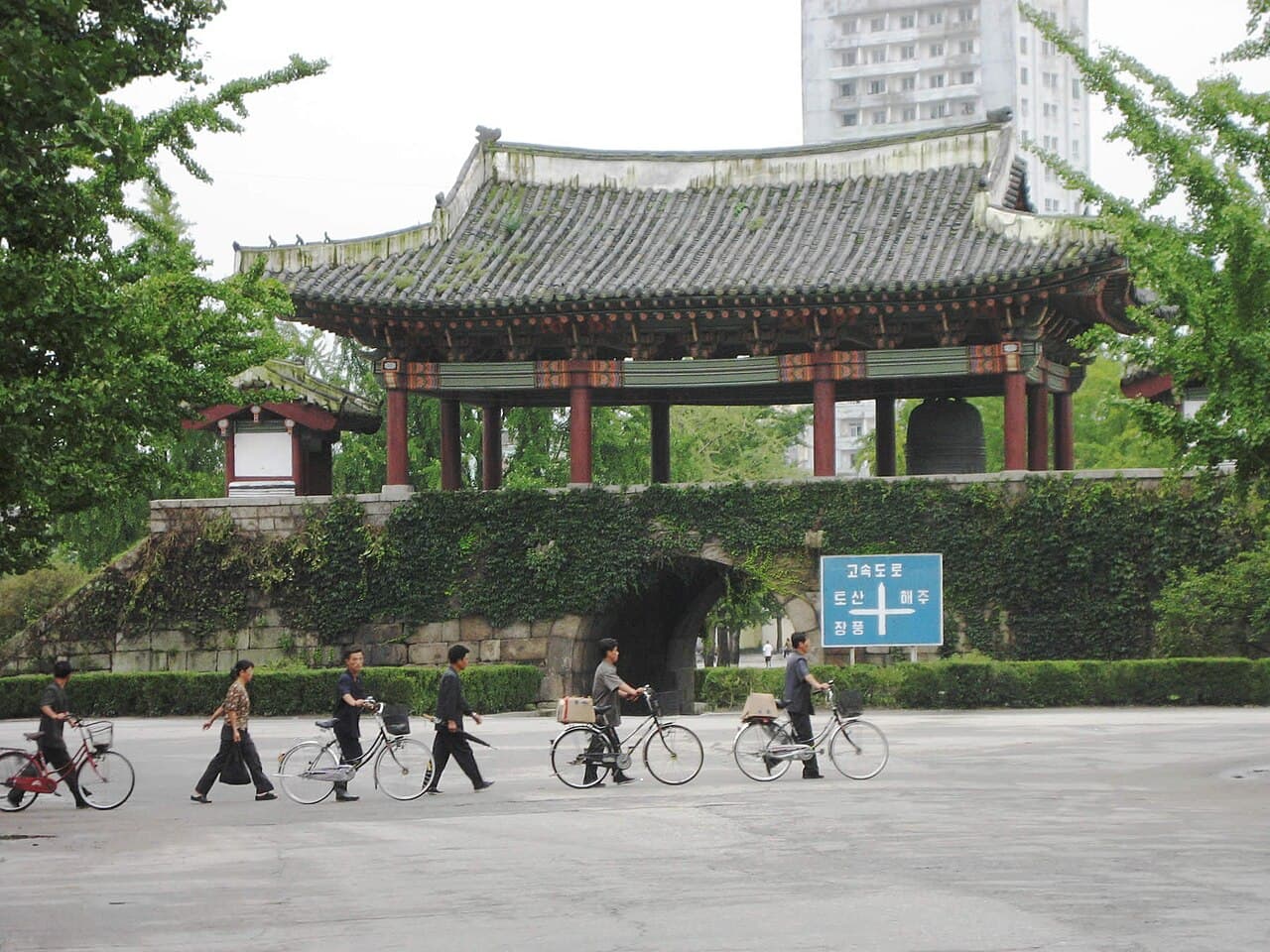
The fortifications included approximately twenty gates, many of which have survived to the present day. These gates served as controlled entry points and were often fortified with additional defensive structures such as gatehouses and watchtowers. The walls themselves featured battlements and other military architectural elements typical of Korean fortifications of the period.
Cultural and heritage significance
The Kaesong walls are recognized as a National Treasure of North Korea due to their historical, architectural, and cultural importance. They provide valuable insight into medieval Korean urban defense strategies and the evolution of fortification techniques over several centuries.
Surrounding the royal palace of Manwoldae, the walls not only served a military purpose but also symbolized the authority and prestige of the Koryo dynasty, which ruled Korea during a formative period of its history.
Preservation and current condition
While the walls are partially preserved, ongoing efforts aim to maintain and protect this monumental structure. The surviving stone sections remain robust and accessible to visitors, offering a tangible connection to Korea's medieval past. The earthen walls, though more vulnerable to erosion, still mark the original defensive perimeter and contribute to the site's archaeological value.
Visitors to Kaesong can explore various sections of the walls and gates, experiencing firsthand the scale and strategic ingenuity of this hill castle fortification system.
Frequently asked questions (FAQ)
- What is the historical significance of the Kaesong walls?
- The Kaesong walls are a major medieval fortification system protecting the royal city and palace of Manwoldae, reflecting Korean defensive architecture from the 11th century onward.
- Can visitors access the Kaesong walls today?
- Yes, many sections of the Kaesong walls, including several gates and stone fortifications, are partially preserved and open for visitors to explore.
- How were the Kaesong walls constructed?
- The walls were initially built using beaten earth during the early phases, with significant 14th-century reconstruction using stone, following Korean geomancy principles on hill crests for defense.
- How long are the Kaesong walls?
- The walls extend approximately 23 kilometers, encircling the royal palace and the historic city of Kaesong.
- Why were the walls built on hills?
- Building the walls on hill crests allowed defenders to use natural topography for surveillance and defense, a common strategy in Korean hill castles.
Photo gallery

Information
Loading map...
Visitor reviews
No reviews yet. Been here? Write the first review and help other travelers!
Write the first reviewVisited this castle? Share your experience
Your review helps other travelers and adds first-hand knowledge to our encyclopedia.