Haengjusanseong — South Korea castle

Haengjusanseong

Haengjusanseong fortress in Goyang, South Korea
Goyang, South Korea
Renaissance (15th–17th c.)
Well Preserved

Haengjusanseong (Korean: 행주산성; Hanja: 幸州山城) is a significant bastioned fortress located in the Deogyang District of Goyang, South Korea. Recognized as a Historic Site of South Korea No. 56 since January 21, 1963, this fortress embodies a rich history spanning several Korean dynasties and pivotal conflicts.

The fortress's origins trace back to the Three Kingdoms of Korea period, likely constructed around the mid-7th century. Its strategic position atop a mountain provided a natural defense advantage, which was enhanced over centuries through multiple reconstructions during the Goryeo and Joseon periods. This layered history reflects the fortress's enduring military importance in Korean history.

Historical significance and military role

Haengjusanseong is most renowned for its role in the 1593 Battle of Haengju, a decisive engagement during the Imjin War (1592–1598) when Korean forces successfully repelled Japanese invaders. The fortress's robust stone walls and bastions played a critical role in the defense, showcasing advanced military architecture of the period.

The battle highlighted the leadership of General Kwŏn Yul, whose strategic use of the fortress's defenses contributed significantly to the Korean victory. To commemorate this event, a monument to the Battle of Haengju was erected in 1603 at the mountain's summit, serving as a lasting tribute to the defenders' valor.

Architectural features and restoration efforts

Haengjusanseong exemplifies a bastioned fortress design, characterized by angled bastions projecting from the curtain walls, allowing defenders to cover adjacent walls with crossfire. This style reflects military architectural advancements during the Renaissance period in East Asia, adapted to Korean terrain and warfare needs.

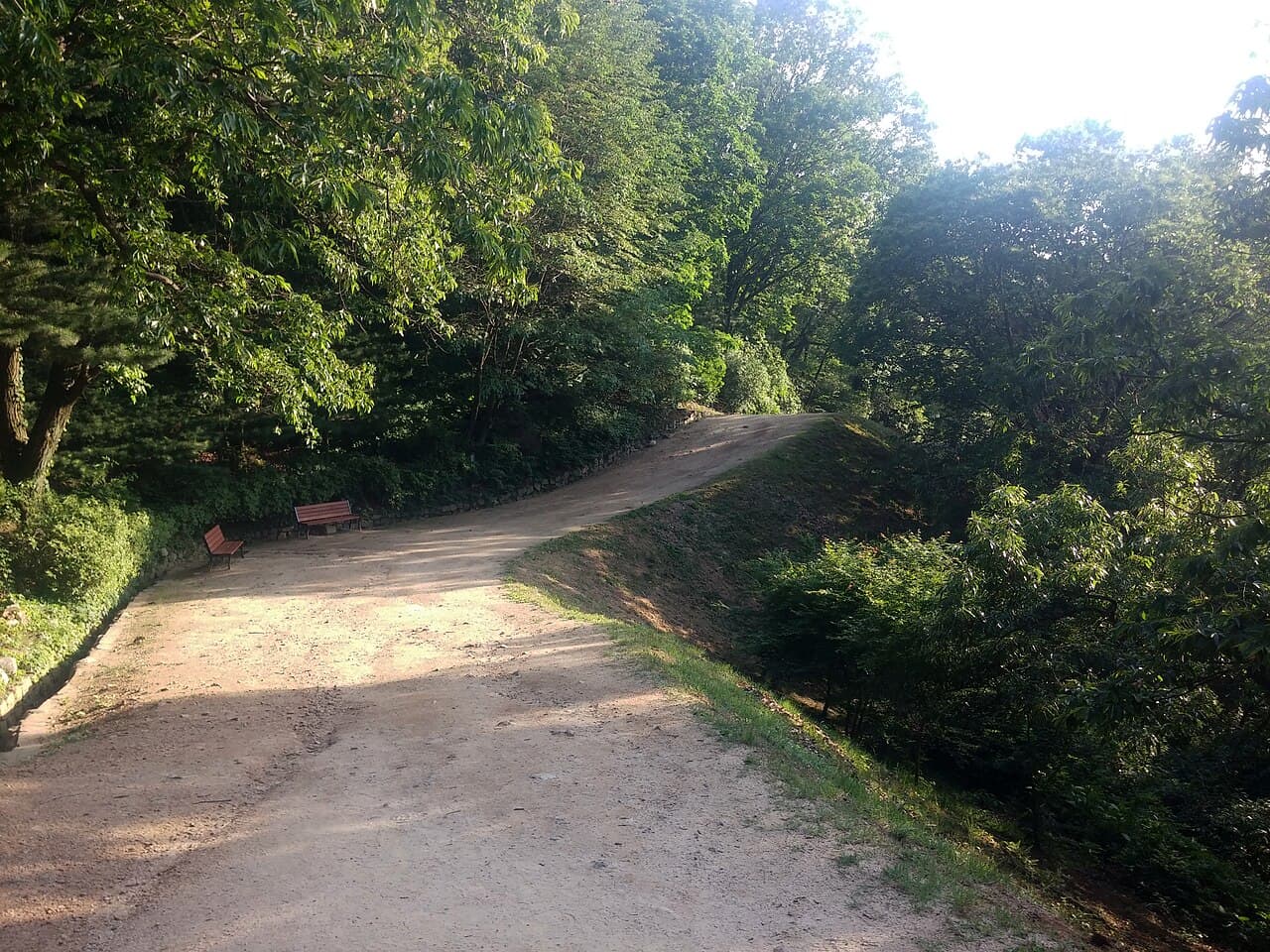
The fortress walls are constructed primarily of stone, integrating natural rock formations to enhance strength and durability. The complex includes gates, watchtowers, and defensive platforms strategically placed to maximize visibility and control over the surrounding landscape.

Archaeological excavations began in 1991, revealing the fortress's complex construction history. Subsequent investigations in 2000, 2016, 2017, and 2019 uncovered evidence of multiple rebuilds and repairs spanning the Goryeo and Joseon dynasties. Restoration efforts have aimed to preserve the fortress's structural integrity while maintaining historical authenticity.

Cultural landmarks within the fortress

Within the fortress grounds lies Chungjangsa temple, which houses a portrait of General Kwŏn Yul. This temple serves both as a religious site and a memorial honoring the general's leadership during the Battle of Haengju. The temple and monument contribute to the fortress's cultural and historical significance, attracting visitors interested in Korea's military heritage.

Visitor experience and significance today

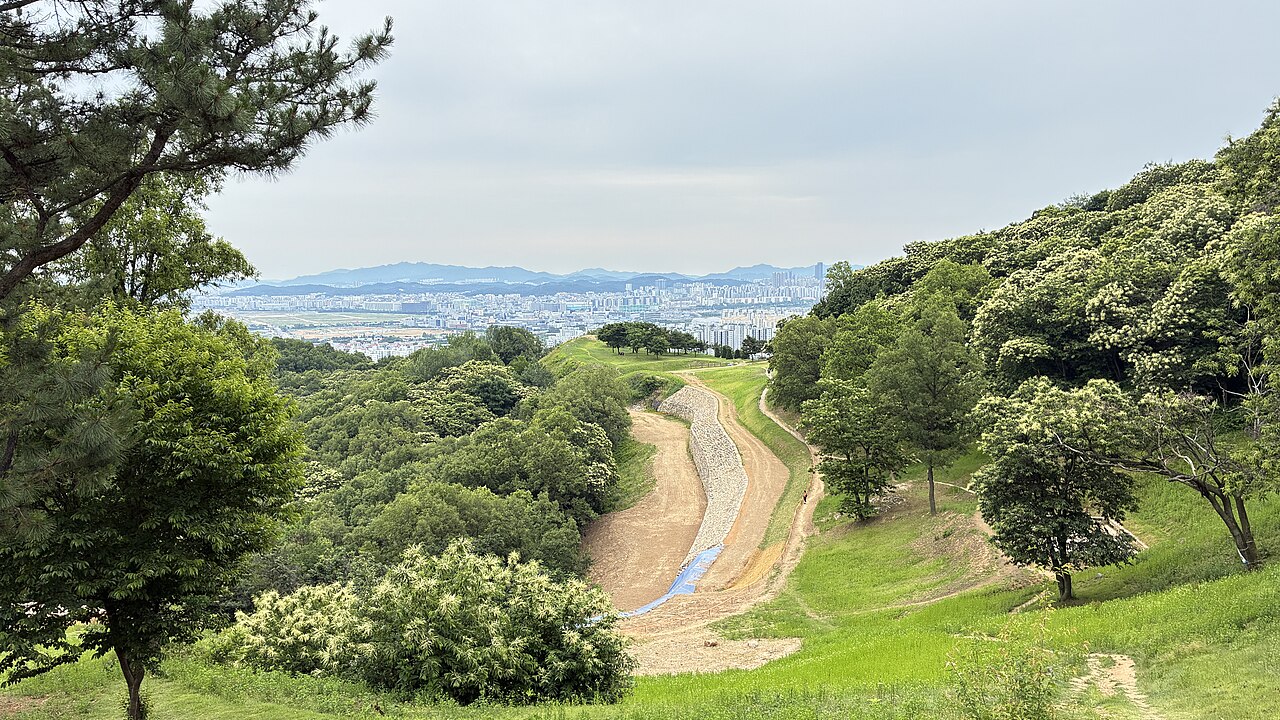
Today, Haengjusanseong stands as a well-preserved cultural heritage site, offering visitors insight into Korea's military architecture and history. The fortress's elevated position provides panoramic views of the surrounding region, enhancing its appeal as a tourist destination.

Visitors can explore the extensive stone walls, bastions, and gates, gaining an appreciation for the fortress's defensive design. Educational signage and guided tours often highlight the historical context of the fortress, the Battle of Haengju, and the significance of General Kwŏn Yul's leadership.

Haengjusanseong remains a symbol of Korean resilience and ingenuity in fortress construction, preserving a tangible link to the country's past conflicts and architectural evolution.

Frequently asked questions (FAQ)

What is Haengjusanseong?
Haengjusanseong is a historic mountain fortress located in Goyang, South Korea. It dates back to the 6th century and served as a strategic military site throughout various dynasties, particularly during the Goryeo and Joseon periods.
When was Haengjusanseong built?
The construction of Haengjusanseong began in the 6th century, during the Three Kingdoms period of Korea. It was built to defend the region and has since played a significant role in Korea's military history.
How do I get to Haengjusanseong?
Haengjusanseong is easily accessible by public transportation. Visitors can take the subway to the Haengju station and then a short bus ride or taxi to the castle entrance.
What are the opening hours for Haengjusanseong?
Haengjusanseong is open to visitors year-round, typically from 9 AM to 6 PM. However, it's advisable to check for any seasonal changes or special closures before planning your visit.
Can I take guided tours at Haengjusanseong?
Yes, guided tours are available at Haengjusanseong, providing visitors with insights into the castle's history and architecture. These tours are highly recommended for a deeper understanding of the site's significance.
Is it possible to visit Haengjusanseong with children?
Absolutely! Haengjusanseong is family-friendly and offers a range of activities suitable for children. The open spaces and historical context make it an engaging experience for visitors of all ages.
What is the best time to visit Haengjusanseong?
The best time to visit Haengjusanseong is during the spring and autumn months when the weather is mild and the scenery is particularly beautiful. These seasons also offer stunning views of the surrounding nature and foliage.
Are there any nearby attractions to visit?
Yes, nearby attractions include the Goyang One Mount Water Park and Lake Park, which are perfect for family outings. Additionally, the area is rich in other historical sites and scenic spots, making it a great place for a day trip.
What are the ticket prices for Haengjusanseong?
Admission to Haengjusanseong is generally free, allowing visitors to explore the grounds without any cost. However, there may be fees for guided tours or special events, so it's best to check in advance.

Photo gallery

Haengjusanseong
Click to view

Photo by IRTC1015•Public domain

1 photo • Click any image to view in full screen

Information

Bastioned Fortress

Loading map...

Visitor reviews

No reviews yet. Been here? Write the first review and help other travelers!

Write the first review

Visited this castle? Share your experience

Your review helps other travelers and adds first-hand knowledge to our encyclopedia.
Write a review

(5/5)

0/2000 characters

Your review will be visible after admin approval

Nearby castles

11.2 km
Gyeyangsanseong Fortress — South Korea castle

Gyeyangsanseong Fortress

, South Korea

Gyeyangsanseong Fortress is a significant bastioned fortress located in South Korea, known for its strategic placement on mountainous terrain. This fortress exemplifies military architecture adapted to the natural landscape, utilizing the rugged topography of the Gyeyang Mountain area to enhance its defensive capabilities. The fortress walls, constructed primarily from stone, follow the contours of the mountain ridges, creating a formidable barrier against potential invaders. Historical context and significance Constructed during a period when fortifications were essential for regional defense, Gyeyangsanseong Fortress played a crucial role in protecting local settlements and military outposts. While the exact date of construction is not definitively recorded, it is associated with the military strategies of the Joseon Dynasty, which ruled Korea from the 14th to the early 20th century. The fortress served as a defensive stronghold against invasions and raids, particularly during times of conflict with neighboring states and internal uprisings. Architectural features and layout The fortress is characterized by its extensive stone walls that stretch over the mountain ridges, incorporating natural rock formations into the structure. These walls include bastions—projecting parts of the fortification designed to enable defenders to cover adjacent walls with gunfire, reflecting the adaptation to evolving military technology such as firearms. The design of Gyeyangsanseong Fortress demonstrates a blend of traditional Korean fortification techniques with influences from later military architectural developments. Defensive elements Key defensive features include strategically placed watchtowers and gatehouses that controlled access and provided vantage points for surveillance. The fortress also incorporates moats or natural barriers where possible, enhancing its defensive perimeter. The walls are thick and robust, constructed to withstand sieges and artillery attacks. Integration with the natural environment One of the fortress's most notable characteristics is its harmony with the mountainous landscape. The builders utilized the steep slopes and rocky outcrops to minimize construction where natural defenses sufficed, reducing the need for extensive masonry in some sections. This approach not only conserved resources but also made the fortress more difficult to assault. Current condition and cultural importance Today, Gyeyangsanseong Fortress remains a partially preserved historical site, with sections of its walls and bastions still visible. Restoration efforts have aimed to maintain the integrity of the fortress while allowing visitors to appreciate its historical and architectural significance. The site is valued both as a cultural heritage monument and as an example of Korea's military architecture during the Joseon period. Visiting Gyeyangsanseong Fortress Visitors to the fortress can explore the remaining walls and enjoy panoramic views of the surrounding landscape from the elevated positions within the fortress. The site offers insight into the defensive strategies employed in Korean fortifications and provides a tangible connection to the country's historical military past. Access and facilities The fortress is accessible by hiking trails that traverse the mountainous terrain. Visitors are advised to wear appropriate footwear and prepare for uneven paths. Interpretive signage and guided tours may be available to enhance the educational experience. Nearby attractions In addition to the fortress itself, the surrounding region offers natural beauty and cultural sites, making it a worthwhile destination for those interested in history, architecture, and nature.

Post-Renaissance (17th–18th c.)
Details
13.3 km
Namdaemun — South Korea castle

Namdaemun

Seoul, South Korea

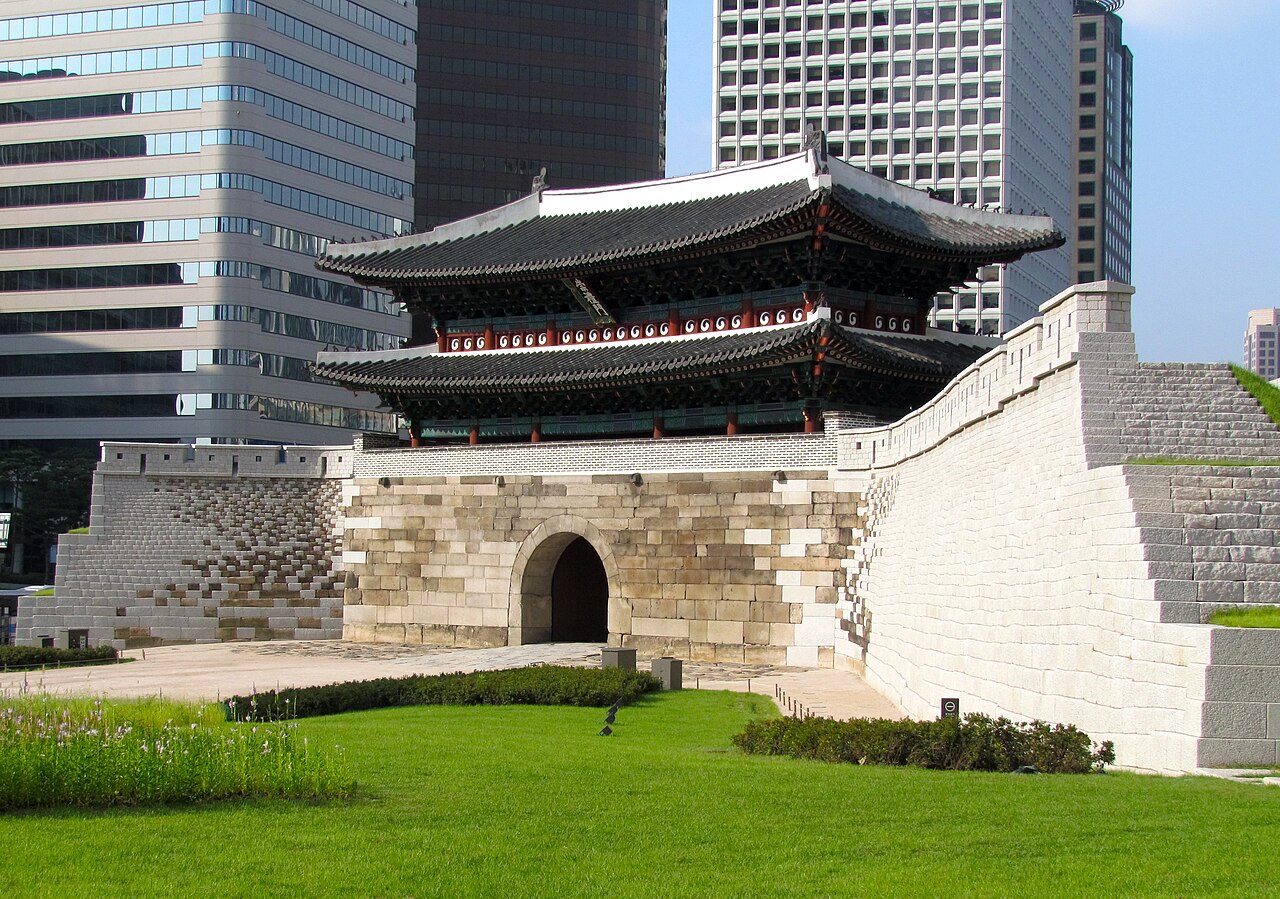
Namdaemun, also known as the Sungnyemun ("Honoring Propriety Gate"), is a significant historic monument located in the Jung District of Seoul, South Korea. Serving as the southern gate of the original Eight Gates of Seoul, it formed a crucial part of the Seoul City Wall that marked the boundaries of the capital during the Joseon dynasty. This gate stands as a testament to Korea's late medieval fortification architecture and urban planning traditions.Constructed in 1398, the final year of King Taejo's reign, Namdaemun is one of the oldest surviving wooden structures in Seoul. Its architectural form follows a traditional pagoda-style gateway, characterized by a two-tiered wooden pavilion atop a massive stone base. The gate was rebuilt in 1447 after damage, reaffirming its role as a defensive and ceremonial entrance.Architectural features and designThe structure combines a robust stone fortress base with an elegant wooden superstructure. The stone walls are thick and tall, designed to withstand sieges and protect the city. Rising above is the wooden pavilion with gracefully curved eaves, intricately painted brackets, and tiled roofs typical of Joseon-era architecture. The gate's defensive features include bastioned elements integrated into its design, enabling defenders to protect the entrance effectively.The gate originally formed part of a larger stone circuit wall around Seoul, which extended approximately 18.2 kilometers (11.3 miles) and stood up to 6.1 meters (20 feet) high. Namdaemun was one of the three major gateways through this wall, controlling access to the city and serving as a symbol of royal authority and protection.Historical significance and eventsNamdaemun has witnessed centuries of Korean history, including invasions, political changes, and urban development. It was designated as South Korea's first National Treasure, reflecting its cultural and historical importance. The gate's location next to the bustling Namdaemun Market, one of Seoul's oldest and largest markets, highlights its continuing relevance as a cultural landmark.In 2008, the gate suffered severe damage due to an arson attack that destroyed much of the wooden pavilion. This event sparked a nationwide effort to restore the monument faithfully. Restoration work began in February 2010 and was completed by April 2013. The gate was officially reopened to the public on 4 May 2013, restored to its historical appearance using traditional materials and techniques.Preservation and current statusToday, Namdaemun is recognized as a well-preserved cultural heritage site, maintained by the South Korean government. Its restoration involved meticulous craftsmanship to replicate original construction methods. The gate remains a prominent tourist attraction and a symbol of Seoul's historical identity.Visitors can explore the area around Namdaemun, including the vibrant market and nearby landmarks such as Seoul Plaza and Seoul Station. The gate's location in the heart of the city makes it accessible and a focal point for those interested in Korean history and architecture.Namdaemun in the context of Korean fortificationsAs a bastioned fortress gate, Namdaemun exemplifies the defensive strategies of the late medieval period in Korea. Its combination of stone fortifications and wooden structures reflects a blend of military functionality and aesthetic principles. The gate's role was not only defensive but also ceremonial, marking the transition from the outer city to the royal capital.The Seoul City Wall, of which Namdaemun is a part, was a comprehensive fortification system protecting the city from external threats. The wall and gates were integral to controlling movement, trade, and security during the Joseon dynasty, illustrating the importance of urban defense in Korean history.

Late Medieval (14th–15th c.)
Details
14.5 km
Bukhansanseong — South Korea castle

Bukhansanseong

, South Korea

Bukhansanseong (Korean: 북한산성; Hanja: 北漢山城) is a significant Joseon-era Korean fortress located within the scenic Bukhansan National Park in South Korea. Completed in 1711, the fortress was constructed to strengthen the defenses of Seoul following vulnerabilities revealed during the Imjin War (1592-1598) and the second Manchu invasion of 1636. Although the name Bukhansanseong is also associated with a much earlier fortress mentioned in the Samguk sagi, allegedly built by Gaeru of Baekje in 132 CE, this connection is debated and the modern fortress is a distinct structure from that ancient site. Historical context and strategic importance The fortress was conceived during a period of military and political upheaval in Korea. The 17th century saw Korea under threat from foreign invasions, notably the Japanese invasions during the Imjin War and the Manchu invasions. These events exposed significant weaknesses in the capital's defenses, prompting the Joseon dynasty to commission the construction of Bukhansanseong to protect the northern approaches to Seoul. Its location on Bukhansan Mountain provided a natural defensive advantage, overseeing key routes and serving as a barrier against invading forces. Architectural features and layout Bukhansanseong is classified as a bastioned fortress, a style that integrates angled bastions projecting from the curtain walls to provide overlapping fields of fire against attackers. The fortress walls extend approximately 12 kilometers, enclosing an area of about 6.2 square kilometers. Constructed primarily from stone, the walls incorporate multiple gates, watchtowers, and command posts positioned strategically along the perimeter. Within the fortress are 120 rooms, which include barracks, armories, command centers, and storage facilities. The fortress also housed a royal retreat designed for use during emergencies, underscoring its dual military and administrative functions. The interior layout is adapted to the mountainous terrain, with defensive structures integrated into the natural rock formations and slopes. Defensive structures The fortress features several gatehouses that controlled access points, each fortified with heavy wooden doors and defensive mechanisms such as arrow slits and murder holes. The bastions allowed defenders to cover blind spots along the walls, a marked improvement over earlier fortress designs in Korea. Watchtowers provided vantage points for surveillance of the surrounding landscape and early warning of approaching enemies. Construction and historical development Initial plans for Bukhansanseong date to 1659, but construction was not completed until 1711. The delay reflected the challenges of building a large-scale fortress in rugged mountainous terrain and the shifting political priorities of the Joseon court. The fortress was built using traditional Korean masonry techniques, with stone blocks carefully fitted without mortar in many sections, relying on precise craftsmanship for stability. Throughout its history, Bukhansanseong underwent maintenance and reinforcement to adapt to evolving military technologies and threats. It remained a critical defensive site through the late Joseon period and into the early modern era. Role in Korean military history Bukhansanseong played a pivotal role in Korea's defense strategy by securing the northern approaches to the capital. It was designed to serve as a refuge for the royal family and government officials during times of invasion or siege. The fortress's extensive facilities allowed for prolonged defense and coordination of military operations. While it did not see major battles in later periods, its presence deterred potential invaders and symbolized the strength of Joseon's military preparedness. Today, it stands as a monument to Korea's historical resilience and strategic military architecture. Present-day status and cultural significance Currently, Bukhansanseong is a well-preserved fortress and a popular destination for hikers and history enthusiasts visiting Bukhansan National Park. The site offers insight into Joseon dynasty military architecture and the historical context of Korea's defense systems. Visitors can explore the fortress walls, gates, and watchtowers while enjoying panoramic views of Seoul and the surrounding mountains. Efforts have been made to maintain and restore parts of the fortress to preserve its structural integrity and historical authenticity. Bukhansanseong is recognized as an important cultural heritage site, reflecting Korea's architectural ingenuity and historical challenges during the post-Renaissance period.

Post-Renaissance (17th–18th c.)
Details