Ganghwa Gapgotdon
Ganghwa Gapgotdon is a historically significant bastioned fortress located on Ganghwa Island in the Republic of Korea. This fortress is an important example of military architecture adapted to the defensive needs of the late Joseon Dynasty period, reflecting the influence of Western-style fortifications integrated into traditional Korean defensive structures.
Historical background and strategic importance
Ganghwa Island has long held strategic importance due to its proximity to the capital area and its position controlling access to the Han River and the western coast of Korea. The Ganghwa Gapgotdon fortress was constructed primarily in the 19th century, during a time when Korea faced increasing foreign threats and internal instability. The fortress was part of a network of coastal defenses designed to protect the island and the Korean mainland from naval invasions, particularly during the period of heightened conflict with Western powers and Japan.
Architectural design and features
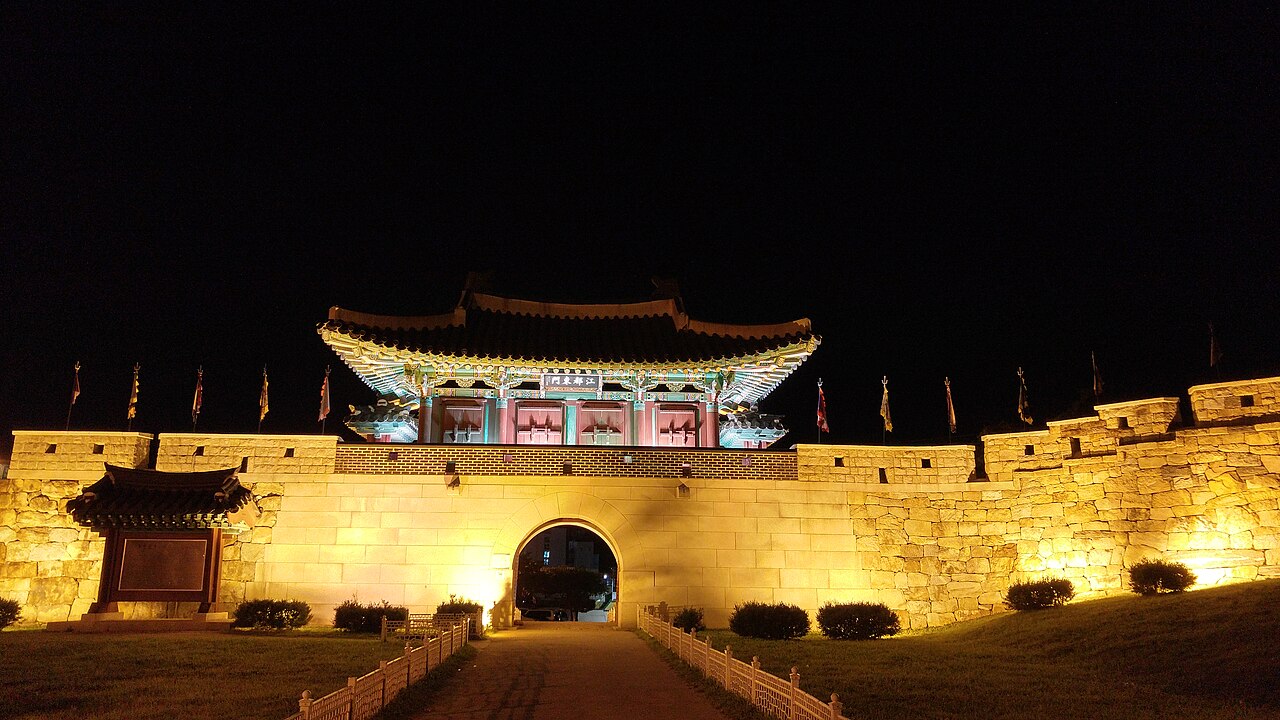
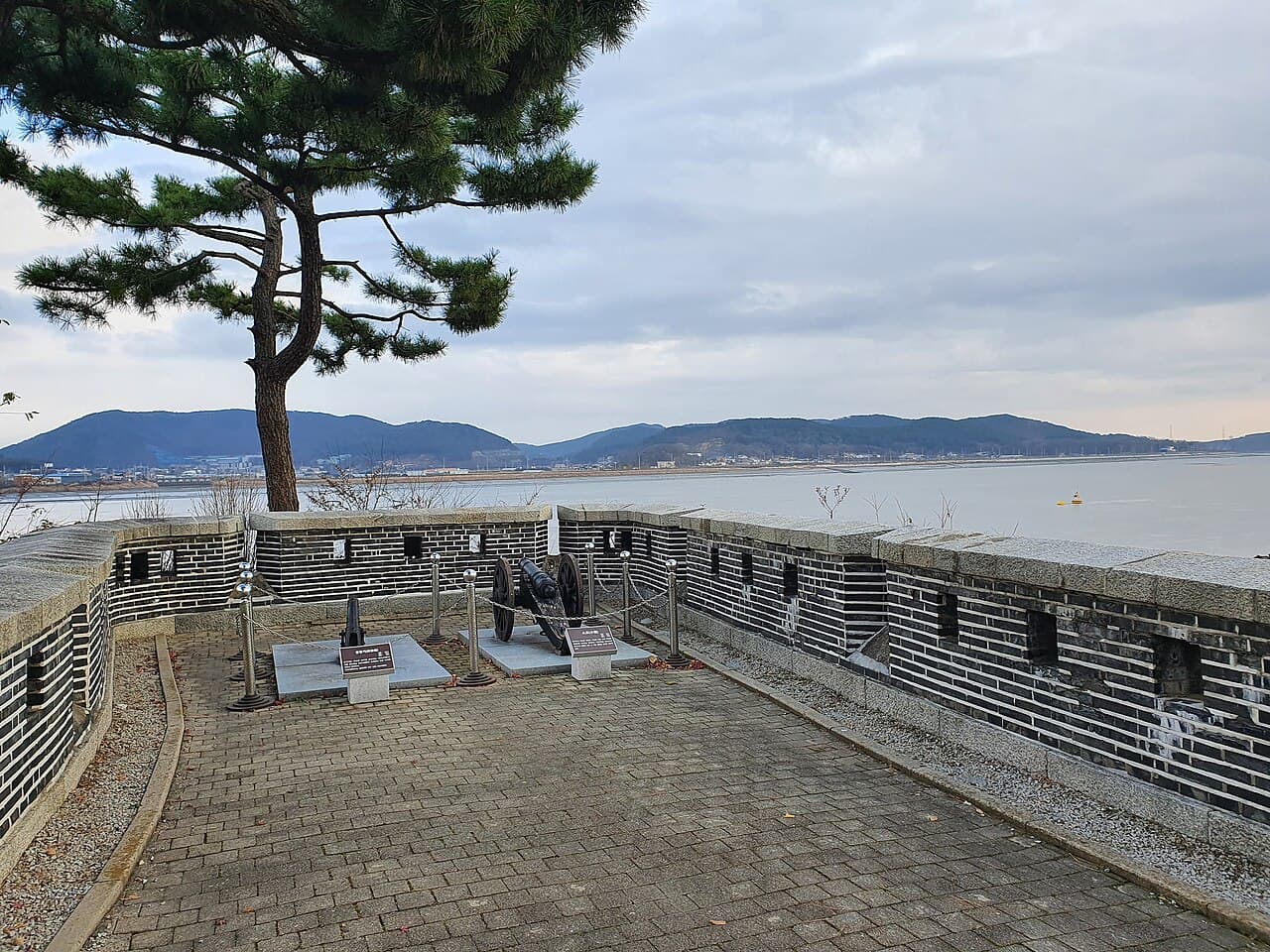
The fortress is classified as a bastioned fortress, a style that incorporates angled bastions projecting from the main walls, allowing defenders to cover adjacent walls with overlapping fields of fire. This design was influenced by European military engineering principles introduced to Korea in the 19th century. The walls are constructed with stone and brick, forming a robust perimeter with multiple bastions positioned at strategic points.
The bastions themselves are notable for their angular shapes, which minimize blind spots and provide effective platforms for artillery. The fortress includes several gates, defensive towers, and artillery placements. The walls are relatively thick, designed to withstand cannon fire, and the fortress layout emphasizes both defense and the ability to mount counterattacks.
Materials and construction techniques
The construction of Ganghwa Gapgotdon utilized locally sourced stone and brick, combining traditional Korean masonry techniques with Western military architectural concepts. The use of brickwork in bastions and certain wall sections reflects the adaptation of foreign styles to local building practices.
Role in Korean military history
Ganghwa Gapgotdon played a key role during the late Joseon period, particularly in the defense against foreign incursions such as the French expedition to Korea in 1866 and the United States expedition in 1871. The fortress's bastioned design allowed Korean defenders to better repel attacks compared to older fortress styles.
While it did not see extensive combat, the fortress's presence was a deterrent and a symbol of Korea's efforts to modernize its defenses during a turbulent era. The fortress also reflects the broader historical context of Korea's interactions with Western powers and Japan in the 19th century.
Current condition and preservation
Today, Ganghwa Gapgotdon remains partially preserved, with significant sections of its walls and bastions intact. The fortress is recognized as a cultural heritage site, with ongoing efforts to maintain and restore its structure for educational and tourism purposes.
Visitors to Ganghwa Island can explore the fortress ruins, which offer insight into Korea's military architecture evolution and the historical challenges faced during the late 19th century.
Visiting information and cultural significance
Ganghwa Gapgotdon is accessible to the public, with pathways allowing visitors to walk along the fortress walls and examine the bastions closely. The site is often included in tours focusing on Korean history and military architecture.
The fortress stands as a testament to Korea's adaptive military strategies and its engagement with global military architectural trends during a critical period of national defense modernization.
Frequently asked questions (FAQ)
- What is Ganghwa Gapgotdon?
- Ganghwa Gapgotdon is a 19th-century bastioned fortress on Ganghwa Island, Korea, designed to defend against foreign naval threats.
- When was Ganghwa Gapgotdon built?
- The fortress was constructed in the 19th century during the late Joseon Dynasty to strengthen coastal defenses.
- Can I visit Ganghwa Gapgotdon?
- Yes, the fortress is open daily from 09:00 to 18:00 and admission is free to the public.
- What architectural style does Ganghwa Gapgotdon represent?
- Ganghwa Gapgotdon features a bastioned fortress design influenced by European military engineering introduced in the 19th century.
- Why is Ganghwa Gapgotdon historically significant?
- It represents Korea's efforts to modernize its military defenses during a period of increasing foreign threats in the 19th century.
Photo gallery

Information
Opening hours
09:00-18:00, daily
Ticket prices
Free
Current owner
Municipality
Loading map...
Visitor reviews
No reviews yet. Been here? Write the first review and help other travelers!
Write the first reviewVisited this castle? Share your experience
Your review helps other travelers and adds first-hand knowledge to our encyclopedia.