Kadan Castle
Kadan Castle is a significant high medieval hill castle located in the historic town of Kadaň, Czechia. Established in the 13th century, it stands prominently on a rhyolite rock overlooking the Ohře River, a strategic position that provided natural defense and commanding views. The castle's origins are closely tied to the rise of Kadaň as a royal city, reflecting the political and military ambitions of the medieval Bohemian kingdom.
The castle was first mentioned in historical records in 1289, described as a four-winged Přemyslid Gothic castle with a residential palace extending over the river. It served as the seat of the royal burgrave, the king's appointed administrator responsible for governing the surrounding region known as the Kadaňská župa. This role made the castle a key administrative and defensive center during the high medieval period.
Early history and royal significance
Construction began around 1250, during the reign of Přemysl Otakar II, a period marked by the expansion and consolidation of royal power in Bohemia. The castle's Gothic architectural style is evident in its original layout, featuring a roughly square plan with four corner towers, a typical design for Central European fortifications of the era. The castle was integrated into the town's defenses, with its eastern and western walls forming part of Kadaň's fortifications.
King Wenceslaus II played a notable role in the castle's history, visiting multiple times in the late 13th century. The castle was a venue for important political meetings, including discussions with Elector Otto IV of Brandenburg. It also hosted the marriage of Wenceslaus II to Guta of Habsburg, underscoring its status as a royal residence and political hub.
Architectural evolution and military transformations
In the mid-15th century, the castle underwent significant renovations ordered by King George of Poděbrady in 1467. These changes reflected evolving military needs and architectural styles. However, the castle's fortunes declined after it was severely damaged during the crusader expedition led by Frederick of Brandenburg in 1422. This event marked the end of its function as a royal residence.
The early 16th century saw further transformation under Jan Hasištejnský of Lobkowicz, who initiated a major rebuilding project that altered the castle's medieval Gothic character. By 1595, the castle passed into municipal ownership by decree of King Rudolf II, signaling a shift from royal to local control.
Impact of the thirty years' war and later usage
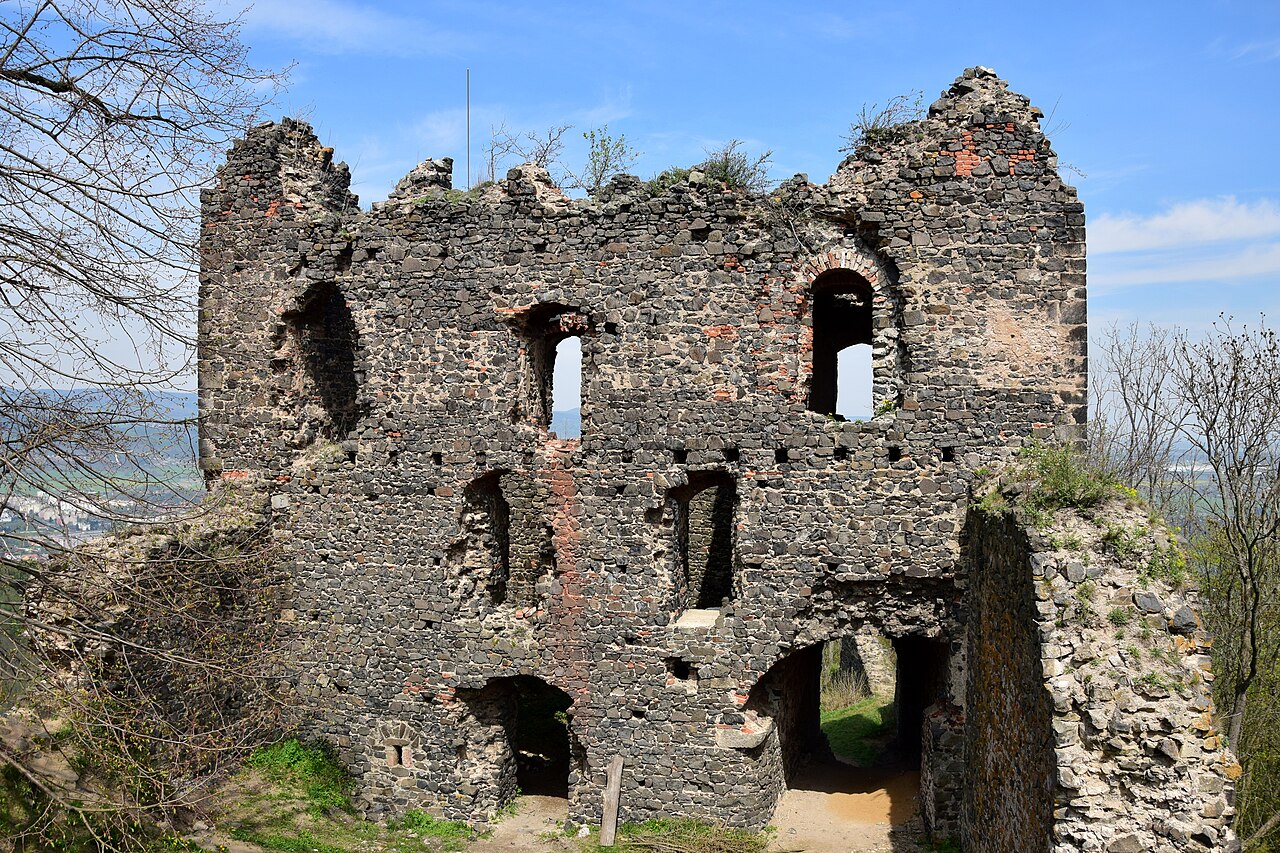
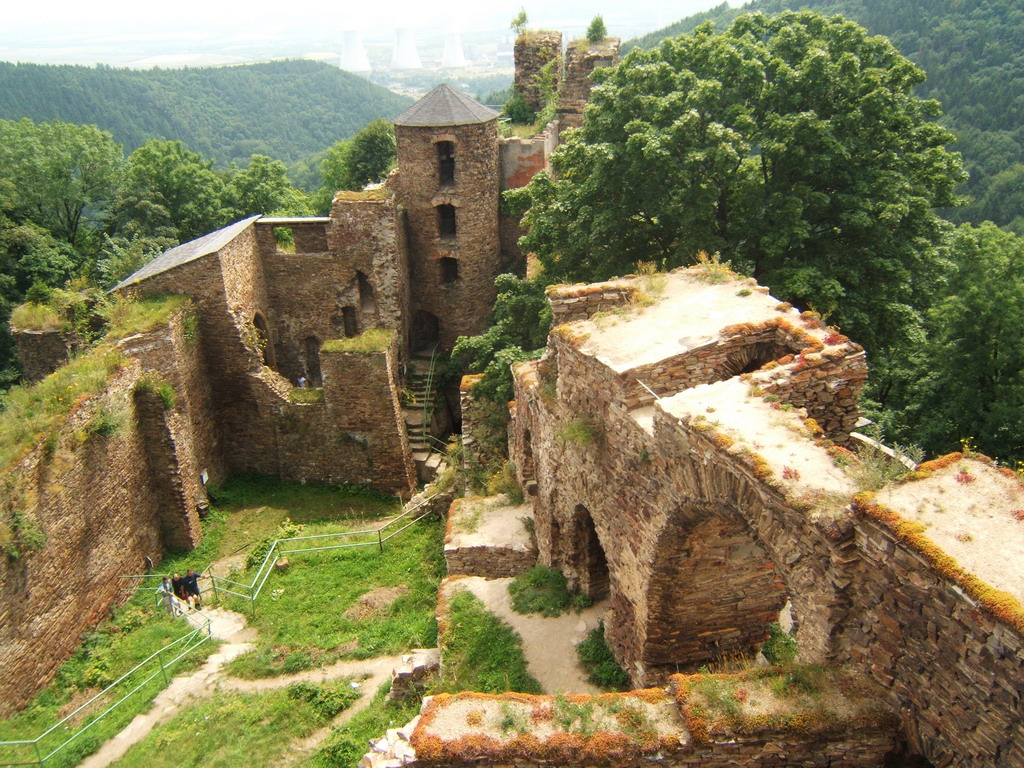
The Thirty Years' War in the 17th century brought extensive damage to Kadan Castle, especially during a siege by Swedish forces. The castle was left in ruins for about a century. Following a devastating fire in 1746, Empress Maria Theresa repurposed the site as military barracks in 1750. This adaptation included the construction of a three-winged, three-story vaulted barracks building above the river, partially set below ground level, reflecting the castle's transition from a medieval fortress to a functional military installation.
Throughout the 19th and 20th centuries, the castle continued to serve military purposes under the Austrian and later Czech armies until the end of the 20th century. Since the 1990s, ownership transferred to the town of Kadaň, which has converted the castle for cultural and social uses, including a museum, municipal library, ceremonial hall, and cultural spaces.
Architectural features and preservation
Kadan Castle's original layout included four corner towers connected by residential wings. Defensive features comprised an outer bailey (parkán) and a moat separating the castle from the town's fortifications. The castle's integration with the town walls enhanced its defensive capabilities.
Late Gothic modifications included dismantling two western towers and filling in the outer bailey to create a gatehouse. Residential palaces were vaulted with stone ceilings, and window openings were enlarged to increase light. Some early Gothic windows with characteristic sandstone moldings and trefoil arches survive, showcasing the castle's architectural evolution.
Excavations have revealed foundations of two southern towers, and the northeastern tower has been partially restored with a hipped roof. The northern wing features a late Gothic entrance gate, evidencing the castle's defensive adaptations over centuries.
Restoration efforts have uncovered early Gothic window openings and late Gothic stone details, particularly around the northern gate portals and northeastern tower windows. These preserved elements highlight Kadan Castle as one of the most important examples of early Gothic royal castles in Central Europe, with a continuous architectural narrative from the 13th century to modern times.
Cultural significance and modern use
Today, Kadan Castle serves as a vibrant cultural center. The eastern wing houses the municipal library with an internet café and a ceremonial hall. Since 2000, the Josef Liesler Gallery has operated within the castle, showcasing art and exhibitions. A nursing home occupies part of the complex, reflecting the castle's integration into community life.
The castle's museum presents exhibitions on its rich history and architectural development, attracting visitors interested in medieval fortifications, Bohemian history, and Gothic architecture. Its preservation and adaptive reuse demonstrate a successful balance between heritage conservation and contemporary cultural functions.
Frequently asked questions (FAQ)
- How do I get to Kadan Castle?
- Kadan Castle is located in the heart of Kadaň, Czechia, making it easily accessible by public transport or car. If traveling by train, the nearest station is Kadaň Město, which is a short walk from the castle. Buses also serve the area, providing convenient options for visitors.
- What is the historical significance of Kadan Castle?
- Kadan Castle dates back to the 13th century and is an important example of medieval architecture in the region. It has served various purposes throughout history, including as a royal residence and a fortress. The castle reflects the rich cultural heritage of Kadaň and is a key site for understanding the area's history.
- When was Kadan Castle built?
- Kadan Castle was originally constructed in the early 13th century, with significant renovations occurring in later centuries. The castle has evolved over time, showcasing different architectural styles that represent various historical periods. Today, it stands as a testament to its long and storied past.
- Can I take guided tours of Kadan Castle?
- Yes, guided tours are available at Kadan Castle, offering visitors a deeper understanding of its history and architecture. Tours typically include access to key areas within the castle, along with informative commentary from knowledgeable guides. It's recommended to check the official website for tour schedules and availability.
- Why is Kadan Castle popular among tourists?
- Kadan Castle attracts visitors due to its stunning architecture and picturesque location, as well as its rich history. The castle's well-preserved structures and beautiful surroundings make it a perfect spot for photography and exploration. Additionally, its proximity to other attractions in Kadaň enhances its appeal.
- Is it possible to host events at Kadan Castle?
- Yes, Kadan Castle offers facilities for hosting events such as weddings, corporate meetings, and cultural gatherings. The unique setting and historical ambiance provide a memorable backdrop for any occasion. Interested parties should contact the castle administration for more details on availability and services.
- What are the opening hours for Kadan Castle?
- Kadan Castle is open to visitors year-round, though hours may vary seasonally. Typically, the castle opens at 9 AM and closes at 5 PM, with extended hours during the summer months. It’s best to check the official website for the most current information on opening hours before your visit.
- What are the ticket prices for visiting Kadan Castle?
- Ticket prices for Kadan Castle are quite reasonable, with discounts often available for students, seniors, and families. General admission typically ranges from 100 to 150 CZK, while guided tours may have an additional cost. Check the castle's official website for any special promotions or group rates.
- What nearby attractions can I visit while in Kadaň?
- While visiting Kadan Castle, you can explore other nearby attractions such as the Kadaň Town Square, the Church of St. John the Baptist, and the historic town walls. These sites enhance the cultural experience and provide a fuller understanding of the area's rich history. Plan to spend a day enjoying the beautiful architecture and local charm of Kadaň.
Information
Loading map...
Visitor reviews
No reviews yet. Been here? Write the first review and help other travelers!
Write the first reviewVisited this castle? Share your experience
Your review helps other travelers and adds first-hand knowledge to our encyclopedia.