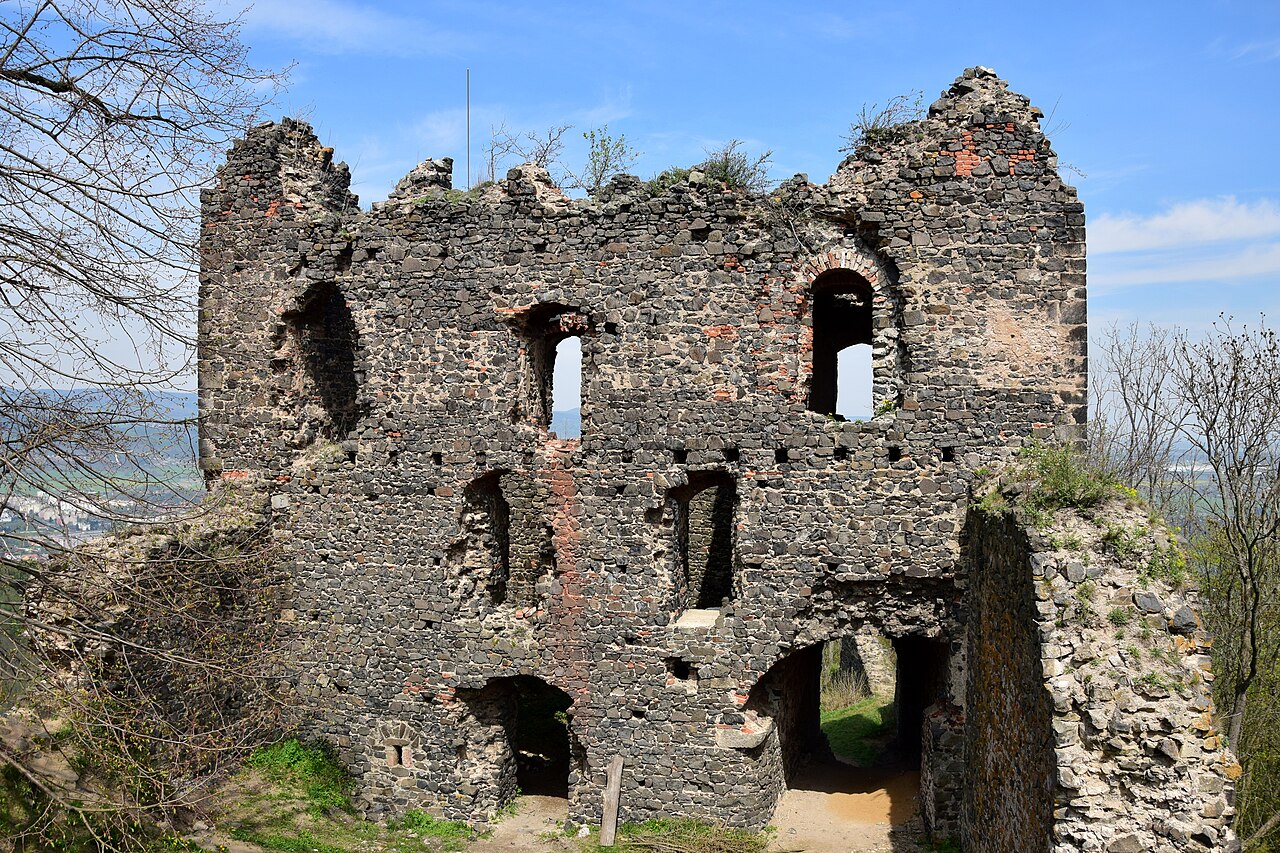
Klasterec nad Ohri Chateau
The Klasterec nad Ohri Chateau is a significant historical and architectural landmark located in the town of Klášterec nad Ohří, Czechia. This Renaissance chateau, originally built in 1514, stands prominently within the town’s historic urban conservation area, which has undergone recent restoration to preserve its cultural heritage. The chateau is set amidst an extensive landscape park notable for its diverse collection of over 220 tree species, including rare and exotic specimens from around the world, reflecting the botanical interests of its past owners.
Architectural and landscape features
The chateau itself is an excellent example of Renaissance architecture in the region, showcasing the style’s characteristic symmetry and classical details. Surrounding the chateau, the landscape park incorporates elements of Baroque garden design, including a sala terrena pavilion that dates from the late 17th century. This pavilion is distinguished by its gloriette mezzanine, which is adorned with architectural sculptures crafted by the renowned sculptor Jan Brokoff in the 1680s. Brokoff’s work contributes significant artistic value to the site, blending sculptural art with the natural environment.
Religious and commemorative elements in the park
In the northern section of the park, visitors can find an installation of the Stations of the Cross, dating from the 1690s, which adds a spiritual dimension to the landscape. Nearby stands the Church of the Holy Trinity, which includes the Crypt of the Thun Noble Family, historically connected to the chateau’s aristocratic owners. These religious structures emphasize the chateau’s role not only as a noble residence but also as a center of local religious and cultural life.
Porcelain collection and cultural significance
The Klasterec nad Ohri Chateau is home to an extensive and important porcelain collection managed by the Museum of Decorative Arts in Prague. This collection occupies 21 rooms on the chateau’s first floor and documents the rich history of porcelain manufacturing in Bohemia, spanning over two centuries. The exhibits include pieces from notable porcelain factories such as Slavkov, Klášterec nad Ohří, Březová, Kisibl, Chodov, Stará Role, Dalovice, Prague, Loket, Budov, and Ždanov.
The display also features early porcelain examples from China and Japan, alongside European masterpieces from Meissen, Vienna, and Nymphenburg, dating from the 17th to the 19th centuries. This comprehensive collection provides valuable insights into the artistic and technical development of porcelain production, highlighting the cultural exchanges between Europe and Asia during this period.
Historical context and ownership
The chateau’s history is closely linked to the noble families who owned it, particularly the Thun family, who played a significant role in the region’s history. Their patronage influenced the chateau’s architectural evolution and the development of its gardens and parklands. The integration of artistic, religious, and natural elements within the chateau grounds reflects the multifaceted role of such estates in Central European aristocratic culture.
Visiting the chateau
Today, the Klasterec nad Ohri Chateau is accessible to the public and serves as a cultural attraction that combines historical architecture, fine art collections, and botanical interest. Visitors can explore the richly decorated interiors, admire the porcelain exhibits, and enjoy the serene atmosphere of the landscaped park. The chateau’s setting within a historic town adds to its appeal, offering opportunities to experience local heritage alongside the chateau’s unique features.
Frequently asked questions (FAQ)
- What is the historical significance of Klasterec nad Ohri Chateau?
- Klasterec nad Ohri Chateau, originally built in the 13th century, is a remarkable example of Renaissance architecture in the Czech Republic. It served as a noble residence and has played a vital role in the local heritage, showcasing the evolution of noble life over centuries.
- When was Klasterec nad Ohri Chateau built?
- The chateau was initially constructed in the 13th century and underwent several renovations throughout the centuries, particularly in the Renaissance and Baroque styles. The current appearance reflects its history and the architectural trends of those periods.
- Can I visit Klasterec nad Ohri Chateau?
- Yes, visitors are welcome to explore Klasterec nad Ohri Chateau. The chateau offers guided tours that provide insights into its rich history and stunning architecture, making it a must-visit for history enthusiasts.
- What are the opening hours for Klasterec nad Ohri Chateau?
- Klasterec nad Ohri Chateau is typically open to visitors from April to October, with varying hours depending on the season. It is advisable to check their official website for the most up-to-date information on opening times and any special events.
- Is it possible to access Klasterec nad Ohri Chateau with disabilities?
- Yes, Klasterec nad Ohri Chateau aims to be accessible to all visitors. There are facilities and accommodations in place to assist those with mobility challenges, ensuring that everyone can enjoy the beauty of the chateau.
- What are the ticket prices for visiting Klasterec nad Ohri Chateau?
- Ticket prices for Klasterec nad Ohri Chateau vary depending on the type of tour and visitor age category. Generally, there are discounts for students and seniors, making it an affordable destination for families and groups.
- When is the best time to visit Klasterec nad Ohri Chateau?
- The best time to visit Klasterec nad Ohri Chateau is during the spring and early autumn months when the weather is pleasant and the gardens are in full bloom. These seasons also offer fewer crowds compared to peak summer months.
- What nearby attractions can I explore after visiting Klasterec nad Ohri Chateau?
- After visiting the chateau, you can explore the picturesque town of Klášterec nad Ohří, known for its charming architecture and local shops. Additionally, the nearby Ore Mountains offer stunning natural landscapes and hiking opportunities for outdoor enthusiasts.
Information
Loading map...
Visitor reviews
No reviews yet. Been here? Write the first review and help other travelers!
Write the first reviewVisited this castle? Share your experience
Your review helps other travelers and adds first-hand knowledge to our encyclopedia.