Handaberd (Khokhanaberd)
Handaberd, also known as Khokhanaberd, Khanabert, and Tarkhanaberd, is a historic mountaintop fortress located near the village of Vank in the disputed region of Nagorno-Karabakh, within the Kalbajar District of Azerbaijan. This fortress dates back to the 9th century and is a significant relic of medieval Armenian architecture and political history. It was part of the Lower Khachen (Nerkin Khachen) province of the Armenian Principality of Khachen and functioned as a castle and residence for rulers of the House of Hasan-Jalalyan.
Historical context and significance
The fortress of Handaberd was constructed during the early medieval period, specifically in the 9th century, a time when the region was characterized by fragmented principalities and frequent conflicts. It played a crucial role as a defensive stronghold and administrative center within the Armenian Principality of Khachen, which was an important political entity in the Caucasus during the medieval era. The House of Hasan-Jalalyan, a noble Armenian family, used Handaberd as a residence and military bastion, underscoring its strategic and symbolic importance.
Architectural features and layout
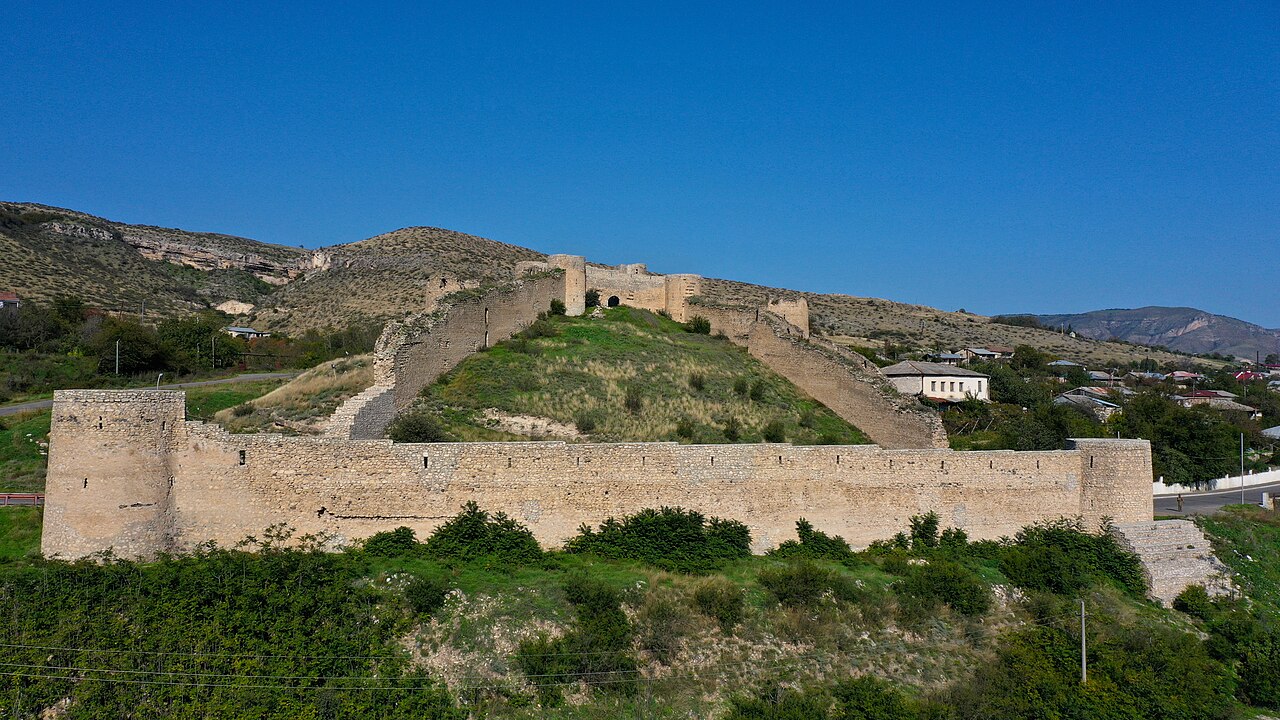
Handaberd is a mountaintop fortress strategically positioned to command views over the surrounding landscape, which was typical for fortifications designed to maximize defense capabilities. The fortress incorporates bastioned fortifications, which include thick defensive walls and towers designed to withstand sieges and attacks. Its elevated location provided natural protection, complemented by man-made defensive structures such as battlements and fortified gates.
The fortress complex includes several key architectural elements: defensive walls with battlements, bastions projecting from the walls for flanking fire, a main gate with defensive features, and internal structures that likely served as living quarters, storage, and administrative spaces. The design reflects military architectural principles of the high medieval period, emphasizing defense and control over the region.
Role within the principality and political history
As part of the Lower Khachen province, Handaberd was integral to the governance and military defense of the Armenian Principality of Khachen. The fortress served not only as a military installation but also as a noble residence, highlighting its dual function in both warfare and administration. The House of Hasan-Jalalyan used it as a seat of power, which indicates the fortress's importance in regional politics and aristocratic life.
Throughout its history, Handaberd witnessed various military campaigns and political changes, reflecting the turbulent history of Nagorno-Karabakh and the surrounding Caucasus region. Its endurance over centuries speaks to the robustness of its construction and the strategic acumen of its builders.
Current condition and cultural heritage
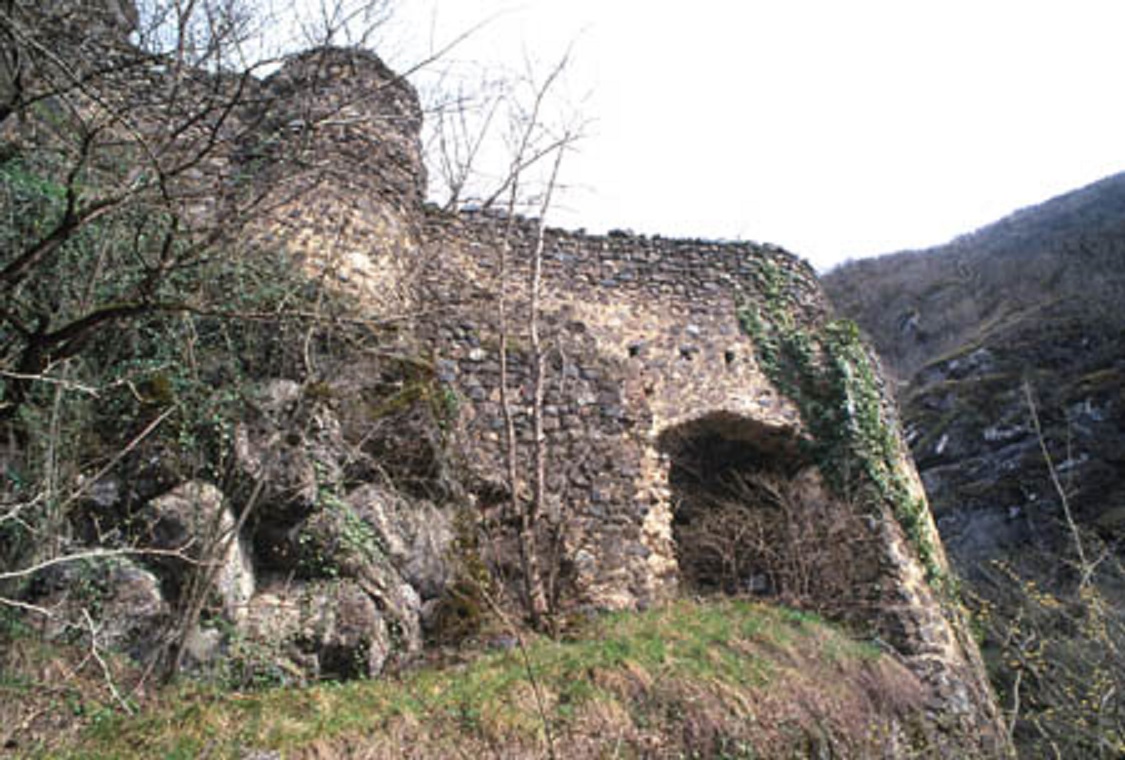
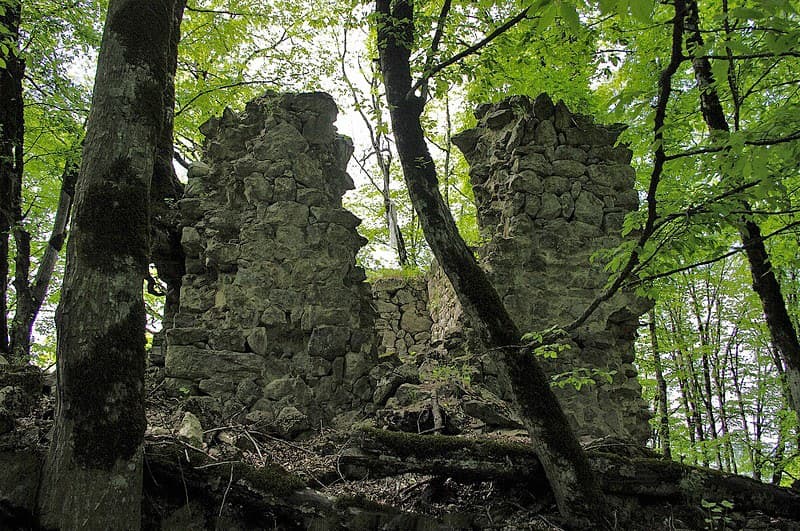
Today, Handaberd stands as a partially preserved fortress, with some walls and bastions still visible amidst the ruins. Its location in a disputed region has affected its conservation, but it remains an important cultural and historical monument for Armenian heritage and the broader Caucasus history. The fortress attracts scholars, historians, and visitors interested in medieval military architecture and the complex history of Nagorno-Karabakh.
Efforts to study and preserve Handaberd contribute to understanding the medieval Armenian principalities and their architectural achievements. The site exemplifies the use of natural terrain in fortress construction and the adaptation of bastioned defenses in the medieval Caucasus.
Visiting Handaberd
Access to Handaberd can be challenging due to its mountainous location and the political situation in Nagorno-Karabakh. Visitors interested in medieval fortresses and Armenian history find the site valuable for its historical ambiance and architectural remnants. The fortress's elevated position offers panoramic views of the surrounding landscape, enhancing its appeal for cultural tourism and historical exploration.
Frequently asked questions (FAQ)
- When was Handaberd fortress built?
- Handaberd fortress was constructed in the 9th century during the early medieval period, serving as a key defensive and residential site.
- What is the architectural style of Handaberd?
- Handaberd features bastioned fortifications typical of high medieval military architecture, adapted to its mountaintop location for enhanced defense.
- Can visitors access Handaberd today?
- Access to Handaberd is possible but can be difficult due to its mountainous terrain and the political situation in Nagorno-Karabakh. Visitors should prepare accordingly.
- What was the historical role of Handaberd?
- Handaberd served as a castle and residence for the rulers of the House of Hasan-Jalalyan within the Armenian Principality of Khachen, playing a significant military and administrative role.
- Why is Handaberd important historically?
- Handaberd is significant as a medieval Armenian fortress that illustrates the defensive strategies and noble residences of the Armenian principalities in Nagorno-Karabakh.
Photo gallery

Photo by Ширяевы Игорь и Лариса. Original uploader was Armen hay at ru.wikipedia•CC BY-SA 3.0
Information
Loading map...
Visitor reviews
No reviews yet. Been here? Write the first review and help other travelers!
Write the first reviewVisited this castle? Share your experience
Your review helps other travelers and adds first-hand knowledge to our encyclopedia.