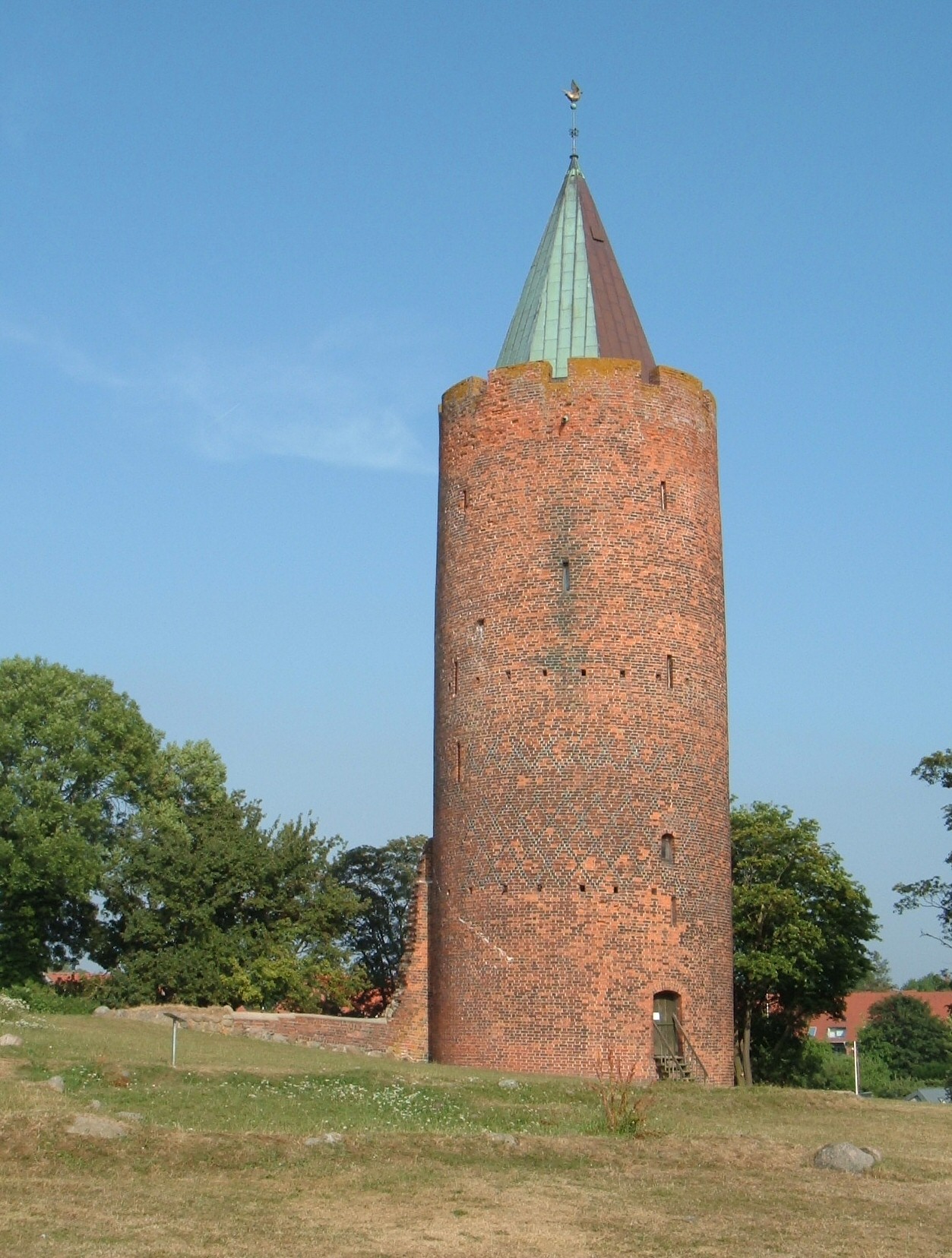
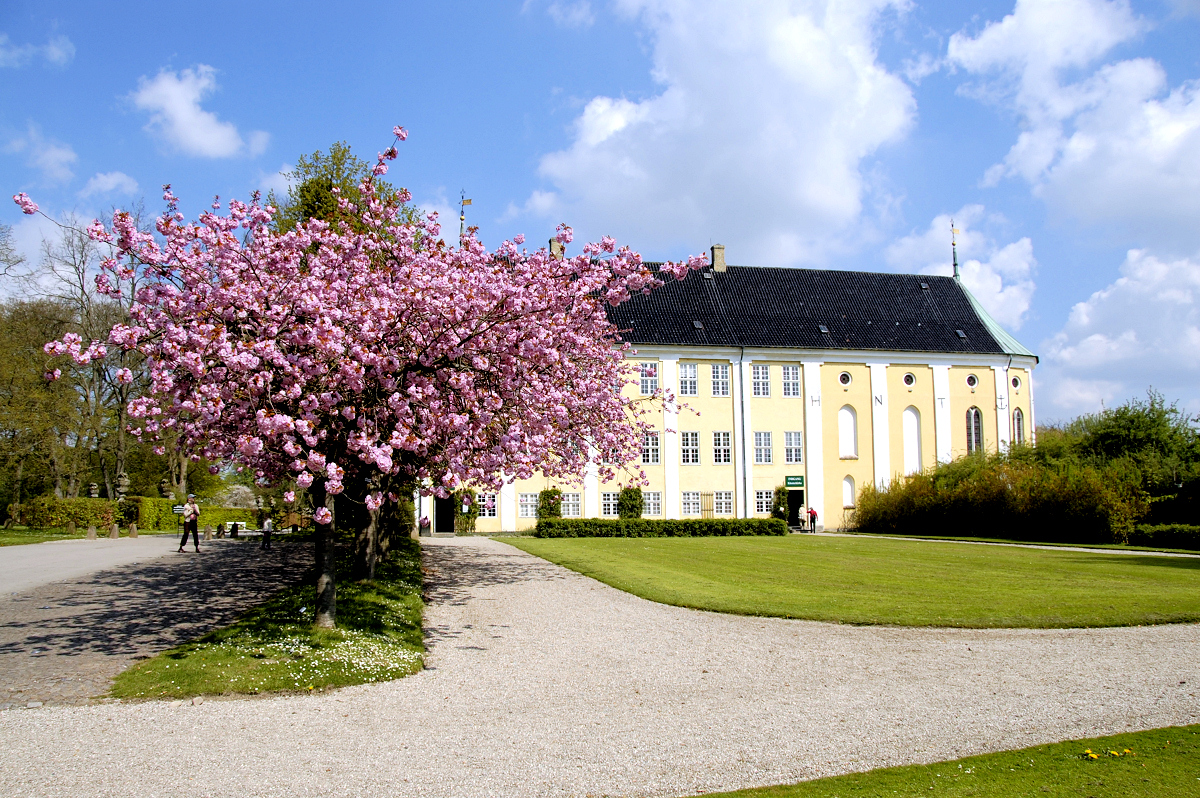
Jungshoved Castle Ruins
Jungshoved Castle stands as a significant medieval fortification located near the town of Præstø in Denmark. Its origins trace back to the 12th century, marking it as a royal castle with strategic importance during the High Medieval period. The castle was first mentioned in historical records in 1231, indicating its established presence by the early 13th century. It was constructed as part of a defensive network under the reign of King Valdemar I to protect the Danish coastline against the incursions of the Wends, a group of Baltic Slavic tribes.
Strategic location and historical role
Situated at the mouth of Skibbinge Cove, Jungshoved Castle occupied a commanding position that allowed control over maritime approaches and local trade routes. This location was crucial for monitoring and defending the southeastern coast of Zealand island. The castle's proximity to important herring fishing grounds at Falsterbo suggests that it also played a role in regulating and protecting the lucrative herring market, which was vital for the medieval Danish economy.
Architectural features and construction
The original castle likely featured typical High Medieval defensive elements such as thick stone walls, a fortified keep, and possibly a moat or earthworks enhancing its defense. Although much of the structure has not survived, archaeological evidence and historical accounts imply that it was built with durable materials common to royal fortifications of the period. The castle was complemented by an annexed church dating from the same era, which served both religious and community functions for the castle's inhabitants and nearby settlements.
Castle layout and fortifications
While detailed plans of Jungshoved Castle are scarce, the strategic placement at a coastal cove suggests the presence of water defenses integrated into the castle's design. The castle's fortifications would have been designed to withstand attacks from both sea and land, reflecting the turbulent nature of the Baltic region during the Middle Ages.
Decline and legacy
Following the Dano-Swedish wars of the 17th century, Jungshoved Castle fell into disuse and gradually deteriorated into ruins. By the 18th century, the remaining structures were dismantled, and the building materials were repurposed for other constructions, notably the barracks and stables of Prins Jørgen's Palæ, a three-winged hunting lodge in Vordingborg. This recycling of materials was a common practice in Denmark, reflecting changing military and residential needs.
Cultural and archaeological significance
Today, the site of Jungshoved Castle is recognized as an important archaeological ruin, offering insights into medieval Danish fortifications and royal administration. The castle's remains, along with the adjacent church, provide valuable information about the region's defensive strategies and social organization during the High Medieval period. Preservation efforts focus on maintaining the ruins as a cultural heritage site accessible to visitors interested in Denmark's medieval history.
Visiting jungshoved castle ruins
Visitors to the Jungshoved Castle ruins can explore the site to appreciate the castle's historical context and its role in Denmark's coastal defense system. The surrounding landscape retains elements of the castle's original strategic setting, including views over Skibbinge Cove. Interpretive signage and local guides often provide additional historical background to enhance the visitor experience.
Frequently asked questions (FAQ)
- When was Jungshoved Castle built?
- Jungshoved Castle was built in the 12th century during the High Medieval period, with the first historical mention in 1231.
- What was the strategic importance of Jungshoved Castle?
- The castle was strategically located at the mouth of Skibbinge Cove to defend against Baltic Slavs and control maritime routes and the herring market at Falsterbo.
- What remains of Jungshoved Castle today?
- Today, only ruins of Jungshoved Castle remain, with archaeological efforts preserving its foundations and some structural remnants.
- Can visitors access Jungshoved Castle ruins?
- Yes, the ruins are accessible to visitors who can explore the site and learn about its historical significance through on-site information.
- Why were the castle materials reused?
- After the castle fell into ruin following the Dano-Swedish wars, its building materials were repurposed in the 1700s for constructing barracks and stables at Prins Jørgen's Palæ in Vordingborg.
Information
Current owner
State museum
Loading map...
Visitor reviews
No reviews yet. Been here? Write the first review and help other travelers!
Write the first reviewVisited this castle? Share your experience
Your review helps other travelers and adds first-hand knowledge to our encyclopedia.