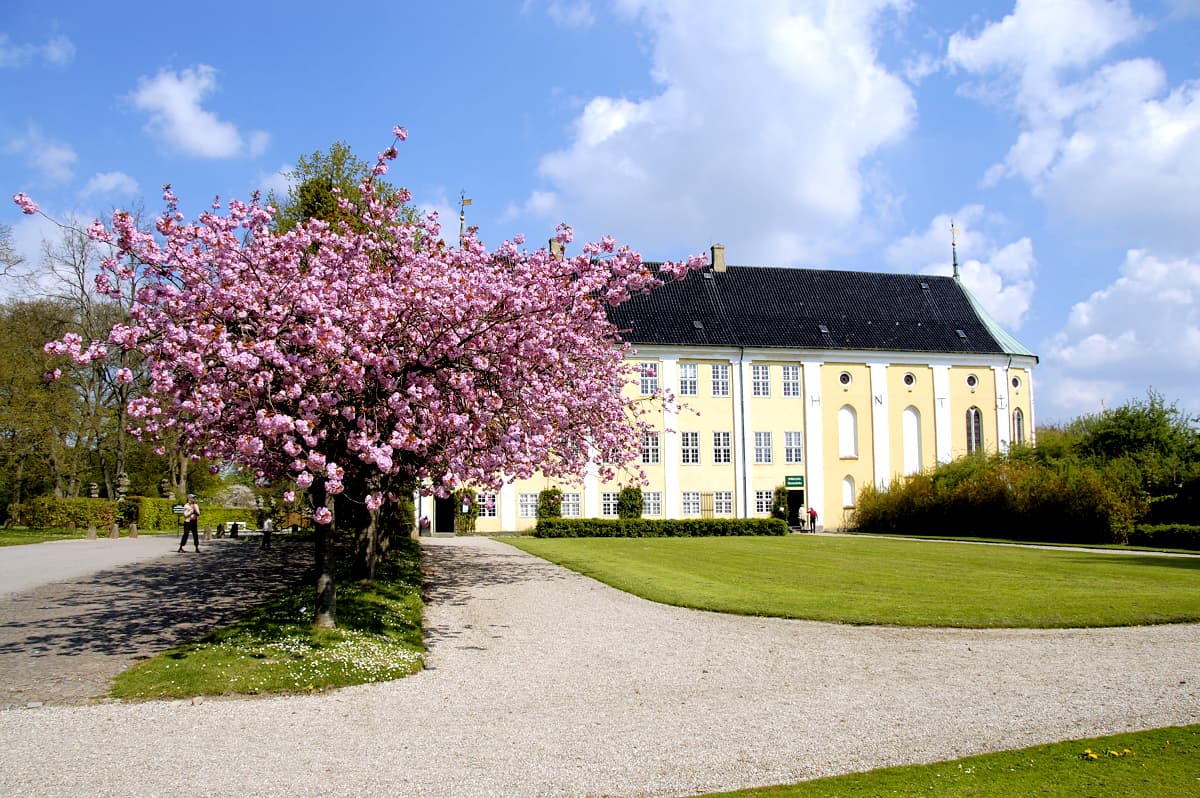
Gavnø Castle
Gavnø Castle stands as a significant historical and architectural landmark near Næstved, Denmark. Its origins trace back to the early 13th century, with the first known mention in King Valdemar's census book of 1231, where a 'house on Gavnø' is recorded. This early structure functioned as a defensive hill castle guarding Denmark’s western coasts. Over the centuries, the castle evolved from a medieval stronghold into a refined aristocratic residence, reflecting changes in architectural style and usage.
The medieval origins and religious significance
During the 15th century, Queen Margaret I established St Agnes' Priory at Gavnø, transforming part of the castle into a religious institution for nuns from noble families. The priory's chapel, located in the castle’s southern wing, remains a prominent feature, though it has been extended and altered over time. This religious chapter in Gavnø’s history adds a layer of cultural importance, illustrating the castle’s dual role as both a fortress and a spiritual center.
Architectural features of the chapel
The chapel retains elements of its original medieval design, with later additions that harmonize with the castle's evolving style. It is an example of how ecclesiastical architecture was integrated into a noble residence, preserving sacred spaces while accommodating the needs of the aristocracy.
Transformation under Count Otto Thott in the 18th century
The most significant transformation of Gavnø Castle occurred after Count Otto Thott acquired the estate in 1737. Thott undertook extensive renovations and expansions, reshaping the castle into a three-winged building characterized by its distinctive yellow facade and Rococo architectural style. This style is marked by elegant ornamentation, curved forms, and a light, decorative aesthetic that contrasts with the castle’s medieval origins.
The Rococo style and its impact
The Rococo renovation introduced refined decorative details, symmetrical layouts, and a more comfortable residential atmosphere. The castle’s design from this period reflects the tastes of the Danish aristocracy during the post-Renaissance era, emphasizing beauty and sophistication over military defense.
Count Otto Thott’s collections and cultural legacy
Count Thott was a passionate collector, and Gavnø Castle became a repository for his vast assemblage of paintings, manuscripts, and books. At the time of his death, his library contained over 120,000 volumes, surpassing even the holdings of the Danish National Library. This remarkable collection highlights Gavnø’s role not only as a noble residence but also as a center of knowledge and culture.
The library and its significance
The extensive library housed rare and valuable works, reflecting the intellectual interests of the Enlightenment period. Although the collection has since been dispersed, its legacy endures as a testament to the castle’s cultural importance.
The castle grounds and gardens
Surrounding Gavnø Castle is a park renowned for its rare trees, rose garden, and extensive bulb displays. The gardens contribute to the estate’s charm and provide a scenic setting that complements the castle’s architectural elegance. The landscaping reflects 18th-century garden design trends, emphasizing both aesthetic appeal and botanical variety.
Botanical highlights
The park is especially noted for its collection of rare trees, which attract botanists and garden enthusiasts. The rose garden offers seasonal color and fragrance, while the bulb displays create vibrant springtime spectacles, making Gavnø a destination for visitors interested in horticulture as well as history.
Preservation and current status
Today, Gavnø Castle remains a well-preserved example of a post-Renaissance hill castle with Rococo style enhancements. It continues to draw visitors for its architectural beauty, historical significance, and cultural heritage. The castle's preservation allows for public appreciation of its layered history, from medieval fortification to aristocratic residence and cultural hub.
Frequently asked questions (FAQ)
- What is Gavnø Castle known for?
- Gavnø Castle is renowned for its stunning architecture, which blends Renaissance and Baroque styles. It is also famous for its beautiful gardens, including the impressive rose garden, making it a popular destination for visitors interested in history and nature.
- When was Gavnø Castle built?
- Gavnø Castle was originally constructed in the late 14th century, with significant renovations occurring in the 18th century. The castle has a rich history that reflects the changing architectural styles and historical events of Denmark.
- Can I visit Gavnø Castle year-round?
- Yes, Gavnø Castle is open to visitors throughout the year, although the opening hours may vary by season. It's advisable to check the official website for the most current visiting hours and any seasonal events.
- What are the ticket prices for Gavnø Castle?
- Ticket prices for Gavnø Castle vary depending on the season and the type of tour selected. Discounts are often available for children, seniors, and groups, so be sure to check the official site for the latest pricing information.
- Is Gavnø Castle accessible for visitors with disabilities?
- Gavnø Castle strives to be accessible for all visitors, with facilities designed to accommodate those with mobility challenges. Wheelchair access is available in certain areas, but it is recommended to contact the castle in advance for specific accessibility information.
- What is the best time to visit Gavnø Castle?
- The best time to visit Gavnø Castle is during the spring and summer months when the gardens are in full bloom. This period also offers a variety of outdoor events and activities that enhance the visitor experience.
- Are there any nearby attractions to Gavnø Castle?
- Yes, nearby attractions include the charming town of Næstved, known for its historic buildings and vibrant atmosphere. Visitors can also explore other natural sites and cultural landmarks in the region, making it a great base for a day trip.
- What are the opening hours for Gavnø Castle?
- Gavnø Castle typically opens daily from 10 AM to 5 PM, but hours may vary seasonally. It's best to verify the current hours on the official website before planning your visit to ensure you have the most accurate information.
Photo gallery

Information
Website
Visit websiteSources & official resources
Verify the information above using these authoritative references.
Loading map...
Visitor reviews
No reviews yet. Been here? Write the first review and help other travelers!
Write the first reviewVisited this castle? Share your experience
Your review helps other travelers and adds first-hand knowledge to our encyclopedia.



